Languedoc is France's largest wine-producing region, known for its incredible diversity in grape varieties and wine styles, offering exceptional value and quality. Situated along the Mediterranean coast in Southern France, this expansive region spans from the Spanish border eastwards, encompassing a rich history of viticulture and innovation, making it a compelling destination for any wine enthusiast in 2026.
What Defines the Languedoc Wine Region?
The Languedoc wine region is defined by its vast Mediterranean landscape, ancient winemaking heritage, and a modern embrace of quality, producing an extraordinary range of wines. It encompasses a broad area in Southern France, characterized by diverse soils, a warm, sunny climate, and a strong influence from the sea and surrounding mountains, contributing to its diverse viticultural offerings.
Where is Languedoc Located?
Languedoc is located in Southern France, stretching along the Mediterranean coast from the Rhône Delta near Nîmes west to the Spanish border. This strategic position grants it varied microclimates and terroirs, contributing to its diverse viticultural offerings that include both coastal and inland influences.
What is Languedoc's Climate and Terroir Like?
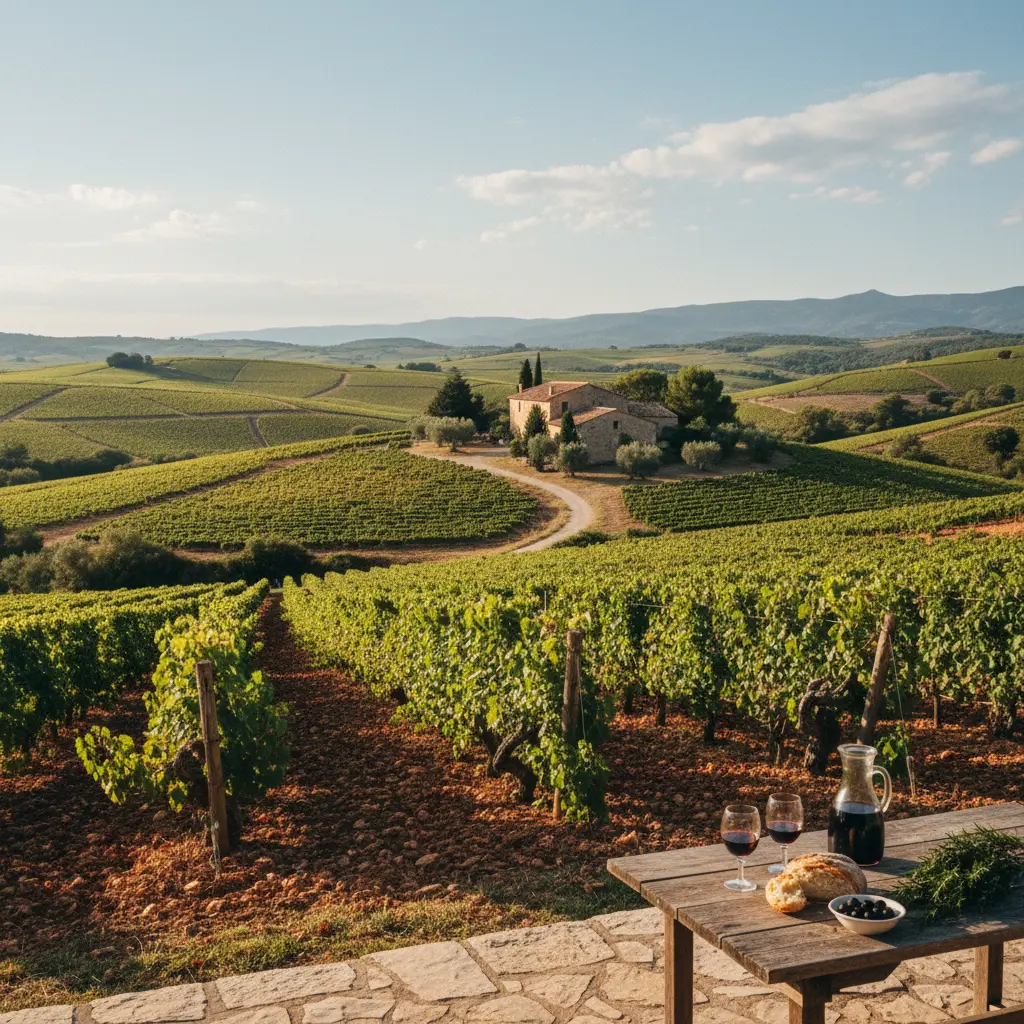
Languedoc's climate is predominantly Mediterranean, featuring hot, dry summers, mild winters, and significant sunshine, while its terroir is exceptionally diverse, ranging from limestone and schist to clay and sandstone. These varied conditions allow a wide array of grape varieties to thrive, each expressing unique regional characteristics and contributing to the complexity of the wines.
A Brief History of Languedoc Viticulture
Languedoc's viticultural history dates back to ancient Greek settlements around the 5th century BC, making it one of France's oldest wine-producing areas, with Roman influence further cementing its agricultural importance. For centuries, the region focused on high-volume production, but a modern revolution, beginning in the late 20th century, shifted the emphasis towards quality and appellation-specific wines.
What are the Key Grape Varieties of Languedoc Wines?
The Languedoc wine region is home to a rich tapestry of grape varieties, with Carignan, Grenache, Syrah, Mourvèdre, and Cinsault dominating the red blends, while Picpoul, Grenache Blanc, and Vermentino lead among the whites. This diversity is a hallmark of the region, allowing for a vast spectrum of wine styles from robust reds to crisp whites.
Dominant Red Grapes in Languedoc
Carignan, Grenache, Syrah, Mourvèdre, and Cinsault are the primary red grapes, often blended to create wines with complexity and depth. Carignan offers structure and acidity, Grenache warmth and fruit, Syrah spice, Mourvèdre savory notes, and Cinsault freshness, forming the backbone of many regional reds.
| Grape Variety | Primary Characteristics | Common Appellations |
|---|---|---|
| Carignan | High tannins, acidity, notes of blackberry, spice. Often from old vines. | Corbières, Minervois, Fitou |
| Grenache | Rich, full-bodied, red fruit (raspberry, cherry), white pepper. | Côtes du Roussillon, La Clape |
| Syrah | Dark fruit (cassis), black pepper, violet, often with savory notes. | Pic Saint-Loup, Faugères |
| Mourvèdre | Structure, dark fruit, gamey/savory notes, often needs warmth to ripen. | La Clape, Boutenac |
| Cinsault | Aromatic, lighter body, red fruit, floral notes. Used for blends and rosé. | Various across Languedoc |
Prominent White Grapes of Languedoc
Picpoul de Pinet, Grenache Blanc, Clairette, Bourboulenc, and Vermentino (Rolle) are key white grape varieties, producing crisp, aromatic, and sometimes full-bodied wines. Picpoul is renowned for its zesty acidity and saline minerality, while Grenache Blanc provides richness and herbal notes, offering a refreshing contrast to the powerful reds.
Which Appellations Define Languedoc's Quality?
Several appellations within Languedoc have achieved significant recognition for their quality, including Corbières, Minervois, Pic Saint-Loup, Faugères, and Limoux, each offering distinct wine styles and characteristics. These regions are elevating Languedoc's reputation for serious winemaking and demonstrate the diverse terroirs within the broader area.
Exploring Corbières and Minervois Wines
Corbières and Minervois are two of Languedoc's largest and most important appellations, renowned for robust, full-bodied red wines, primarily blends of Carignan, Grenache, and Syrah. Corbières often exhibits a rustic charm with herbal notes, while Minervois offers elegance and depth with smoother tannins, reflecting their slightly different geological compositions.
The Terroir-Driven Wines of Pic Saint-Loup and Faugères
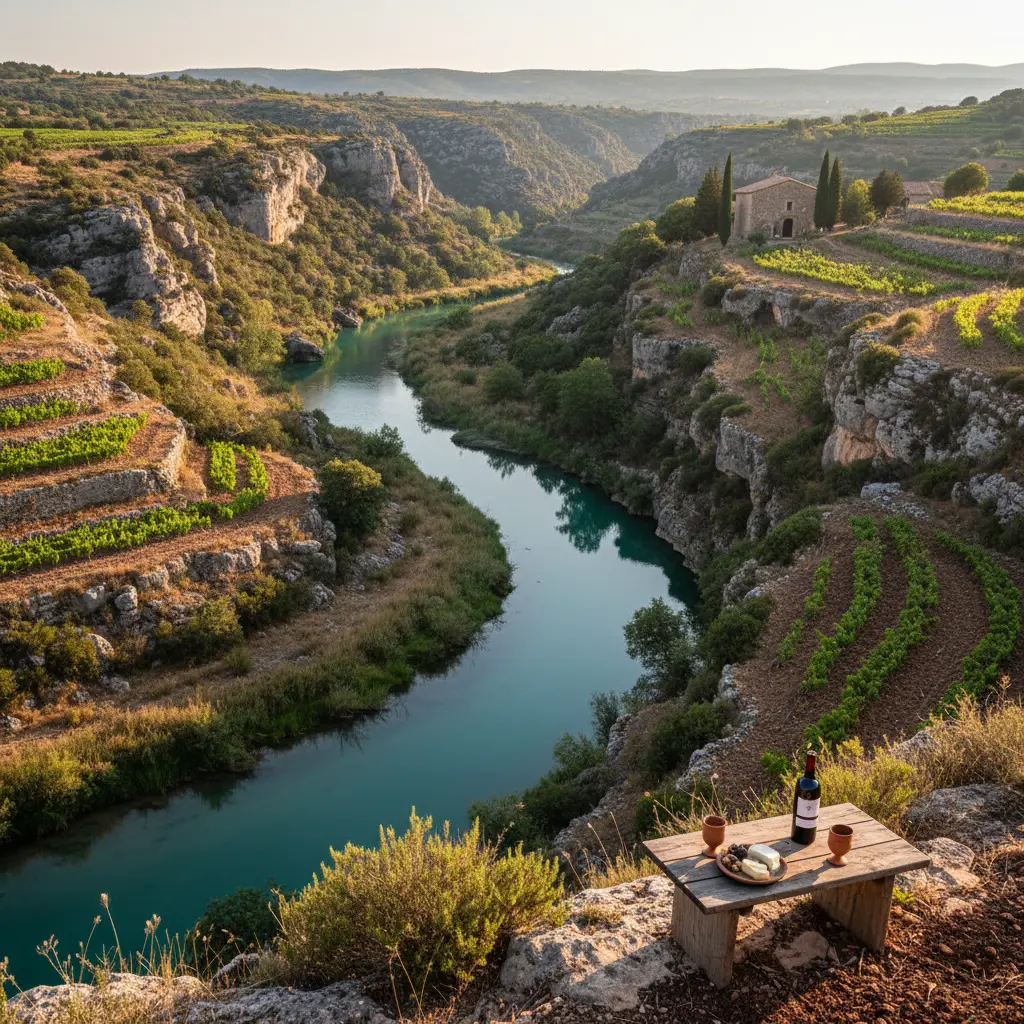
Pic Saint-Loup and Faugères are highly regarded for their terroir-driven wines, with Pic Saint-Loup known for its vibrant reds from limestone soils and Faugères for its schist-influenced reds, whites, and rosés. These areas emphasize quality over quantity, producing wines of great character that reflect their unique geological makeup and cooler evening temperatures.
Limoux: Languedoc's Sparkling Wine Pioneer
Limoux is particularly significant as the birthplace of sparkling wine, predating Champagne, and is celebrated for its Blanquette de Limoux and Crémant de Limoux. This appellation also produces excellent still white wines from Mauzac, Chardonnay, and Chenin Blanc, offering a cooler climate expression within the sun-drenched region.
Lesser-Known but Emerging Appellations
Emerging appellations like Terrasses du Larzac, Saint-Chinian, and Cabardès are gaining recognition for their distinctive wines, showcasing the region's vast potential beyond its established names. These areas often present exciting new expressions, driven by passionate producers exploring specific micro-terroirs and sustainable practices.
What are the Signature Wine Styles of Languedoc?
Languedoc produces a wide array of wine styles, including powerful red blends, crisp and aromatic white wines, refreshing rosés, and historic sparkling wines, alongside unique sweet wines. This versatility makes it a region worth exploring for any wine lover, offering options for every palate and occasion.
Robust Red Wines of the South
Languedoc's red wines are typically full-bodied, rich, and often spicy, characterized by blends of Carignan, Grenache, Syrah, and Mourvèdre, reflecting the region's sun-drenched climate. These wines offer excellent structure and aging potential, making them perfect for hearty meals like a rich beef stew. Learn more about such pairings in our guide to Best Wine for Beef Stew in 2026.
Crisp Whites and Aromatic Rosés
The white wines range from the zesty Picpoul de Pinet to richer, aromatic blends, while the rosés are typically dry, fruity, and refreshing, ideal for warm Mediterranean days. These styles showcase the region's ability to craft elegant and approachable wines, perfect for light appetizers or summer gatherings.
Sparkling and Sweet Wines: A Hidden Gem?
Beyond still wines, Languedoc excels in sparkling wines, particularly those from Limoux, and also produces a small but significant quantity of rich, sweet wines known as Vins Doux Naturels. These unique offerings highlight the region's historical depth and diverse capabilities, often presenting unexpected delights for curious palates.
The Tradition of Vins Doux Naturels
Vins Doux Naturels (VDN) are historically significant sweet fortified wines from Languedoc-Roussillon, made by stopping fermentation with alcohol to retain natural grape sugars. These wines, often crafted from Muscat or Grenache, can range from rich and opulent to lighter and aromatic, serving as a delightful aperitif or dessert wine.
"Languedoc is a dynamic region, constantly reinventing itself while honoring its profound winemaking roots. It offers an unparalleled combination of heritage, innovation, and value that rivals any other wine region globally."
How Do Languedoc Wines Pair with Food?
Languedoc wines are exceptionally food-friendly, with their diverse styles allowing for pairings across a broad spectrum of cuisines, from Mediterranean dishes to grilled meats and seafood. The regional cuisine itself often mirrors the robustness and freshness found in the wines, creating harmonious matches.
Pairing Red Languedoc Wines
Robust red Languedoc wines, with their savory and spicy notes, pair wonderfully with grilled lamb, rich stews, cassoulet, and strong cheeses. Their structure can stand up to flavorful, hearty dishes, making them an excellent choice for a steak dinner. Discover more expert tips on How to Choose Red Wine for Steak in 2026.
Pairing White and Rosé Languedoc Wines
Crisp white Languedoc wines like Picpoul de Pinet are ideal with oysters, shellfish, and light salads, while the region's rosés complement grilled fish, charcuterie, and Mediterranean vegetables. Their refreshing acidity and fruit notes make them versatile companions, even pairing surprisingly well with certain Best Wine Pairing for Sushi options.
Is Languedoc a Good Region for Wine Tourism?
Yes, Languedoc offers an excellent and often more affordable wine tourism experience compared to other major French regions, with numerous wineries, charming villages, and stunning landscapes to explore. The region combines historical sites with modern vineyards, providing a rich cultural and culinary adventure.
Planning a Winery Visit in Languedoc
Planning a winery visit in Languedoc typically involves researching specific appellations or producers, booking tasting appointments, and considering local accommodation options. Many wineries offer tours and direct sales, providing an intimate experience of the winemaking process.
- Choose Your Appellation: Decide which specific Languedoc appellations (e.g., Corbières, Pic Saint-Loup, Limoux) you wish to explore based on wine styles you prefer.
- Research Wineries: Look up individual wineries (domaines or châteaux) within your chosen areas, checking their websites for visitor information and available tastings.
- Book Appointments: It's highly recommended to book tastings or tours in advance, especially during peak season, to ensure availability and a personalized experience.
- Arrange Transport: Consider hiring a designated driver, using local taxis, or planning public transport routes if you intend to sample wines responsibly.
- Explore Local Cuisine: Integrate your wine visits with meals at local restaurants to experience traditional Languedoc food pairings, enhancing your overall journey.
Exploring Beyond the Vineyards
Beyond the vineyards, Languedoc boasts a rich cultural heritage, including historic cities like Carcassonne, Roman ruins at Pont du Gard, and the beautiful Mediterranean coastline, offering a complete travel experience. Visitors can enjoy a blend of wine, history, and natural beauty, making for a memorable trip that stands out even compared to a Brazil Wine Guide.
What are the Unique Selling Points of Languedoc Wines?
Languedoc wines stand out due to their exceptional value for money, incredible stylistic diversity, ancient winemaking history, and commitment to sustainable viticulture. The region offers quality and character often found at higher price points elsewhere, making it a truly compelling proposition for wine lovers.
Value and Quality
Languedoc is widely recognized for offering outstanding value, consistently producing high-quality wines that often retail for significantly less than comparable wines from more famous French regions. This makes it an attractive choice for savvy consumers seeking premium experiences without the premium price tag, contributing to memorable wine and dining experiences.
Innovation and Sustainability
Many Languedoc producers are at the forefront of innovation, experimenting with new techniques and grape varieties, while also increasingly committing to organic and biodynamic farming practices. This forward-thinking approach ensures a sustainable future for the region's wine, preserving its unique terroir for generations to come.
How is Languedoc's Wine Future Shaping Up for 2026?
Languedoc's wine future in 2026 is robust, marked by continued innovation, a growing focus on premium wines, and an increasing global recognition of its diverse offerings and commitment to sustainability. The region is poised for further growth and acclaim as consumers discover its quality and unique character.
Trends in Languedoc Winemaking
Current trends in Languedoc winemaking include a move towards single-varietal expressions, lighter-bodied reds, and an emphasis on specific terroir characteristics, alongside continued investment in modern winemaking technology. These trends reflect evolving consumer preferences and a desire to highlight regional nuances, distinguishing it even from a renowned area like Bourgogne.
Global Market Presence
Languedoc wines are gaining significant traction in international markets, appreciated for their accessibility, quality, and versatility, solidifying the region's position as a key player in the global wine industry. Their diverse portfolio appeals to a broad range of palates, from casual drinkers to connoisseurs seeking new discoveries.