Langhe is a premier Italian wine region in Piedmont, renowned globally for its exceptional Nebbiolo-based wines, notably Barolo and Barbaresco. This area offers a unique blend of historic winemaking, breathtaking vineyard landscapes, and a rich culinary tradition centered around truffles and regional specialties, making it a must-visit destination for wine lovers.
What is the Langhe Wine Region?
The Langhe is a historical region of Piedmont in northern Italy, characterized by rolling hills, ancient villages, and vineyards that produce some of the world's most acclaimed wines. It is a UNESCO World Heritage site, celebrated for its cultural landscape shaped by centuries of viticulture.
Where is Langhe Located?
Langhe is situated in the southern part of Piedmont, specifically within the provinces of Cuneo and Asti, roughly an hour southeast of Turin. Its core winemaking zones, including Barolo and Barbaresco, are nestled among the hills south of the Tanaro River.
Key Characteristics of Langhe's Terroir
Langhe's terroir is defined by its complex geology, varied elevations, and a climate influenced by both Alpine and Mediterranean factors. The specific combination of calcareous-marl soils, south-facing slopes, and significant diurnal temperature shifts contributes to the distinctive character and longevity of its wines.
What are the Primary Grape Varieties of Langhe?
Nebbiolo is the undisputed king of grapes in Langhe, responsible for the region's most famous and prestigious wines, Barolo and Barbaresco. However, Langhe also thrives with other indigenous varieties that produce exceptional everyday wines and noteworthy whites.
Nebbiolo: The King of Grapes
Nebbiolo is a highly particular red grape variety, demanding specific soil and climatic conditions to flourish, making Langhe its spiritual home. Wines made from Nebbiolo are known for their profound structure, high tannins and acidity, aromatic complexity of tar, roses, and cherry, and incredible aging potential.
Barbera and Dolcetto: The Everyday Wines
Barbera and Dolcetto are two red grape varieties that provide accessible, fruit-forward wines for earlier consumption, complementing Nebbiolo's intensity. Barbera d'Alba offers bright cherry fruit and vibrant acidity, while Dolcetto d'Alba presents softer tannins and notes of almond and dark berries, perfect for casual dining.
White Grapes of Langhe: Arneis and Nascetta
While predominantly a red wine region, Langhe produces distinctive white wines from grapes like Arneis and the rare Nascetta. Roero Arneis, from the neighboring Roero hills, is aromatic and crisp, while Nascetta, primarily from Novello, offers a more complex, mineral, and textured profile.
What Defines Barolo: King of Wines, Wine of Kings?
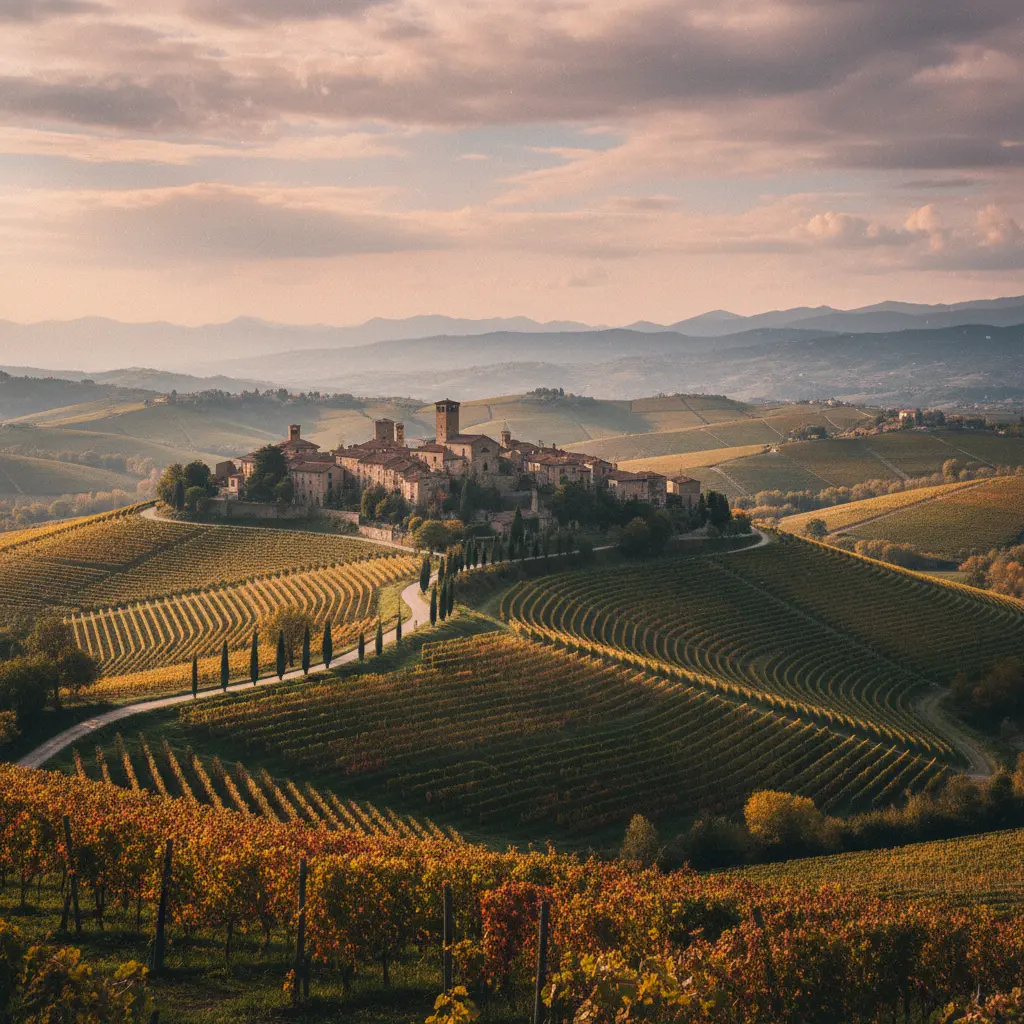
Barolo is a powerful and complex red wine made exclusively from Nebbiolo grapes, renowned for its formidable structure, deep aromatics, and exceptional ability to age for decades. Often referred to as the 'King of Wines and Wine of Kings,' it is considered one of Italy's greatest wines.
The Five Communes of Barolo
The distinct styles of Barolo are often associated with the specific communes where the grapes are grown, each imparting unique characteristics. These primary communes include Barolo, La Morra, Castiglione Falletto, Serralunga d'Alba, and Monforte d'Alba, offering a spectrum from aromatic and elegant to robust and structured.
Barolo's Aging Requirements and Style
Barolo requires a minimum of three years of aging before release, with at least 18 months spent in oak barrels, extending to five years for 'Riserva' designations. This extended aging period softens its formidable tannins and allows its complex secondary and tertiary aromas to develop, offering notes of dried roses, tar, leather, and truffle.
What Makes Barbaresco Nebbiolo's Elegant Counterpart?
Barbaresco is another magnificent Nebbiolo-based wine from Langhe, often described as Barolo's more elegant and approachable sibling. It shares many characteristics with Barolo but typically offers a slightly softer tannin structure and more immediate drinkability due to subtle differences in terroir and aging requirements.
Barbaresco's Defining Communes
The production zone for Barbaresco is concentrated in three main communes: Barbaresco, Neive, and Treiso, along with a small portion of Alba. The soils here are generally a bit richer and the climate slightly milder than Barolo, contributing to its signature refinement.
Comparing Barolo and Barbaresco
While both are made from 100% Nebbiolo, Barolo is generally more tannic and requires longer aging, while Barbaresco is often perceived as more elegant and ready to drink sooner. The table below highlights key differences:
| Feature | Barolo | Barbaresco |
|---|---|---|
| Primary Grape | Nebbiolo | Nebbiolo |
| Aging Requirement | Min. 3 years (18 months in oak) | Min. 2 years (9 months in oak) |
| Riserva Aging | Min. 5 years (18 months in oak) | Min. 4 years (9 months in oak) |
| Typical Style | More structured, tannic, powerful, long-lived | Softer, more approachable, elegant, earlier-drinking |
| Key Communes | La Morra, Barolo, Castiglione Falletto, Serralunga d'Alba, Monforte d'Alba | Barbaresco, Neive, Treiso |
What Other Wines Does Langhe Produce?
Beyond its iconic Barolo and Barbaresco, Langhe offers a diverse portfolio of wines, including those from the adjacent Roero region and various expressions of Barbera and Dolcetto. These provide a broader taste of Piedmontese winemaking excellence.
Roero Wines: A Distinct Neighbor
The Roero region, located just north of the Tanaro River from Langhe, is known for its elegant Nebbiolo-based reds and crisp, aromatic Arneis whites. Roero Nebbiolo DOCG offers a different expression of the grape, often softer and fruitier than its Langhe counterparts, while Roero Arneis DOCG is a celebrated white wine with notes of pear, almond, and white flowers.
Dolcetto d'Alba and Barbera d'Alba
Dolcetto d'Alba and Barbera d'Alba are vital to the everyday wine culture of Langhe, offering delicious and food-friendly options that are ready to enjoy sooner. These wines showcase the versatility of the region's terroir beyond the prestige of Nebbiolo, providing excellent value and immediate gratification.
How Does Langhe's Climate and Soil Influence its Wines?
Langhe's exceptional wine quality is inextricably linked to its unique climate and ancient geological formations, which create distinct conditions for vine growth. The interaction of these natural factors profoundly impacts the grapes' development and the resulting wine's character.
Microclimates and Elevation
The rolling hills of Langhe create numerous microclimates, with vineyards often planted on steep, south-facing slopes at varying elevations that maximize sun exposure. This exposure, combined with cooling breezes from the Alps and temperature variations between day and night, allows Nebbiolo to ripen slowly and fully, developing its complex aromatics and structure.
Marls and Sandstones
Langhe's soils are primarily composed of calcareous marls and sandstones, remnants of ancient seabeds, which vary significantly across sub-regions. These soils are generally poor in nutrients but rich in minerals, forcing the vines to struggle and develop deep root systems, resulting in concentrated, mineral-driven wines.
What are the Best Food Pairings for Langhe Wines?
Langhe wines, particularly the structured reds, are exceptionally food-friendly, making them ideal companions for the rich and flavorful Piedmontese cuisine. The region's culinary traditions have evolved alongside its wines, creating harmonious pairings.
Pairing Barolo and Barbaresco
Barolo and Barbaresco demand hearty, rich dishes that can stand up to their intensity, tannins, and acidity. Classic pairings include braised beef (such as Brasato al Barolo), truffle dishes (especially white truffles from Alba), rich pasta with meat sauces, and aged cheeses. For more general guidance, consult our Best Wine Pairing Guide 2026, but for specific robust meals, consider a rich red wine for beef stew.
Versatility of Barbera and Dolcetto
Barbera and Dolcetto are much more versatile, pairing well with a broader range of foods due to their softer tannins and vibrant fruit. Barbera d'Alba excels with pasta, pizza, charcuterie, and grilled vegetables, while Dolcetto d'Alba is a great match for antipasti, mushroom dishes, and lighter meat preparations. For excellent starter ideas, explore our guide on Best Starters for Wine.
"The wines of Langhe tell a story of millennia, of a grape that refuses to grow anywhere else with such grace, and of people who have mastered its enigmatic spirit. Each bottle is a journey through time and terroir."
How Can You Plan Your Visit to the Langhe Wine Region?
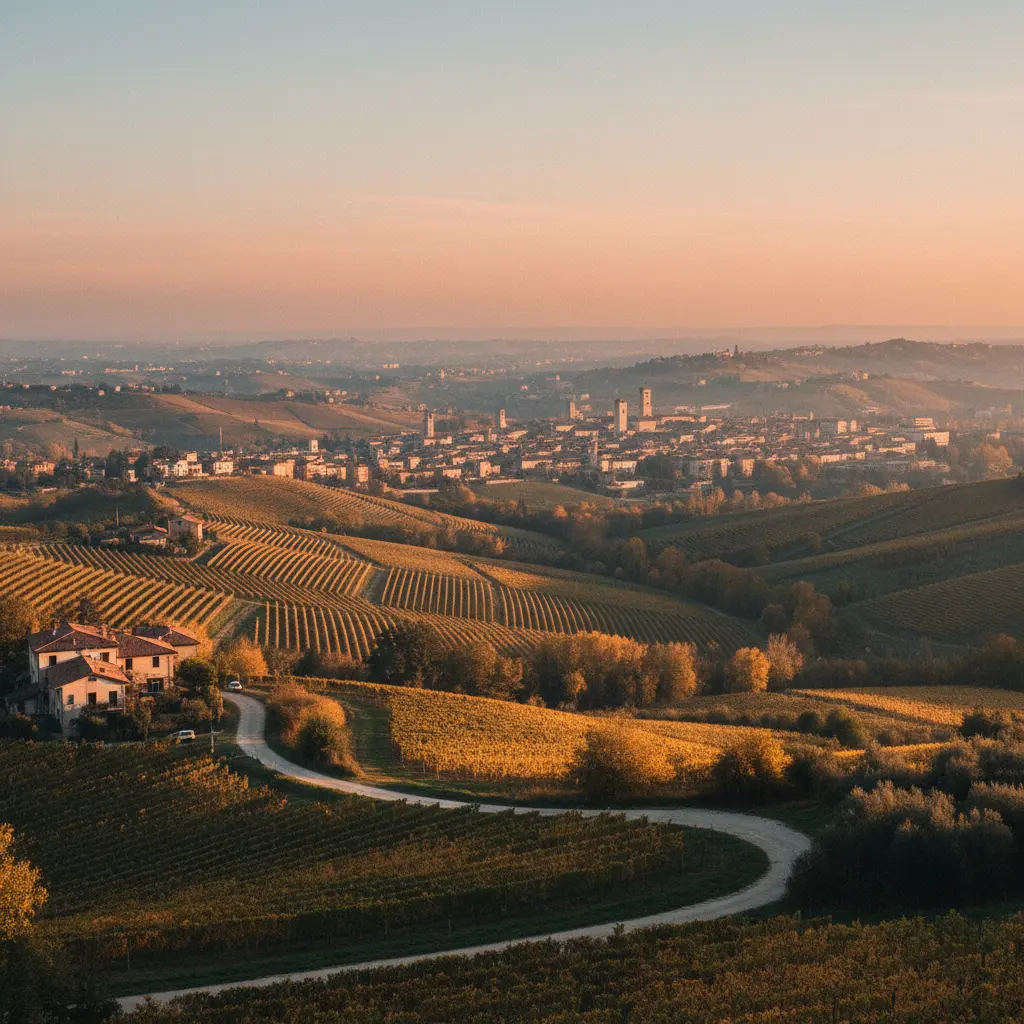
Visiting Langhe offers an immersive experience into Italian wine culture, blending world-class wine tasting with stunning scenery and exquisite gastronomy. Careful planning ensures you make the most of this enchanting region.
- Choose your season: Spring (April-May) and Autumn (September-October) are ideal for comfortable weather and seasonal culinary delights like white truffles. Summer can be warm, but offers vibrant festivals.
- Book accommodation in advance: Secure your stay in charming towns like Alba, Barolo, La Morra, or Barbaresco. Options range from luxurious hotels to authentic agriturismo estates.
- Arrange winery visits: Most wineries in Langhe require appointments, especially for smaller, family-run estates. Consider booking tastings and tours well ahead of your trip.
- Plan your culinary journey: Reserve tables at traditional trattorias and Michelin-starred restaurants to savor local specialties. Don't miss truffle hunting experiences in autumn.
- Consider a local guide or driver: Hiring a local expert can enhance your experience, providing in-depth insights and safe navigation through the winding vineyard roads. This also allows you to fully enjoy all tastings. Planning a visit to diverse wine regions, from Bourgogne, France to Langhe, enriches any wine lover's journey.
Essential Towns to Explore
Alba serves as the unofficial capital of Langhe, offering a bustling market, historic center, and excellent dining. Other must-visit towns include Barolo and Barbaresco for their namesake wines, La Morra for its panoramic views, and Serralunga d'Alba for its imposing castle.
When is the Best Time to Visit?
The best time to visit Langhe for wine enthusiasts is during the spring (April-May) for blooming vineyards and milder weather, or autumn (September-October) for harvest season and the renowned Alba White Truffle Fair. Each season offers unique charm and experiences.
How to Select and Store Langhe Wines?
Selecting and properly storing Langhe wines, especially Barolo and Barbaresco, is crucial to fully appreciate their quality and potential. Understanding vintage characteristics and ideal cellaring conditions will ensure a rewarding experience.
Vintage Considerations
Vintage plays a significant role in the quality and longevity of Langhe wines, with some years yielding more exceptional and age-worthy bottles. Researching vintage reports for Barolo and Barbaresco is recommended when making purchasing decisions, as a strong vintage can significantly enhance the wine's character over time.
Cellaring Potential
Many Langhe wines, particularly Barolo and Barbaresco, possess tremendous cellaring potential, often improving for 10-30 years or more in proper conditions. Store these wines in a cool, dark, and humid environment with consistent temperature to allow their complex flavors and textures to evolve gracefully, much like understanding what it means to be Aged Like a Fine Wine.
What is the Future of Langhe Wines in 2026 and Beyond?
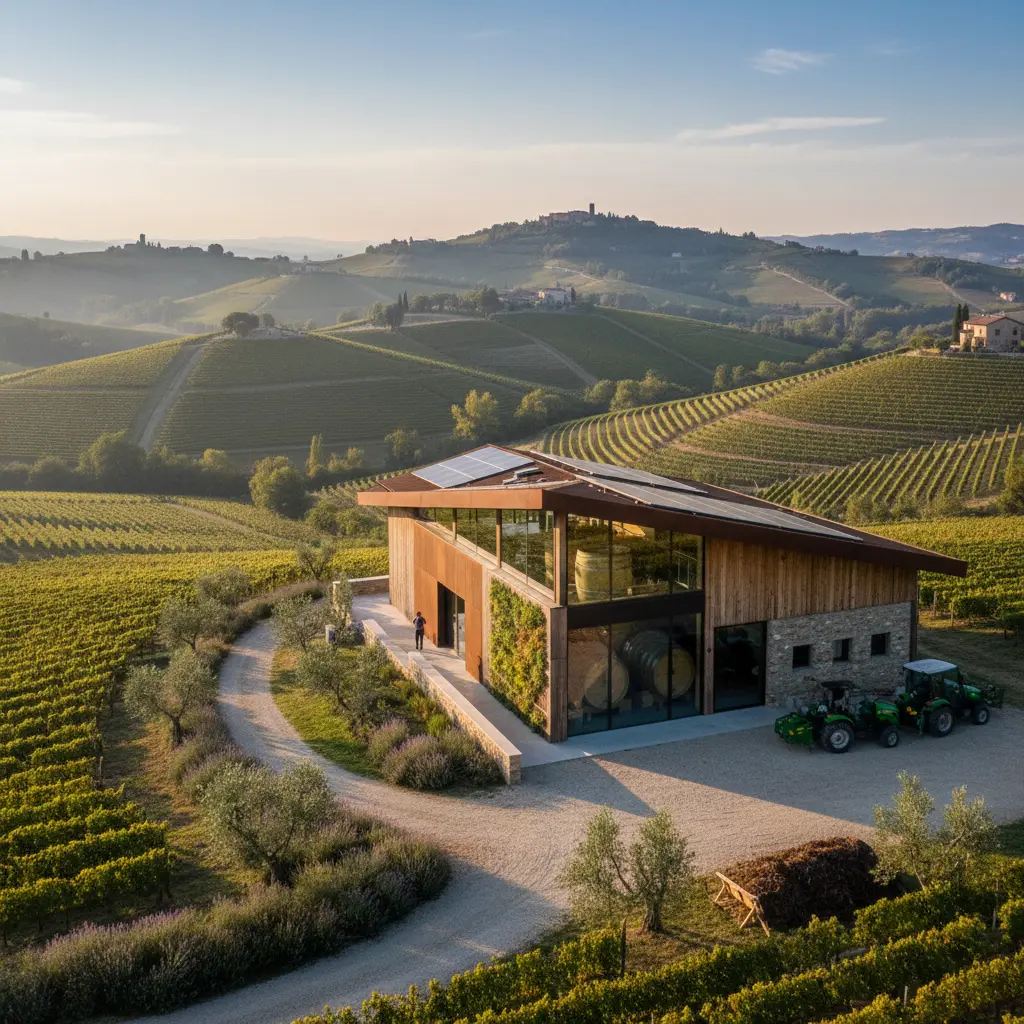
The Langhe wine region is actively embracing sustainability and innovation, ensuring its legacy of world-class winemaking continues to thrive into 2026 and far beyond. Producers are increasingly focused on environmental stewardship and adapting to evolving consumer preferences.
Sustainable Practices
Many Langhe wineries are adopting sustainable and organic viticulture practices to preserve the unique terroir for future generations. These efforts include reducing chemical use, promoting biodiversity, and implementing water-saving techniques, reflecting a deep respect for the land.
Emerging Producers and Trends
Alongside historic estates, a new generation of winemakers is bringing fresh perspectives to Langhe, experimenting with different winemaking techniques and exploring lesser-known vineyards. This dynamism, combined with a focus on expressing individual vineyard characteristics, points to an exciting and diverse future for Langhe wines.