The Champagne region of France is world-renowned as the exclusive home of the celebratory sparkling wine bearing its name. This guide delves into its unique characteristics, production methods, and how to best experience its offerings in 2026.
What Defines the Champagne Wine Region?
The Champagne wine region is a legally defined area in northeastern France, globally recognized for producing the eponymous sparkling wine exclusively. Its identity is deeply intertwined with its specific geography, climate, and the rigorous rules governing its production.
Geographic Boundaries and Terroir
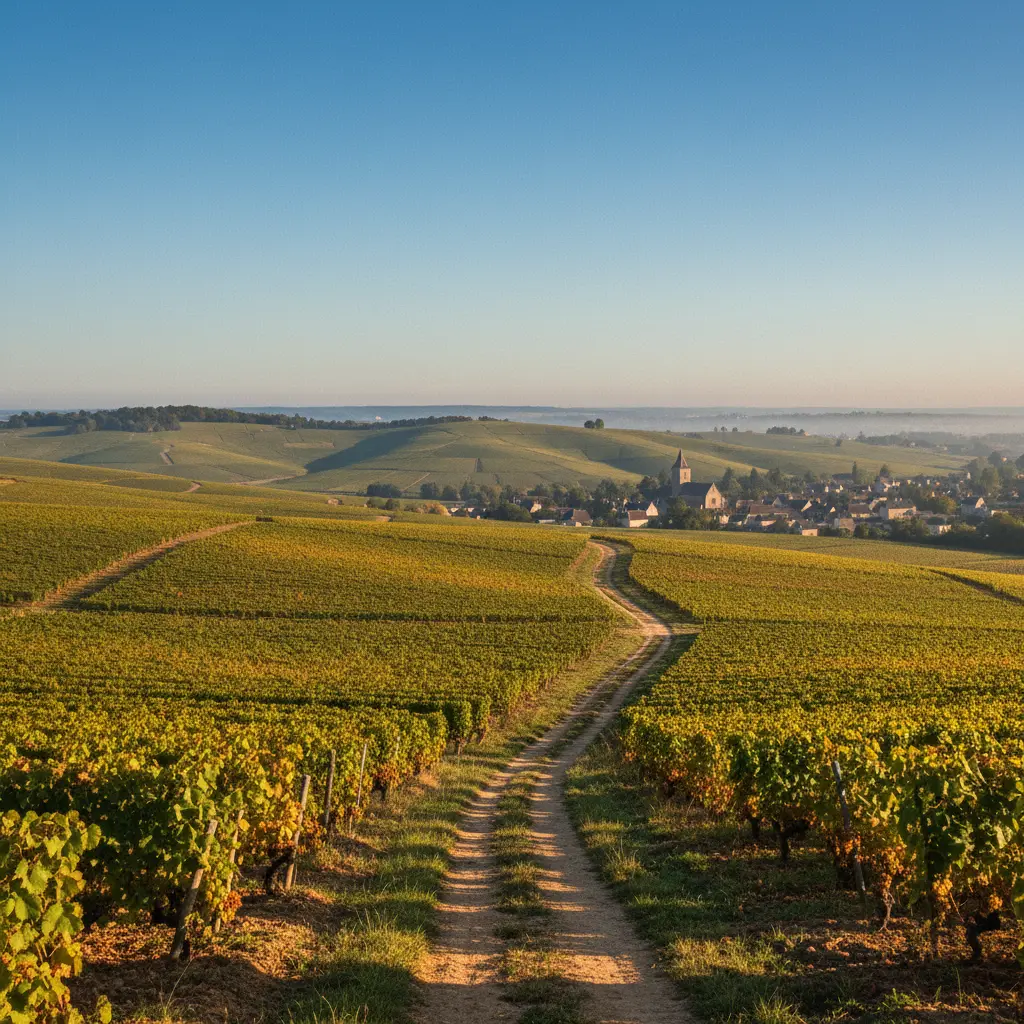
The region's unique terroir, characterized by chalky soils, a cool continental climate, and specific vineyard orientations, is crucial to Champagne's distinct character. These elements create the ideal conditions for growing grapes with high acidity and delicate aromatics, essential for sparkling wine production.
A UNESCO World Heritage Site
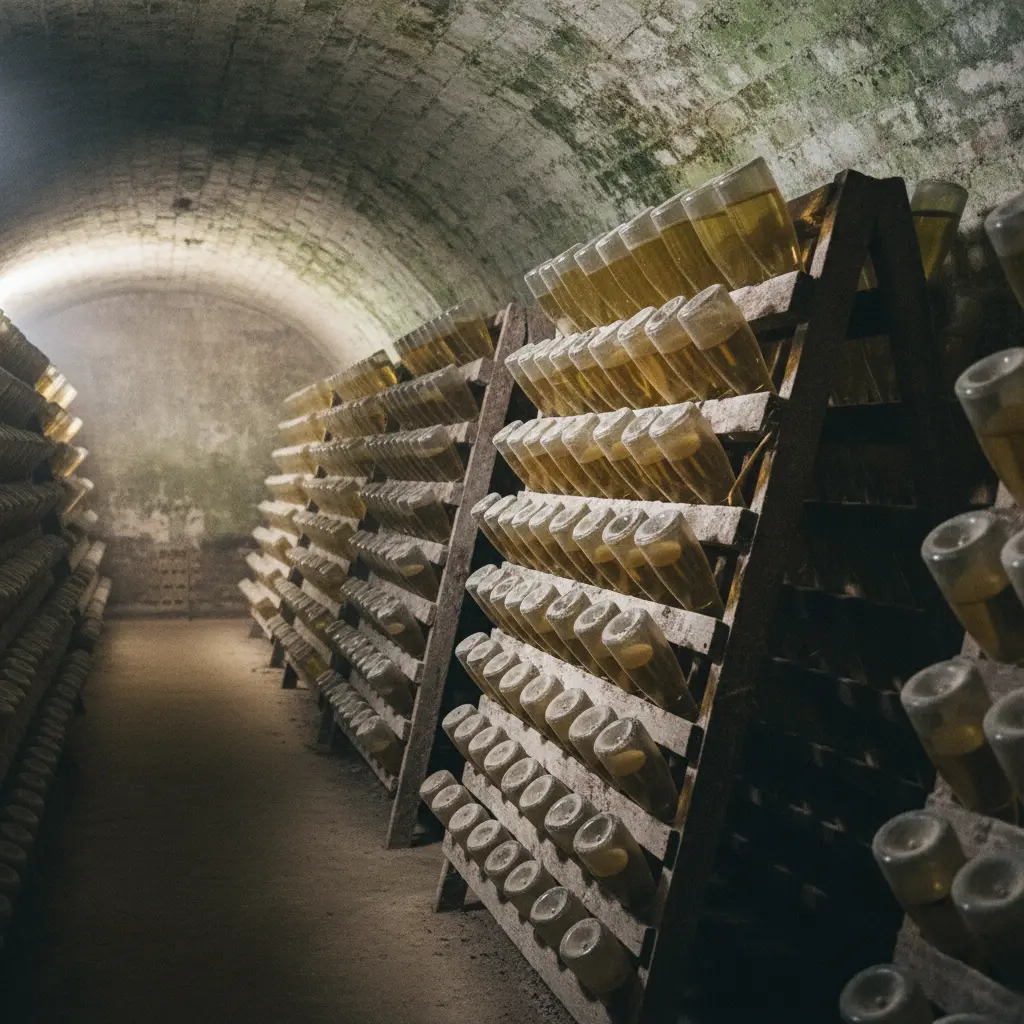
The "Hillsides, Houses and Cellars of Champagne" received UNESCO World Heritage status in 2015, acknowledging its cultural landscape and unique wine production heritage. This designation highlights the historical significance of its vineyards, villages, and underground chalk cellars, or crayères.
Which Grape Varieties Are Permitted in Champagne?
The primary grape varieties used in Champagne production are Pinot Noir, Chardonnay, and Pinot Meunier, forming the backbone of most blends. While these three dominate, a few other ancient varieties are also permitted.
Pinot Noir: Structure and Red Fruit
Pinot Noir, a black grape, contributes structure, body, and red fruit notes like cherry and raspberry to Champagne, especially prominent in the Montagne de Reims and Aube sub-regions. It is also vital for producing Blanc de Noirs.
Chardonnay: Elegance and Finesse
Chardonnay, a white grape, provides elegance, freshness, citrus notes, and longevity, thriving particularly in the chalk-rich soils of the Côte des Blancs. It is the sole grape used in Blanc de Blancs Champagne.
Pinot Meunier: Fruitiness and Softness
Pinot Meunier, another black grape, offers fruitiness, roundness, and suppleness, excelling in the Vallée de la Marne and ensuring approachability in younger Champagnes. It helps create balanced, harmonious blends.
The Forgotten Four: Arbane, Petit Meslier, Pinot Blanc, and Pinot Gris
While rare, four other grape varieties-Arbane, Petit Meslier, Pinot Blanc, and Pinot Gris-are also permitted, though they account for a tiny percentage of plantings. These ancient varietals add complexity and a unique historical touch to some niche Champagnes.
How is Champagne Produced Using the Méthode Champenoise?
Champagne is produced exclusively using the traditional method, known as the Méthode Champenoise (or Méthode Traditionnelle), which involves a crucial second fermentation in the bottle. This intricate process is key to its distinctive effervescence and complex flavors.
The Step-by-Step Process of Crafting Bubbly
- Harvesting and Pressing: Grapes are carefully hand-picked to preserve their integrity and gently pressed to extract the purest juice, known as the "cuvée."
- First Fermentation: The grape juice is fermented in tanks or barrels into still base wines, which are typically dry and high in acidity.
- Blending (Assemblage): Expert winemakers blend base wines from different grapes, vineyards (crus), and often different vintages to achieve the desired house style.
- Second Fermentation (Prise de Mousse): A 'liqueur de tirage' (a mixture of sugar, yeast, and still wine) is added to the blended wine, which is then bottled and sealed for its secondary fermentation.
- Aging on Lees: Bottles are aged horizontally in cool, dark cellars, allowing yeast cells to autolyze and impart complex flavors like brioche, toast, and nuttiness.
- Riddling (Remuage): Bottles are gradually rotated and tilted over several weeks to collect the yeast sediment in the neck, preparing it for removal.
- Disgorgement (Dégorgement): The bottle neck is frozen, and the sediment plug is expelled under pressure, leaving the wine clear.
- Dosage: A 'liqueur d'expédition' (a precise solution of wine and sugar) is added to top up the bottle and determine the wine's final sweetness level.
- Corking and Caging: The bottle is then sealed with a mushroom cork and secured with a wire cage.
What Are the Different Styles and Sweetness Levels of Champagne?
Champagne comes in various styles, distinguished by grape composition, aging, and sugar content, offering options for every palate and occasion. Understanding these distinctions helps in selecting the perfect bottle.
Non-Vintage (NV) Champagne
Non-Vintage Champagne is a blend of wines from multiple harvests, designed to consistently represent the house style year after year. It accounts for the majority of Champagne production and offers reliability and freshness.
Vintage Champagne
Vintage Champagne is made exclusively from grapes harvested in a single, exceptional year and must be aged for a minimum of three years on its lees before release. These wines reflect the unique characteristics of that particular harvest.
Blanc de Blancs and Blanc de Noirs
Blanc de Blancs ("white from whites") is 100% Chardonnay, characterized by its elegance, freshness, and minerality, while Blanc de Noirs ("white from blacks") is made exclusively from Pinot Noir and/or Pinot Meunier, offering richer body and red fruit notes.
Rosé Champagne
Rosé Champagne is produced either by blending a small amount of red still wine with white still wine before secondary fermentation or by briefly allowing the clear grape juice to macerate on its skins. This gives it its characteristic pink hue and often adds berry notes.
Understanding Sweetness Levels (Dosage)
Champagne's sweetness is determined by the "dosage" added after disgorgement, ranging from bone-dry Brut Nature to sweet Doux, catering to diverse preferences.
| Label Term | Sugar Content (g/L) | Description |
|---|---|---|
| Brut Nature (Zero Dosage) | 0-3 | Extremely dry, with virtually no added sugar. |
| Extra Brut | 0-6 | Very dry, crisp, and refreshing. |
| Brut | <12 | The most common style, dry, with a hint of residual sugar. |
| Extra Dry (Extra Sec) | 12-17 | Slightly sweet, despite its name, often perceived as off-dry. |
| Sec | 17-32 | Noticeably sweet, suitable for lighter desserts. |
| Demi-Sec | 32-50 | Sweet, frequently paired with desserts like fruit tarts. |
| Doux | >50 | Very sweet, a true dessert wine. |
Who are the Major Producers and What is a Grower Champagne?
The Champagne region is home to both large, historic Champagne houses (Maisons) and smaller, family-owned grower producers, each offering distinct styles and philosophies.
The Grand Maisons: Global Icons
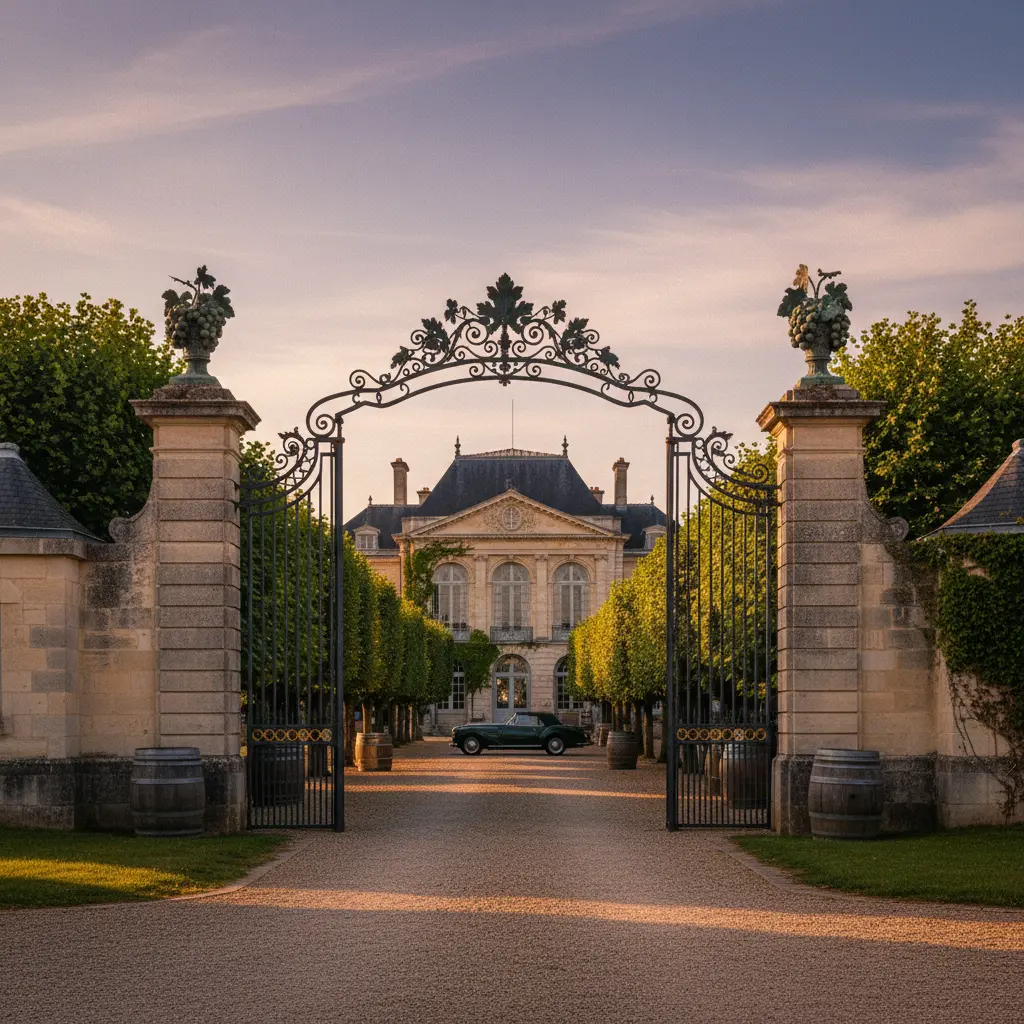
Grand Maisons, such as Veuve Clicquot, Moët & Chandon, and Ruinart, purchase grapes from numerous vineyards across the region and produce large volumes, aiming for a consistent global brand style. These houses are known for their extensive cellars and meticulous blending expertise.
Grower Champagnes (Récoltant-Manipulant - RM)
Grower Champagnes are produced by vignerons who grow their own grapes and make wine exclusively from their estate vineyards, offering a more direct expression of terroir. These producers often emphasize single-vineyard bottlings and unique vintage expressions, sometimes focusing on wines that age like a fine wine.
Where are the Key Sub-Regions of Champagne Located?
The Champagne region is broadly divided into five main sub-regions, each contributing unique characteristics to the final wine due to variations in soil, climate, and dominant grape varieties.
Montagne de Reims: Pinot Noir Power
Montagne de Reims, dominated by Pinot Noir plantings, yields Champagnes with power, structure, and notes of red berries, often suited for longer aging. Many Grand Cru villages are found here.
Vallée de la Marne: Pinot Meunier's Domain
Vallée de la Marne is characterized by its significant plantings of Pinot Meunier, producing fruity, soft, and approachable Champagnes that are often enjoyed younger. Its vineyards primarily line the Marne River.
Côte des Blancs: Chardonnay's Elegance
Côte des Blancs is renowned for its chalky soils and Chardonnay vineyards, resulting in elegant, mineral-driven Blanc de Blancs Champagnes with vibrant acidity and aging potential.
Côte des Bar (Aube): Southern Influence
Côte des Bar, located further south, has a warmer climate and distinct Kimmeridgian clay soils, leading to riper, richer Pinot Noir-dominated wines with a different aromatic profile.
How Do You Best Pair Champagne with Food?
Champagne's high acidity, fine bubbles, and diverse styles make it an exceptionally versatile partner for a wide array of dishes, from light appetizers to substantial mains.
Classic and Unexpected Pairings
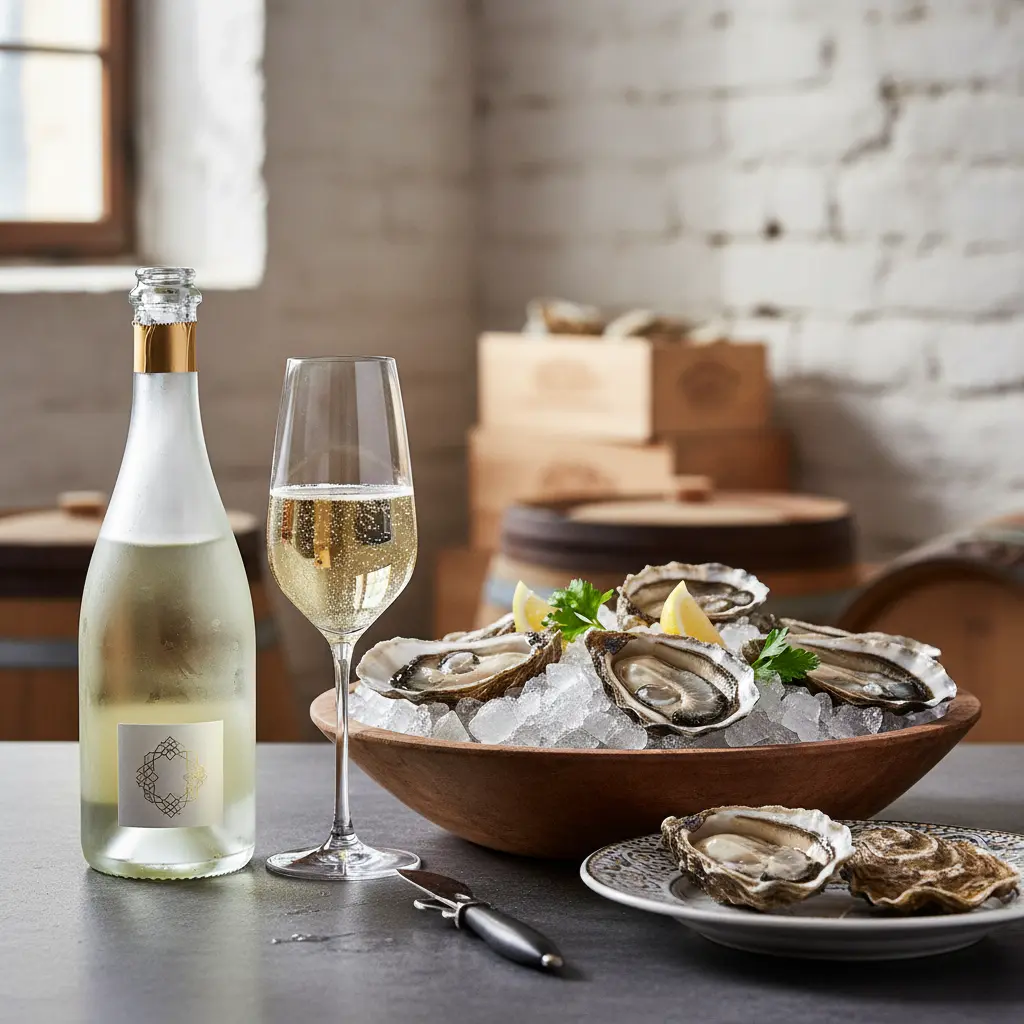
Classic pairings include oysters, caviar, and smoked salmon, but Champagne also shines with unexpected foods like fried chicken, potato chips, and aged hard cheeses due to its cleansing acidity. For more specific ideas, explore our guide to Best Champagne Snacks for 2026.
Pairing by Sweetness Level
Brut Champagne pairs wonderfully with savory dishes, while Demi-Sec or Doux are ideal complements for desserts like fruit tarts and pastries, where their sweetness can harmonize with the food. Learn more about optimal food and wine combinations in our Best Wine Pairing Guide 2026.
Planning a Visit to the Champagne Region in 2026?
Visiting Champagne offers an immersive experience into the world of France's most celebrated sparkling wine, with rich history, stunning landscapes, and opportunities for unforgettable tastings.
Best Time to Visit and Key Towns
The best time to visit is typically from May to September, with key towns like Reims (famous for its cathedral and large houses) and Epernay (home to the iconic Avenue de Champagne) serving as excellent bases for exploration. Harvest season in late August/early September is also vibrant.
Winery Tours and Tasting Experiences
Many Grand Maisons offer guided tours of their extensive underground cellars and tasting experiences, while smaller growers provide more intimate encounters. Advance booking for tours is highly recommended, especially during peak season. For tips on serving your Champagne once you're back home, consult our guide on How to Master Wine Service in 2026.
Accommodation and Dining Recommendations
The region offers a range of accommodations, from luxurious hotels in Reims and Epernay to charming guesthouses in vineyard villages. Dining ranges from Michelin-starred restaurants to traditional bistros serving local specialties. To enhance your overall dining experience, read about How to Create Memorable Wine & Dine Experiences in 2026.
What Makes Champagne So Special and Internationally Protected?
Champagne's unparalleled prestige and protected status stem from its unique terroir, rigorous production method, and deep-rooted cultural heritage, setting it apart from all other sparkling wines.
The Power of Appellation d'Origine Contrôlée (AOC)
The term "Champagne" is strictly protected by the Appellation d'Origine Contrôlée (AOC) system, meaning only sparkling wine produced within the designated region of Champagne, France, and adhering to strict rules can bear the name. This legal framework safeguards its authenticity and quality.
Global Recognition and Demand
This protection ensures quality and authenticity, fueling global demand and cementing Champagne's status as the benchmark for luxury sparkling wine worldwide. Serving it in the Best Wine Glasses for 2026 further enhances the experience of this exceptional beverage.
"Champagne is the only wine that leaves a woman beautiful after drinking it." - Madame de Pompadour