The Central Coast of California stands as a dynamic and diverse wine region, renowned for its exceptional cool-climate varietals and innovative winemaking. Stretching from Santa Barbara County north to Monterey Bay, this expansive area offers a unique tapestry of microclimates perfect for producing world-class Pinot Noir, Chardonnay, Syrah, and Cabernet Sauvignon.
What Defines the Central Coast Wine Region?
The Central Coast is defined by its vast geographic span and a spectrum of microclimates influenced heavily by the Pacific Ocean. This extensive region encompasses a diverse array of American Viticultural Areas (AVAs), each contributing distinct characteristics to the wines produced.
Geographic Extent and Climate
The Central Coast AVA stretches approximately 250 miles along the California coastline, from Ventura County in the south to just south of San Francisco. Its climate is largely Mediterranean, moderated by cool ocean breezes and fog that penetrate inland through transverse valleys, leading to significant diurnal temperature shifts. This cooling influence is crucial for retaining acidity and developing complex flavors in grapes.
Key AVA's (American Viticultural Areas)
The Central Coast is a large umbrella AVA that contains numerous smaller, distinct AVAs, each with unique terroir. Notable sub-regions include Paso Robles, Santa Barbara County (with AVAs like Sta. Rita Hills and Santa Maria Valley), and Monterey County (home to Santa Lucia Highlands and Arroyo Seco), among many others.
Influence of Transverse Ranges
The transverse mountain ranges, which run east-west instead of north-south, are a defining geological feature of the Central Coast, particularly in Santa Barbara County. These unique formations funnel cool, marine air deep into inland valleys, creating diverse mesoclimates essential for cultivating a wide range of grape varietals.
“The Central Coast has truly come into its own, showcasing the incredible potential of California's diverse terroirs and the passion of its winemakers.”
Which Grape Varietals Thrive on the Central Coast?
The Central Coast excels in producing a wide range of grape varietals, with Pinot Noir and Chardonnay being particularly prominent due to the region's cool-climate pockets. However, its diverse microclimates also support robust Syrahs, elegant Cabernet Sauvignons, and distinctive Zinfandels.
Pinot Noir and Chardonnay Dominance
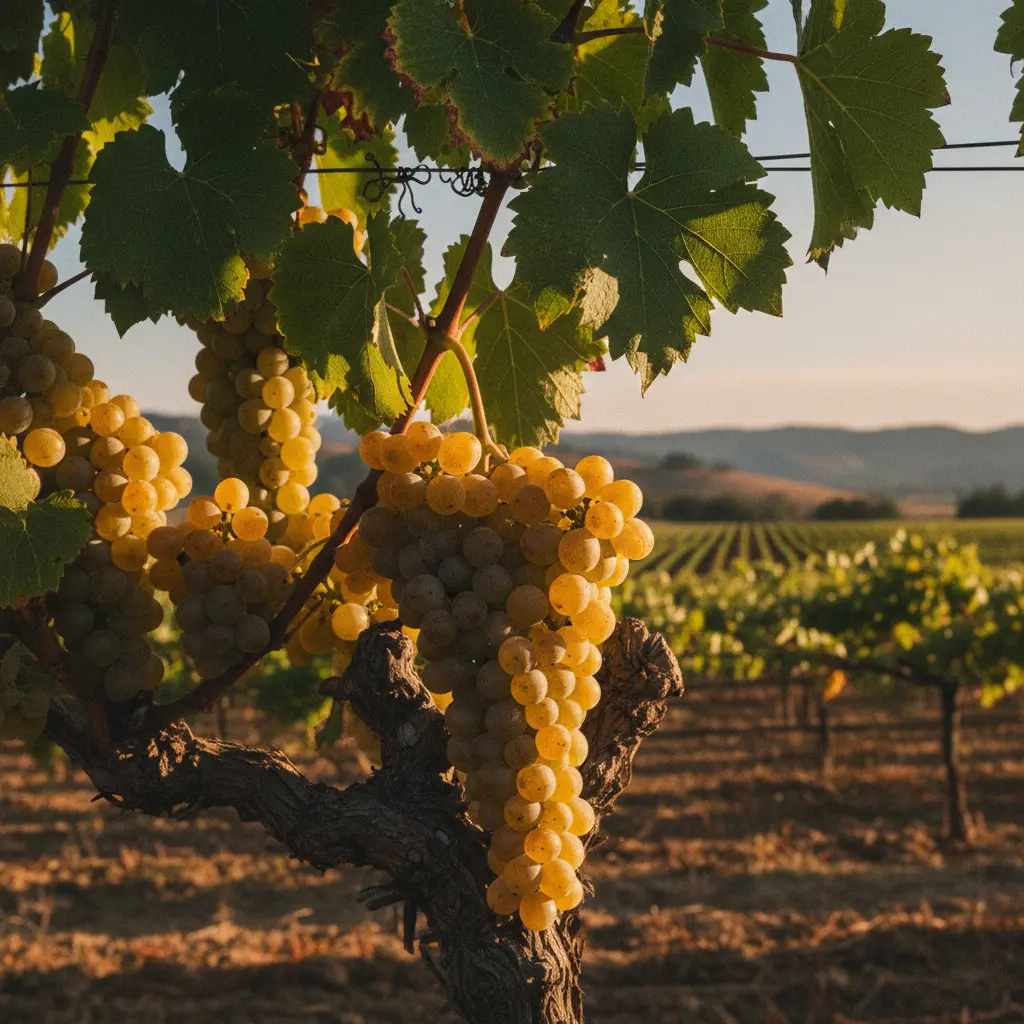
Pinot Noir and Chardonnay flourish in the cooler, fog-kissed valleys and hillsides closer to the ocean, particularly in Santa Barbara and Monterey counties. These conditions allow for slow ripening, resulting in wines with vibrant acidity, complex fruit, and nuanced earthy or mineral notes. Many acclaimed examples rival those from Bourgogne, France.
Rhône Varietals and Bordeaux Blends
Warmer inland areas, especially in Paso Robles, are ideal for Rhône varietals like Syrah, Grenache, and Mourvèdre, often crafted into rich, full-bodied wines. Bordeaux varietals, predominantly Cabernet Sauvignon and Merlot, also thrive in these sunnier, well-drained soils, producing powerful and structured reds that are excellent for cellaring or pairing with dishes like steak or beef stew.
Emerging and Unique Grapes
Beyond the staples, the Central Coast is a hotbed for experimentation with unique varietals like Albariño, Grüner Veltliner, and various Italian grapes. These emerging wines offer exciting alternatives and showcase the adventurous spirit of the region's winemakers.
Exploring the Terroir: Soil and Microclimates
The Central Coast's remarkable terroir is characterized by a complex interplay of marine influences, varied topography, and diverse soil types. These elements collectively dictate which grapes thrive where and contribute significantly to the wines' final character.
Coastal Influence and Fog
The proximity to the Pacific Ocean is the most significant climatic factor, bringing persistent fog and cooling breezes. This moderating effect prolongs the growing season, allowing grapes to develop full phenolic ripeness while retaining crucial acidity, essential for balanced and age-worthy wines.
Diverse Soil Compositions
The region boasts an extraordinary range of soil types, from calcareous limestone in Paso Robles to diatomaceous earth in Santa Maria Valley. These varied soils impart distinct mineral characteristics and influence vine vigor, contributing to the complexity and individuality of Central Coast wines.
Significance of Limestone and Volcanic Soils
Specific soil types like calcareous limestone, prevalent in parts of Paso Robles, and ancient volcanic soils found in certain areas, play a crucial role in water retention and nutrient availability. These soils contribute to the minerality and unique structural components often found in Central Coast wines, enhancing their quality and ageability.
Top Sub-Regions and Their Specialties
The Central Coast is a patchwork of distinctive sub-regions, each celebrated for particular wine styles and varietals. Understanding these differences is key to appreciating the region's diversity.
Paso Robles: Bold Reds and Zinfandel
Paso Robles is renowned for its powerful, fruit-driven red wines, particularly Zinfandel, Cabernet Sauvignon, and Rhône varietals. Its warm days and dramatic cool nights, combined with calcareous soils, produce wines with intensity, structure, and often high alcohol content.
Santa Barbara County: Elegant Pinot Noir and Chardonnay
Santa Barbara County, with its unique east-west running valleys, offers optimal conditions for elegant, cool-climate Pinot Noir and Chardonnay. AVAs like Sta. Rita Hills and Santa Maria Valley yield wines known for their finesse, bright acidity, and complex aromatic profiles, making them excellent choices for holiday feasts.
Monterey County: Aromatic Whites and Sparkling Wines
Monterey County is celebrated for its aromatic white wines, especially Chardonnay and Riesling, as well as high-quality sparkling wine base grapes. The Salinas Valley's strong marine influence and persistent wind create a long, cool growing season, fostering wines with crisp acidity and pronounced floral and citrus notes.
San Luis Obispo County: Coastal Chardonnay & Pinot
San Luis Obispo County (SLO), including Edna Valley and Arroyo Grande Valley, boasts some of the coolest grape-growing regions in California due to its direct coastal proximity. This unique climate is perfect for producing exceptionally bright, high-acid Chardonnay and elegant, expressive Pinot Noir, often with a distinct mineral character.
| Sub-Region | Primary Varietals | Signature Characteristics | Ideal Food Pairings |
|---|---|---|---|
| Paso Robles | Cabernet Sauvignon, Zinfandel, Syrah | Bold, rich, fruit-forward, structured | Grilled meats, BBQ, hearty stews |
| Santa Barbara County | Pinot Noir, Chardonnay, Syrah | Elegant, nuanced, high acidity, complex | Salmon, roasted chicken, mushroom risotto |
| Monterey County | Chardonnay, Pinot Noir, Riesling | Crisp, aromatic, vibrant acidity | Seafood, salads, goat cheese |
| San Luis Obispo County | Chardonnay, Pinot Noir | Bright, mineral-driven, elegant, acidic | Oysters, delicate fish, goat cheese tart |
How to Plan a Memorable Central Coast Wine Tour?
Planning a Central Coast wine tour involves choosing your preferred sub-regions, making tasting appointments, and considering local dining and accommodation options. The region offers diverse experiences, from rustic farm wineries to luxurious estates.
- Choose Your Focus: Decide whether you want to explore the northern (Paso Robles, Monterey, SLO) or southern (Santa Barbara) parts of the Central Coast, or dedicate separate trips to each.
- Select Wineries: Research wineries that align with your taste preferences. Many smaller producers require reservations, especially on weekends.
- Book Accommodations: Secure lodging in charming towns like Paso Robles, Santa Ynez, or Monterey, which offer a range of hotels, B&Bs, and vacation rentals.
- Plan Transport: Consider hiring a local driver or using a designated driver for safe and enjoyable tastings.
- Incorporate Dining: Reserve tables at local farm-to-table restaurants that often feature Central Coast wines. This will enhance your wine and dine experiences.
Choosing Your Focus: North or South?
Your choice between the northern (Paso Robles, Monterey) and southern (Santa Barbara) Central Coast depends on your varietal preferences and desired atmosphere. The north is often more about bold reds and larger-scale operations, while the south leans towards elegant cool-climate wines and intimate, boutique wineries.
Winery Visit Etiquette and Reservations
Always check winery websites for tasting room hours, reservation policies, and any group size limitations before your visit. It is good etiquette to be punctual, engage respectfully with staff, and consider purchasing wine to support the producers.
Accommodations and Local Cuisine
The Central Coast offers a wide array of accommodations, from upscale resorts to cozy inns, alongside a thriving culinary scene. Many restaurants emphasize fresh, local ingredients that perfectly complement the region's diverse wines. Remember to explore wine pairing guides for local specialties.
Best Times to Visit and Events
The best times to visit the Central Coast for wine tasting are typically spring (April-May) and fall (September-October), offering pleasant weather and various harvest events or wine festivals. Weekdays generally provide a more intimate tasting experience than busy weekends.
Central Coast Wine and Food Pairings
Central Coast wines, with their incredible diversity, offer a myriad of outstanding food pairing opportunities. The key is to match the wine's body, acidity, and intensity with the characteristics of the dish.
Pairing Local Varietals with Regional Flavors
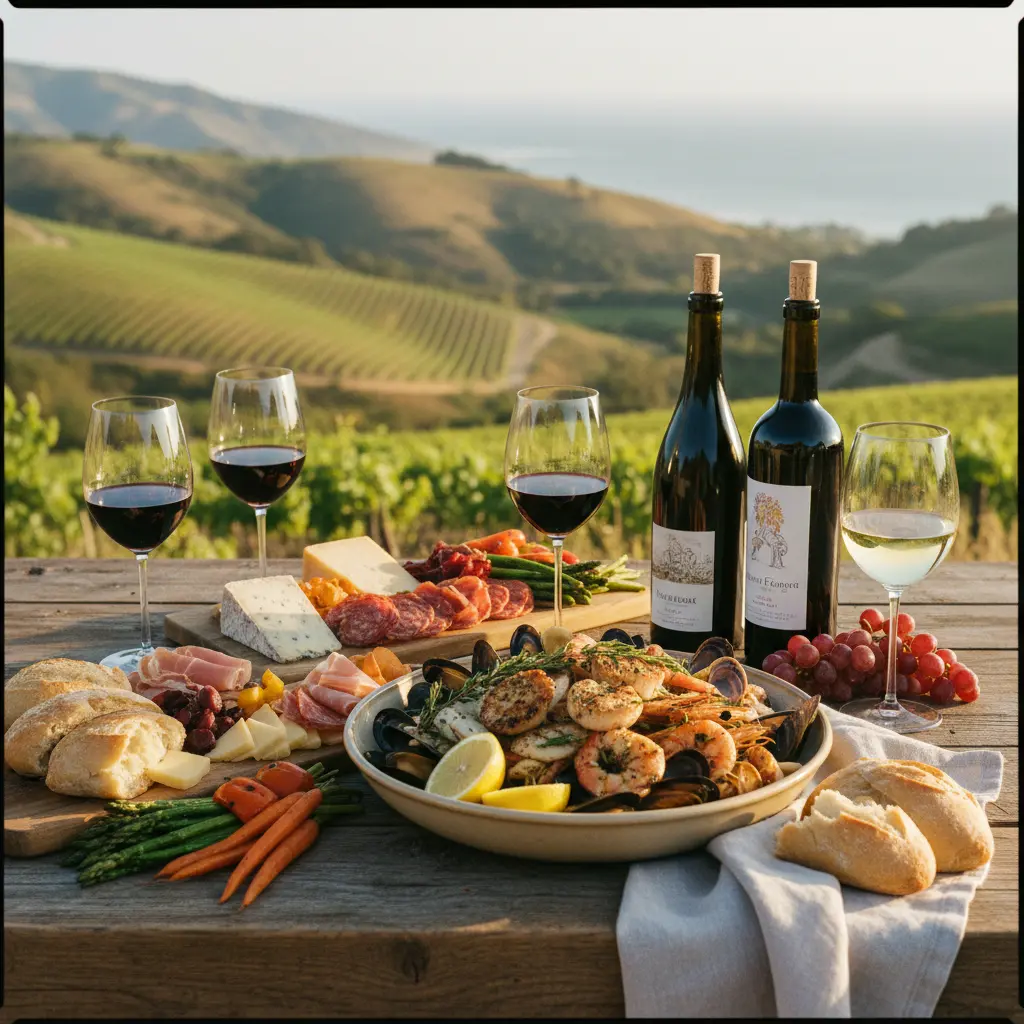
Paso Robles' bold Cabernet Sauvignon is excellent with grilled lamb chops, while Santa Barbara Pinot Noir shines with roasted duck or wild mushroom dishes. Monterey's crisp Chardonnay pairs beautifully with local seafood, such as grilled halibut or Dungeness crab.
Versatile Pairings for Everyday Meals
Many Central Coast wines are versatile enough for everyday enjoyment, offering great value for their quality. A medium-bodied Central Coast Syrah can elevate a casual pizza night, while a refreshing Sauvignon Blanc is perfect with a light salad or appetizers.
Beyond the Basics: Unexpected Pairings
Don't hesitate to experiment with less conventional pairings, such as an aged Paso Robles Zinfandel with spicy ethnic cuisine or a refreshing Edna Valley Chardonnay with roasted vegetables. The diverse flavor profiles of Central Coast wines encourage culinary creativity.
What are the Latest Trends in Central Coast Winemaking?
The Central Coast winemaking scene is dynamic, with increasing emphasis on sustainable practices, innovative blending, and a greater expression of unique terroir. Winemakers are continuously pushing boundaries to craft distinctive and high-quality wines.
Sustainable and Organic Practices
A significant trend on the Central Coast is the widespread adoption of sustainable, organic, and biodynamic farming. Many wineries are committed to preserving their natural resources, enhancing biodiversity, and producing wines that truly reflect their environment with minimal intervention.
Innovation in Blending and Style
Winemakers are increasingly experimenting with unconventional blends and diverse winemaking techniques, including concrete egg fermentation and extended lees aging. This innovation leads to a broader spectrum of wine styles, from minimalist, low-intervention wines to richly textured, age-worthy expressions.
Focus on Single-Vineyard Expressions
There's a growing movement towards showcasing specific vineyard sites through single-vineyard bottlings. This trend allows consumers to taste the nuanced differences that particular plots of land and microclimates impart, deepening the understanding and appreciation of Central Coast terroir.
Investing in Central Coast Wines: Collectibility and Value
Central Coast wines offer excellent opportunities for collectors and enthusiasts, combining high quality with often more accessible prices than other renowned California regions. Many top producers consistently craft wines worthy of cellaring.
Top Producers to Watch
Several Central Coast wineries consistently receive critical acclaim and produce wines with significant aging potential. Researching producers from specific AVAs like Sta. Rita Hills for Pinot Noir or Adelaida District in Paso Robles for Cabernet Sauvignon can guide your selections.
Understanding Vintages and Ageability
While many Central Coast wines are delicious upon release, understanding vintage variation and varietal characteristics is key for collecting. Robust Cabernet Sauvignons and premium Pinot Noirs from strong vintages can evolve beautifully over 5-10+ years, offering enhanced complexity and nuance.
Building a Central Coast Wine Cellar
Curating a Central Coast wine cellar allows you to experience the evolution of these diverse wines over time. Focus on age-worthy varietals from reputable producers, ensuring proper storage conditions to preserve their quality and enhance their character as they mature.