Turkey boasts a wine history spanning millennia, offering a unique tapestry of indigenous grape varieties and diverse terroirs that are gaining increasing global recognition. This guide will help you navigate the vibrant and ancient world of Turkish wine in 2026, from its storied past to its exciting future.
What is the history of wine in Turkey?
Turkey, or Anatolia as it was known, is widely considered one of the cradles of winemaking, with viticulture dating back over 7,000 years. Archaeological findings suggest that grape cultivation and fermentation began in this region long before it spread to Europe.
Ancient Roots and Early Civilizations
Winemaking thrived under various ancient civilizations, including the Hittites, Phrygians, and Lydians. These cultures not only cultivated grapes but also developed sophisticated wine production techniques, influencing trade and cultural practices across the ancient world.
Ottoman Influence and Decline
During the Ottoman Empire, wine production continued, although it shifted primarily to non-Muslim communities due to Islamic proscriptions against alcohol. This period saw a decline in the prominence of Turkish wine on the global stage, largely focusing on local consumption.
Modern Revival and Re-emergence
The 20th and 21st centuries have witnessed a significant revival in Turkish winemaking, with increased investment in modern technology and a renewed focus on indigenous grape varieties. This resurgence is positioning Turkey as an exciting, albeit lesser-known, player in the international wine scene.
What are the prominent wine regions in Turkey?
Turkey's vast and varied geography provides several distinct wine regions, each contributing unique characteristics to its wines. From coastal areas to high-altitude plateaus, the terroir diversity is immense.
Aegean Region
The Aegean Region, particularly around Izmir and Denizli, is a cornerstone of modern Turkish viticulture, known for its warm climate and diverse grape cultivation. This area produces a wide range of styles, from crisp whites to robust reds.
Central Anatolia
Central Anatolia, with its high altitude and continental climate, is home to some of Turkey's most distinctive indigenous grapes. Cappadocia, with its volcanic soils, is particularly renowned for its white wines.
Thrace and Marmara
Located in European Turkey, the Thrace and Marmara regions benefit from a more moderate climate, producing elegant wines, often compared to those from nearby European countries. This area has a strong focus on quality and international varietals alongside local ones.
Which indigenous grape varieties are key to Turkish wine?
Turkish wine stands out due to its reliance on a rich portfolio of indigenous grape varieties, many of which are found nowhere else in the world. These grapes offer distinct flavors and characters that contribute to Turkey's unique wine identity.
Kalecik Karasi
Kalecik Karasi is a light-skinned red grape from Central Anatolia, producing elegant, fruit-forward red wines with soft tannins and vibrant acidity. It often exhibits notes of red berries, cherry, and sometimes a hint of floral character.
Öküzgözü and Boğazkere
These two robust red grapes, often blended, represent the powerful side of Turkish reds. Öküzgözü (meaning 'ox eye') provides fruitiness and softness, while Boğazkere (meaning 'throat scratcher') contributes structure, high tannins, and notes of black fruit and spice.
Narince and Emir
Narince is a versatile white grape from Tokat, offering wines with good acidity, a full body, and notes of citrus, floral, and sometimes a hint of minerality or nuttiness. Emir, from Cappadocia, produces crisp, mineral-driven white wines, often with green apple and lemon notes, perfect for enjoyment in quality wine glasses.
| Grape Name | Type | Primary Region | Flavor Profile |
|---|---|---|---|
| Kalecik Karasi | Red | Central Anatolia | Red fruit, cherry, floral, soft tannins |
| Öküzgözü | Red | Eastern Anatolia | Dark fruit, spice, medium tannins, juicy |
| Boğazkere | Red | Eastern Anatolia | Black fruit, pepper, high tannins, full-bodied |
| Narince | White | Tokat (Black Sea) | Citrus, floral, nutty, medium-full body |
| Emir | White | Cappadocia | Green apple, lemon, minerality, crisp acidity |
| Çalkarası | Red | Denizli (Aegean) | Light-bodied, fresh red berries, easy-drinking |
How do Turkish white wines express their terroir?
Turkish white wines vividly express their diverse terroirs through distinct aromatic profiles, acidity levels, and textural qualities, ranging from crisp and mineral-driven to rich and complex. The unique geological formations and microclimates contribute significantly to these variations.
Emir's Crispness from Volcanic Soils
Emir, grown predominantly in Cappadocia's volcanic soils, yields remarkably fresh and mineral-laden wines with bright acidity. Its profile often includes notes of green apple, lemon zest, and a distinctive stony quality, reflecting its unique origin.
Narince's Richness and Complexity
Narince, especially from the Tokat region, produces white wines that can range from unoaked and aromatic to richly textured and oak-aged, offering complex notes of white flowers, stone fruit, and sometimes a savory, nutty finish. This versatility allows it to develop significant character when aged, much like a fine wine.
What are the distinctive characteristics of Turkish red wines?
Turkish red wines offer a spectrum of styles, from light and aromatic to powerful and tannic, often showcasing indigenous grape varieties that deliver unique fruit, spice, and earthy notes. Their character is heavily influenced by the diverse climates and winemaking traditions across the country.
Kalecik Karasi's Elegance
Kalecik Karasi produces elegant, medium-bodied red wines characterized by vibrant red fruit flavors, soft tannins, and a refreshing acidity. These wines are often compared to Pinot Noir for their finesse and versatility.
Öküzgözü and Boğazkere's Robustness
When blended, Öküzgözü and Boğazkere create robust, full-bodied red wines with complex layers of dark fruit, black pepper, and firm tannins. These powerful wines are known for their aging potential and their ability to stand up to rich, flavorful dishes.
How does Turkey blend traditional and modern winemaking?
Turkish winemaking beautifully integrates ancient viticultural practices with state-of-the-art technology, leading to wines that honor heritage while achieving international quality standards. This approach respects the land and its history while embracing innovation.
Preserving Ancient Techniques
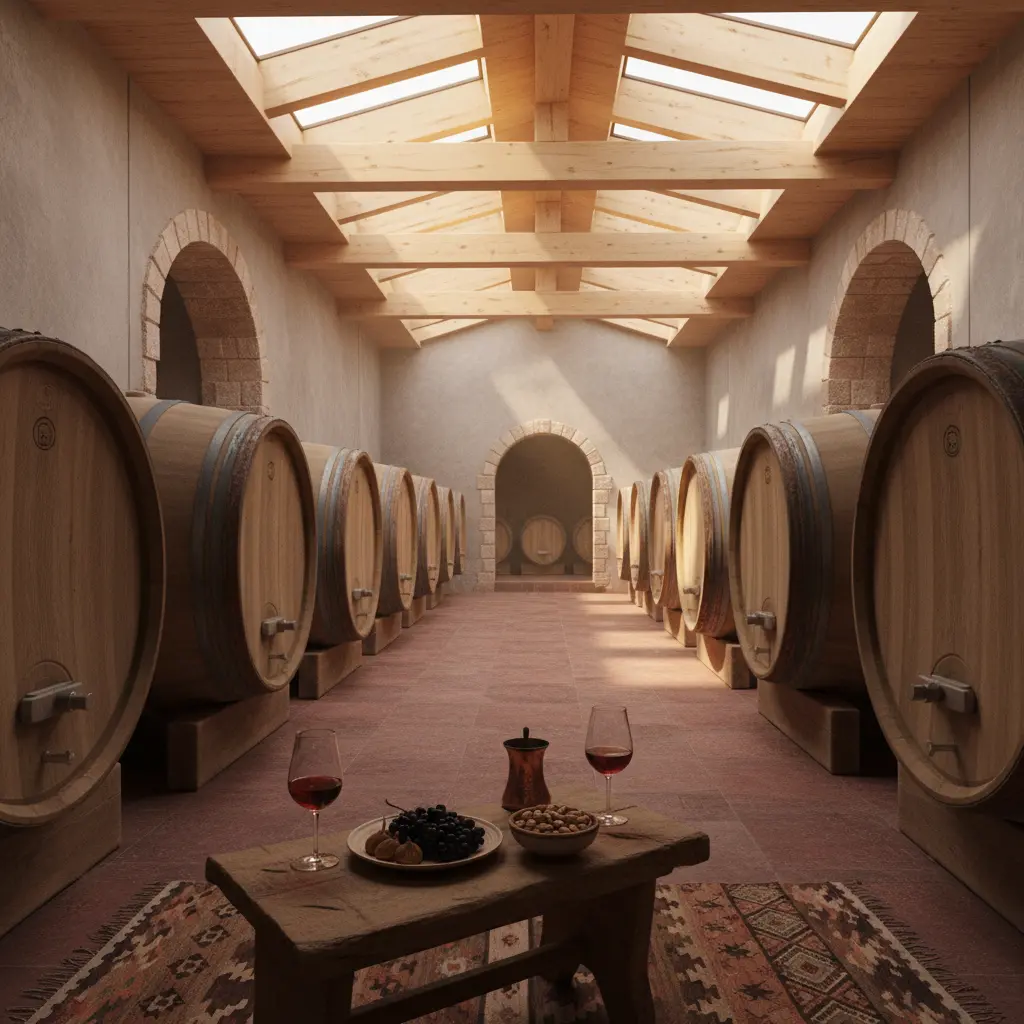
Some Turkish wineries still employ traditional methods, such as small-batch fermentation and careful hand-harvesting, reflecting a deep respect for their winemaking ancestors. This commitment to heritage ensures the unique character of many Turkish wines.
Adopting Modern Innovations
Many producers have invested heavily in modern winemaking equipment, including temperature-controlled fermentation tanks and sophisticated bottling lines. This fusion allows for greater consistency, precision, and the production of a wider range of high-quality wines suitable for global markets.
What food pairings best complement Turkish wines?
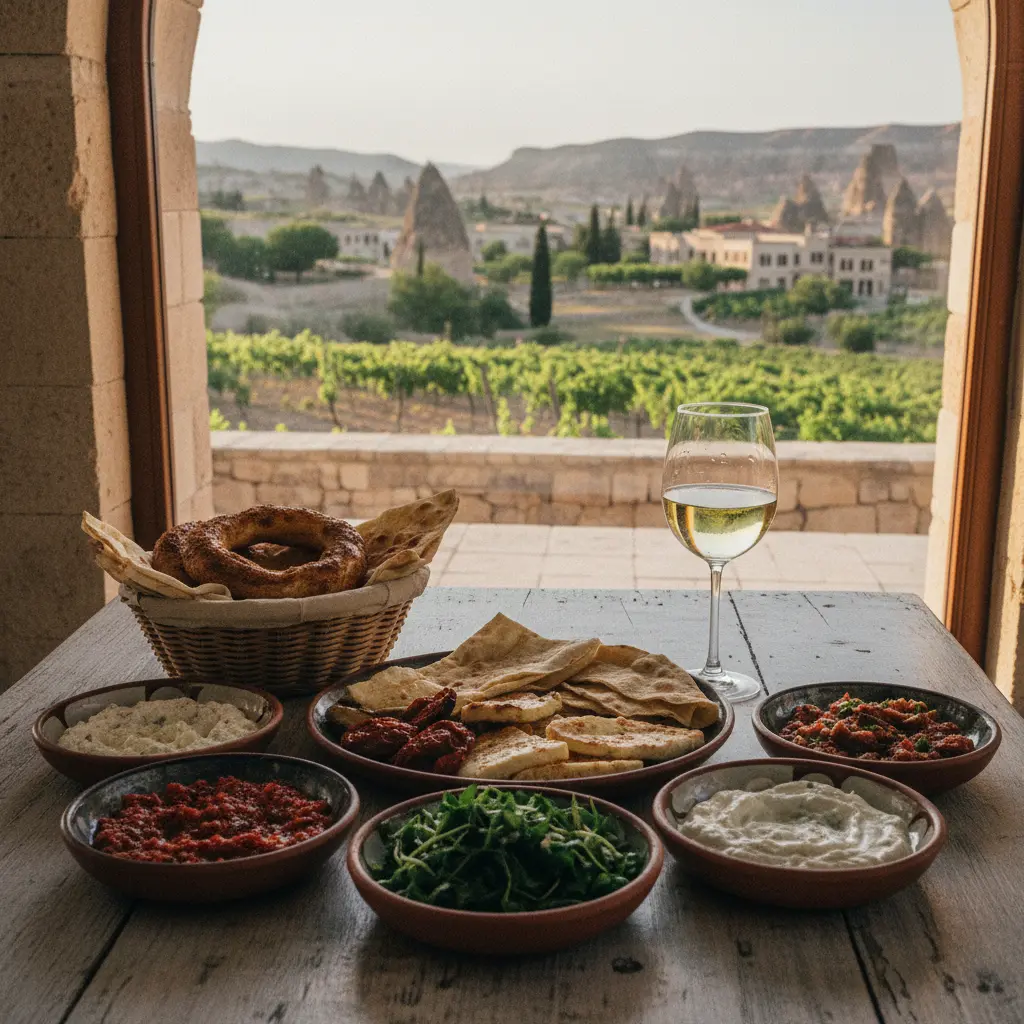
Turkish wines are incredibly food-friendly, pairing exceptionally well with the rich and diverse flavors of Turkish cuisine, as well as a variety of international dishes. The acidity and fruit characteristics of these wines make them versatile partners for many meals.
"Turkish wines offer an exciting challenge and reward for food pairing enthusiasts. Their indigenous grapes provide profiles you won't find anywhere else, making them perfect for exploring new culinary dimensions, especially with Mediterranean and Middle Eastern fare." - Expert Sommelier
Turkish Cuisine Staples
Kalecik Karasi pairs wonderfully with lighter kebabs, grilled vegetables, and lamb dishes, while the robust Öküzgözü-Boğazkere blends are ideal with hearty stews, red meat, and spiced eggplant dishes. White wines like Emir are perfect with seafood, salads, and fresh cheeses, offering a refreshing contrast, elevating any dining experience.
International Dishes
The versatility of Turkish wines extends to international cuisine; a crisp Emir can complement sushi or light pasta, while a full-bodied Boğazkere blend can stand up to a rich beef stew or aged cheeses. Their unique flavor profiles allow for creative and memorable wine dining experiences.
Where can you find and buy Turkish wines in 2026?
Acquiring Turkish wines in 2026 is becoming increasingly accessible through a combination of online retailers, specialist wine shops, and direct purchasing from wineries. While still a niche market in some regions, its availability is growing.
Online Retailers and Specialist Shops
Many online wine platforms and dedicated specialist wine stores, particularly those focusing on Eastern European or Mediterranean wines, now stock a selection of Turkish labels. These sources often provide detailed tasting notes and pairing suggestions, making a bottle of Turkish wine an excellent and unique choice for wine gifts.
Direct from Wineries and Exports
For the broadest selection, purchasing directly from Turkish wineries, either in person or through their export channels, remains the best option. Major producers have established distribution networks that reach various international markets.
Why should you consider a wine trip to Turkey?
A wine trip to Turkey offers an unparalleled blend of ancient history, stunning landscapes, vibrant culture, and unique culinary experiences alongside exceptional wines. It's an opportunity to explore a less-traveled wine destination with deep historical roots.
Planning Your Itinerary
When planning a Turkish wine tour, focus on regions like Cappadocia for its unique underground wineries and historical sites, or the Aegean for its diverse vineyards and coastal charm. Consider visiting during harvest season (late August to October) for the full experience.
- Choose your primary wine region: Cappadocia (Emir, historical caves), Aegean (Kalecik Karasi, international varietals), or Thrace (European styles).
- Select wineries: Research reputable wineries and check their visiting hours or book appointments in advance.
- Arrange transport: Rent a car for flexibility or consider guided tours that include transportation.
- Book accommodation: Opt for boutique hotels or guesthouses near vineyards for an authentic experience.
- Incorporate culture: Blend wine tastings with visits to historical sites, local markets, and traditional restaurants.
- Learn basic wine service: Refresh your wine service knowledge for any winery visits or private tastings.
Cultural and Gastronomic Experiences
Beyond the vineyards, visitors can explore ancient ruins, hot air balloon over Cappadocia's fairy chimneys, and indulge in world-renowned Turkish cuisine, creating a truly immersive and unforgettable journey. The hospitality is legendary, ensuring a warm welcome.

What is the future outlook for Turkish wine?
The future of Turkish wine looks promising, driven by a renewed emphasis on quality, growing international recognition, and the unique appeal of its indigenous grape varieties. Investments in sustainable practices and modern marketing are also playing a crucial role.
Growing Export Market and Recognition
Turkish wines are increasingly appearing on international wine lists and receiving accolades in global competitions, indicating a growing export market and a rising profile among sommeliers and consumers. This trend is expected to continue as more people discover its quality.
Focus on Quality and Sustainability
Producers are prioritizing sustainable viticulture and meticulous winemaking to further enhance quality and express the unique terroir of their regions. This commitment ensures that Turkish wines not only taste exceptional but also reflect responsible practices.
Emerging Regions and Varietals
Beyond the established regions, new areas are being explored for their viticultural potential, and lesser-known indigenous grape varieties are being rediscovered and cultivated. This ongoing exploration promises an even richer diversity of Turkish wines in the years to come.