Malta's wine scene in 2026 is a vibrant blend of ancient traditions and modern winemaking, primarily characterized by its unique indigenous grape varieties, Gellewza and Ghirghentina. This island nation, often overlooked for its viticultural contributions, offers a distinctive Mediterranean terroir that shapes its compelling red, white, and rosé wines, making it a hidden gem for wine enthusiasts.
What Makes Maltese Wine Unique in 2026?
Maltese wine stands out due to its reliance on rare indigenous grape varieties, ancient winemaking practices, and the distinctive influence of its Mediterranean island climate. These factors create a terroir unlike any other, contributing to wines with unique character and flavor profiles that reflect Malta's rich history and sunny disposition.
Indigenous Grape Varieties: Gellewza and Ghirghentina
Gellewza and Ghirghentina are the cornerstone indigenous grapes that define Maltese wine. Gellewza, a red grape, is typically used for rosé and light-bodied reds, offering notes of strawberry, cherry, and a hint of spice. Ghirghentina, a white grape, produces crisp, aromatic wines with citrus, floral, and sometimes herbal undertones, perfectly suited to the island's warm climate.
Ancient Winemaking Heritage
Malta boasts a winemaking history that dates back over 2,000 years, influenced by Phoenician, Roman, and Knights of St. John traditions. This long legacy has embedded deep-rooted viticultural practices, with many vineyards still utilizing traditional methods alongside modern techniques to preserve authenticity.
Mediterranean Climate Influence
The Mediterranean climate, characterized by abundant sunshine, moderate rainfall, and cooling sea breezes, is crucial for Malta's grape growing. This climate ensures optimal ripeness, while the saline air and limestone rich soils impart a unique mineral quality to the wines, contributing to their freshness and structure.
Discovering Malta's Key Wine Regions and Terroir
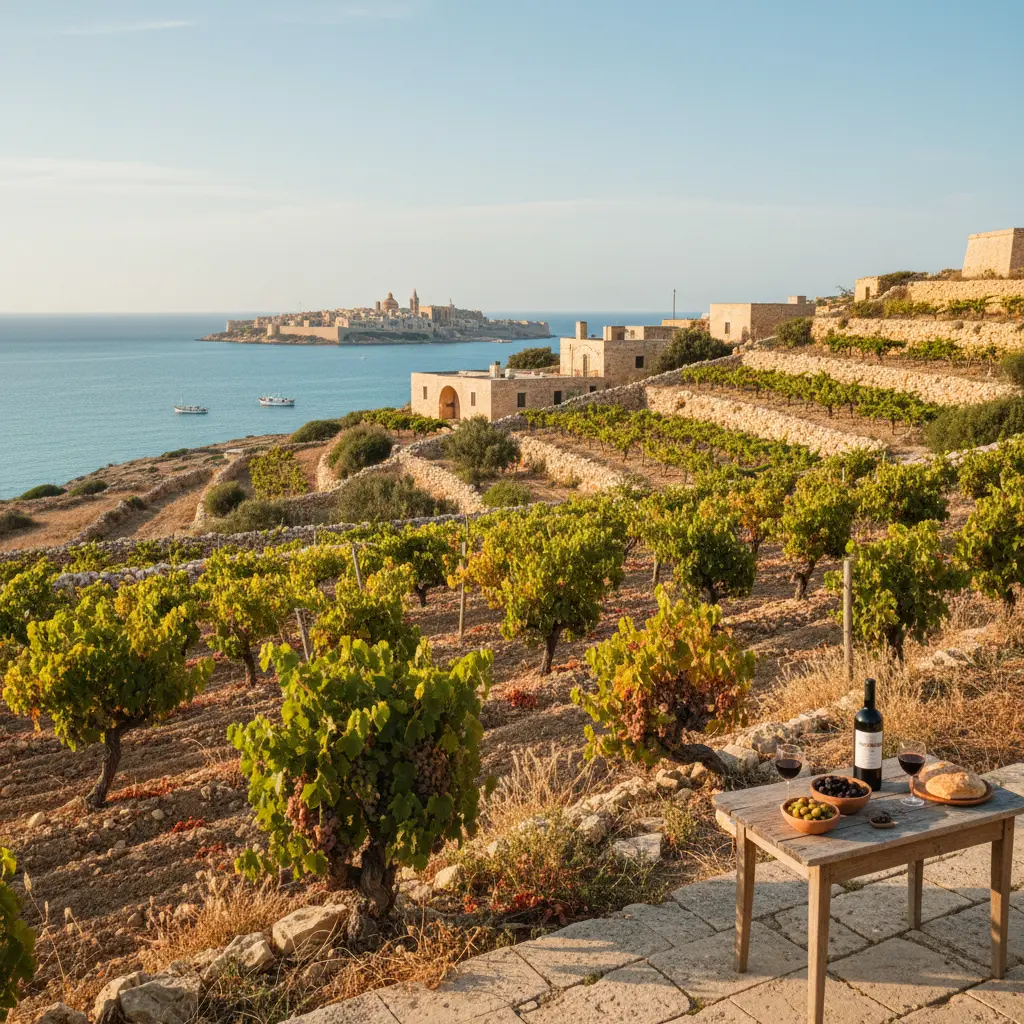
While not formally demarcated into traditional wine regions like larger countries, Malta's vineyards are spread across the main island and Gozo, each offering subtle terroir differences. The small size of the islands means that microclimates, elevation, and proximity to the sea play a significant role in defining the character of the grapes grown.
Northern Region: Marfa to Mellieha
The Northern part of Malta, particularly around Marfa and Mellieha, features vineyards benefiting from coastal breezes and diverse soil types. This area is known for producing a variety of grapes, often contributing to lighter, more aromatic white wines and elegant rosés, reflecting the refreshing maritime influence.
Central Region: Mdina and Attard
Vineyards near the historic cities of Mdina and Attard in Malta's central region are often located on higher ground, with more sheltered plots. Here, the soils tend to be richer, supporting the cultivation of both indigenous and international grape varieties that produce more structured reds and whites.
Gozo Island Vineyards
Gozo, Malta's sister island, offers a distinct terroir with its own unique microclimates and ancient limestone plateaus. Gozitan wines often exhibit a robust character, with vineyards benefiting from fertile soils and slightly different climatic conditions, contributing to wines with pronounced minerality and intensity.
Who Are the Prominent Maltese Wineries to Explore?
Malta's wine industry is dominated by a few key producers who have significantly elevated the quality and recognition of Maltese wines. These wineries blend traditional expertise with modern technology, offering excellent tours and tastings.
Here are some of the leading wineries in Malta:
| Winery Name | Location | Signature Indigenous Wines | Known For |
|---|---|---|---|
| Marsovin Cellars | Paola, Malta | Cheval Franc (Gellewza, Syrah), Marnisi (Cabernet Sauvignon, Merlot) | Established, quality reds & whites, winery tours |
| Emmanuel Delicata Winemaker | Balzan, Malta | Gellewza Rosé, Ghirghentina, Gran Cavalier (various) | Oldest winery, wide range of award-winning wines |
| Meridiana Wine Estate | Ta' Qali, Malta | Astarte (Chardonnay), Isis (Chardonnay), Melqart (Cabernet Sauvignon, Merlot) | Estate-grown, premium quality, picturesque setting |
Meridiana Wine Estate
Meridiana Wine Estate, established in 1987, is renowned for its commitment to estate-bottled, premium wines crafted from both indigenous and international varietals. Their focus on quality and sustainable practices has positioned them as a leader in Maltese viticulture, offering elegant wines reflective of their unique terroir.
Emmanuel Delicata Winemaker
Emmanuel Delicata Winemaker, Malta's oldest family-run winery, has been producing wine since 1907 and is celebrated for its wide array of wines, including those made from Gellewza and Ghirghentina. They are known for their consistent quality and innovative approaches, making their wines accessible to both local and international palates.
Marsovin Cellars
Marsovin Cellars, established in 1919, is one of Malta's largest and most respected wineries, producing a diverse portfolio of wines from various vineyards across the islands. They are particularly recognized for their robust red blends and commitment to showcasing the potential of Maltese viticulture through their premium ranges.
What Styles of Maltese Wine Should You Expect?
Maltese wines predominantly feature refreshing whites, vibrant rosés, and medium-bodied reds, often characterized by their fruit-forward profiles and a distinct Mediterranean character. The island's climate and indigenous grapes naturally lend themselves to these versatile styles, suitable for various occasions and pairings.
Red Wines: From Robust to Refreshing
Maltese red wines range from light, fruity expressions of Gellewza, often consumed slightly chilled, to more robust blends featuring international varietals like Cabernet Sauvignon and Syrah. These reds offer notes of red berries, plum, and sometimes a hint of Mediterranean herbs, making them excellent companions for hearty dishes, similar to pairing "best wine for beef stew."
White Wines: Crisp and Aromatic
White Maltese wines, especially those made from Ghirghentina and Chardonnay, are typically crisp, aromatic, and full of character. Expect flavors of citrus, green apple, peach, and floral notes, often with a subtle minerality derived from the limestone soils. These wines are perfect as aperitifs or with light meals.
Sparkling and Rosé Options
Malta also produces charming sparkling and rosé wines, which are increasingly popular, especially in the warm climate. Rosés, often from Gellewza, are fresh and fruity, ideal for summer sipping, while sparkling wines, made using traditional methods, offer elegant bubbles and complex flavors.
Pairing Maltese Wines with Local Cuisine
Maltese wines are exceptionally versatile for pairing with the rich and diverse local cuisine, which emphasizes fresh seafood, Mediterranean vegetables, and traditional stews. The wines' inherent freshness and fruitiness complement the flavors without overpowering them, creating memorable dining experiences.
"Malta's wines are a true reflection of its culinary soul-unpretentious, sun-kissed, and brimming with the flavors of the Mediterranean. They are best enjoyed with the very food they were born to accompany." - A local sommelier's insight
Seafood Delights and White Wines
Crisp Maltese white wines, particularly Ghirghentina, are an ideal match for the island's abundant fresh seafood, including grilled fish, octopus stew, and prawn dishes. Their bright acidity and citrus notes cut through the richness of the seafood, enhancing its delicate flavors. This principle applies universally, much like finding the "best wine pairing for sushi."
Hearty Dishes and Red Wines
Medium-bodied red wines, especially those incorporating Gellewza or local blends, pair beautifully with Malta's hearty traditional dishes like rabbit stew (Fenek), baked pasta (Imqarrun), and various meat pies. The fruit and gentle tannins in these reds stand up to the rich flavors without being overwhelming.
Traditional Maltese Platters
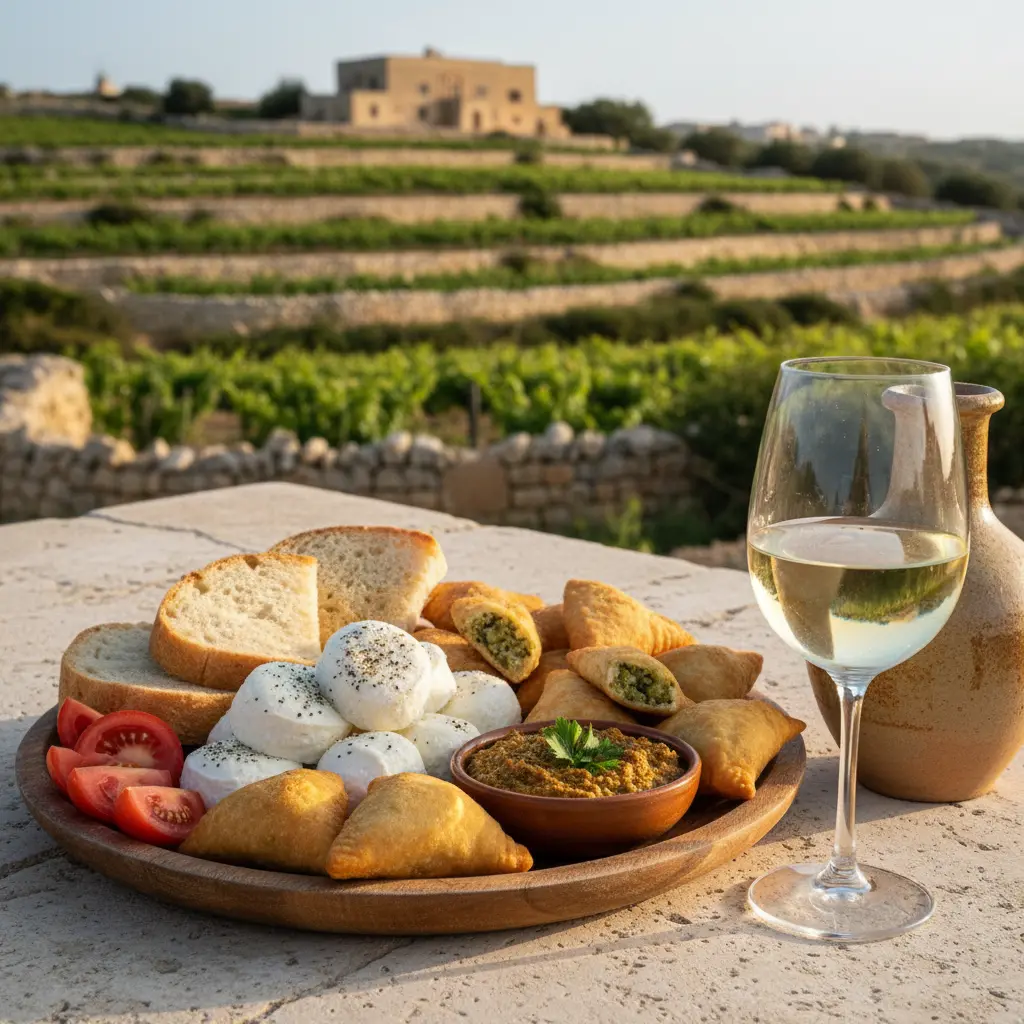
For a traditional Maltese platter featuring gbejniet (local cheeselets), bigilla (bean dip), sun-dried tomatoes, and olives, a versatile Maltese rosé or a light red wine is an excellent choice. The wine's freshness provides a delightful contrast to the savory and sometimes salty components of the platter, embodying the essence of "best wine pairing guide."
How to Experience Wine Tourism in Malta in 2026?
Experiencing wine tourism in Malta involves visiting its charming wineries, participating in guided tastings, and immersing yourself in the local culinary scene. The compact nature of the islands makes it easy to explore multiple vineyards within a short period, offering a unique and intimate wine journey.
Guided Winery Tours and Tastings
Most prominent Maltese wineries offer guided tours of their vineyards and cellars, culminating in structured tasting sessions of their portfolio. These tours provide invaluable insights into the island's unique viticulture, winemaking processes, and the stories behind each bottle, allowing you to "create memorable wine dining experiences."
Annual Wine Festivals
Malta hosts several popular annual wine festivals, notably the Delicata Wine Festival and the Marsovin Wine Festival, typically held in late summer. These events offer a fantastic opportunity to sample a wide array of local wines, enjoy live music, and taste traditional Maltese food in a festive atmosphere.
Planning Your Visit: Logistics and Tips
To plan your Maltese wine tour, it is advisable to book winery visits in advance, especially during peak season, and consider hiring a car or using ride-sharing services for convenience. Ensure you stay hydrated and allow ample time to savor each experience.
- Research Wineries: Identify specific wineries based on your wine preferences (e.g., indigenous grapes, organic wines).
- Book Tours: Contact wineries directly to reserve your spot for tours and tastings.
- Plan Transport: Arrange for transportation, considering Malta's roads and the responsible consumption of alcohol.
- Combine with Sightseeing: Integrate winery visits with other cultural or historical attractions to maximize your trip.
- Enjoy Local Cuisine: Seek out restaurants that feature local wines on their menus for authentic pairing experiences.
Buying Maltese Wines: Tips for Local and International Shoppers
Acquiring Maltese wines, whether on the island or abroad, requires understanding local availability, export options, and how to interpret their unique labels. While traditionally consumed locally, Maltese wines are gaining international recognition, making them a sought-after discovery.
Finding Wines in Malta
Within Malta, you can purchase wines directly from winery cellar doors, specialty wine shops, and most supermarkets. Local markets and artisan shops may also offer unique selections, providing a great opportunity to find authentic "wine gifts for her" or "wine gifts for men."
Online Availability and Export
Increasingly, Maltese wineries are expanding their online presence and offering international shipping, making their wines accessible to enthusiasts worldwide. Check individual winery websites for direct purchasing options or look for specialized importers in your region.
Interpreting Maltese Wine Labels
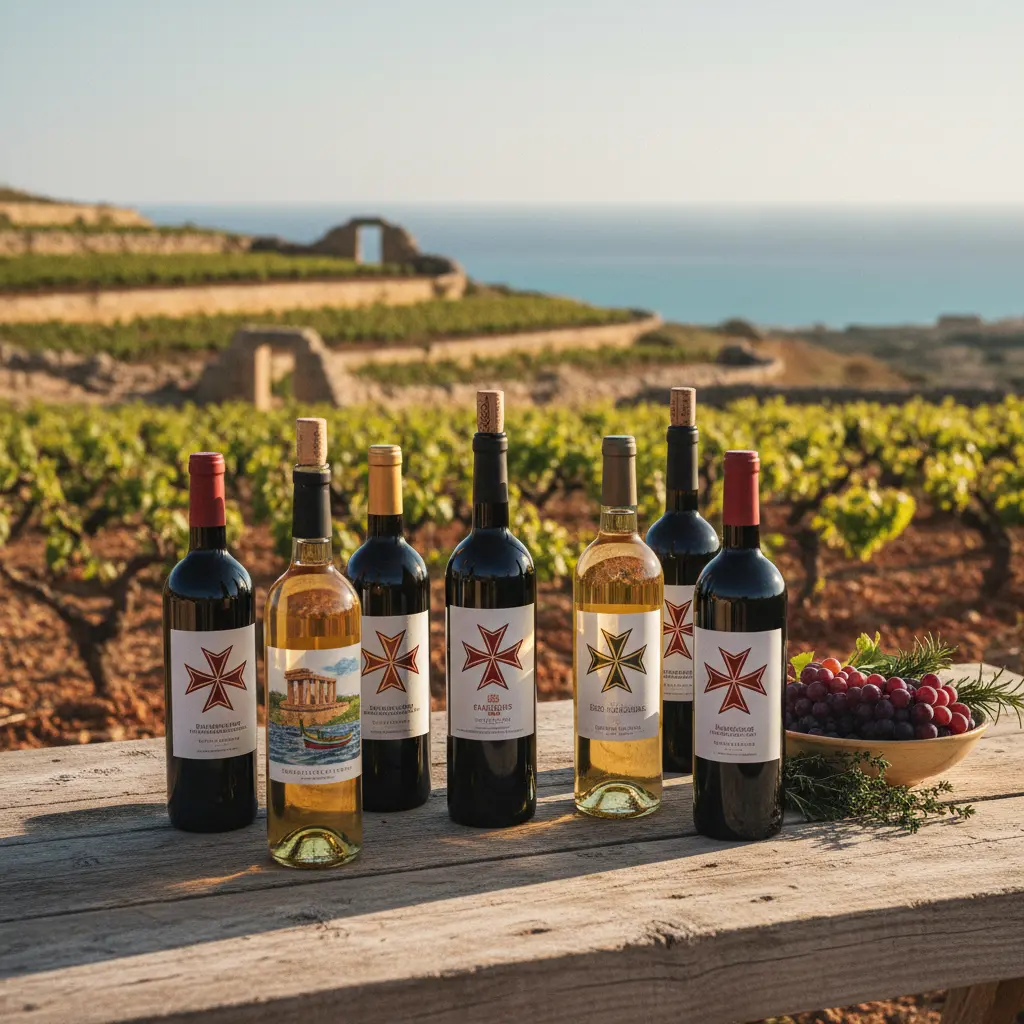
Maltese wine labels typically feature the grape varietal(s), the vintage, and the winery name, often alongside specific vineyard designations like "D.O.K. Malta" or "I.G.T. Maltese Islands." D.O.K. (Denominazzjoni ta' Origini Kontrollata) signifies controlled origin, while I.G.T. (Indikazzjoni Ġeografika Tipika) denotes typical geographical indication, similar to other structured "wine region" classifications.
What are the Challenges and Future Trends for Maltese Viticulture?
Maltese viticulture faces challenges primarily related to its small scale, climate change, and the need for greater international market recognition, while its future trends lean towards sustainability and niche market development. These factors shape the strategic direction for winemakers on the island.
Climate Change Adaptation
Adapting to climate change, including rising temperatures and altered rainfall patterns, is a significant challenge for Maltese vineyards. Wineries are exploring drought-resistant rootstocks, innovative irrigation techniques, and adapting harvest schedules to mitigate these environmental impacts and ensure future viability.
Market Recognition and Export Growth
Gaining broader international market recognition beyond its current niche status remains a key challenge for Maltese wine producers. Efforts are focused on increasing export volumes, participating in international wine competitions, and promoting the unique story and quality of Maltese wines to a global audience.
Sustainable Practices
A growing trend in Maltese viticulture is the adoption of sustainable and organic farming practices. Wineries are increasingly focusing on biodiversity, water conservation, and reducing their environmental footprint, aligning with global consumer demand for eco-friendly wines and ensuring the long-term health of their vineyards.