Where are the World's Major Wine Regions Located?
The world's major wine regions are predominantly found within the temperate zones between 30 and 50 degrees latitude in both the Northern and Southern Hemispheres. These bands offer the optimal balance of sunlight, rainfall, and temperature crucial for viticulture.
Old World Classics
Old World regions encompass traditional wine-producing countries in Europe, known for their deeply ingrained viticultural history and appellation systems. France, Italy, and Spain are paramount, with France revered for Bordeaux and Burgundy, Italy for Tuscany's Sangiovese and Piedmont's Nebbiolo, and Spain for Rioja's Tempranillo. Germany, Portugal, and Greece also contribute distinct styles shaped by centuries of tradition.
New World Innovators
New World wine regions, primarily located outside Europe, are characterized by a more modern approach to winemaking and often greater flexibility in varietal expression. Countries like the United States (California, Oregon, Washington), Australia, New Zealand, Chile, Argentina, and South Africa have established significant reputations for quality, often focusing on varietal labeling and pioneering new techniques.

What are the Most Widely Planted Red Grape Varieties and Their Homes?
Cabernet Sauvignon, Merlot, and Pinot Noir stand as the most globally recognized and widely planted red grape varieties, each with distinct regional strongholds. These grapes form the backbone of many celebrated red wines.
Cabernet Sauvignon: Global Dominance
Cabernet Sauvignon is predominantly grown in Bordeaux, France, but thrives worldwide, including California (Napa Valley), Chile, Australia (Coonawarra), and South Africa. Its thick skins and robust tannins contribute to wines with notes of blackcurrant, cedar, and mint, often structured for aging.
Merlot: The Versatile Partner
Merlot's spiritual home is Bordeaux's Right Bank, where it is often blended with Cabernet Franc, but it also enjoys significant plantings in California, Washington, Italy, and Chile. Known for its softer tannins and plum-like fruit, Merlot produces smooth, approachable wines.
Pinot Noir: Elegance in Cooler Climates
Pinot Noir flourishes in cooler climates, with Burgundy, France, being its benchmark region, alongside Oregon (USA), New Zealand (Central Otago), and parts of Germany and Australia. This delicate grape yields elegant, aromatic wines with red fruit characteristics and often earthy undertones.
Tempranillo: Spain's Signature Grape
Tempranillo is the flagship red grape of Spain, most famously found in the Rioja and Ribera del Duero regions. It produces full-bodied wines with flavors of cherry, plum, tomato, and leather, often aged in oak, as detailed in our Tempranillo Wine Guide 2026.
Which White Grape Varieties Dominate Production and Where?
Chardonnay, Sauvignon Blanc, and Riesling are the leading white grape varieties, celebrated for their versatility and capacity to express their regional origins. These grapes offer a spectrum of styles from crisp to rich.
Chardonnay: The Winemaker's Canvas
Chardonnay originates from Burgundy, France, and is now the world's most widely planted white grape, thriving in almost every wine-producing country. It adapts remarkably to terroir and winemaking, producing everything from crisp, unoaked Chablis to rich, buttery California wines.
Sauvignon Blanc: Crisp and Aromatic
Sauvignon Blanc finds its quintessential expression in the Loire Valley, France (Sancerre, Pouilly-Fumée), and Marlborough, New Zealand, with notable plantings in California and Chile. It is prized for its vibrant acidity and herbaceous, citrus, and sometimes tropical fruit notes.
Riesling: Expressing Terroir
Riesling's spiritual home is Germany, particularly the Mosel and Rheingau regions, but it also excels in Alsace (France), Clare and Eden Valleys (Australia), and New York's Finger Lakes. Known for its aromatic complexity, high acidity, and ability to age, Riesling ranges from bone-dry to lusciously sweet.
Glera: The Heart of Prosecco
Glera is the essential grape for Prosecco, grown predominantly in the Veneto and Friuli-Venezia Giulia regions of northeastern Italy. This varietal is responsible for the crisp, apple, and floral notes that define the beloved sparkling wine, as explored in "What is Glera Grape?"
How Does Climate Influence Grape Growing and Regional Styles?
Climate is the most critical factor influencing grape growth, dictating a region's viticultural viability and shaping the resultant wine's style and character. Different climates favor specific grape varieties and lead to distinct flavor profiles.
Cool Climate Characteristics
Cool climates, such as Burgundy or the Mosel, typically result in grapes with higher acidity, lower sugar levels, and more delicate aromatics. Wines from these regions often display brighter fruit, leaner body, and an emphasis on minerality.
Warm Climate Characteristics
Warm climates, like those found in Napa Valley or Barossa Valley, produce grapes with lower acidity, higher sugar content, and riper, more opulent fruit flavors. Wines tend to be fuller-bodied, higher in alcohol, and express jammy or cooked fruit notes.
-
Temperature Fluctuation: Diurnal temperature shifts (hot days, cool nights) are crucial for grapes to ripen slowly, preserving acidity and developing complex aromas. Regions with significant shifts, like Mendoza, Argentina, often yield balanced wines.
-
Sunshine Hours: Sufficient sunlight is vital for photosynthesis and sugar development in grapes. Regions with ample, consistent sun, such as parts of California, promote full ripeness.
-
Rainfall Patterns: Moderate rainfall is ideal; too much can lead to dilution or disease, while too little requires irrigation. Coastal regions often benefit from maritime influences that temper extremes.
-
Proximity to Water Bodies: Lakes, rivers, and oceans can moderate temperatures, protecting vineyards from frost or extreme heat. This is evident in regions like the Finger Lakes or coastal appellations.
What is Terroir and How Does it Shape Grape Expression?
Terroir is the complete natural environment in which a wine is produced, encompassing soil, topography, climate, and the unique characteristics these impart to the wine. It is the unique fingerprint of a place on its wine.
Soil Composition
Soil type greatly influences how vines grow, affecting drainage, nutrient availability, and temperature regulation, which in turn impacts grape character. Chalky soils (Champagne), limestone (Burgundy), volcanic soils (Sicily), and schist (Douro) each impart distinct qualities.
Topography and Aspect
The lay of the land, including elevation, slope, and aspect (direction a slope faces), affects sun exposure, drainage, and wind protection. Steep, south-facing slopes, for instance, maximize sunlight and promote ripeness, as seen in many premium vineyards.
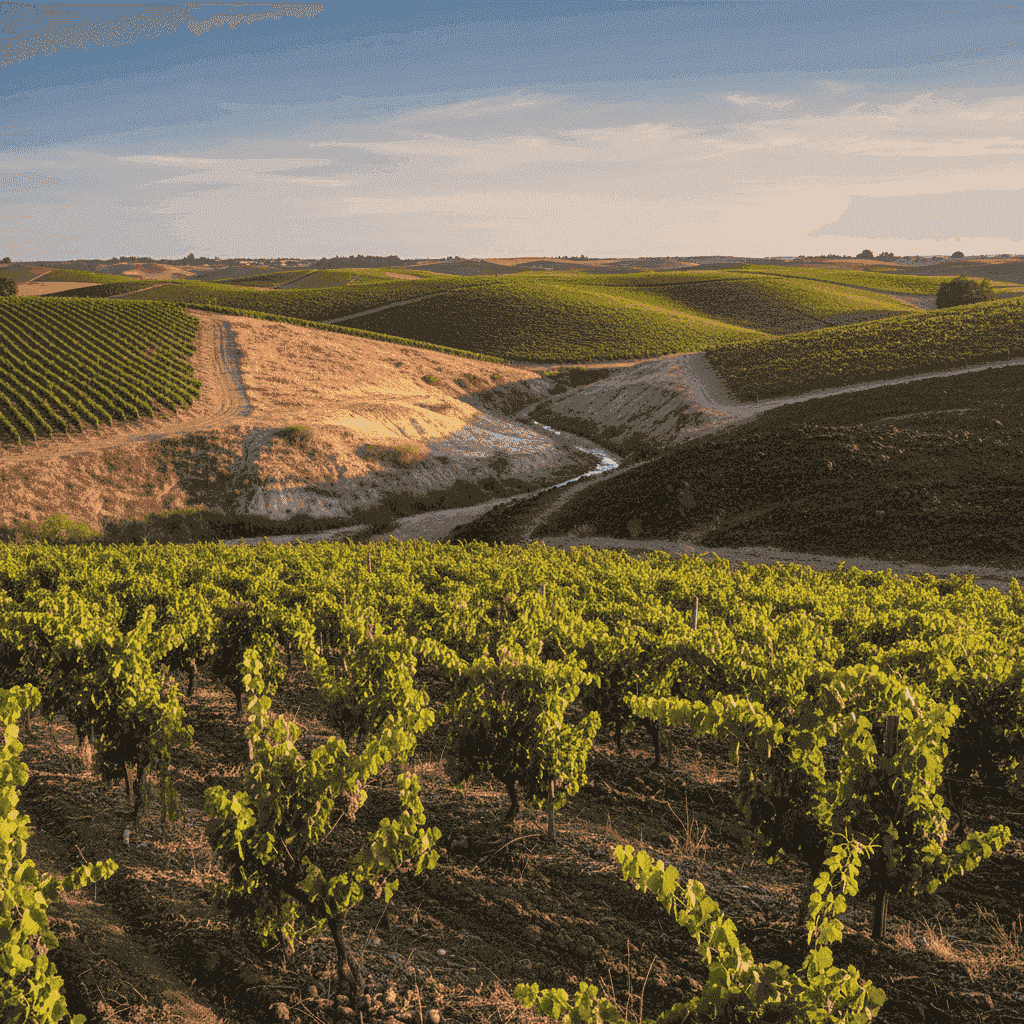
"Wine is a reflection of its place; the vine acts as a conduit, translating the specific nuances of soil, climate, and human tradition into liquid form." - Traditional Vintner's Saying
What are Key Regional Specializations for Grape Varieties?
Many regions globally have become synonymous with particular grape varieties due to ideal growing conditions and historical cultivation. These specializations often define a region's wine identity.
France: Bordeaux, Burgundy, Rhône
France is renowned for regional specificity: Bordeaux for Cabernet Sauvignon and Merlot blends, Burgundy for Pinot Noir and Chardonnay, and the Rhône Valley for Syrah and Grenache-based wines. Each appellation strictly defines allowed grape varieties and production methods.
Italy: Tuscany, Piedmont, Sicily
Italy showcases strong regional identities, with Tuscany excelling in Sangiovese (Chianti, Brunello), Piedmont for Nebbiolo (Barolo, Barbaresco), and Sicily gaining recognition for indigenous grapes like Grillo and Nero d'Avola. Exploring regions like Puglia also reveals unique native varieties, as detailed in our guide to Puglia's Best Wines. Visiting best wineries in Italy offers direct insight into these traditions.
Spain: Rioja, Ribera del Duero
Spain is synonymous with Tempranillo, particularly from the acclaimed regions of Rioja and Ribera del Duero, which produce age-worthy reds. Other regions like Priorat specialize in Garnacha (Grenache) and Cariñena (Carignan), with innovative architecture often distinguishing their wineries, explored in Iconic Spanish Winery Architecture.
USA: California, Oregon, Washington
The USA's major regions each have their specialties: California is famous for Cabernet Sauvignon, Chardonnay, and Zinfandel; Oregon for world-class Pinot Noir and Chardonnay; and Washington State for Syrah and Merlot.
How Do Wineries Adapt to Local Grape Cultivation?
Wineries meticulously adapt their practices to the specific grape varieties and unique environmental conditions of their locale to maximize quality and expression. This adaptation spans from vineyard management to winemaking techniques.
Site Selection and Vineyard Management
Wineries carefully select vineyard sites based on soil, aspect, and microclimate, then employ tailored practices such as pruning, canopy management, and irrigation (where permitted and necessary) to suit the grape variety and local conditions. This ensures the vines receive optimal sunlight and nutrients while preventing disease.
Winemaking Philosophies
Winemaking choices, from fermentation vessel (stainless steel, oak, concrete) to aging duration, are often dictated by the grape variety and the desired style reflective of its origin. For instance, a winery might use neutral oak for a delicate Pinot Noir to highlight its varietal character, or new oak for a bold Cabernet Sauvignon to complement its structure.
How Should You Consider Grape Origin When Buying Wine?
Considering grape origin is crucial when buying wine, as it provides strong indicators of expected flavor profiles, quality levels, and stylistic approaches. Knowing a grape's home helps in making informed choices.
Understanding Labeling
Wine labels often provide clues about grape origin, either by stating the grape variety directly (New World) or by indicating the region or appellation (Old World). For example, a bottle labeled 'Napa Valley Cabernet Sauvignon' clearly specifies both grape and place, whereas 'Chianti Classico' implies Sangiovese from a specific Tuscan sub-region. This knowledge empowers consumers to anticipate a wine's characteristics.
Exploring New Regions
Don't hesitate to explore wines from lesser-known regions or those making a name for themselves with established varieties. These often offer excellent value and unique expressions of familiar grapes or showcase exciting indigenous varietals. Researching regional characteristics can open doors to delightful discoveries.
| Grape Variety | Primary Global Regions | Typical Characteristics |
|---|---|---|
| Cabernet Sauvignon | Bordeaux (France), Napa Valley (USA), Coonawarra (Australia) | Blackcurrant, cedar, firm tannins, full-bodied |
| Merlot | Bordeaux (France), California (USA), Veneto (Italy) | Plum, cherry, soft tannins, medium-bodied |
| Pinot Noir | Burgundy (France), Oregon (USA), Central Otago (New Zealand) | Red cherry, raspberry, earthy, elegant, light-bodied |
| Tempranillo | Rioja (Spain), Ribera del Duero (Spain) | Cherry, plum, tobacco, leather, medium- to full-bodied |
| Chardonnay | Burgundy (France), California (USA), Adelaide Hills (Australia) | Green apple (unoaked) to butter/vanilla (oaked), versatile |
| Sauvignon Blanc | Loire Valley (France), Marlborough (New Zealand) | Grapefruit, grass, passionfruit, crisp acidity |
| Riesling | Mosel (Germany), Alsace (France), Clare Valley (Australia) | Lime, petrol, floral, high acidity, range from dry to sweet |
| Grillo | Sicily (Italy) | Citrus, herbal, saline, medium-bodied white |
Are There Emerging Grape Varieties and Regions to Watch in 2026?
Yes, the wine world is dynamic, with ongoing experimentation in grape varieties and the emergence of new, promising wine regions, often driven by climate change adaptation and consumer preferences. Sustainability and unique expressions are key drivers.
Resilient Varieties
Winemakers are increasingly exploring PIWI (fungus-resistant) grape varieties and other resilient native grapes that require less chemical intervention. Varieties like Souvignier Gris or other indigenous grapes in regions like Puglia are gaining traction for their sustainable viticultural potential and distinctive flavors.
Climate Change and New Frontiers
Climate change is prompting viticulture to shift to higher altitudes or latitudes, leading to new wine regions in unexpected places like England, Tasmania, or even higher elevations within existing regions. This creates opportunities for unique terroir expressions and challenges traditional grape-growing maps.
What Food Pairings Best Complement Wines from Diverse Grape Origins?
Successful food pairings often depend on aligning a wine's key characteristics—acidity, tannins, body, and aromatics—with the intensity and flavor profile of a dish. Matching regional wines with regional cuisine is a reliable strategy.
Red Wine Pairings
Full-bodied reds like Cabernet Sauvignon pair well with rich, fatty meats such as steak or lamb, where tannins cut through richness. Lighter reds like Pinot Noir, particularly as explored in "How to Pair Pinot Noir with Dinner," complement poultry, mushroom dishes, or even salmon due to their elegance and acidity.
White Wine Pairings
Crisp white wines such as Sauvignon Blanc excel with seafood, salads, and goat cheese, while fuller-bodied Chardonnays can stand up to roasted chicken, creamy pastas, or even rich fish like halibut. Sparkling wines like Prosecco, made from Glera, are incredibly versatile, pairing with everything from appetizers to light desserts, including many champagne snacks.