What are Italy's Premier Wine Regions to Explore in 2026?
Italy's premier wine regions span the entire length of the country, each defined by distinct climates, soils, and indigenous grape varieties. Key regions include Piedmont, Tuscany, Veneto, and Sicily, offering a spectrum of world-renowned wines.
Piedmont: The Land of Barolo and Barbaresco
Piedmont, nestled against the Alps in northwestern Italy, is globally acclaimed for its powerful, age-worthy red wines made from Nebbiolo grapes. Barolo and Barbaresco are the region's crown jewels, known for their complex aromas of tar and roses, robust tannins, and exceptional longevity. Other notable wines include Barbera and Dolcetto, offering more approachable everyday reds. This region is a must-visit for serious wine enthusiasts looking to explore some of the best wineries in Italy.
Tuscany: Home of Chianti and Brunello
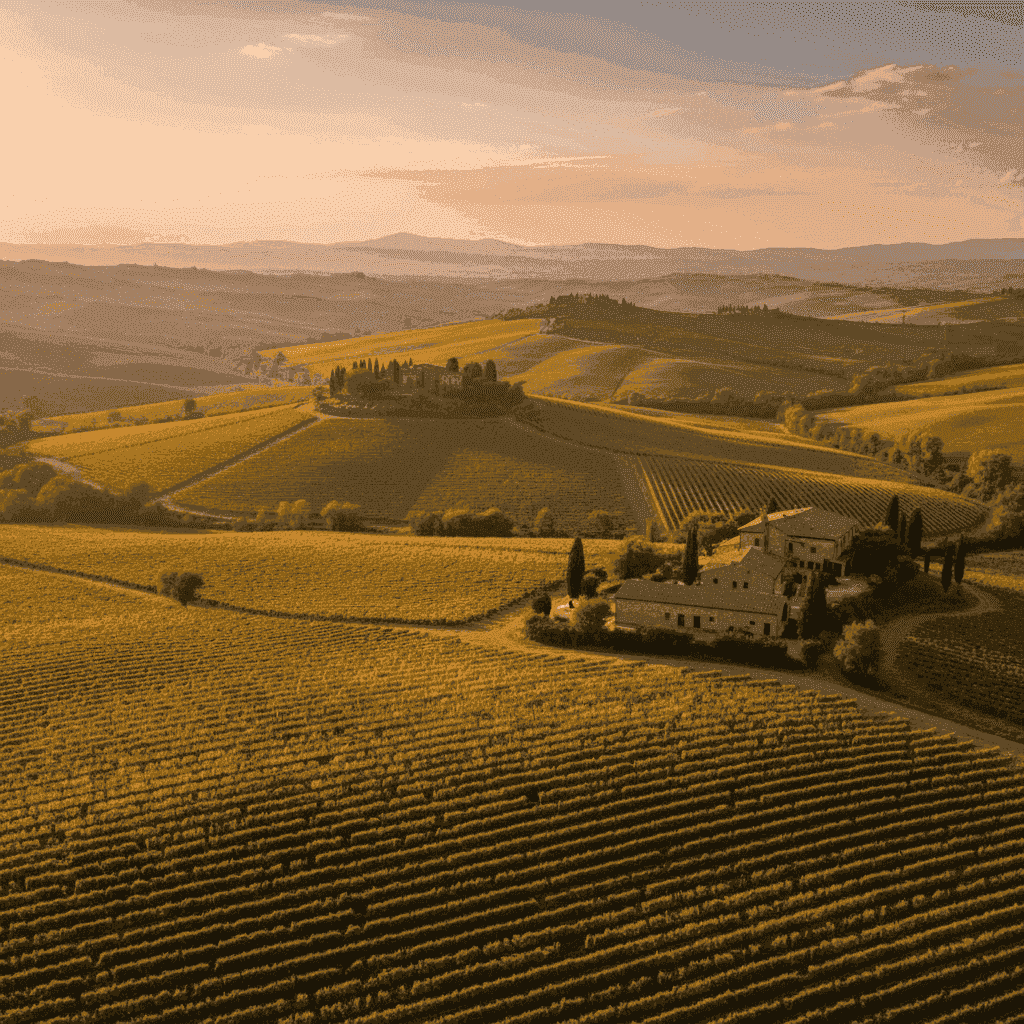
Tuscany, with its rolling hills and picturesque vineyards, is synonymous with Sangiovese-based wines, most notably Chianti, Chianti Classico, and Brunello di Montalcino. These wines are celebrated for their vibrant acidity, savory cherry notes, and food-friendly character. Beyond reds, Vernaccia di San Gimignano offers a crisp white option. Exploring the wineries of Toscana provides an immersive experience into Italy's winemaking heartland.
Veneto: Prosecco and Amarone's Domain
Veneto, located in northeastern Italy, is a powerhouse of diverse wine styles, ranging from the sparkling Prosecco to the rich, dried-grape Amarone della Valpolicella. Valpolicella and Soave are other key denominations, offering lighter reds and crisp whites respectively. The region's innovative spirit makes it a fascinating destination for both traditional and modern wine explorations.
Sicily: Volcanic Wines and Indigenous Grapes
Sicily, the largest island in the Mediterranean, is experiencing a renaissance in its wine industry, driven by its unique volcanic soils and a wealth of indigenous grape varieties. Nero d'Avola is the island's flagship red, known for its bold fruit and spice, while whites like Grillo and Carricante (especially from Mount Etna) offer minerality and complexity. This region offers unique terroirs, as highlighted in the Italy wine growing regions guide.
How Does Italy's Geography Influence its Wine Styles?
Italy's distinctive boot shape, bordered by mountains and seas, creates a remarkable array of microclimates and soil types that profoundly influence its diverse wine styles. From the cool Alpine foothills to the sun-drenched Mediterranean coasts, each geographical feature contributes to the unique character of Italian wines.
Alpine & Northern Climates
The cool, mountainous terrains of regions like Alto Adige and Valle d'Aosta produce crisp, aromatic white wines and elegant, lighter-bodied reds. The significant diurnal temperature variations here promote slow ripening, concentrating flavors while preserving acidity. The Po Valley's influence also contributes to specific regional characteristics.
Central Hills and Coastal Influences
Central Italian regions like Tuscany and Umbria benefit from rolling hills, moderating sea breezes, and diverse soils ranging from clay to limestone. This combination is ideal for cultivating Sangiovese, allowing it to develop its characteristic balance of fruit, acidity, and savory notes, benefiting from the beneficial coastal influences often discussed in guides to mastering the wine journey.
Southern Mediterranean Terroirs
The warmer, sun-drenched south, encompassing regions like Puglia and Sicily, boasts rich volcanic soils and intense Mediterranean sun, leading to powerful, full-bodied wines. Here, grapes like Primitivo, Negroamaro, and Nero d'Avola thrive, producing wines with concentrated fruit and often higher alcohol content, making areas like Puglia's wine region particularly notable.
A Snapshot of Key Italian Wine Regions (Table)
This table provides a concise overview of Italy's most prominent wine regions, their primary grapes, and signature wine styles.
| Region | Key Grapes | Signature Wines | Characteristics |
|---|---|---|---|
| Piedmont | Nebbiolo, Barbera, Dolcetto | Barolo, Barbaresco | Full-bodied reds, complex, age-worthy |
| Tuscany | Sangiovese | Chianti, Brunello di Montalcino | Medium-bodied reds, high acidity, savory |
| Veneto | Corvina, Rondinella, Glera | Amarone, Prosecco | Rich reds, sparkling whites, diverse |
| Sicily | Nero d'Avola, Grillo, Carricante | Etna Rosso, Cerasuolo di Vittoria | Bold reds, mineral-driven whites, volcanic influence |
| Puglia | Primitivo, Negroamaro | Primitivo di Manduria, Salice Salentino | Full-bodied, fruit-forward reds |
| Lombardy | Pinot Noir, Chardonnay, Nebbiolo | Franciacorta, Sforzato di Valtellina | Sparkling whites, elegant reds |
Which Indigenous Grapes Define Italy's Wine Identity?
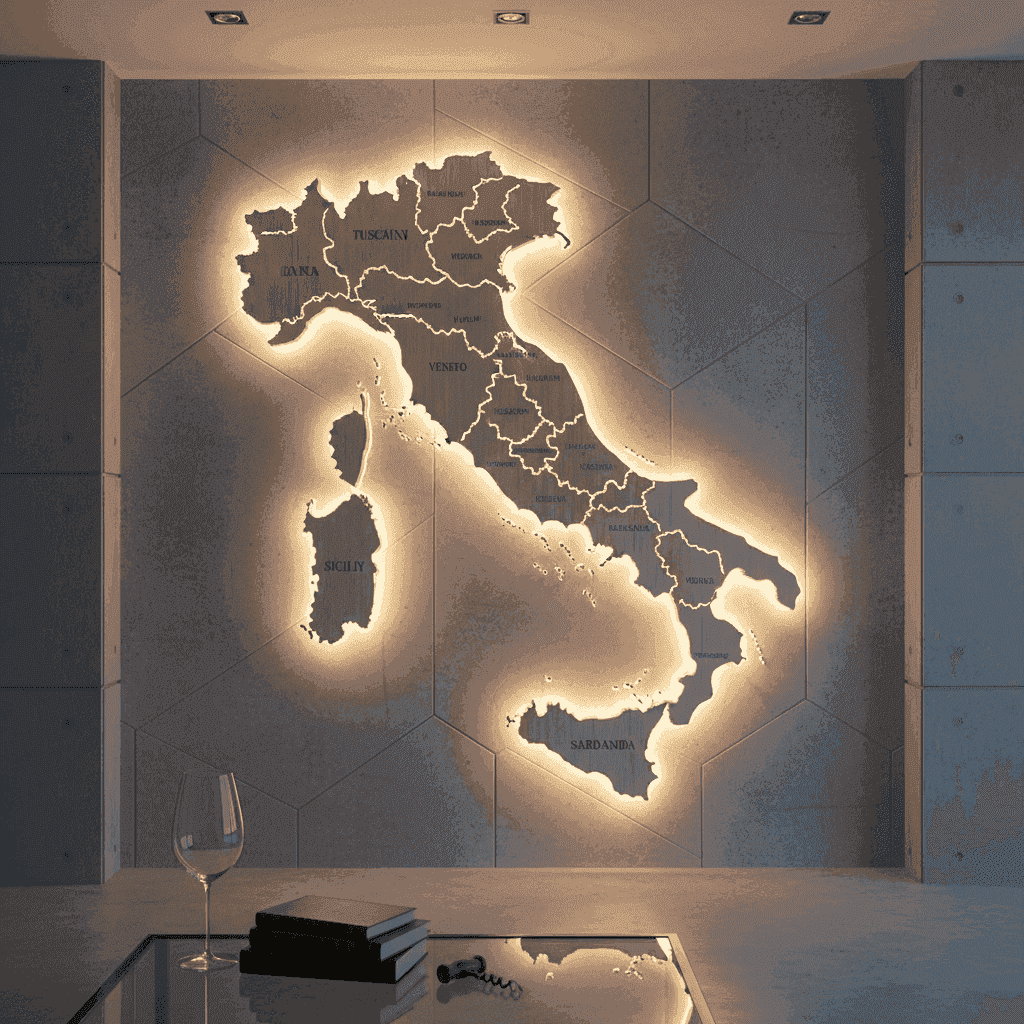
Italy's wine identity is deeply rooted in its vast array of indigenous grape varieties, many of which are rarely found outside the country, contributing to its unique terroir. These grapes are the foundation of Italy's diverse wine landscape.
Nebbiolo: Piedmont's Noble Varietal
Nebbiolo is the noble grape of Piedmont, responsible for the complex and long-lived Barolo and Barbaresco wines. It's known for its high acidity, firm tannins, and aromatic profile featuring notes of cherry, rose, licorice, and tar, evolving beautifully with age.
Sangiovese: Tuscany's Heartbeat
Sangiovese is arguably Italy's most important red grape, the backbone of Tuscany's iconic Chianti and Brunello di Montalcino. It produces wines with bright red fruit flavors, savory herbal notes, and a characteristic high acidity, making it incredibly versatile with food.
Aglianico: The South's Powerful Red
Aglianico is a highly regarded indigenous grape of Southern Italy, particularly Campania and Basilicata, producing powerful, full-bodied red wines with substantial tannins and aging potential. Often compared to Nebbiolo, it offers notes of dark fruit, spice, and earth.
Vermentino: Coastal White Elegance
Vermentino is a vibrant white grape thriving in coastal regions like Liguria, Sardinia, and Tuscany, producing aromatic wines with notes of citrus, green apple, and a distinctive saline minerality. It's an excellent pairing for seafood and light Mediterranean dishes.
How to Choose the Best Winery Tours in Each Region?
Selecting the best winery tours involves researching individual producers, understanding their offerings, and aligning them with your personal interests and budget.
Researching Wineries and Booking Tours
Start by identifying renowned producers and smaller, family-run estates within your chosen region, reading reviews, and checking their websites for tour details. Many popular wineries require advance bookings, especially during peak season. Utilize resources like the global grape map to understand regional specialties before diving into specific winery selections.
Tasting Experiences and Cellar Visits
The best tours often include a comprehensive cellar visit, explaining the winemaking process, followed by a guided tasting of several wines. Look for tours that offer insights into the history of the estate and the philosophy behind their wines.
Local Food Pairings and Culinary Experiences
Many wineries offer enhanced experiences that pair their wines with local cheeses, cured meats, or even full meals, providing a holistic cultural and gastronomic immersion. These culinary experiences elevate the tasting beyond just the wine itself.
What Makes Southern Italy's Wine Regions Unique?
Southern Italy's wine regions are unique due to their ancient winemaking traditions, hot Mediterranean climate, volcanic soils, and a reliance on distinctive indigenous grape varieties.
Puglia's Primitivo and Negroamaro
Puglia, the "heel" of Italy, is celebrated for its robust, full-bodied red wines made from Primitivo (genetically linked to Zinfandel) and Negroamaro. These wines are characterized by dark fruit flavors, a hint of spice, and often a higher alcohol content, reflecting the intense Mediterranean sun. Discovering Puglia's best wines is a journey into rustic elegance.
Campania's Ancient Grape Varieties
Campania, with its dramatic volcanic landscapes (Vesuvius), is home to some of Italy's oldest and most prized grape varieties, including the white Fiano di Avellino and Greco di Tufo, and the red Aglianico. These wines exhibit incredible minerality, complexity, and longevity.
Sardinia's Distinctive Reds and Whites
Sardinia, an island with a unique viticultural heritage, produces distinctive wines such as the Carignano del Sulcis (red) and Vermentino di Gallura (white). Its isolation has preserved unique clones and winemaking traditions, resulting in wines with a strong sense of place.
The Future of Italian Wine: Trends and Sustainability
The future of Italian wine is increasingly focused on sustainability, innovation, and a renewed appreciation for indigenous varieties and unique terroirs.
Organic and Biodynamic Practices
A growing number of Italian wineries are embracing organic and biodynamic viticulture, prioritizing environmental health and natural winemaking processes. This commitment reflects a global shift towards sustainable practices and is enhancing the quality and authenticity of Italian wines.
"Italian wine's strength lies not just in its history, but in its dynamic evolution, embracing tradition while innovating for a sustainable future."
Emerging Regions and Varietals
While iconic regions remain central, there's increasing interest in "new" old regions and rediscovered indigenous varietals, offering exciting new expressions and challenging conventional perceptions of Italian wine. This exploration adds depth to Italy's already rich wine map.
Wine Tourism Innovation
Italian wine regions are continually enhancing their tourism offerings, incorporating digital experiences, bespoke tours, and farm-to-table dining to provide more immersive and personalized visitor experiences. This evolution in winery tourism is vital for the industry's growth.