Toscana is renowned globally for its rich winemaking heritage, particularly its robust Sangiovese-based red wines like Chianti, Brunello di Montalcino, and Vino Nobile di Montepulciano. This iconic Italian region offers a diverse array of styles, from traditional to modern, alongside picturesque landscapes and a deeply intertwined food culture.
What Defines Toscana as a Wine Region?
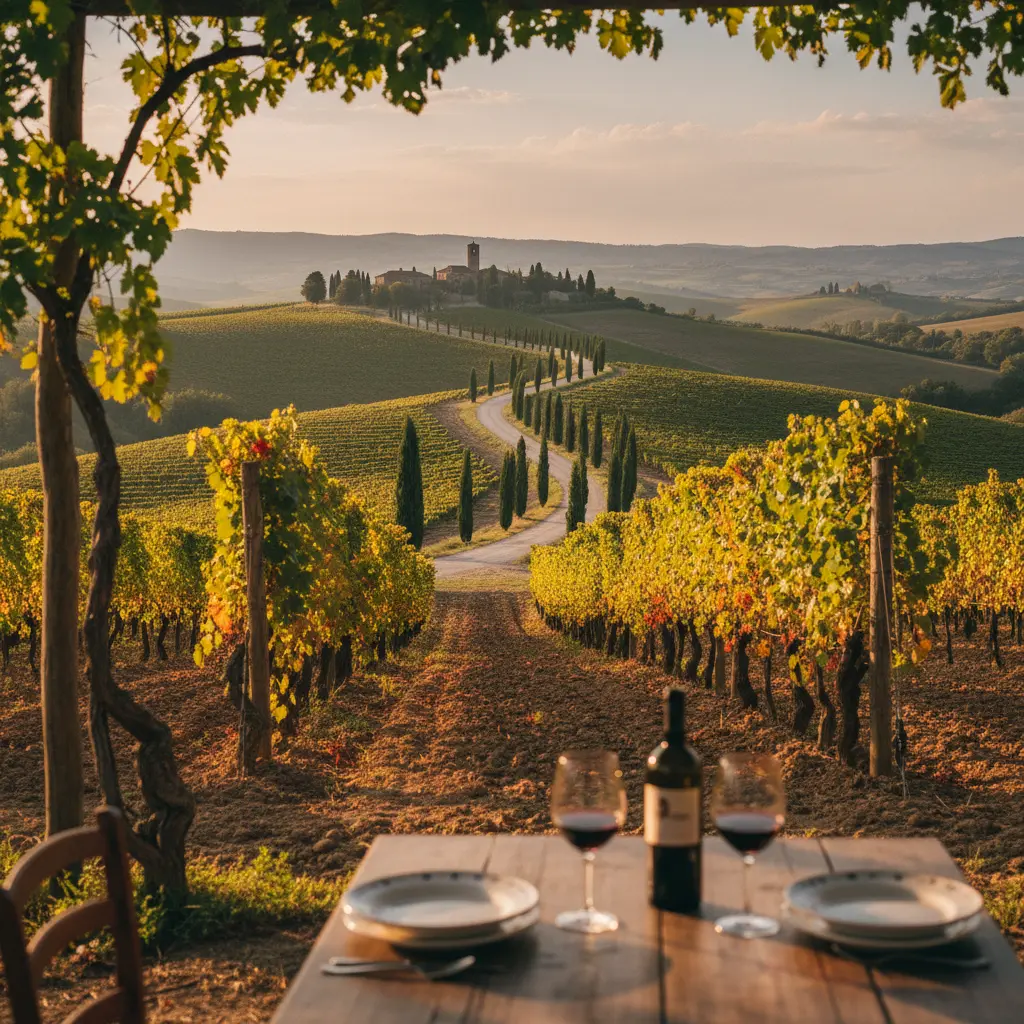
Toscana is defined by its unique blend of geography, climate, and historical winemaking traditions, creating an ideal environment for producing world-class wines. Located in central Italy, it boasts a diverse landscape of rolling hills, mountains, and coastal areas, all contributing to its distinctive terroir.
Geographic and Climatic Influences
Toscana's climate is predominantly Mediterranean, characterized by warm, dry summers and mild winters, moderated by proximity to the Tyrrhenian Sea and the Apennine Mountains. The region's undulating hills provide varied altitudes and exposures, allowing for optimal grape ripening, while diverse soil types-including galestro (shale), albarese (limestone), and clay-further contribute to the complexity and character of its wines.
Historical Significance in Italian Wine
Toscana holds profound historical significance in Italian wine, with viticulture dating back to Etruscan times, becoming a beacon of quality and tradition. The region's Chianti area, in particular, was formally recognized for its wine production as early as 1716, laying the groundwork for many of Italy's modern appellation laws. Discover more about Italy's Premier Wine Regions 2026.
Which Grapes Reign Supreme in Toscana?
Sangiovese is the undisputed king of grapes in Toscana, forming the backbone of its most famous and revered red wines. While Sangiovese dominates, other native and international varietals also play significant roles in the region's diverse wine portfolio.
Sangiovese: The Heart of Toscana
Sangiovese is a highly versatile grape that expresses itself differently across Toscana's varied sub-regions, consistently delivering wines with bright acidity, firm tannins, and savory notes. Its name, derived from 'Sanguis Jovis' (Blood of Jove), reflects its ancient roots and profound connection to the land. Wines range from the vibrant, approachable Chianti to the powerful, age-worthy Brunello di Montalcino.
Other Key Red Varietals
Beyond Sangiovese, Toscana cultivates several other important red grape varietals, both indigenous and international, contributing to the region's stylistic breadth. Indigenous grapes include Canaiolo and Colorino, often blended with Sangiovese in Chianti. International grapes like Cabernet Sauvignon, Merlot, and Syrah are crucial components of the region's famous 'Super Tuscans.'
Notable White Grapes of the Region
While predominantly known for its reds, Toscana also produces distinctive white wines, primarily from Vernaccia, Trebbiano, and Malvasia grapes. Vernaccia di San Gimignano is the region's only DOCG white wine, offering crisp, savory profiles. Trebbiano and Malvasia are often used for lighter, everyday whites or in the production of Vin Santo, a traditional sweet dessert wine.
What are the Signature Wine Styles of Toscana?
Toscana's signature wine styles are diverse, ranging from the structured elegance of Chianti Classico to the profound depth of Brunello di Montalcino and the innovative power of Super Tuscans. Each style reflects specific grape compositions, production methods, and terroir influences.
Chianti and Chianti Classico
Chianti is a dry red wine primarily made from Sangiovese, while Chianti Classico represents a smaller, historic sub-region with stricter production rules, often yielding wines of greater complexity and aging potential. Chianti typically requires at least 70% Sangiovese, while Chianti Classico must be at least 80% Sangiovese. Both are known for their bright cherry, herbal, and earthy notes.
Brunello di Montalcino
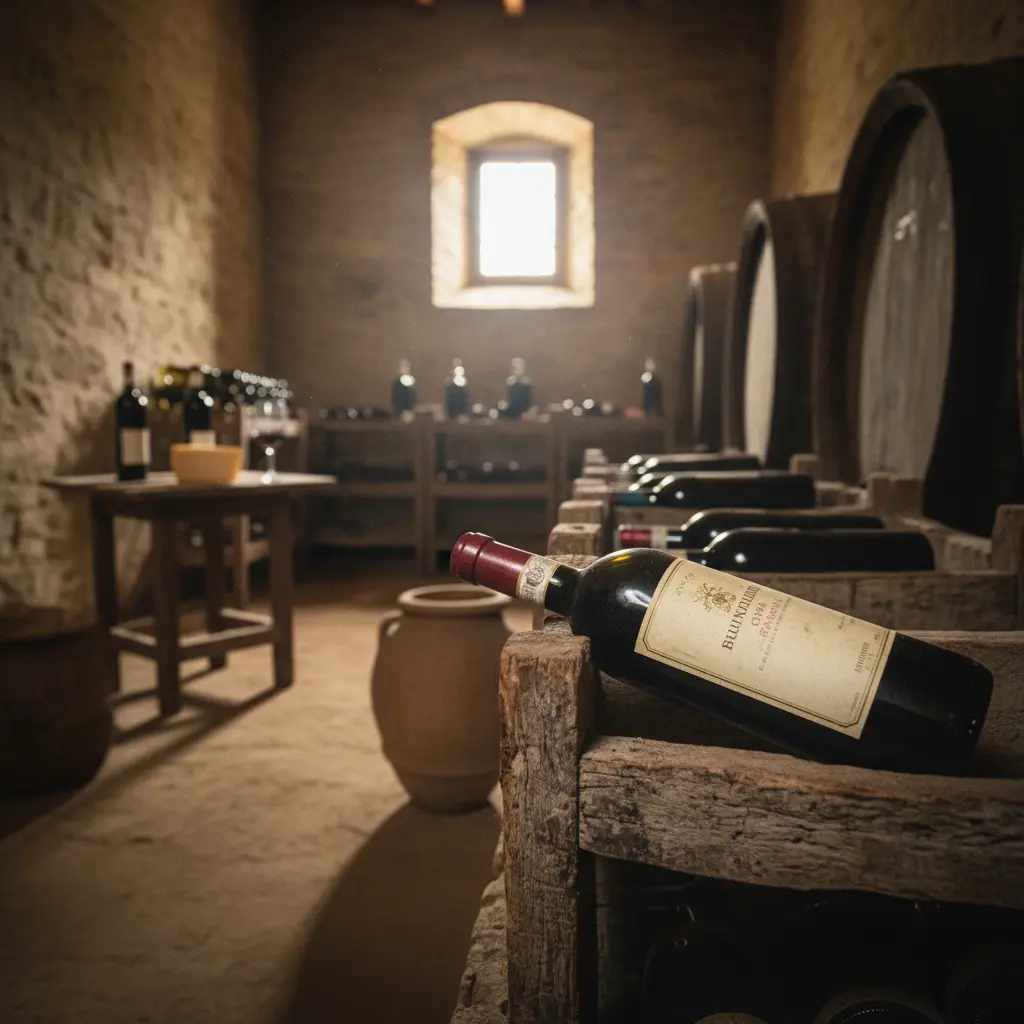
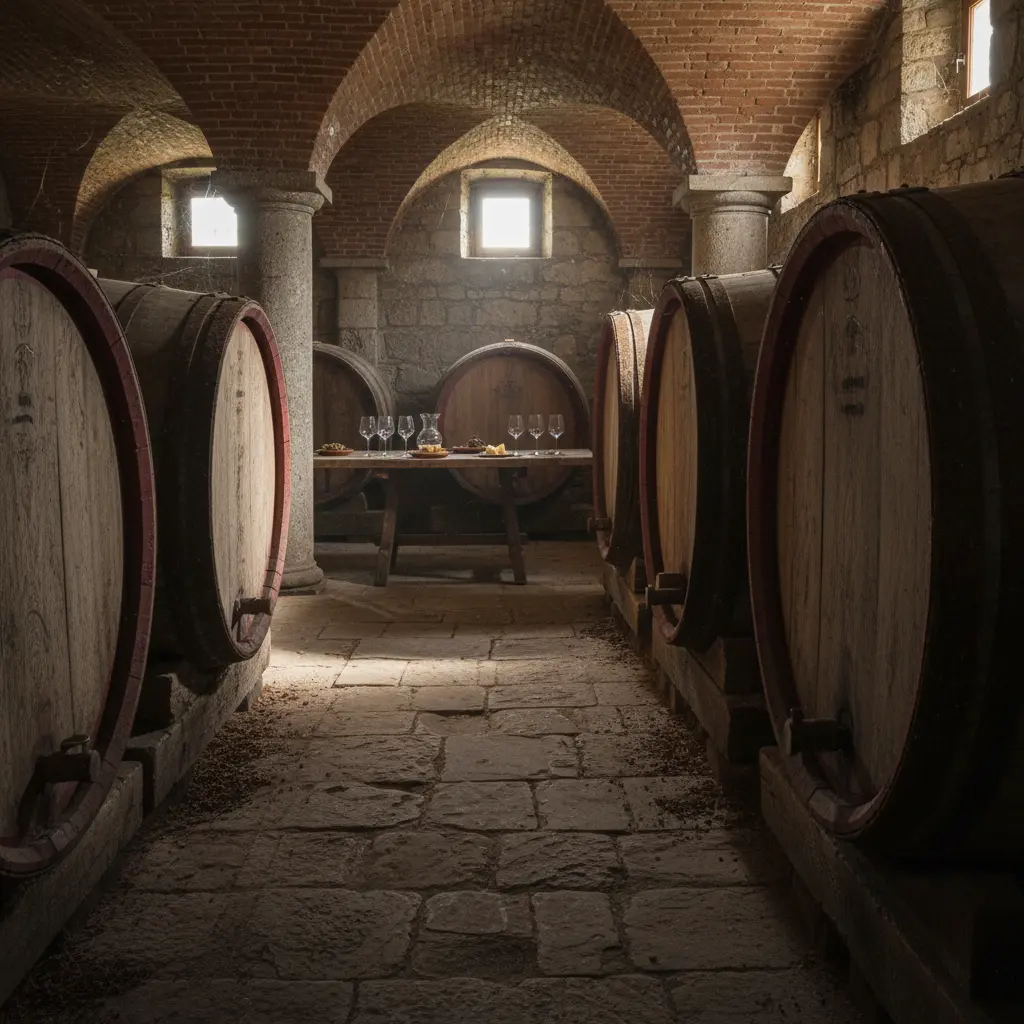
Brunello di Montalcino is an esteemed, long-lived red wine made exclusively from 100% Sangiovese Grosso (a local clone of Sangiovese) in the Montalcino area. It is known for its intense fruit, robust structure, and requirements for extended aging-at least five years, with two in oak-before release. This results in wines with profound depth, evolving savory notes, and exceptional longevity.
Vino Nobile di Montepulciano
Vino Nobile di Montepulciano is a prestigious red wine from the Montepulciano region, primarily crafted from Prugnolo Gentile (another Sangiovese clone), known for its aromatic complexity and softer tannins than Brunello. This wine requires at least 70% Prugnolo Gentile, often blended with Canaiolo and other local grapes, offering flavors of plum, violet, and tobacco, with a velvety texture.
Super Tuscans: A Modern Revolution
Super Tuscans are innovative, high-quality red wines that emerged in Toscana during the 1970s, often blending international grape varieties like Cabernet Sauvignon and Merlot with or without Sangiovese, falling outside traditional DOC/DOCG classifications initially. These wines pushed boundaries, focusing on quality and breaking from rigid regulations, leading to some of Italy's most sought-after and expensive bottles, known for their richness, power, and aging ability.
How Do Toscana Wines Taste?
Toscana wines generally exhibit a profile of vibrant red fruit, earthy undertones, high acidity, and firm tannins, particularly those made from Sangiovese. The specific flavors and textures vary significantly depending on the grape varietal, sub-region, and aging regime.
Typical Flavor Profiles by Wine Type
Chianti often presents bright cherry, raspberry, and herbal notes with an earthy finish, while Brunello di Montalcino offers darker fruit like blackberry and plum, intertwined with leather, tobacco, and balsamic complexities. Vino Nobile di Montepulciano typically shows red fruit, violet, and a hint of spice. Super Tuscans, depending on their blend, can range from Bordeaux-like cassis and cedar to more plush, velvety fruit expressions.
| Wine Style | Primary Grape(s) | Key Flavor Notes | Acidity/Tannins | Aging Potential |
|---|---|---|---|---|
| Chianti | Sangiovese (min. 70%) | Cherry, raspberry, herbal, earthy | High / Medium-Firm | 2-7 years |
| Chianti Classico | Sangiovese (min. 80%) | Red fruit, violet, tobacco, dried herbs | High / Firm | 5-15+ years |
| Brunello di Montalcino | Sangiovese Grosso (100%) | Blackberry, plum, leather, tobacco, balsamic | High / Robust | 10-30+ years |
| Vino Nobile di Montepulciano | Prugnolo Gentile (min. 70%) | Plum, cherry, violet, spice | High / Medium-Firm | 5-15 years |
| Super Tuscan | Cabernet Sauvignon, Merlot, Syrah (often with Sangiovese) | Cassis, dark fruit, cedar, spice, vanilla | Medium-High / Firm-Velvety | 10-25+ years |
Acidity and Tannin Structure
Toscana red wines are characteristically high in acidity and possess a robust tannic structure, crucial elements that contribute to their food-pairing versatility and remarkable aging potential. The acidity provides freshness and balance, while tannins offer structure and a pleasing grip on the palate, evolving into smoother textures with age. This makes them ideal for aging like fine wine.
Where are the Best Wineries to Visit in Toscana?
Toscana is home to countless exceptional wineries, ranging from historic estates steeped in tradition to modern, innovative producers, with many offering tours and tastings. Popular wine regions for visits include Chianti Classico, Montalcino, and Montepulciano.
Planning Your Winery Tour
Planning a winery tour in Toscana involves selecting specific regions, booking appointments in advance, and considering transportation options like guided tours or self-driven routes.
- Choose Your Region: Decide between Chianti Classico for rolling hills and historic estates, Montalcino for grand Brunello, or Montepulciano for charming hilltop towns and Vino Nobile.
- Research Wineries: Look for wineries that offer English-speaking tours, specific wine styles you enjoy, or unique experiences like cooking classes. Consider Toscana's Best Wineries.
- Book in Advance: Many wineries, especially smaller, family-run estates, require pre-booked appointments for tastings and tours.
- Arrange Transport: Rent a car for flexibility, hire a private driver, or join an organized wine tour to navigate the winding country roads safely.
- Pace Yourself: Plan for 2-3 winery visits per day to fully enjoy each experience without rushing.
Renowned Producers in Each Appellation
Toscana features numerous celebrated producers known for their quality and historical significance across its primary appellations.
"Toscana's winemaking is a living testament to tradition and innovation, where every bottle tells a story of sun-drenched hills and passionate craftsmanship." - Renowned Italian Wine Critic
For Chianti Classico, look for Antinori, Ricasoli, and Fèlsina. In Montalcino, benchmark producers include Biondi-Santi (the originator of Brunello), Argiano, and Casanova di Neri. For Vino Nobile di Montepulciano, Avignonesi and Poliziano are highly regarded. Many of these are considered among the Best Wineries in Italy.
What Food Pairings Enhance Toscana Wines?
Toscana wines, particularly those based on Sangiovese, are exceptionally food-friendly, pairing beautifully with rich, savory, and umami-rich dishes due to their high acidity and firm tannin structure. The regional cuisine of Toscana is naturally tailored to complement its wines.
Classic Pairings for Sangiovese-based Wines
Classic pairings for Sangiovese-based wines include grilled meats, aged cheeses, and pasta dishes with hearty meat sauces. The acidity in the wine cuts through the richness of the food, while tannins bind with proteins, creating a balanced and satisfying experience. Consider Bistecca alla Fiorentina (Florentine steak), wild boar ragu, or Pecorino Toscano cheese.
Regional Tuscan Cuisine Matches
Tuscan cuisine, characterized by its emphasis on fresh, local ingredients like olive oil, tomatoes, herbs, and various meats, provides ideal matches for the region's wines. Dishes like Ribollita (hearty bread and vegetable soup), Pappa al Pomodoro (tomato and bread soup), and Fagioli all'Uccelletto (cannellini beans with sage and tomato) are excellent with lighter Chianti or Rosso di Montalcino.
Creative Pairings Beyond Tradition
Beyond traditional Tuscan fare, Toscana wines can be creatively paired with diverse cuisines, including gourmet pizzas, rich vegetarian stews, or even certain Asian dishes with umami components. For example, a younger Chianti can complement a mushroom pizza, while a well-aged Brunello might surprise alongside a complex, slow-cooked lentil dish or even certain preparations of duck. This expands on the concepts of Mastering the Wine Journey.
How to Buy and Store Toscana Wines?
Buying Toscana wines requires understanding labels and vintages, while proper storage is essential to preserve their quality and allow them to evolve gracefully. These practices ensure you get the most out of your investment.
Understanding Vintages and Labels
Understanding vintages and labels involves recognizing the year of harvest and the specific appellation (e.g., Chianti Classico DOCG, Brunello di Montalcino DOCG) to gauge quality and style. Look for the DOCG (Denominazione di Origine Controllata e Garantita) stamp, indicating the highest level of Italian wine classification. Researching vintage charts can provide insight into the quality of a specific harvest year.
Optimal Storage Conditions
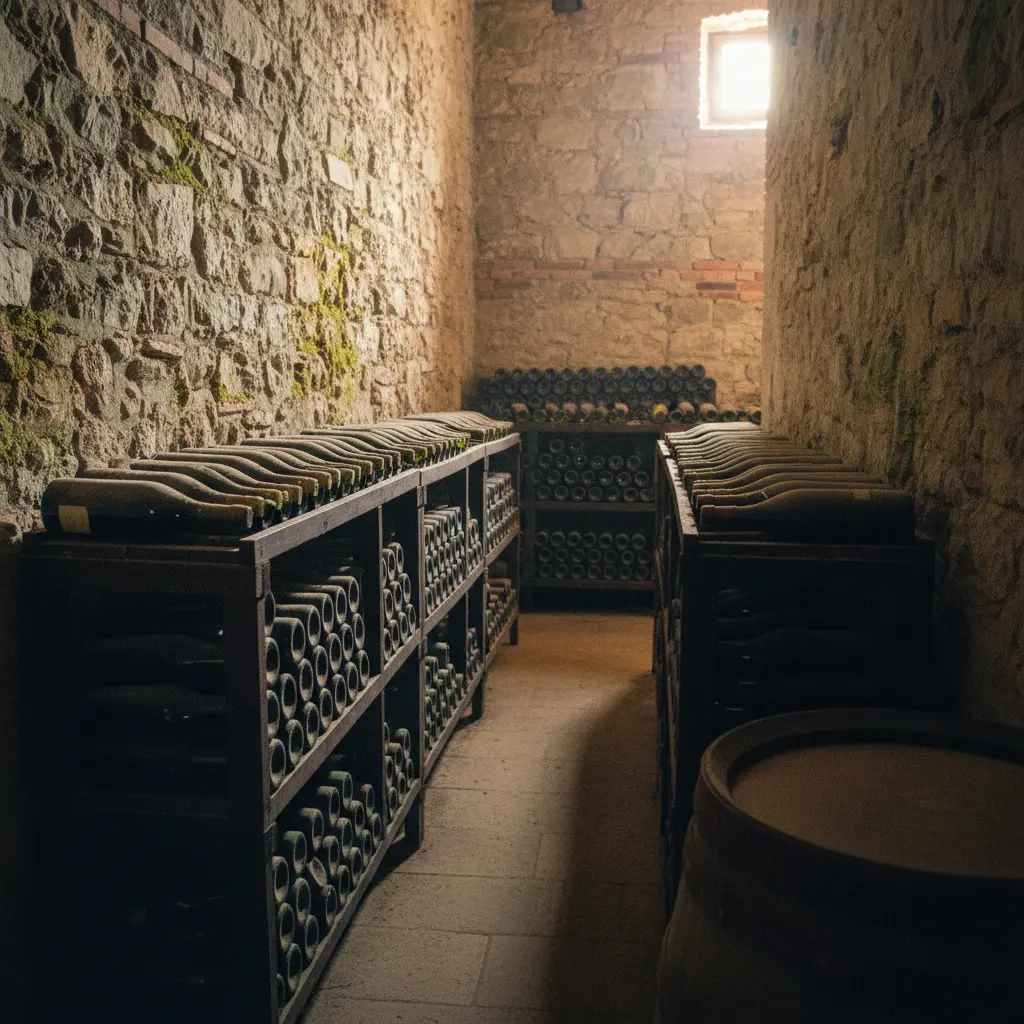
Optimal storage conditions for Toscana wines include a cool, dark, and humid environment with consistent temperatures between 50-59°F (10-15°C) and around 70% humidity. Keep bottles on their side to prevent corks from drying out, and protect them from vibrations and strong odors. Consistency is key for long-term aging.
Finding Reputable Retailers
Finding reputable retailers, both online and in brick-and-mortar stores, is crucial for sourcing authentic and well-cared-for Toscana wines. Look for specialists with good reputations, knowledgeable staff, and proper storage facilities. Websites of established importers or wineries often list their authorized dealers. For local options, check out Finding the Best Wine Stores Near You.
The Future of Toscana Wine: Trends and Innovations
The future of Toscana wine is marked by increasing adoption of sustainable practices and a focus on expressing regional terroir, alongside the rise of new producers and a continued evolution of classic styles. The region balances its profound heritage with a progressive outlook.
Sustainable Viticulture Practices
Sustainable viticulture practices are becoming increasingly prevalent in Toscana, with many wineries implementing organic and biodynamic farming to protect the environment and enhance grape quality. This includes reducing chemical use, promoting biodiversity, and optimizing water management. Such practices reflect a commitment to preserving the region's natural beauty and ensuring the longevity of its vineyards.
Emerging Producers and Regions
While traditional powerhouses continue to dominate, Toscana is also seeing the rise of exciting new producers and the revitalization of lesser-known sub-regions, bringing fresh perspectives to its wine landscape. These innovators often experiment with native grape varietals, modern winemaking techniques, or focus on specific, unique microclimates, offering new expressions of Tuscan terroir to discover. This trend further enriches the landscape of Italy's Premier Wine Regions.