South Australia is unequivocally one of the world's most distinguished wine regions, renowned globally for its exceptional quality and diverse styles. It accounts for approximately half of Australia's total wine production and is home to some of the oldest vines on Earth, free from phylloxera, contributing to its unique viticultural heritage.
What Makes South Australia a Premier Wine Region?
South Australia's status as a premier wine region stems from its ancient soils, diverse microclimates, and a pioneering spirit that has preserved heritage vines while embracing modern winemaking techniques. This unique combination allows for the cultivation of a vast array of grape varieties, each expressing its regional terroir distinctively.
Geological Foundations and Ancient Soils
The geological foundations of South Australia feature some of the oldest soils, including limestone, terra rossa, and ancient sandy loams, which impart unique mineral characteristics and complexity to its wines. These low-fertility soils stress the vines, encouraging deep root growth and concentrated fruit flavors.
Climate Diversity Across Regions
South Australia boasts a remarkable range of climates, from the warm, continental conditions of the Barossa Valley to the cooler, maritime influences of McLaren Vale and the elevated, crisp air of the Adelaide Hills. This climatic spectrum enables different grape varieties to thrive in their ideal environments, contributing to the region's diverse wine portfolio.
Heritage Vines and Winemaking Legacy
South Australia's winemaking legacy is underpinned by its priceless heritage vines, some over 150 years old, which produce wines of extraordinary depth and intensity due to their established root systems and low yields. These old vines, particularly of Shiraz and Grenache, are a testament to the region's uninterrupted viticultural history, untouched by the phylloxera epidemic.
What are the Key Wine Regions of South Australia?
South Australia encompasses several world-class wine regions, each celebrated for distinct grape varieties and wine styles. From the robust reds of the Barossa to the elegant whites of Clare Valley, these regions offer a spectrum of unique tasting experiences.
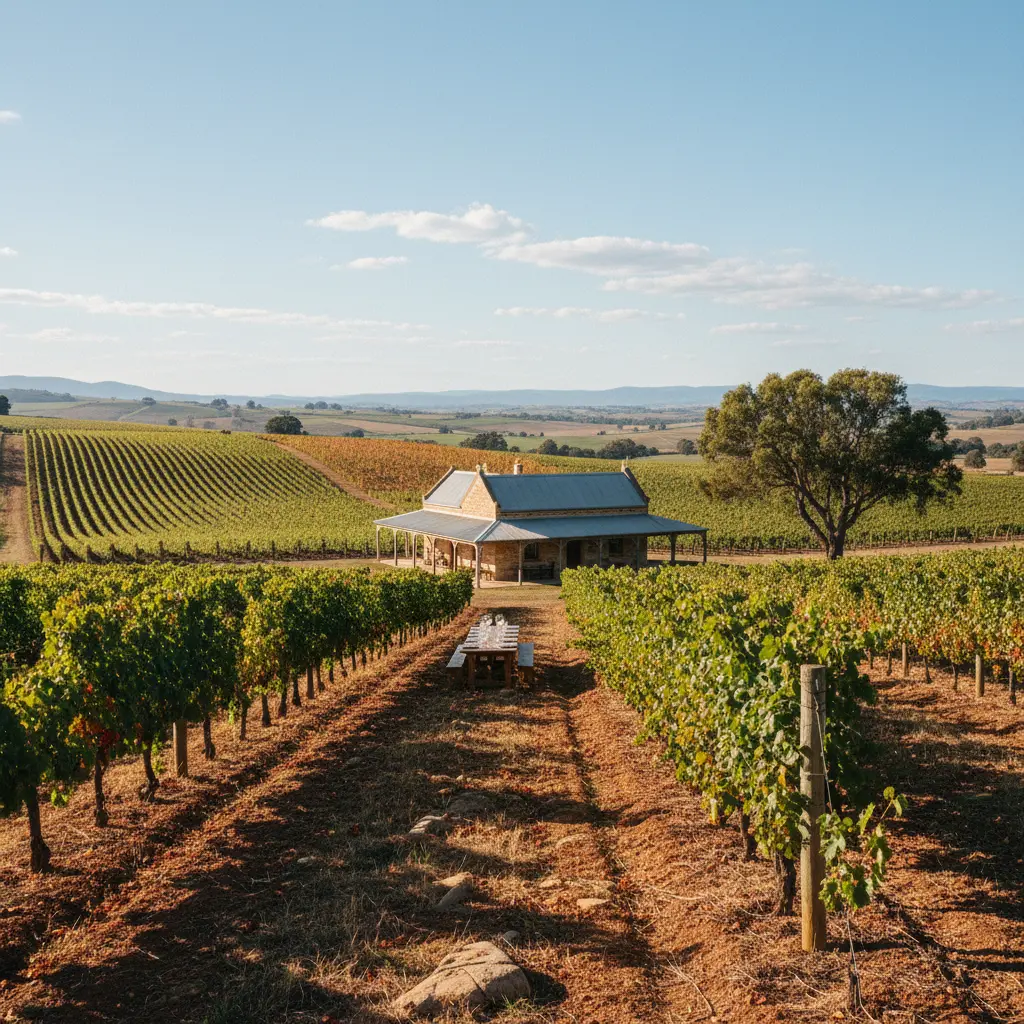
Barossa Valley: Home of Iconic Shiraz
Barossa Valley is globally synonymous with powerful, full-bodied Shiraz, characterized by rich dark fruit flavors, spice, and velvety tannins. It is also home to exceptional Grenache and Cabernet Sauvignon, thriving in its warm, dry climate and ancient soils.
McLaren Vale: Coastal Influence and Mediterranean Grapes
McLaren Vale, benefiting from its proximity to the St Vincent Gulf, produces a diverse range of wines, including elegant Shiraz, Grenache, and Mourvຍre, alongside excellent Cabernet Sauvignon and Mediterranean varieties like Fiano and Tempranillo. The region's maritime climate ensures balanced ripeness and fresh acidity.
Clare Valley: Elegant Riesling and Aromatic Whites
Clare Valley is internationally recognized for its dry, aromatic Rieslings, which exhibit intense lime, citrus, and floral notes, evolving into complex toast and honey characters with age. Its elevation and cooling nights provide ideal conditions for these high-acid white wines, as well as refined Shiraz and Cabernet Sauvignon.
Coonawarra: The Terra Rossa Strip and Cabernet Sauvignon
Coonawarra is famous for its narrow strip of 'terra rossa' soil, a vibrant red soil over limestone, which is perfectly suited for producing world-class Cabernet Sauvignon. These wines are known for their distinctive blackcurrant, mint, and cedar notes, with fine tannins and excellent aging potential.
Adelaide Hills: Cool Climate Elegance
Adelaide Hills is a cool-climate region producing elegant, refined wines, particularly Chardonnay, Sauvignon Blanc, Pinot Noir, and sparkling wines. Its high altitude and significant diurnal temperature variation contribute to grapes with vibrant acidity and complex aromatics.
Which Grape Varieties Dominate South Australian Wines, and What are Their Styles?
South Australia excels in producing exceptional wines from a handful of dominant grape varieties, each expressing unique regional characteristics. These include the mighty Shiraz, the refined Cabernet Sauvignon, and the vibrant Riesling, among others.
Shiraz: South Australia's Signature Red
Shiraz from South Australia ranges from the intensely concentrated, plush, and spicy wines of the Barossa Valley to the more peppery and elegant expressions found in cooler regions like McLaren Vale and Clare Valley. It is the region's most planted grape and its undisputed icon, often exhibiting notes of blackberry, plum, chocolate, and licorice.
Cabernet Sauvignon: Structure and Finesse
South Australian Cabernet Sauvignon, particularly from Coonawarra and Langhorne Creek, is celebrated for its structured tannins, concentrated blackcurrant and mint flavors, and long aging potential. These wines often display a balance of power and elegance, making them excellent companions for rich foods.
Riesling: Crisp and Age-Worthy Whites
Clare Valley Riesling stands out for its high natural acidity, purity of fruit, and remarkable ability to age, developing complex characters of toast, honey, and marmalade over time. These dry, refreshing white wines are a testament to the region's cool nights and unique terroir, perfect for pairing with seafood.
Grenache: Old Vine Revival
South Australia, especially the Barossa Valley and McLaren Vale, is a global stronghold for old vine Grenache, producing wines of vibrant red fruit, spice, and supple tannins. This varietal has seen a significant revival, offering approachable yet complex red wines that are less tannic than Shiraz or Cabernet.
How Does South Australia's Unique Terroir Influence its Wines?
South Australia's unique terroir is defined by a remarkable interplay of ancient geology, varied climatic zones, and sustainable viticultural practices that allow each region to express its distinct character through its wines. This diversity is a cornerstone of its winemaking excellence.
Impact of Ancient Geology and Soils
The ancient geological history of South Australia has blessed its wine regions with diverse soil types, such as the famous terra rossa of Coonawarra, the sandy loams of McLaren Vale, and the ironstone-rich soils of the Barossa, all contributing distinct mineral profiles and textures to the grapes grown within them. These soils are often low in nutrients, forcing vines to delve deep, resulting in concentrated fruit.
Influence of Climate and Aspect
The varied climates, from continental to maritime, combined with specific vineyard aspects and altitudes, profoundly influence grape ripeness, acidity, and aromatic development. Cooler climates and higher elevations, like the Adelaide Hills, foster delicate, high-acid wines, while warmer, inland regions promote richness and power.
"South Australia is a region of immense viticultural fortune, where ancient vines and diverse terroirs converge to create wines of extraordinary character and longevity. It's a place where tradition meets innovation, producing global benchmarks."
What are the Best Food Pairings for South Australian Wines?
Pairing food with South Australian wines is a delightful culinary adventure, given the region's diverse styles, from robust reds to crisp whites. The key is to match the intensity and characteristics of the wine with the flavors of the dish, creating a harmonious experience.
Pairing Barossa Shiraz
Barossa Shiraz, with its full body, rich fruit, and often spicy notes, pairs exceptionally well with hearty, flavorsome dishes such as slow-cooked lamb shanks, grilled steak, or rich beef stews. Consider a robust Shiraz for your next beef stew, and explore choosing red wine for steak.
Pairing Clare Valley Riesling
Clare Valley Riesling's high acidity and vibrant citrus notes make it an ideal partner for fresh seafood, Thai curries, Vietnamese dishes, or even roasted chicken. Its ability to cut through richness and cleanse the palate is a significant asset.
Pairing Coonawarra Cabernet Sauvignon
Coonawarra Cabernet Sauvignon's firm structure and savory blackcurrant character are best complemented by classic red meat preparations, including prime rib, venison, or mature cheddar cheeses. These pairings highlight the wine's elegance and tannin structure.
Which are the Top Wineries to Visit in South Australia?
South Australia hosts a wealth of iconic and innovative wineries, many of which offer immersive cellar door experiences, showcasing the best of the region's viticulture and hospitality. A visit provides a deeper understanding of the winemaking process and the chance to taste rare vintages.
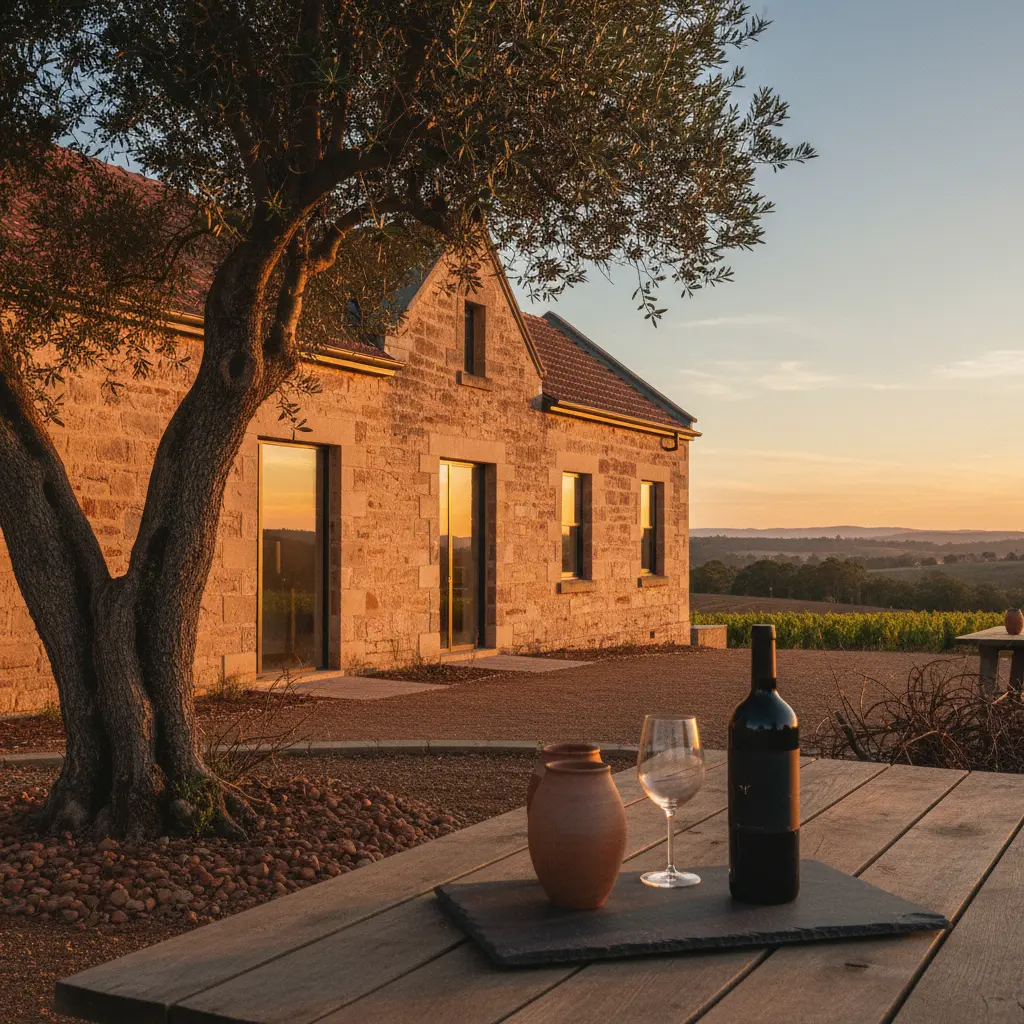
Penfolds: A Legacy of Australian Winemaking
Penfolds, an internationally acclaimed winery, offers an unparalleled experience at its Magill Estate, featuring tours, tastings, and a fine dining restaurant, celebrated for its Grange Shiraz. This winery is central to understanding Australia's fine wine story.
Yalumba: Australia's Oldest Family-Owned Winery
Yalumba, located in the Barossa Valley, is Australia's oldest family-owned winery, known for its commitment to tradition, innovation, and diverse varietals, particularly its Viognier and Grenache. Their cellar door provides a rich historical perspective and unique tasting opportunities.
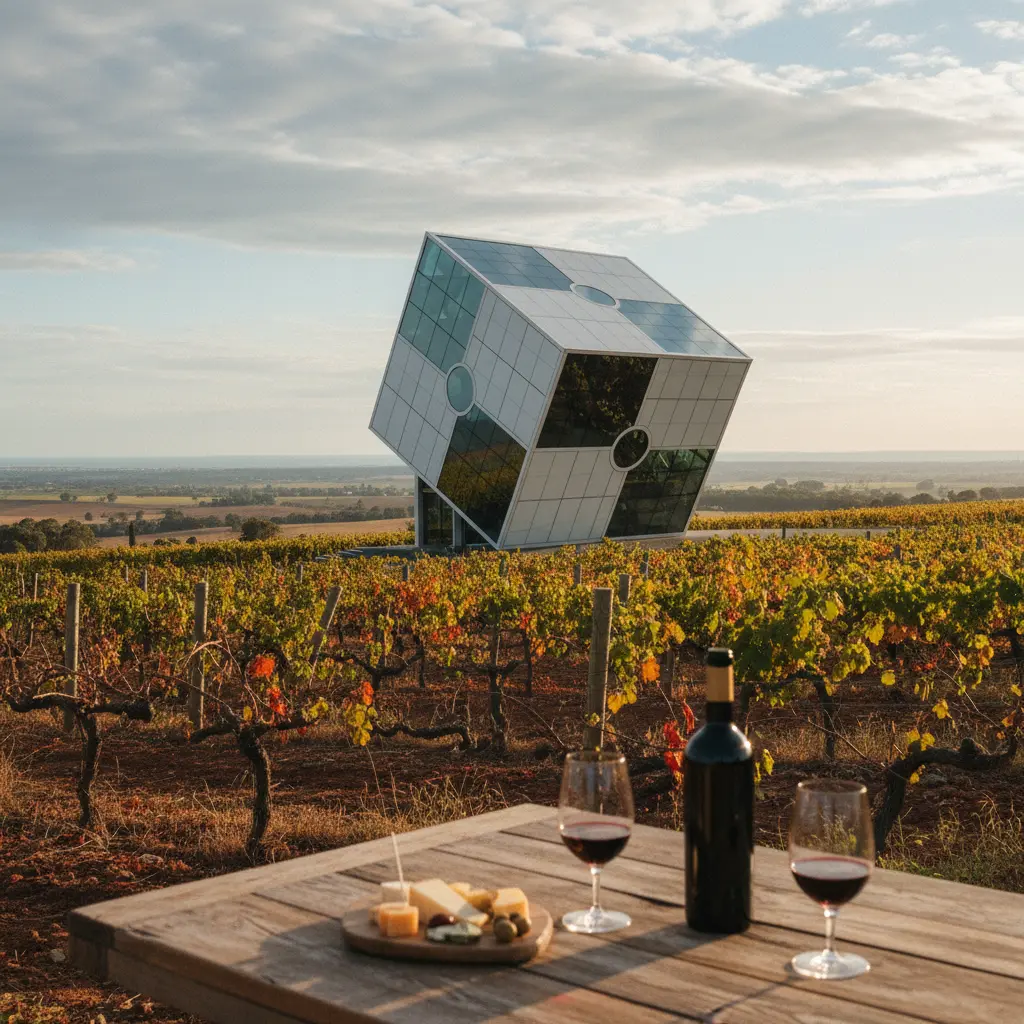
d'Arenberg: The Cube and Eclectic Wines
d'Arenberg, situated in McLaren Vale, is famous for its architectural marvel, 'The Cube,' offering interactive experiences, art installations, and a diverse range of distinctive wines. Their portfolio spans traditional and innovative blends, making for a memorable visit.
How Should You Plan Your South Australia Wine Trip?
Planning a wine trip to South Australia involves considering the best time to visit, transportation, accommodation, and which regions align with your tasting preferences. A well-planned itinerary ensures a rich and rewarding experience.
- Determine Your Focus: Decide which specific regions and grape varieties you want to prioritize, as South Australia is vast and diverse. For example, Barossa for Shiraz, Clare Valley for Riesling, or McLaren Vale for a broader mix.
- Choose Your Season: Consider visiting during autumn (March-May) for harvest festivities and milder weather, or spring (September-November) for lush vineyards and pleasant temperatures. Summer can be very hot, while winter offers cozy cellar door experiences.
- Arrange Accommodation and Transport: Book accommodations well in advance, especially during peak season, ranging from boutique hotels to vineyard cottages. Renting a car is often recommended for flexibility, or consider guided tours for a worry-free experience of memorable wine and dine experiences.
- Plan Your Itinerary: Allocate at least 2-3 days per major region to allow for comprehensive winery visits, food pairings, and local attractions. Use tools like Google Maps to group wineries geographically.
- Book Tastings and Tours: Many premium wineries require advance bookings for tastings, especially for specialized experiences or larger groups. Check their websites or call ahead.
How to Buy and Store South Australian Wines?
Understanding how to buy and properly store South Australian wines is crucial for preserving their quality and maximizing their enjoyment. This involves recognizing key vintage characteristics and adhering to optimal cellaring conditions to ensure they age like a fine wine.
Understanding Vintages and Quality
While South Australia generally enjoys consistent vintages, understanding the characteristics of specific years can enhance your buying decisions. Consult vintage charts for insights into climate challenges and their impact on grape quality in particular regions.
Cellaring South Australian Wines
Many premium South Australian wines, especially Barossa Shiraz and Coonawarra Cabernet, benefit significantly from proper cellaring conditions, including consistent temperature (12-14°C), humidity (70-75%), and protection from light and vibration. These conditions allow the wines to develop complexity and integrate their components over time.
What is South Australia's Global Standing in Wine Production?
South Australia holds a prominent and respected position in the global wine landscape, consistently recognized for its high-quality, distinctive wines and innovative winemaking. Its wines are benchmarks for many varieties, particularly Shiraz and Cabernet Sauvignon.
International Recognition and Awards
South Australian wines regularly receive international accolades and high scores from critics, solidifying their reputation on the world stage. This consistent recognition underscores the region's commitment to excellence and its capacity to produce wines of global significance.
Sustainability and Future Outlook
South Australia's wine industry is increasingly focused on sustainable viticultural practices, including water conservation, biodiversity, and organic farming, ensuring the long-term health of its vineyards and environment. This forward-thinking approach positions the region for continued success and leadership in sustainable winemaking.
South Australia Wine Region Comparison Table
This table offers a quick comparison of South Australia's key wine regions, highlighting their signature grapes and typical wine styles.
| Region | Signature Grape | Typical Wine Style | Climate |
|---|---|---|---|
| Barossa Valley | Shiraz | Full-bodied, rich, spicy reds | Warm, continental |
| McLaren Vale | Shiraz, Grenache | Structured, fruit-driven reds; some elegant whites | Warm, maritime |
| Clare Valley | Riesling | Dry, aromatic, high-acid whites; some refined reds | Cool, continental, high altitude |
| Coonawarra | Cabernet Sauvignon | Structured, savory, age-worthy reds | Cool, maritime |
| Adelaide Hills | Chardonnay, Sauvignon Blanc, Pinot Noir | Elegant, crisp whites; delicate reds; sparkling | Cool, high altitude |