The Rheingau is a prestigious German wine region renowned globally for its exceptional Riesling wines, characterized by their elegance, minerality, and remarkable aging potential. This narrow, south-facing strip of vineyards along the Rhine River offers a unique microclimate and diverse soils, making it one of the most significant white wine producing areas in the world.
What Makes the Rheingau Wine Region Unique?
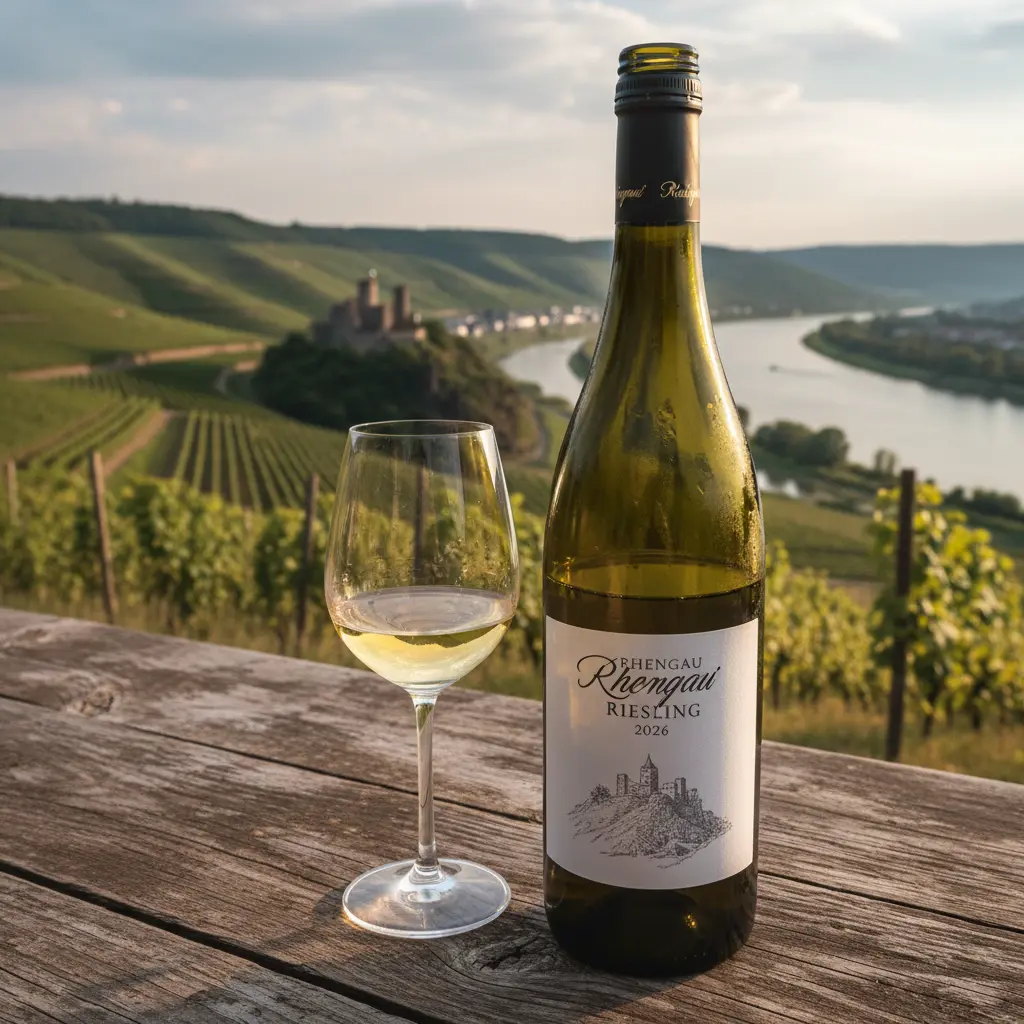
The Rheingau's uniqueness stems from its distinct geographic orientation, historical winemaking legacy, and a near-exclusive focus on Riesling. Positioned on the northern bank of the Rhine River, the vineyards benefit from a southerly exposure, maximizing sun ripeness, while the river itself moderates temperatures and reflects sunlight onto the vines, creating an ideal microclimate for viticulture.
Geographic Advantages and Climate Influences
The Rheingau region is a relatively small, compact area stretching approximately 30 kilometers along the Rhine, perfectly angled to capture maximum sunlight. The Taunus hills to the north provide shelter from cold winds, while the Rhine's broad expanse acts as a thermal regulator, preventing extreme temperature fluctuations. This combination of factors ensures a long growing season that allows Riesling grapes to develop complex aromatics and balanced acidity.
Historical Significance in German Viticulture
The Rheingau boasts a rich winemaking history dating back to Roman times, with monastic orders playing a pivotal role in shaping its viticultural practices. Estates like Kloster Eberbach and Schloss Johannisberg have cultivated vines for centuries, establishing many of the quality standards and classifications still recognized today. Their influence cemented Riesling's status as the region's noble grape and pioneered many modern winemaking techniques.
Why is Rheingau Riesling So Dominant?
Rheingau Riesling is celebrated for its purity, expressive fruit, and distinctive mineral backbone, making it the benchmark for quality white wine in Germany. While other grapes are grown, Riesling accounts for over 80% of the planted area, a testament to its exceptional suitability to the region's terroir.
Signature Style Profile and Versatility
Rheingau Rieslings typically present a spectrum of styles, from bone-dry (Trocken) to lusciously sweet (Edelsüß), all characterized by vibrant acidity and intense aromatics. Common flavor notes include green apple, citrus, peach, apricot, and often a distinctive slate-driven minerality, with a touch of petrol developing gracefully with age. This versatility allows them to pair with a wide range of cuisines, from light appetizers to rich poultry. Consider a dry Rheingau Riesling as an excellent partner for sushi.
Aging Potential and Collector's Value
High-quality Rheingau Rieslings are renowned for their incredible aging potential, often improving for decades in the bottle. Their robust acidity and extract allow them to evolve, developing complex tertiary aromas of honey, toast, and dried fruits, transforming into truly magnificent wines. This longevity makes them highly sought after by collectors and an excellent investment for those who appreciate aged wines. To properly enjoy these aged bottles, understanding wine service techniques is crucial.
Which are Rheingau's Iconic Villages and Vineyards?
The Rheingau is home to several historic villages, each contributing unique nuances to the regional wine landscape through their specific vineyard sites. These villages, often marked by ancient abbeys or castles, are the heart of Rheingau's wine culture.
Key Wine-Producing Towns and Their Specialties
Several towns stand out for their exceptional vineyards and producers, creating wines with distinct characteristics. Here's a brief overview:
| Village | Notable Vineyards | Typical Style Notes |
|---|---|---|
| Eltville | Sonnenberg, Langenstück | Elegant, often subtle fruit, good minerality |
| Rüdesheim | Berg Roseneck, Berg Rottland, Berg Schlossberg | Powerful, intense, deep minerality, complex |
| Johannisberg | Schloss Johannisberg, Klaus | Rich, full-bodied, often peachy, historical significance |
| Hattenheim | Mannberg, Wisselbrunnen | Finesse, balanced acidity, subtle fruit |
| Geisenheim | Rothenberg, Mäuerchen | Aromatic, often with herbal notes, good structure |
VDP.Grosse Lage and Erste Lage Vineyards
The VDP (Verband Deutscher Prädikatsweingüter) classification highlights the Rheingau's top single vineyards, categorizing them into Grosse Lage (Grand Cru equivalent) and Erste Lage (Premier Cru equivalent). Wines from Grosse Lage vineyards are designated Grosses Gewächs (GG) if dry, representing the pinnacle of Rheingau dry Riesling. These wines demonstrate exceptional site-specific character, complexity, and longevity, reflecting the ultimate expression of the region's terroir.
What is the Terroir of Rheingau?
The Rheingau's unique terroir is defined by its slate and quartzite soils, south-facing slopes, and the moderating influence of the Rhine River. This combination creates ideal conditions for cultivating Riesling, imparting distinct characteristics to the wines.
Slate and Quartzite Soils
The predominant soil types in the Rheingau are slate, quartzite, loess, and clay, each contributing different qualities to the grapes. Slate soils, particularly prominent in the western part of the region, impart a pronounced minerality and often a smoky, flinty character to the Rieslings. Quartzite, more common in other areas, provides excellent drainage and warmth retention, leading to wines with good structure and concentration.
The Rhine River's Influence
The broad Rhine River plays a crucial role in the Rheingau's microclimate, acting as a natural reflector of sunlight and a thermal regulator. During the day, the river reflects sunlight onto the south-facing vineyards, aiding grape ripeness. At night, it releases stored warmth, preventing drastic temperature drops and reducing the risk of frost. This moderating effect contributes to the long, even ripening that is essential for Rheingau Riesling's balance and aromatic complexity.
What are Rheingau's Historic Wine Estates and Castles?
The Rheingau is dotted with magnificent historic wine estates and castles, many of which have been producing wine for centuries and are open to visitors. These properties offer a glimpse into the region's rich past and its enduring commitment to quality winemaking.
Schloss Johannisberg: A Riesling Pioneer
Schloss Johannisberg is widely regarded as the world's first Riesling estate and holds the distinction of being the birthplace of Spätlese (late harvest) wine. Since 1720, its vineyards have been exclusively planted with Riesling. The estate's commitment to quality and innovation has made it a symbol of Rheingau winemaking, with its wines expressing a deep connection to their historic terroir.
Kloster Eberbach: Monastic Winemaking Heritage
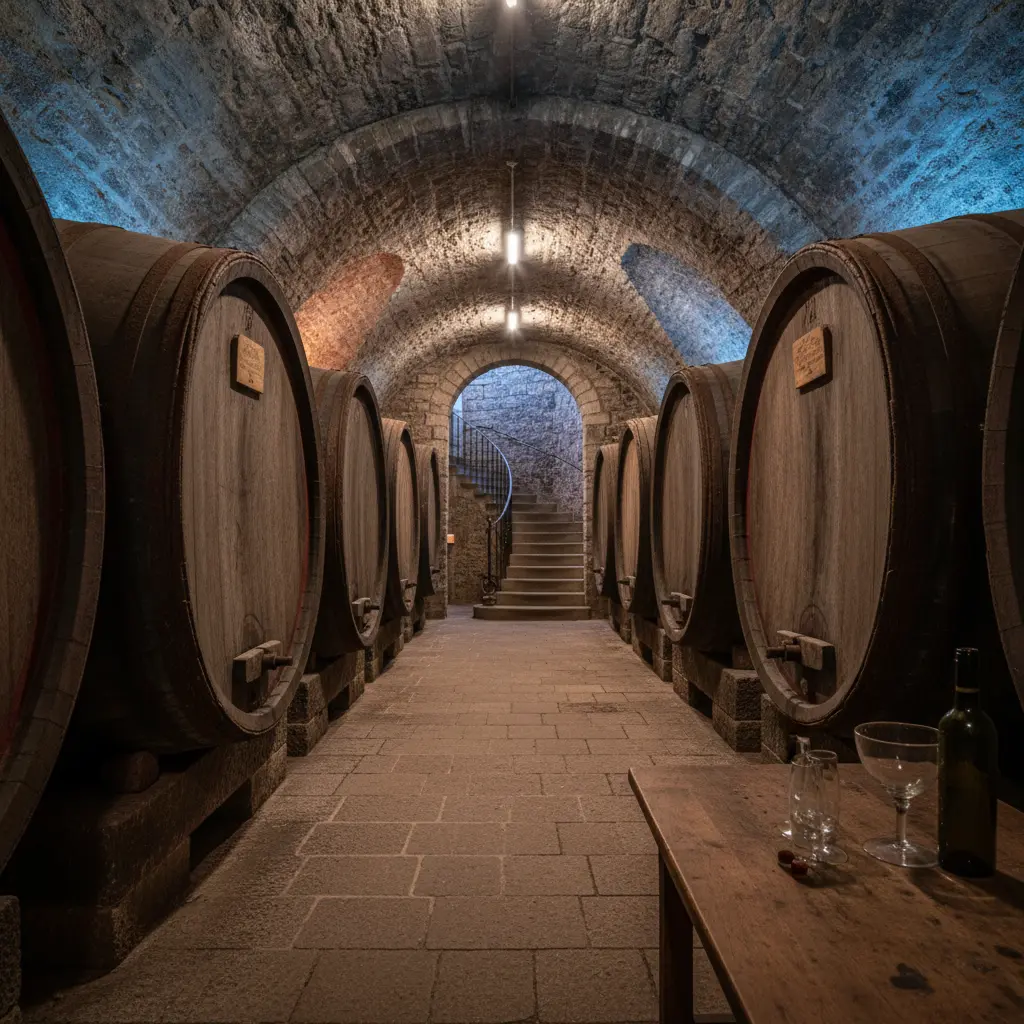
Kloster Eberbach, a former Cistercian monastery, boasts a winemaking tradition stretching back to the 12th century, making it one of the oldest and most significant wine estates in Germany. Its impressive Romanesque and Gothic architecture houses vast cellars and historic press houses. Today, Kloster Eberbach continues to produce exceptional Rieslings and Spätburgunders (Pinot Noir) from its extensive vineyard holdings, offering public tours and tastings that showcase its profound heritage.
How to Pair Rheingau Wines with Food?
Rheingau Rieslings are exceptionally versatile food pairing wines, capable of complementing a vast array of dishes due to their balance of acidity, fruit, and minerality. The key is to match the wine's sweetness level and intensity to the food.
Classic Pairings for Dry and Off-Dry Riesling
Dry (Trocken) Rheingau Rieslings excel with seafood, poultry, and light to medium-intensity dishes. Their crisp acidity cuts through richness, while their fruit notes complement fresh flavors. Off-dry (Feinherb or Halbtrocken) styles are superb with spicier Asian cuisine, grilled pork, or dishes with a touch of sweetness. For a heartier meal, a richer dry Rheingau can even complement lighter steak preparations.
Pairing Sweet and Noble Rot Styles
Sweeter Rheingau Rieslings, such as Spätlese, Auslese, Beerenauslese, and Trockenbeerenauslese, are ideal dessert wines or exceptional on their own. Spätlese and Auslese pair beautifully with fruit tarts, foie gras, or mild blue cheeses. The intensely sweet Beerenauslese and Trockenbeerenauslese, often affected by noble rot, are best enjoyed as a decadent finish to a meal, accompanying fruit-based desserts or simply savored slowly. These wines offer a complex interplay of honey, dried apricot, and botrytis notes.
"The Rheingau, with its dedication to Riesling, represents a pinnacle of precision and purity in winemaking, delivering wines that truly speak of their place and history." A Renowned Wine Critic
How to Plan Your Wine Tour to Rheingau?
A wine tour to the Rheingau offers a rich cultural and culinary experience, combining stunning scenery with world-class wine tasting opportunities. Careful planning ensures a memorable visit to this beautiful region.
Best Time to Visit and Key Events
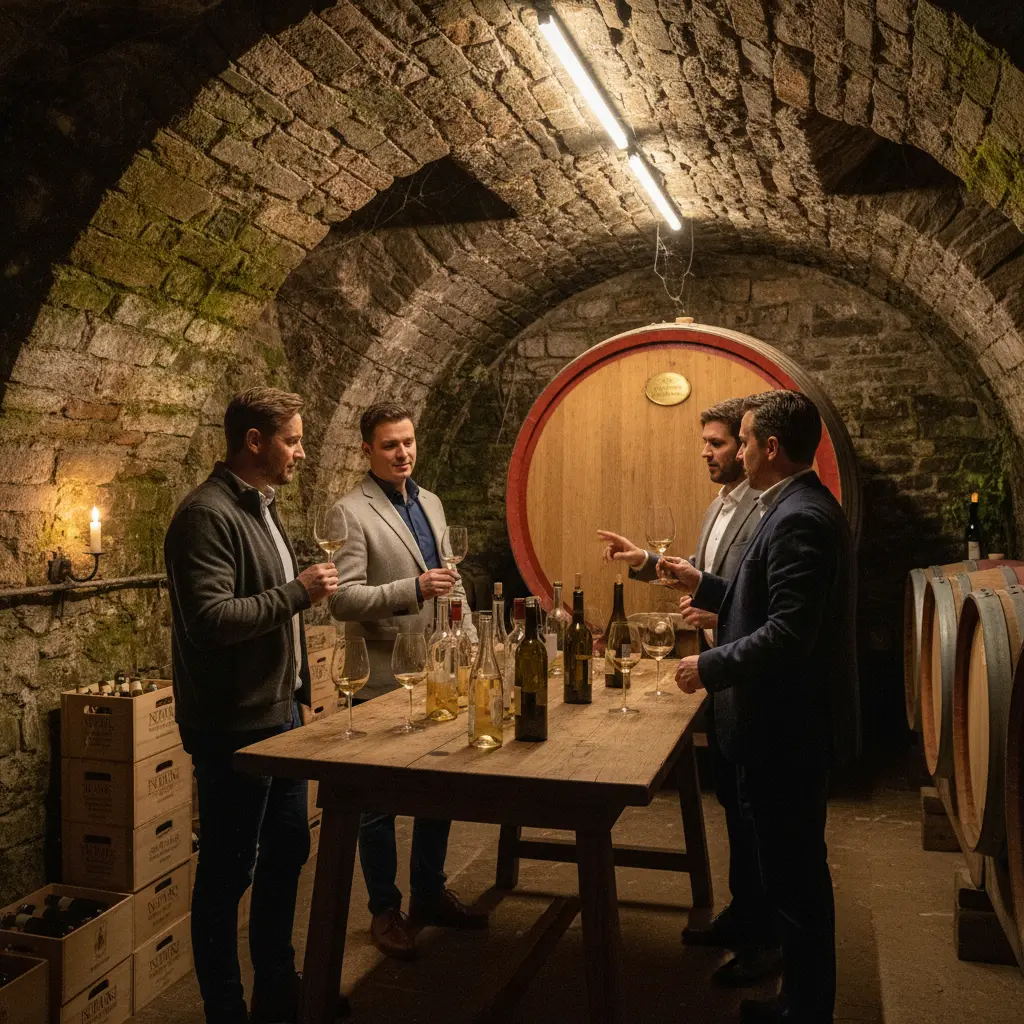
The ideal time to visit the Rheingau is from late spring to early autumn (May to October), when the weather is pleasant and the vineyards are lush. Harvest season in September/October is particularly vibrant, though many wineries may be busy. Key events include the Rheingau Musik Festival (summer) and numerous wine festivals in individual villages throughout the warmer months. These festivals are a fantastic way to sample local wines and cuisine, making them an excellent choice for memorable wine experiences.
Steps to Plan Your Rheingau Wine Tour
Organizing your Rheingau visit can be simplified by following a few key steps to make the most of your journey.
- Choose Your Base: Select a charming town like Rüdesheim, Eltville, or Wiesbaden as your hub. Each offers unique accommodations and access to wineries.
- Research Wineries: Identify 3-5 wineries you wish to visit, checking their opening hours and whether appointments are required for tastings, especially for smaller, family-run estates.
- Consider Transportation: The Rheingau is well-connected by train and boat (Rhine ferries). Renting a car offers flexibility for exploring more remote vineyards, but remember to have a designated driver.
- Book Accommodations: Especially during peak season or festivals, secure your lodging in advance, from boutique hotels to guesthouses on wine estates.
- Plan Culinary Experiences: Research local restaurants and Straußwirtschaften (seasonal wine taverns) to enjoy traditional Rheingau cuisine paired with local wines.
- Explore Beyond Wine: Allocate time for cultural sites like Kloster Eberbach, Marksburg Castle, or a scenic boat trip on the Rhine.
How are Rheingau Wines Classified?
German wine law, complemented by the VDP classification, provides a detailed framework for understanding the quality and origin of Rheingau wines. This system helps consumers identify the style and potential of a bottle.
Prädikatswein and Dry Wine Designations
The traditional Prädikatswein system categorizes wines based on grape ripeness at harvest (Kabinett, Spätlese, Auslese, Beerenauslese, Trockenbeerenauslese, Eiswein), primarily indicating sweetness. However, for dry wines, the VDP's regional classification with designations like Gutswein (Estate Wine), Ortswein (Village Wine), Erste Lage (First Growth), and Grosse Lage (Grand Cru) is increasingly important, emphasizing terroir and vineyard quality.
VDP and Terroir-Driven Quality
The VDP association, a leading group of German quality wine estates, has introduced a proprietary classification system focused on vineyard quality and terroir expression. Wines carrying the VDP.Adler (eagle) logo signify wines that adhere to strict quality standards, emphasizing low yields, sustainable practices, and site specificity. Their Grosses Gewächs wines are particularly sought after for their dry, complex, and age-worthy character, representing the pinnacle of German dry Riesling from classified single vineyards.
Beyond Riesling: Other Grapes in Rheingau
While Riesling is king, the Rheingau also cultivates other grape varieties, most notably Spätburgunder (Pinot Noir), offering diverse expressions of the region's terroir. These other grapes provide complementary styles to the dominant white wines.
Spätburgunder (Pinot Noir) Cultivation
Spätburgunder is the most significant red grape in the Rheingau, particularly around the village of Assmannshausen. Here, steep, south-facing slate vineyards yield elegant, aromatic Pinot Noirs with cherry fruit, earthy undertones, and refined tannins. These lighter-bodied reds offer a delightful contrast to the region's Rieslings and can be excellent pairings for dishes like roasted duck or some beef stew recipes.
Sekt Production and Local Specialties
The Rheingau also produces excellent Sekt (German sparkling wine), often made from Riesling, Pinot Noir, or a blend of traditional sparkling varieties. Rheingau Sekt is known for its crisp acidity, fine mousse, and fresh fruit flavors. Additionally, some producers experiment with other white grapes like Weissburgunder (Pinot Blanc) and Grauburgunder (Pinot Gris), offering unique regional expressions for those looking beyond Riesling.
What is the Future of Rheingau Wine?
The future of Rheingau wine is focused on sustainability, innovation in winemaking, and continued global recognition for its world-class Rieslings. Producers are adapting to climate change and evolving consumer preferences while preserving their rich heritage.
Sustainability and Organic Practices
An increasing number of Rheingau wineries are adopting sustainable, organic, and biodynamic farming practices to protect their unique terroir for future generations. These efforts focus on minimizing chemical use, promoting biodiversity, and managing vineyards in an environmentally conscious manner. This commitment to sustainability ensures the long-term health of the vineyards and the continued production of high-quality, authentic Rheingau wines.
Innovation in Winemaking and Tourism
While respecting tradition, Rheingau winemakers are also embracing innovation, from precision viticulture techniques to modern cellar technology. The region is also enhancing its wine tourism offerings, investing in visitor centers, unique tasting experiences, and integrated culinary options to attract a new generation of wine lovers. This blend of tradition and modernity positions Rheingau to thrive in the global wine market.