Napa Valley, California, is globally recognized for its exceptional Cabernet Sauvignon and Chardonnay, driven by diverse microclimates and pioneering winemaking traditions. This iconic region continues to set benchmarks for quality, offering a spectrum of wines that range from powerful, age-worthy reds to elegant, nuanced whites, making it a premier destination for wine enthusiasts.
What Makes Napa Valley Unique for Wine?
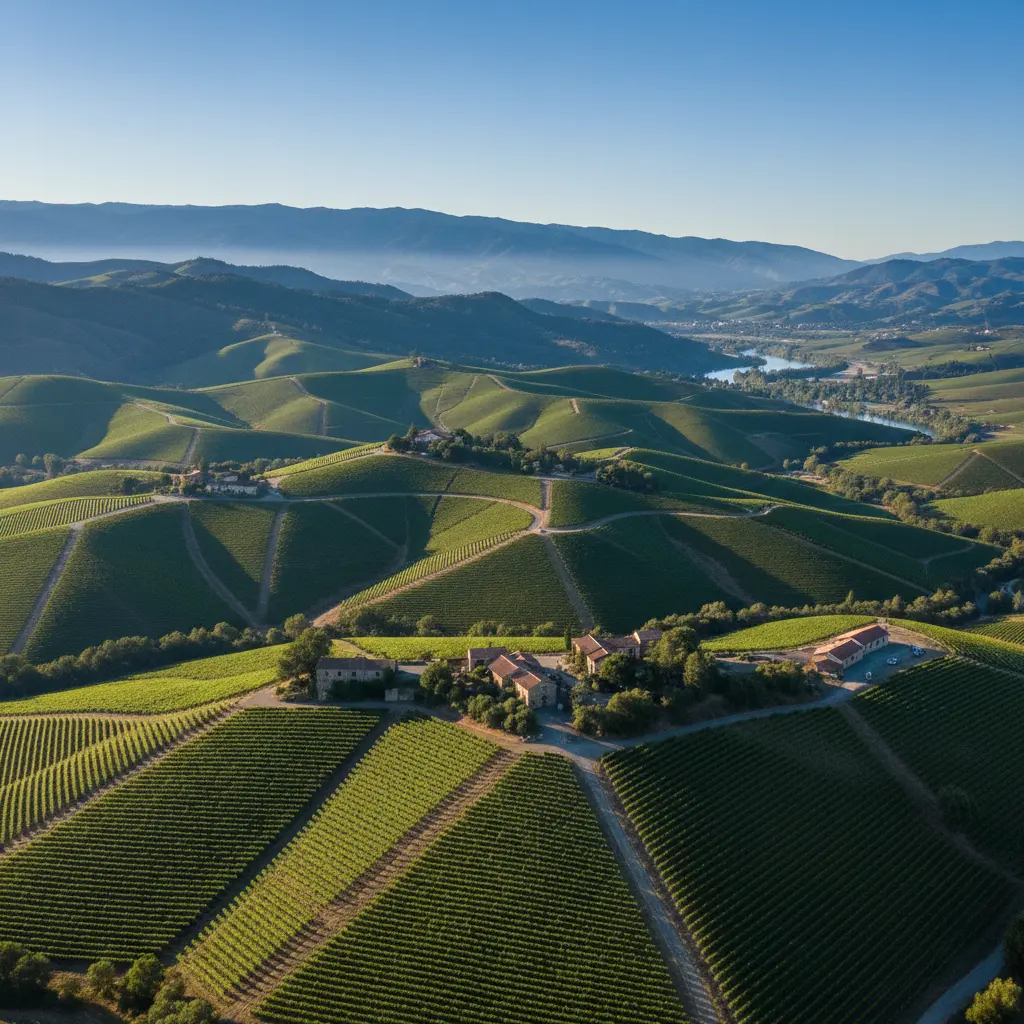
Napa Valley's unique character for wine production stems from its extraordinary geological diversity, varied microclimates, and dedicated winemaking innovation. The valley spans approximately 30 miles, but within this compact area, elevations, soil types, and diurnal temperature shifts vary dramatically, creating distinct terroirs ideal for different grape varieties.
Geological and Climatic Advantages
The unique combination of ancient marine soils, volcanic deposits, and a Mediterranean climate provides an unparalleled foundation for grape growing. The proximity to San Pablo Bay brings cool morning fogs and breezes, moderating warm daytime temperatures, particularly in the southern parts of the valley. This diurnal temperature swing allows grapes to ripen slowly, developing complex flavors while retaining essential acidity.
Pioneering Winemaking Traditions
Napa Valley has a rich history of pushing winemaking boundaries, embracing both traditional techniques and cutting-edge technology. From the early pioneers to modern-day viticulturists, the region has fostered a culture of innovation in viticulture and enology, leading to consistent improvements in wine quality and distinctive regional styles.
What are the Key Grape Varieties of Napa Valley?
While a variety of grapes thrive in Napa Valley, Cabernet Sauvignon and Chardonnay are the undisputed stars, defining the region's global reputation. These two varietals consistently produce wines of exceptional quality, reflecting the unique terroir of their specific vineyard sites.
Cabernet Sauvignon: The King of Napa
Napa Valley Cabernet Sauvignon is renowned for its power, structure, and incredible aging potential, often exhibiting notes of blackcurrant, cedar, mint, and graphite. Grown throughout the valley, from the cooler southern regions to the warmer northern hillsides, Cabernet Sauvignon expresses itself differently depending on its origin, from lush and fruit-forward to intensely tannic and complex. For ideas on how to pair this robust red, explore our guide on How to Choose Red Wine for Steak.
Chardonnay: A Study in Elegance and Power
Napa Valley Chardonnay offers a spectrum of styles, from crisp, unoaked versions displaying bright fruit and minerality to rich, buttery, oak-aged wines with notes of vanilla and toasted nuts. The cooler southern AVAs, influenced by the bay, are particularly suited for producing Chardonnays that maintain freshness and acidity.
Other Notable Varieties
Merlot, Zinfandel, Pinot Noir, and Sauvignon Blanc also play significant roles, contributing to Napa Valley's diverse wine portfolio. Merlot, often overshadowed by Cabernet, produces plush, accessible reds, while Zinfandel offers jammy, spicy expressions. Pinot Noir thrives in cooler pockets, yielding elegant, aromatic wines, and Sauvignon Blanc provides refreshing, vibrant whites.
Which are Napa Valley's Key Sub-Appellations (AVAs)?
Napa Valley is home to 16 distinct American Viticultural Areas (AVAs), each with unique geological and climatic characteristics that impart specific qualities to its wines. Understanding these sub-regions is key to appreciating the nuances of Napa's diverse offerings.
Stags Leap District
The Stags Leap District is celebrated for producing structured yet elegant Cabernet Sauvignon wines with distinctive notes of violets, black cherry, and fine-grained tannins. This AVA benefits from reflected heat from the eponymous Stags Leap Palisades and cooling breezes from the bay, creating a unique microclimate.
Oakville and Rutherford
Oakville and Rutherford are often considered the heart of Napa Cabernet, known for their powerful, rich wines with the distinctive "Rutherford Dust" tannin profile. These central valley AVAs offer deep, well-drained soils and warm daytime temperatures, ideal for Cabernet Sauvignon's full expression.
Carneros
Carneros, straddling the Napa and Sonoma county lines, is a cool-climate AVA renowned for its exceptional Pinot Noir and Chardonnay. Its direct proximity to the San Pablo Bay results in persistent fog and strong maritime influences, creating a longer, cooler growing season perfect for these delicate varietals.
| AVA | Key Characteristics | Primary Grapes | Typical Wine Style |
|---|---|---|---|
| Stags Leap District | Volcanic soils, reflected heat, bay breezes | Cabernet Sauvignon | Elegant, structured Cabernet with violet notes |
| Oakville | Gravelly, alluvial soils, warm days | Cabernet Sauvignon | Rich, powerful Cabernet, "Rutherford Dust" tannins |
| Rutherford | Alluvial soils, warm days, cool nights | Cabernet Sauvignon | Bold, complex Cabernet with earthy notes |
| Carneros | Cool, foggy, maritime influence | Pinot Noir, Chardonnay | Elegant Pinot Noir, crisp/creamy Chardonnay |
| Howell Mountain | High elevation, volcanic soils, above fog line | Cabernet Sauvignon, Zinfandel | Intense, firm Cabernet with dark fruit |
Which Iconic Wineries Offer Unforgettable Tasting Experiences in Napa Valley?
Napa Valley boasts a concentration of world-class wineries, many of which offer unforgettable tasting experiences ranging from intimate cellar tours to grand culinary pairings. Visiting these establishments provides insight into the art and science of winemaking.
Historic Estates
Wineries like Beringer Vineyards, Charles Krug Winery, and Inglenook have rich histories, offering a glimpse into Napa Valley's winemaking heritage. These estates often feature historic architecture, extensive cellars, and a legacy of pioneering winemakers who shaped the region's reputation.
Modern Marvels
Contemporary wineries such as Opus One, Domain Carneros, and Darioush combine stunning architecture with state-of-the-art winemaking facilities. They offer sophisticated tasting rooms and often focus on singular, high-quality expressions of Napa's flagship grapes.
"Napa Valley is not just a place; it's a testament to what dedication, diverse terroir, and a clear vision can achieve in the world of wine." - Renowned Wine Critic
How Should You Plan Your Napa Valley Wine Trip?
Effective planning is essential to maximize your enjoyment of a Napa Valley wine trip, balancing tastings, tours, and culinary experiences. Given the popularity of the region, reservations are highly recommended, especially for weekends and peak season.
Best Time to Visit
The ideal times to visit Napa Valley are spring (April-May) for blooming mustard fields and pleasant weather, or fall (September-October) for harvest season excitement. Summer can be quite warm and crowded, while winter offers a quieter, more relaxed experience, though some wineries may have reduced hours.
Transportation and Accommodation
Renting a car is recommended for flexibility, but consider hiring a driver or using ride-sharing services for tasting days to ensure responsible enjoyment. Accommodation options range from luxury resorts to charming boutique hotels and B&Bs, catering to various budgets and preferences.
Booking Winery Visits
Most Napa Valley wineries require advance reservations for tastings and tours, with popular estates booking out weeks or even months ahead. It's wise to plan your itinerary, selecting 3-4 wineries per day to allow for travel and a relaxed experience. For an elevated experience, consider learning How to Master Wine Service to impress during your visit.
- Research Wineries: Identify wineries that align with your taste preferences (e.g., focus on Cabernet, Chardonnay, or a specific AVA).
- Check Availability: Visit winery websites or call directly to inquire about tasting options, tour schedules, and reservation requirements.
- Book in Advance: Secure your spots, especially for popular times or specific experiences like food pairings.
- Plan Logistics: Arrange transportation, meals, and other activities around your winery appointments.
- Pace Yourself: Limit tastings to a manageable number each day to fully appreciate each wine and avoid palate fatigue.
What are the Best Food Pairings for Napa Valley Wines?
Napa Valley wines, especially Cabernet Sauvignon and Chardonnay, offer versatile and exquisite food pairing opportunities that elevate any dining experience. The key is to match the wine's intensity and characteristics with the food's flavors and textures.
Cabernet Sauvignon Pairings
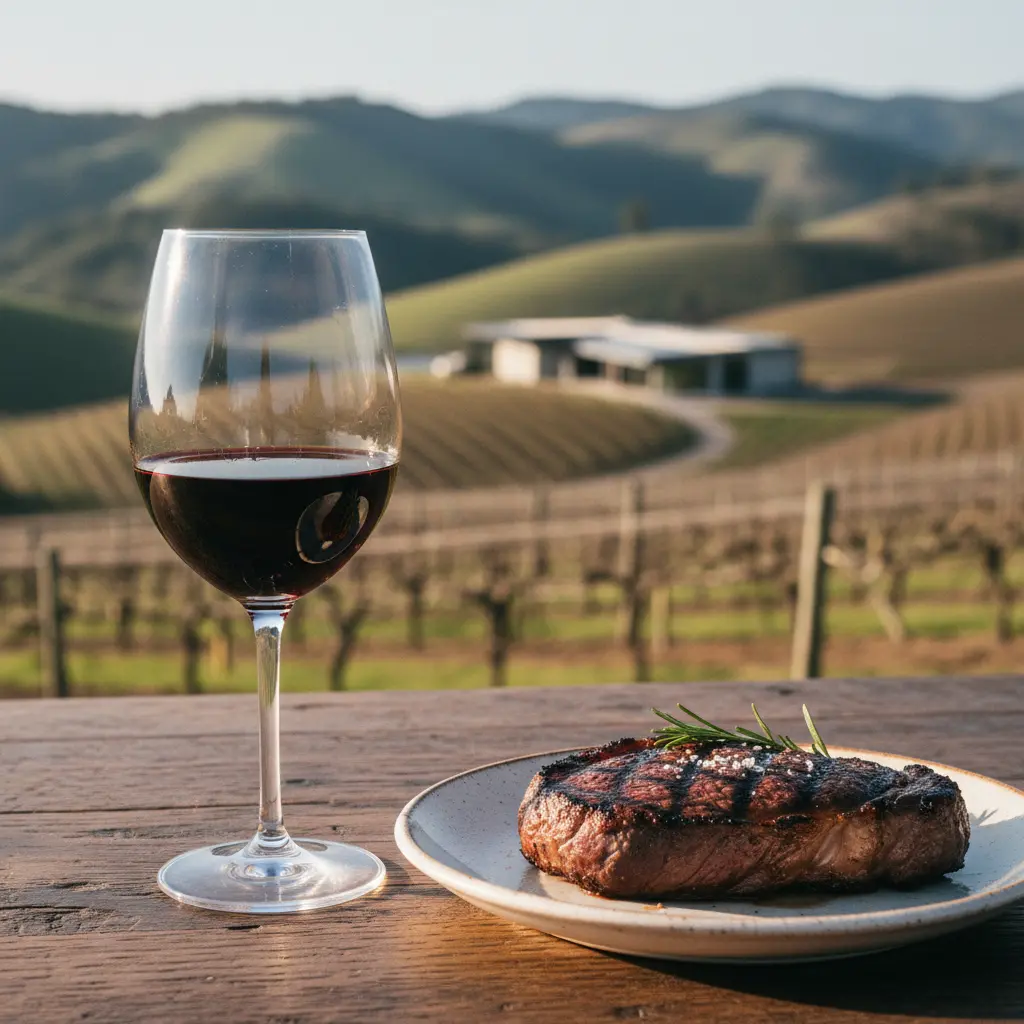
Napa Cabernet Sauvignon excels with rich, savory dishes like grilled steaks, roasted lamb, and hearty beef stews. Its firm tannins and robust fruit flavors stand up beautifully to the richness of red meats. For a classic pairing, consider our guide on Best Wine for Beef Stew, which often features a bold Cabernet.
Chardonnay Pairings
Napa Chardonnay, depending on its style, pairs wonderfully with a range of foods from roasted chicken and creamy pasta to seafood and lighter cheeses. Oaked Chardonnays complement richer dishes, while unoaked versions shine with lighter fish, salads, or even certain poultry dishes like turkey. Explore options in our guide on Best Wine with Turkey.
How Does Napa Valley Wine Age?
Many premium Napa Valley wines, particularly high-quality Cabernet Sauvignon, are crafted with significant aging potential, developing greater complexity and nuance over years or even decades. This aging transforms their primary fruit characteristics into more savory, earthy, and tertiary aromas and flavors.
Factors Influencing Aging Potential
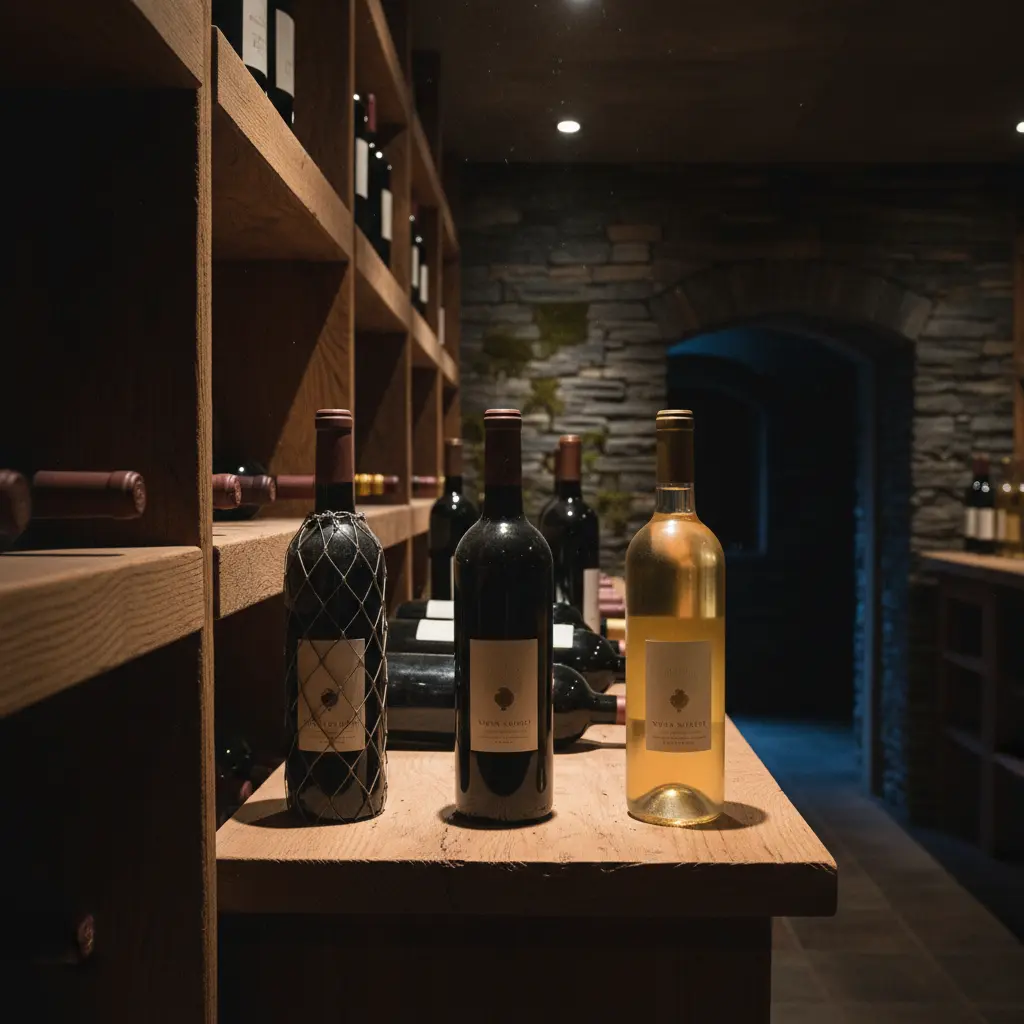
Key factors like acidity, tannin structure, and fruit concentration determine a wine's ability to age gracefully. Napa Cabs, known for their robust tannins and concentrated fruit, possess the natural components needed for long-term cellaring. Proper storage conditions-consistent cool temperature, stable humidity, and absence of light and vibration-are crucial. For a deeper dive into wine longevity, read our article on Aged Like a Fine Wine.
Aging Profiles of Napa's Stars
Young Napa Cabernet Sauvignon typically showcases vibrant dark fruit, oak spices, and firm tannins, while aged versions reveal notes of dried herbs, tobacco, leather, and refined textures. Similarly, Chardonnays can evolve, with unoaked styles best enjoyed younger for their freshness, and oaked versions developing notes of hazelnut, honey, and creme brulee over several years.
How to Buy and Collect Napa Valley Wines?
Acquiring and curating a collection of Napa Valley wines can be a rewarding endeavor, offering access to some of the world's most sought-after bottles. Strategic buying involves understanding vintages, producers, and storage needs.
Navigating Vintages
Understanding vintage variations is crucial, as differences in growing seasons can significantly impact wine quality and aging potential. While Napa Valley generally enjoys consistent quality, some years are exceptional, producing wines with greater depth and longevity. Reputable wine critics and vintage charts provide valuable insights.
Building Your Cellar
When building a collection, consider a mix of age-worthy Cabernets for long-term cellaring and more approachable wines for earlier enjoyment. Direct purchases from wineries, especially those offering allocation lists, can provide access to limited-production wines. For thoughtful present ideas, explore our guides on Best Wine Gifts for Her or Best Wine Gifts for Men.
Sustainable Practices in Napa Valley
Napa Valley is at the forefront of the wine industry's commitment to sustainability, with many wineries adopting environmentally conscious farming and production methods. This dedication aims to preserve the region's unique ecosystem and ensure the longevity of its vineyards.
Environmental Stewardship
Sustainable practices include water conservation, biodiversity preservation, reduced pesticide use, and energy efficiency in vineyards and cellars. Many wineries are certified under programs like Napa Green and Fish Friendly Farming, demonstrating their commitment to ecological balance.
Social and Economic Responsibility
Beyond environmental concerns, sustainability in Napa Valley also encompasses social equity for workers and economic viability for local communities. This holistic approach ensures a thriving ecosystem for both grapevines and people, reflecting a long-term vision for the region's future.
Future of Napa Valley Wine in 2026
Looking ahead to 2026, Napa Valley wine will continue to innovate, adapt to climate challenges, and strengthen its global position through quality and sustainability. Winemakers are increasingly focusing on precision viticulture and drought-resistant practices.
Climate Adaptation and Innovation
The region is actively researching and implementing strategies to mitigate climate change impacts, such as drought-resistant rootstocks and advanced canopy management. Expect to see continued experimentation with alternative varieties in specific microclimates that may prove more resilient to future conditions.
Evolving Consumer Preferences
Napa Valley is also responding to evolving consumer tastes, with a growing emphasis on transparency, lower-alcohol options, and organic/biodynamic wines. The region's commitment to quality ensures it will remain relevant and desirable to wine lovers worldwide.