Maipo Valley is Chile's most historic and renowned wine region, celebrated globally for its exceptional Cabernet Sauvignon wines. This region, nestled near Santiago, offers a unique blend of tradition, innovation, and a distinctive terroir shaped by the Andes Mountains and the Maipo River.
What is Maipo Valley's Signature Wine Style?
Maipo Valley's signature wine style is characterized by its powerful, elegant, and age-worthy Cabernet Sauvignon. These wines typically feature intense dark fruit flavors, notes of cassis, mint, and graphite, supported by firm tannins and a balanced acidity, reflecting the region's unique climate and soil.
Why is Cabernet Sauvignon King in Maipo?
Cabernet Sauvignon thrives in Maipo Valley due to the region's ideal combination of sunny days, cool nights, and well-drained alluvial soils. This specific terroir allows the grapes to ripen slowly and fully, developing complex flavors and firm structural components that are crucial for high-quality, long-lived wines.
How Does Maipo's Terroir Influence its Wines?
Maipo's terroir significantly influences its wines through a combination of its Mediterranean climate, high altitude vineyards, and mineral-rich soils. The cooling influence from the Andes Mountains ensures a significant diurnal temperature variation, preserving acidity and aromatic complexity, while the gravelly soils provide excellent drainage, stressing the vines to produce concentrated fruit.
Maipo's Old Vines and Their Contribution
Maipo Valley's old vines, some dating back over a century, contribute significantly to the depth and complexity of its wines, especially Cabernet Sauvignon. These venerable vines yield fewer but more concentrated grapes, resulting in wines with enhanced structure, nuanced flavors, and exceptional aging potential, a hallmark of the region's premium offerings.
Which Grape Varieties Thrive in Maipo Valley?
While Cabernet Sauvignon is dominant, other red grape varieties like Carménère, Syrah, and Merlot also thrive in Maipo Valley, alongside a smaller production of white wines such as Chardonnay and Sauvignon Blanc. These grapes benefit from the region's diverse microclimates and soil types, allowing for a range of quality expressions.
Beyond Cabernet: Other Red Grapes of Note
Beyond its flagship Cabernet Sauvignon, Maipo Valley produces notable Carménère, known for its herbal notes and soft tannins, and Syrah, which offers spicy and peppery characteristics. Merlot also performs well, contributing elegant and fruit-forward wines. For those exploring other reds, consider how these compare to red wines for steak, where bold choices are often preferred.
White Wines from Maipo: Are There Any?
Yes, Maipo Valley produces white wines, though in much smaller quantities compared to its reds. Chardonnay and Sauvignon Blanc are the primary white varieties, often found in cooler pockets of the valley, offering crisp acidity and fresh fruit profiles, which can be excellent pairings for sushi or other light dishes.
Emerging Varieties and Blends
Maipo Valley is also seeing a rise in quality from lesser-known varieties and innovative blends, pushing the boundaries of its traditional offerings. Experimentation with grapes like Petit Verdot and Cabernet Franc, often blended with Cabernet Sauvignon, creates wines of greater complexity and unique character, demonstrating the region's evolving winemaking landscape.
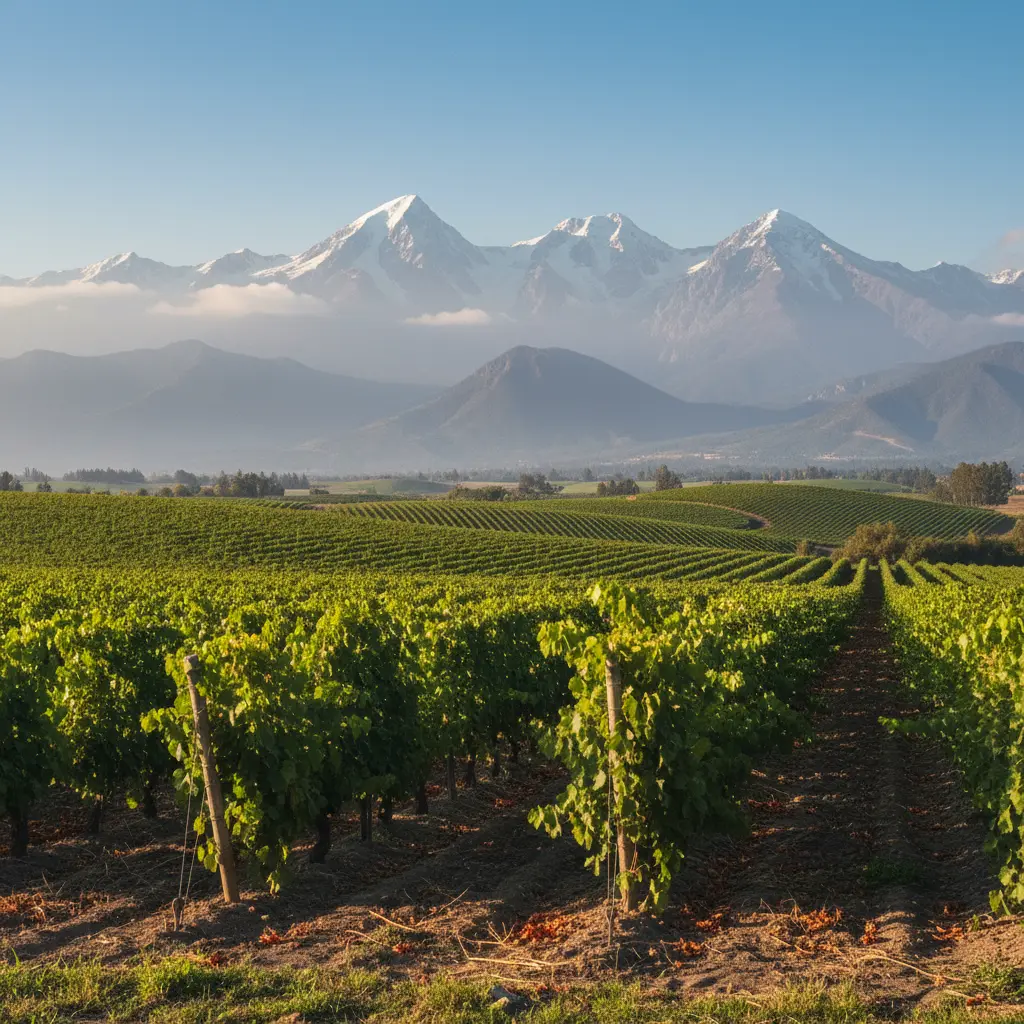
What Makes Maipo Valley's Terroir Unique?
Maipo Valley's terroir is unique due to its prime location in Chile's Central Valley, influenced by the Andes Mountains to the east, the Coastal Range to the west, and the Maipo River running through its center. This creates diverse microclimates and alluvial soils, perfect for viticulture.
The Role of the Maipo River
The Maipo River plays a crucial role in shaping the valley's terroir by depositing nutrient-rich alluvial soils and moderating temperatures. Its waters provide essential irrigation, particularly for vineyards in the drier eastern parts, while the river's path has created the gravelly, well-drained soils preferred by Cabernet Sauvignon.
Soil Types and Their Impact on Vines
Maipo Valley's soil types vary from rocky, alluvial deposits near the Andes to clay-loam closer to the river, each imparting distinct characteristics to the grapes. The stony, poor soils stress the vines, forcing them to dig deeper, resulting in smaller berries with concentrated flavors and robust tannins, ideal for premium red wines.
Climate Factors: Sun, Altitude, and Coastal Influence
Maipo Valley's climate is characterized by abundant sunshine, significant altitude variations, and a subtle influence from the Pacific Ocean, which together create ideal grape growing conditions. The intense sun promotes full ripeness, while the high-altitude and distant coastal breezes provide essential cooling, extending the growing season and preserving aromatic freshness in the grapes.
Where Are the Key Sub-regions of Maipo Valley?
Maipo Valley is broadly divided into three key sub-regions: Maipo Alto (Upper Maipo), Central Maipo, and Maipo Costa (Coastal Maipo), each offering distinct environmental conditions and wine styles.
Maipo Alto: Characteristics and Iconic Wines
Maipo Alto is characterized by its higher elevation, rocky soils, and significant diurnal temperature shifts, producing some of Chile's most prestigious Cabernet Sauvignon wines. Wineries in this sub-region are renowned for elegant, structured, and age-worthy reds with intense fruit and herbal notes, often considered the heartland of premium Maipo Valley wine, much like Napa Valley in California.
Central Maipo: Production Focus
Central Maipo, the original and largest sub-region, focuses on higher volume production, offering a wide range of approachable red wines. This area benefits from deep, fertile soils and warmer temperatures, yielding fruit-forward and softer styles of Cabernet Sauvignon, Merlot, and Carménère.
Maipo Costa: Emerging Coastal Influences
Maipo Costa is an emerging sub-region that benefits from its proximity to the Pacific Ocean, offering cooler temperatures and maritime influences. This unique microclimate is particularly suited for growing white varieties like Sauvignon Blanc and Chardonnay, and even cooler-climate red varietals, resulting in wines with brighter acidity and distinct saline notes.
Which Are the Top Wineries to Visit in Maipo Valley?
Maipo Valley boasts numerous top wineries, including iconic names like Concha y Toro, Santa Rita, Viña Undurraga, Almaviva, and Cousiño Macul, offering diverse tasting experiences and historical insights.
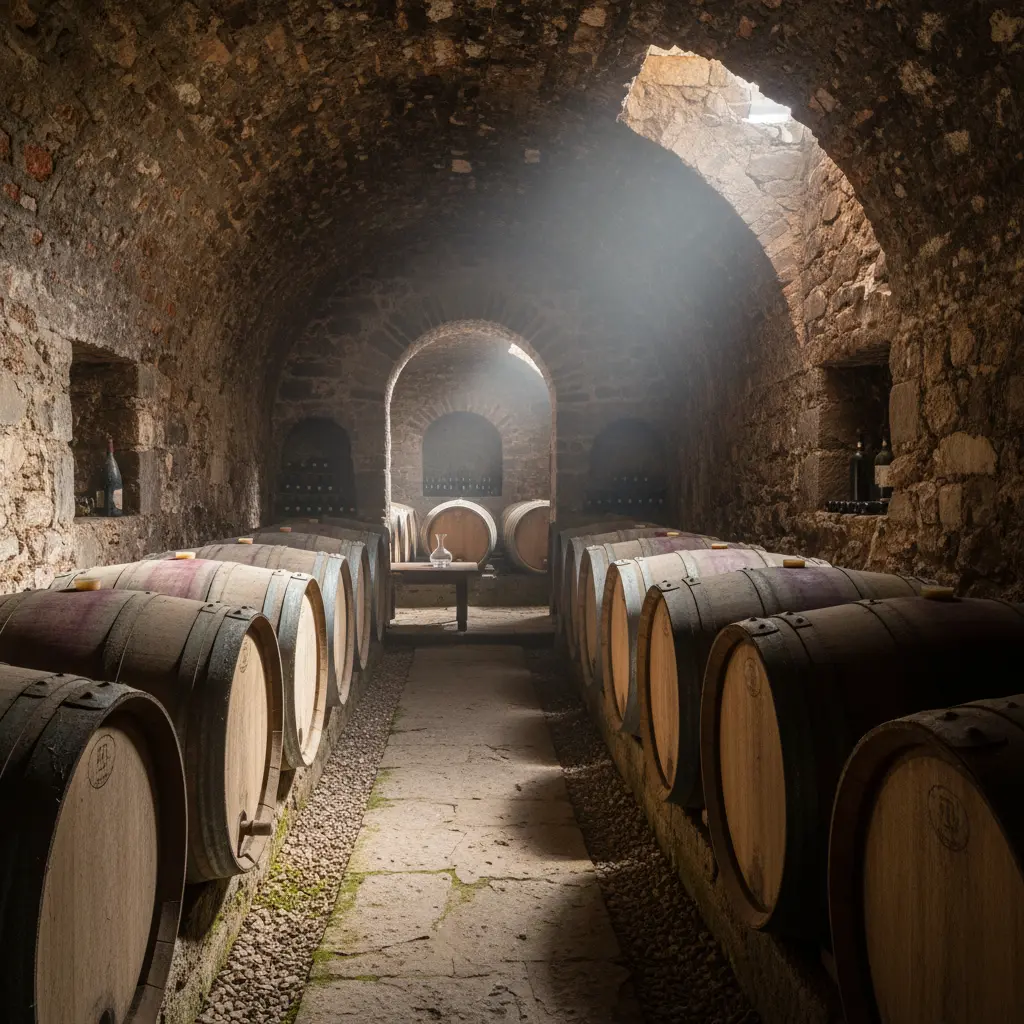
Historic Estates and Their Legacy
Historic estates like Concha y Toro and Santa Rita have played a pivotal role in establishing Maipo Valley's reputation, combining rich history with modern winemaking techniques. These wineries often feature beautiful colonial architecture, ancient cellars, and offer extensive tours that delve into Chilean wine history, showcasing their legacy through iconic wines.
Modern Producers and Innovation
Modern producers in Maipo Valley, such as Almaviva (a joint venture between Concha y Toro and Baron Philippe de Rothschild), represent the cutting edge of Chilean winemaking, focusing on quality, innovation, and sustainable practices. These wineries often incorporate biodynamic farming and precision viticulture to craft super-premium wines that push boundaries.
| Winery | Sub-Region | Signature Wine | Key Feature |
|---|---|---|---|
| Concha y Toro | Central Maipo | Don Melchor (Cabernet Sauvignon) | Historic estate, diverse portfolio |
| Santa Rita | Maipo Alto | Casa Real (Cabernet Sauvignon) | 19th-century cellars, hotel, museum |
| Almaviva | Maipo Alto | Almaviva (Bordeaux blend) | First Growth equivalent, French-Chilean venture |
| Cousiño Macul | Central Maipo | Lota (Cabernet Sauvignon) | Family-owned since 1856, traditional methods |
| Viña Undurraga | Central Maipo | Altazor (Bordeaux blend) | Pioneering estate, diverse varietals |
What Foods Pair Best with Maipo Valley Wines?
Maipo Valley's bold red wines, especially Cabernet Sauvignon, pair exceptionally well with rich, savory dishes like grilled red meats, lamb, beef stews, and aged cheeses. The structure and intensity of the wines stand up beautifully to strong flavors and fatty textures.
Pairing Maipo Cabernet Sauvignon
Maipo Cabernet Sauvignon's firm tannins and dark fruit character make it an ideal partner for robust dishes such as prime rib, venison, or a hearty beef stew. Consider preparations with earthy mushrooms or strong herbs to complement the wine's complex notes. For more general advice, consult a best wine pairing guide.
Food Pairings for Maipo Carménère
Maipo Carménère, with its softer tannins and notes of red fruit, bell pepper, and spice, pairs wonderfully with roasted chicken, pork loin, and milder cheeses. Dishes featuring grilled vegetables or a touch of spice also complement Carménère's unique profile.
White Wine Pairings from Maipo
Maipo's white wines, particularly crisp Sauvignon Blanc and Chardonnay, are versatile pairings for lighter fare such as fresh seafood, salads, and goat cheese. Their refreshing acidity and fruit-forward profiles cut through richness and complement delicate flavors, making them excellent choices for appetizers or summer meals.
"Maipo Valley represents the soul of Chilean winemaking, a place where the mountains meet the vine to create wines of extraordinary character and depth. It's a region that consistently delivers on its promise of quality." - A renowned sommelier
How Can You Plan a Wine Trip to Maipo Valley?
Planning a wine trip to Maipo Valley is straightforward, as it's easily accessible from Santiago, making it an ideal destination for day trips or a multi-day visit. Key considerations include transportation, choosing wineries, and accommodation, ensuring a memorable wine and dine experience.
Tips for Selecting a Winery Tour
When selecting a winery tour in Maipo Valley, consider your preferred wine styles, whether you prefer large historic estates or smaller boutique producers, and if you're interested in activities beyond tasting, such as cooking classes or horseback riding. Many wineries offer guided tours in English and Spanish, so confirm language availability.
Transportation and Accommodation Advice
For transportation, renting a car offers flexibility, but numerous tour operators provide guided excursions from Santiago, handling all logistics. Accommodation ranges from luxury hotels within historic estates to charming guesthouses in nearby towns like Pirque or Buin, providing options for various budgets and preferences.
Combining Maipo with Other Chilean Wine Regions
For an extended wine tour, consider combining your visit to Maipo Valley with other acclaimed Chilean wine regions like Casablanca Valley or Colchagua Valley. Each region offers distinct terroirs and grape varieties, providing a comprehensive exploration of Chile's diverse winemaking landscape.
- Choose Your Focus: Decide if you prefer historic estates, boutique wineries, or a mix. Consider which grape varieties you're most interested in exploring.
- Select Wineries: Research 2-4 wineries you wish to visit based on their offerings and your preferences. Book tastings and tours in advance, especially during peak season (spring and autumn).
- Arrange Transport: If not self-driving, book a private driver or a guided tour from Santiago. This ensures you can enjoy tastings without worrying about driving.
- Plan Meals: Many wineries have excellent restaurants. Book lunch reservations, or pack a picnic to enjoy amidst the vineyards if allowed.
- Consider Overnight Stays: For a more immersive experience, consider spending a night or two in the valley to explore at a leisurely pace and enjoy the tranquility.
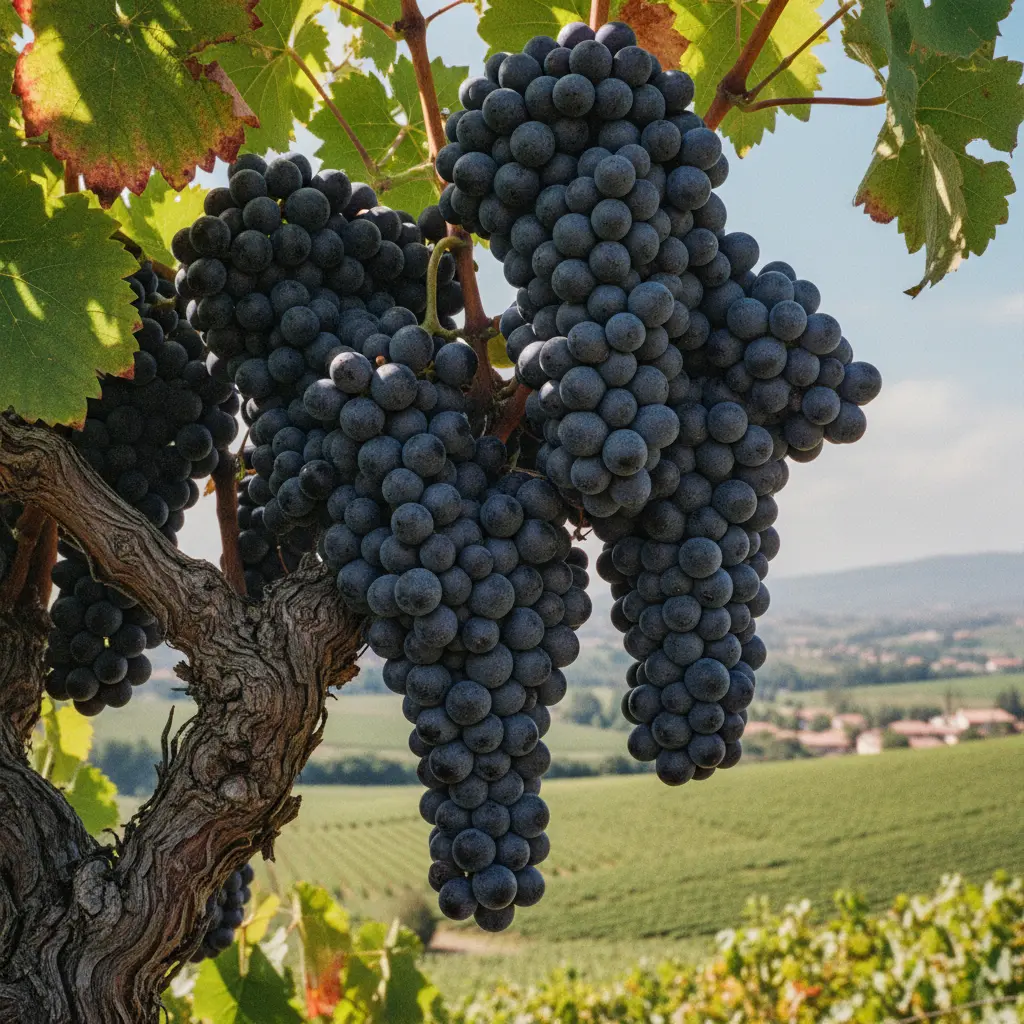
Is Maipo Valley a Sustainable Wine Region?
Maipo Valley is increasingly adopting sustainable practices, with many wineries implementing initiatives focused on environmental protection, social responsibility, and economic viability. This includes organic farming, water conservation, and fair labor practices.
Winery Initiatives for Sustainability
Many Maipo Valley wineries are certified under Chile's National Sustainability Code, which addresses vineyard management, cellar practices, and social aspects. Initiatives range from using renewable energy and dry farming techniques to protecting biodiversity and supporting local communities.
Challenges and Future Outlook
Challenges for sustainability in Maipo Valley include water scarcity and adapting to climate change, but the region's commitment to innovation and collaboration offers a positive future outlook. Continuous investment in research and technology helps wineries mitigate environmental impacts and ensure long-term viability for this critical wine region.
When is the Best Time to Visit Maipo Valley?
The best time to visit Maipo Valley largely depends on your interests, with spring (September-November) and autumn (March-May) offering distinct and highly rewarding experiences. Each season provides unique insights into the viticultural cycle and regional charm.
Harvest Season Experience (March-May)
Visiting during the harvest season, typically from March to May, offers an immersive experience, allowing you to witness grape picking, crushing, and fermentation firsthand. Many wineries host special events, tastings of new wines, and hands-on activities, providing a vibrant and educational atmosphere for visitors.
Off-Season Charm and Benefits (Winter/Spring)
The off-season, particularly winter (June-August) or early spring (September-October before harvest), provides a quieter, more intimate experience with fewer crowds and often lower prices. While the vines may be dormant in winter, the crisp air and serene landscapes are beautiful, and cellar tours offer a deep dive into winemaking without the harvest rush. Early spring brings blooming vineyards and mild weather, perfect for leisurely tours.