Lisboa, Portugal's vibrant capital, is surrounded by an equally dynamic wine region known for its diverse terroir, ancient winemaking traditions, and an exciting array of indigenous grape varieties. This region, formerly known as Estremadura, offers a unique snapshot of Portuguese viticulture, producing everything from robust reds to aromatic whites and fortified wines.
What Makes Lisboa's Wine Region Unique?
Lisboa's wine region stands out due to its remarkable climatic diversity, geographical proximity to the Atlantic Ocean, and a rich tapestry of microclimates within a relatively compact area. This allows for an astonishing range of wine styles, from crisp coastal whites to powerful inland reds.
Coastal Influence and Terroir
The Atlantic Ocean plays a crucial role in shaping Lisboa's terroir, providing cooling breezes that moderate temperatures and extend ripening periods. This maritime influence is particularly evident in sub-regions like Colares, where vines are grown in sandy soils, protecting them from phylloxera and imparting a distinct minerality to the wines.
Diverse Microclimates
Lisboa's region encompasses a spectrum of microclimates, ranging from cool, humid coastal areas to hotter, more continental zones further inland. This allows winemakers to cultivate a wide array of grape varietals suited to specific conditions, contributing to the region's versatility.
Blend of Indigenous and International Grapes
The region masterfully blends ancient indigenous Portuguese grape varieties with select international varietals, creating wines with both traditional character and modern appeal. This combination ensures both a link to the past and an eye towards innovative wine production.
Lisboa's Key Grape Varieties and Styles
Lisboa is home to a rich collection of grape varieties, both native and international, which contribute to its broad spectrum of wine styles. Winemakers here expertly craft everything from light, crisp whites to full-bodied reds and unique fortified wines.
Indigenous Red Grapes
Key indigenous red grapes include Castelão, Touriga Nacional, Tinta Roriz (Aragonez), and Trincadeira. Castelão, often called Periquita, is particularly significant, producing wines with red fruit flavors, good structure, and aging potential. Touriga Nacional, Portugal's noble grape, adds complexity and floral notes.
Indigenous White Grapes
Leading indigenous white grapes are Arinto, Fernão Pires (Maria Gomes), Malvasia, and Vital. Arinto yields crisp, high-acidity wines with citrus and mineral notes, ideal for refreshing whites. Fernão Pires offers aromatic, floral, and sometimes spicy wines, often used in blends or sparkling wines.
International Varieties
While native grapes dominate, international varieties like Cabernet Sauvignon, Syrah, Chardonnay, and Sauvignon Blanc are also successfully cultivated. These grapes are often used to complement indigenous varieties in blends, adding structure and familiar flavor profiles for global markets.
Range of Wine Styles
Lisboa produces a vast range of wine styles, including dry whites, dry reds, rosés, sparkling wines, and even traditional fortified wines from the Bucelas sub-region. The diversity ensures there's a Lisboa wine for every palate and occasion, making it a truly versatile region for wine enthusiasts.
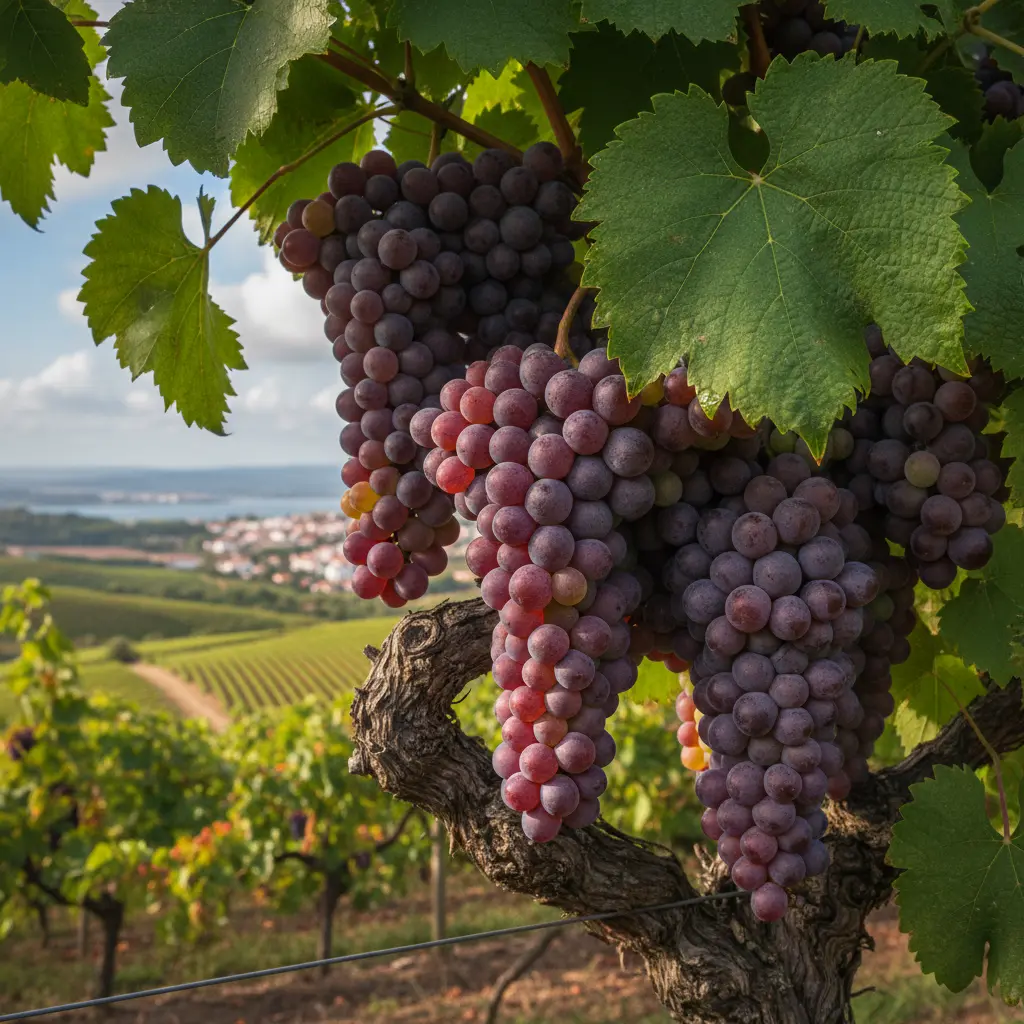
Exploring the Sub-Regions of Lisboa
The Lisboa wine region is composed of nine distinct sub-regions, each contributing unique characteristics to the overall wine profile. These sub-regions offer a fascinating exploration of diverse terroirs and winemaking traditions.
| Sub-Region | Key Grapes (Red) | Key Grapes (White) | Typical Wine Style |
|---|---|---|---|
| Alenquer | Aragonez, Castelão | Arinto, Fernão Pires | Full-bodied reds, aromatic whites |
| Arruda | Castelão, Touriga Nacional | Arinto, Moscatel | Robust reds, refreshing whites |
| Bucelas | - | Arinto, Esgana Cão | High-acidity, sparkling, fortified whites |
| Colares | Ramisco | Malvasia | Unique, long-lived reds; aromatic whites |
| Lourinhã | - | - | Brandy (Aguardente) production |
| Óbidos | Castelão, Syrah | Arinto, Chardonnay | Fruity reds, sparkling wines |
| Torres Vedras | Castelão, Touriga Nacional | Arinto, Fernão Pires | Fruity, lighter reds; crisp whites |
Alenquer
Alenquer is renowned for its protected hillsides, which create warmer microclimates ideal for producing full-bodied red wines, often based on Aragonez and Castelão. It's one of the most prestigious sub-regions within Lisboa.
Bucelas
Bucelas is famed for its elegant white wines, predominantly made from the Arinto grape, known for their vibrant acidity, citrus notes, and excellent aging potential. These wines can also be used to make quality sparkling wines.
Colares
Colares is a truly unique sub-region where vines, particularly the Ramisco red grape and Malvasia Fina white grape, are grown on phylloxera-resistant sandy soils directly along the coast. These wines offer distinct minerality and a savory character, with Ramisco reds known for their incredible longevity.
How Has Lisboa's Wine History Shaped its Present?
Lisboa's wine history is deeply intertwined with its strategic coastal location and agricultural heritage, leading to centuries of evolution that continue to influence its winemaking today. From Roman vineyards to modern innovations, each era has left its mark.
Ancient Roots and Roman Influence
Winemaking in the Lisboa region dates back to Roman times, with archaeological evidence suggesting a long-standing viticultural tradition. The Romans established vineyards and introduced sophisticated techniques, laying the foundation for future generations of winemakers.
Marquês de Pombal's Impact
The Marquês de Pombal, a powerful 18th-century statesman, played a significant role in organizing and regulating Portuguese wine production, including in the Lisboa region. His reforms, though sometimes controversial, helped to standardize quality and protect certain wine styles.
Modernization and Quality Focus
The late 20th and early 21st centuries have seen a concerted effort in Lisboa towards modernization, focusing on improving vineyard management and winery technology. This shift has elevated the quality and international recognition of Lisboa wines, moving beyond bulk production to premium offerings.
Lisboa Wine and Food Pairings: What to Expect?
Lisboa wines offer exceptional versatility for food pairing, making them a fantastic choice for a wide range of cuisines due to their diverse styles and balanced acidity. From seafood to roasted meats, there's a Lisboa wine to complement almost any dish.
Red Wine Pairings
Full-bodied Lisboa reds, often made from Castelão or Touriga Nacional, pair beautifully with grilled meats, roasted lamb, and hearty stews. Their structure and fruit notes can stand up to rich flavors, much like a good choice for a beef stew. Lighter reds are excellent with poultry or mushroom dishes.
White Wine Pairings
Crisp Arinto-based whites from Bucelas are perfect with fresh seafood, grilled fish, salads, and goat cheese. Aromatic Fernão Pires wines complement spicy Asian cuisine or chicken dishes. Lisboa white wines are also a great choice for sushi.
Rosé and Sparkling Pairings
Lisboa rosés, typically dry and fruit-forward, are delightful with summer salads, light pasta dishes, or as an aperitif. Sparkling wines from the region, particularly those from Bucelas, are excellent with appetizers and celebratory meals, offering a refreshing alternative to traditional options, similar to versatile champagne snacks.
"The wines of Lisboa encapsulate the very essence of Portugal's Atlantic spirit and ancient winemaking soul. They offer a journey through diverse landscapes in every glass."
- A Sommelier's Note on Lisboa Terroir
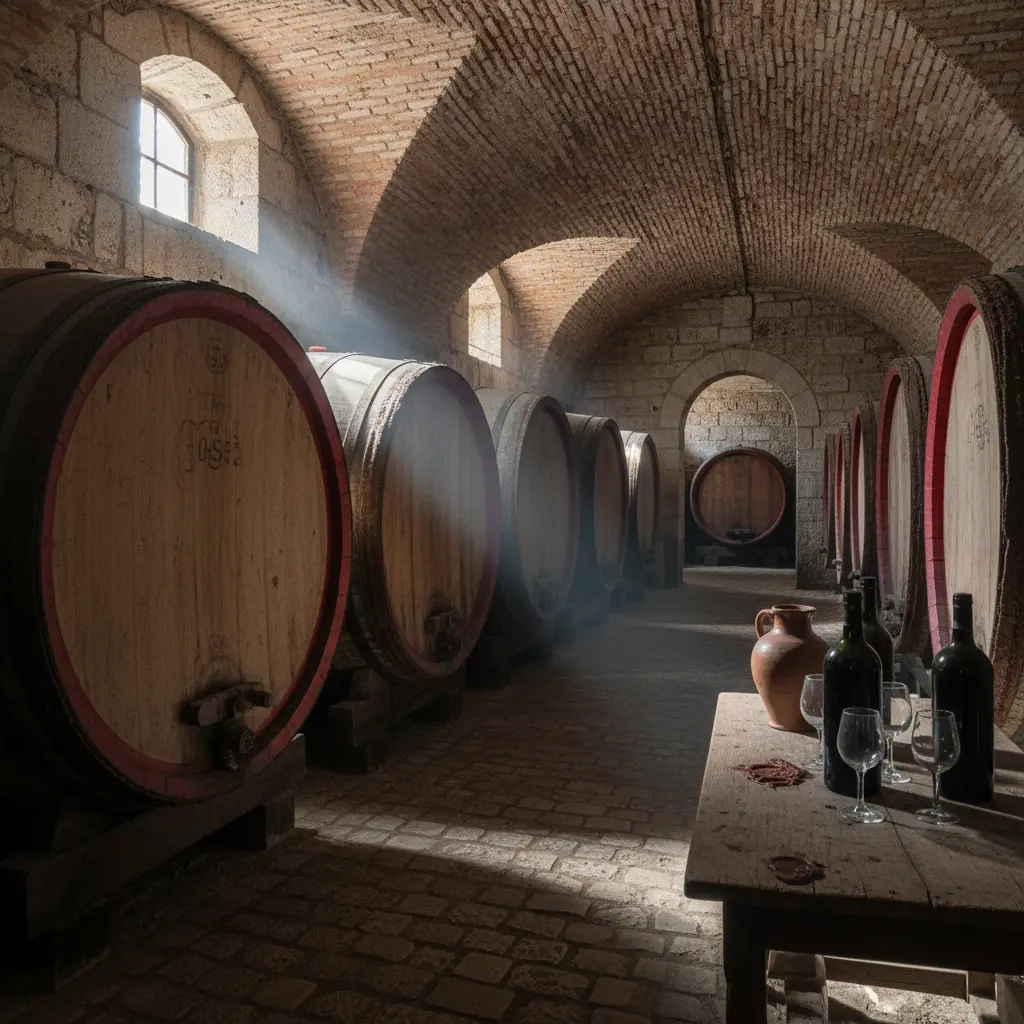
Visiting Lisboa's Wineries and Vineyards
A visit to the Lisboa wine region offers an immersive experience into Portuguese wine culture, with numerous wineries welcoming visitors for tastings, tours, and culinary delights. The proximity to the capital makes it an ideal day trip or weekend getaway.
Planning Your Wine Tour
Careful planning ensures a rewarding wine tour experience in Lisboa. Here are key steps:
- Choose Your Sub-Regions: Decide which sub-regions (e.g., Bucelas, Alenquer, Colares) align with your preferred wine styles.
- Select Wineries: Research wineries (quintas) within your chosen sub-regions. Many require appointments.
- Arrange Transport: Consider renting a car, hiring a private driver, or joining an organized tour for convenience and safety.
- Book Tastings: Confirm tasting and tour availability in advance, especially during peak season.
- Learn Wine Service Basics: Refresh your knowledge on how to wine service to fully appreciate the experience.
Recommended Wineries
Several notable wineries in the Lisboa region offer exceptional visitor experiences. Wineries such as Quinta do Sanguinhal, Casal Branco, and Adega Mãe are known for their quality wines and hospitality. These estates often provide historical tours and diverse tasting options.
Beyond the Cellar Door
Beyond wine tasting, the Lisboa region offers charming towns, historical sites, and beautiful landscapes to explore. Combine your wine tour with visits to medieval castles, coastal villages, or enjoy the local gastronomy.
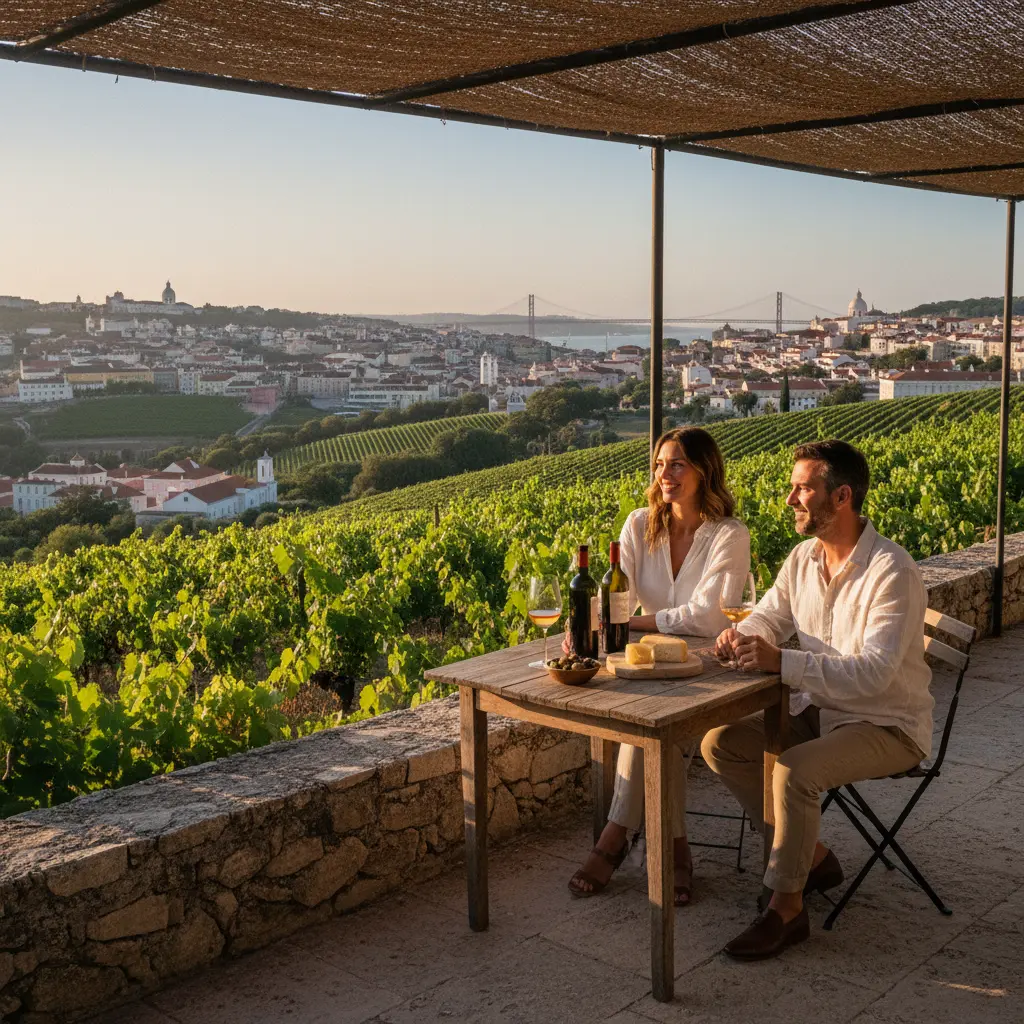
What Are the Key Trends in Lisboa Winemaking for 2026?
Lisboa winemaking in 2026 is characterized by a strong emphasis on sustainability, a resurgence of indigenous grape varieties, and continued innovation in both vineyard and cellar practices. The region is actively adapting to global demands and environmental challenges.
Focus on Native Grapes
There is an increasing trend to highlight and elevate indigenous Portuguese grape varieties, moving away from a reliance on international grapes. Winemakers are recognizing the unique character these grapes offer, contributing to distinct regional identity.
Organic and Biodynamic Practices
More wineries in Lisboa are adopting organic and biodynamic farming methods, reflecting a global shift towards sustainable viticulture. This commitment helps preserve the unique terroir and ensures environmental responsibility for future generations.
Innovation in Winemaking
Technological advancements in the cellar, combined with experimental approaches to fermentation and aging, are driving innovation. This allows winemakers to refine their craft, improve wine quality, and explore new expressions of Lisboa's diverse grapes.
Buying Guide: How to Choose Lisboa Wines
Choosing Lisboa wines involves understanding their diverse labeling, sub-regions, and stylistic profiles to find bottles that best suit your palate and occasion. With a little knowledge, you can confidently explore this exciting region.
Understanding Labels
Lisboa wine labels often indicate the sub-region (e.g., Bucelas DOC, Alenquer DOC) or simply 'Vinho Regional Lisboa', which offers more flexibility for winemakers. Look for these designations to gauge the wine's origin and potential style. Consulting a best wine pairing guide can also help.
Price vs. Quality
Lisboa wines offer excellent value across various price points, from affordable everyday bottles to premium, age-worthy selections. Don't assume higher price always equals better quality; many mid-range Lisboa wines deliver exceptional character.
Where to Buy
Lisboa wines are widely available in Portugal, both in supermarkets and specialist wine shops. Internationally, they can be found in well-stocked wine stores and online retailers, making them accessible to global enthusiasts.
Is Lisboa a Sustainable Wine Region?
Yes, the Lisboa wine region is increasingly committed to sustainability, with a growing number of producers adopting eco-friendly practices in both their vineyards and cellars. This commitment addresses environmental, social, and economic aspects of winemaking.
Environmental Initiatives
Many wineries are implementing initiatives such as water conservation, reduced pesticide use, energy efficiency, and promoting biodiversity in their vineyards. These practices aim to minimize environmental impact and foster healthy ecosystems.
Social Responsibility
Sustainability in Lisboa also extends to social responsibility, ensuring fair labor practices and supporting local communities. Wineries often play a vital role in the economic well-being of their surrounding areas.
Economic Viability
Sustainable practices contribute to the long-term economic viability of the region by preserving resources and enhancing the market appeal of its wines. This ensures that Lisboa's wine heritage can continue to thrive for generations.
The Future of Lisboa Wine
The future of Lisboa wine looks promising, marked by increasing global recognition, a burgeoning wine tourism sector, and a proactive approach to adapting to environmental changes. The region is poised for continued growth and innovation.
Global Recognition
Lisboa wines are steadily gaining international acclaim for their quality, diversity, and value, moving beyond being a hidden gem to a recognized player on the world stage. Continued promotion and critical success will further solidify this position.
Tourism Growth
Wine tourism in the Lisboa region is experiencing significant growth, driven by its appealing landscape, historical charm, and the high quality of its wine experiences. This influx of visitors helps to support local economies and promotes the region's wines.
Adaptability to Climate Change
Lisboa winemakers are actively researching and implementing strategies to adapt to climate change, including experimenting with drought-resistant grape varieties and adjusting vineyard management practices. This forward-thinking approach ensures the longevity of the region's viticulture.