Columbia Valley is Washington State's largest and most significant wine appellation, renowned for producing a diverse range of high-quality wines, particularly powerful red varietals and aromatic whites. This vast region benefits from a unique desert climate, abundant sunshine, and distinct soil compositions that create ideal conditions for viticulture, attracting global recognition for its distinctive style and consistent excellence.
What is Columbia Valley's Wine Region Known For?
Columbia Valley is primarily known for its world-class Cabernet Sauvignon, Merlot, and Syrah, alongside exceptional Chardonnay and Riesling, all characterized by their vibrant fruit, balanced acidity, and often remarkable aging potential. The region's reputation stems from its ability to consistently deliver wines that express both fruit intensity and elegant structure, distinguishing it from other New World wine regions.
Quality Focus and Innovation
Winemakers in Columbia Valley prioritize quality over quantity, employing meticulous vineyard management and modern winemaking techniques to craft expressive wines. This dedication has fostered an environment of continuous innovation, from sustainable farming practices to cutting-edge cellar technology, ensuring that the region remains at the forefront of American winemaking.
Diverse Wine Styles
Beyond its flagship varietals, Columbia Valley excels in producing a wide array of wine styles, including elegant Pinot Noir, crisp Sauvignon Blanc, and even sparkling wines. This diversity caters to a broad spectrum of palates and offers wine enthusiasts ample opportunity to explore the region's versatility, making it a compelling destination for discovery.
What are the Signature Grape Varieties of Columbia Valley?
The signature grape varieties of Columbia Valley include Cabernet Sauvignon, Merlot, and Syrah for reds, and Chardonnay and Riesling for whites, each thriving in the region's distinct climate. These varietals consistently achieve exceptional ripeness and balance, reflecting the unique terroir of Washington State.
Cabernet Sauvignon
Columbia Valley Cabernet Sauvignon is celebrated for its intense dark fruit flavors, firm tannins, and notes of graphite, cedar, and mint, often showcasing a structure built for long-term aging. These robust reds pair exceptionally well with rich dishes, such as grilled steak, offering a memorable dining experience. For more on pairing, explore our guide on How to Choose Red Wine for Steak.
Merlot
Merlot from Columbia Valley often displays lush red and black fruit aromas, supple tannins, and a velvety texture, making it approachable in its youth yet capable of developing complexity with age. It is a versatile wine that can complement a wide range of meals, from roasted poultry to pasta dishes.
Syrah
Columbia Valley Syrah is known for its bold character, featuring dark fruit, black pepper, smoked meat, and often floral notes, all framed by balanced acidity and ripe tannins. Its expressive profile makes it a fantastic match for hearty fare like beef stew, as detailed in our article on Best Wine for Beef Stew.
Chardonnay and Riesling
The region's Chardonnay offers vibrant acidity and flavors ranging from crisp apple to tropical fruit, often with subtle oak influence, while its Riesling is lauded for its purity, balancing sweetness with racy acidity and notes of apricot and honeycomb. These white wines are perfect for aperitifs or pairing with lighter dishes like turkey, as explored in our guide Best Wine with Turkey.
| Grape Variety | Key Characteristics | Ideal Food Pairing |
|---|---|---|
| Cabernet Sauvignon | Intense dark fruit, firm tannins, notes of cedar and graphite. | Grilled steak, lamb chops, prime rib. |
| Merlot | Lush red/black fruit, supple tannins, velvety texture. | Roasted poultry, mushroom risotto, gourmet burgers. |
| Syrah | Bold dark fruit, black pepper, smoked meat, floral notes. | Beef stew, venison, rich braises. |
| Chardonnay | Vibrant acidity, apple to tropical fruit, subtle oak. | Roasted chicken, creamy pasta, seafood. |
| Riesling | Purity, balanced sweetness/acidity, apricot, honeycomb. | Spicy Asian cuisine, Thanksgiving turkey, lighter fare. |
How Does Columbia Valley's Terroir Influence its Wines?
Columbia Valley's unique terroir, characterized by a rain shadow effect, dramatic diurnal temperature shifts, and diverse ancient soils, is the primary driver behind the distinctive quality and style of its wines. This combination of environmental factors allows grapes to develop intense flavor concentration while maintaining crucial acidity.
Climate and Sunshine
The region experiences over 300 days of sunshine annually, coupled with a desert-like aridity due to the Cascade Mountains' rain shadow, ensuring optimal ripeness and minimizing disease pressure. Hot days build sugar and flavor, while cool nights preserve acidity, leading to beautifully balanced wines.
Soil Types
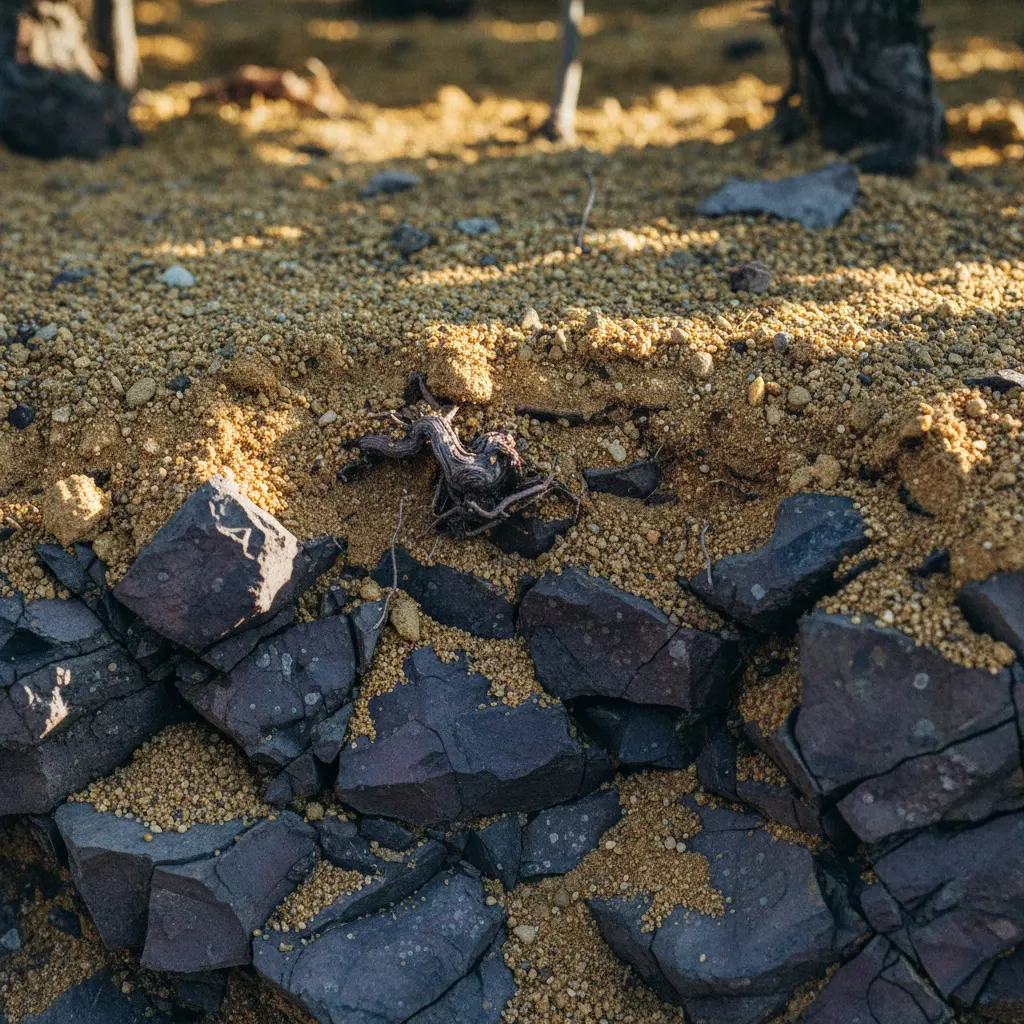
Soils in Columbia Valley are predominantly sandy loess over basalt bedrock, remnants of ancient floods, providing excellent drainage and mineral complexity. These well-drained soils stress the vines, forcing them to dig deep for water and nutrients, which contributes to smaller berries with concentrated flavors.
Irrigation Practices
While arid, the Columbia Valley relies on controlled irrigation from the Columbia River, allowing growers precise control over vine vigor and grape development. This precision ensures consistent quality year after year, compensating for the minimal rainfall without compromising terroir expression.
Where are the Key AVAs within Columbia Valley?
The Columbia Valley AVA encompasses several smaller, distinct American Viticultural Areas (AVAs), each contributing unique characteristics to the region's diverse wine portfolio. These sub-AVAs allow for more precise definitions of terroir and specific grape expressions.
Red Mountain
Red Mountain is a highly acclaimed sub-AVA known for producing some of Washington's most powerful and concentrated red wines, particularly Cabernet Sauvignon and Syrah. Its south-facing slopes, strong winds, and unique soil composition lead to small, intensely flavored berries.
Walla Walla Valley
Stretching across both Washington and Oregon, Walla Walla Valley is celebrated for its Merlot, Cabernet Sauvignon, and Syrah, showcasing elegance, complexity, and often savory notes. The valley's diverse microclimates and ancient riverbed soils contribute to its distinct style.
Horse Heaven Hills
Horse Heaven Hills is a vast AVA recognized for its consistent production of high-quality grapes, particularly Cabernet Sauvignon, which often shows dark fruit, firm tannins, and a hint of dusty earth. Its windy, south-facing vineyards along the Columbia River provide ideal conditions for ripening.
Yakima Valley
The oldest AVA in Washington, Yakima Valley offers a broad range of varietals, from full-bodied reds to crisp whites, reflecting its varied elevations and microclimates. It is a hub for viticultural research and innovation within the state.
What Food Pairings Complement Columbia Valley Wines?
Columbia Valley wines, with their robust structure and vibrant fruit, offer exceptional versatility for food pairings, enhancing a wide array of culinary experiences. The key is to match the intensity and flavor profile of the wine with the richness of the dish.
Red Wine Pairings
Full-bodied Columbia Valley Cabernet Sauvignon and Syrah are ideally paired with rich, savory dishes such as prime rib, lamb chops, venison, and aged cheeses. The wines' tannins cut through fats, while their fruit complexity complements roasted and grilled meats, creating memorable wine and dine experiences.
White Wine Pairings
Columbia Valley Chardonnay and Riesling are excellent companions for seafood, poultry, and lighter, aromatic dishes. Crisp Chardonnay works well with roasted chicken or creamy pasta, while off-dry Riesling shines with spicy Asian cuisine or Thanksgiving turkey, offering a fantastic contrast. For more versatile choices, consult a Best Wine Pairing Guide.
Versatile Options
Merlot from the region is highly adaptable, pairing beautifully with everything from gourmet burgers to mushroom risotto, while Rosé wines are perfect with appetizers and salads. The diverse range ensures a Columbia Valley wine for almost any meal or occasion.
How Can You Plan a Wine Tasting Trip to Columbia Valley?
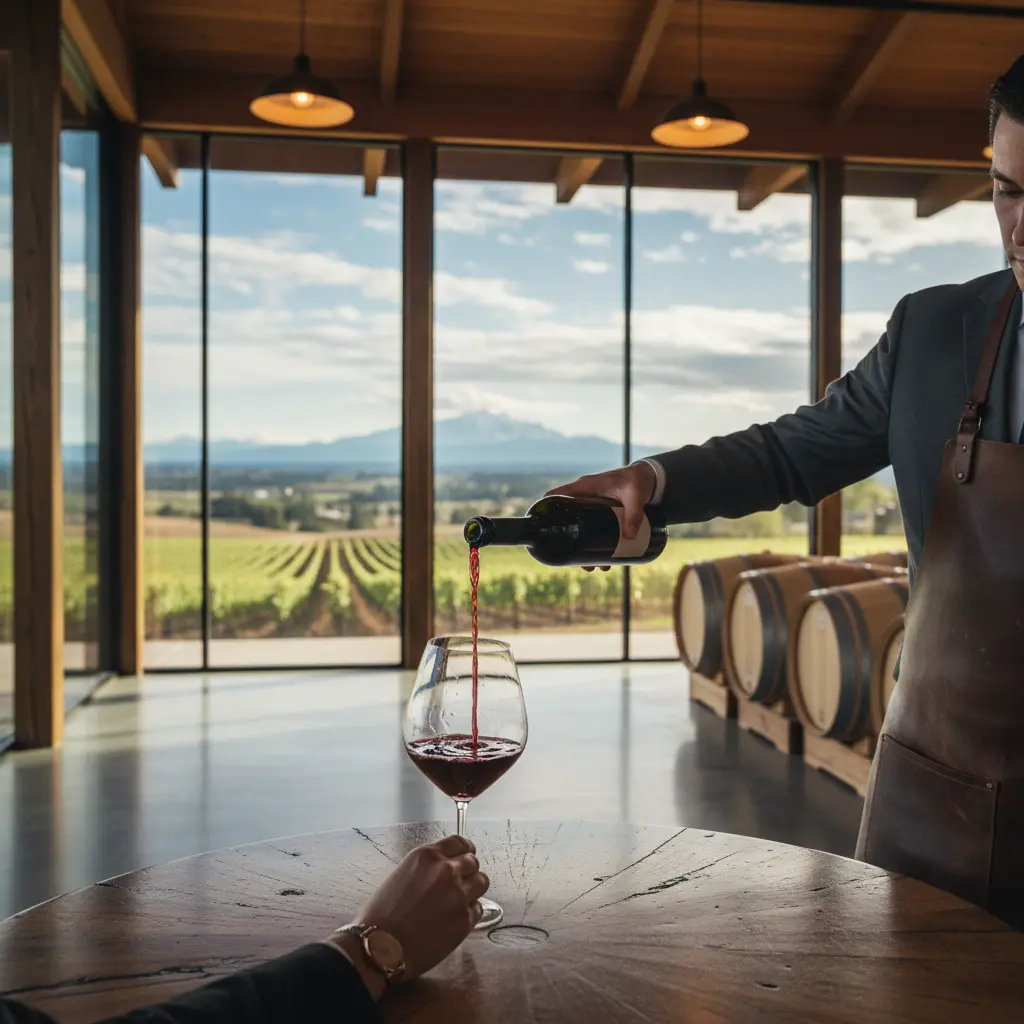
Planning a wine tasting trip to Columbia Valley involves choosing the right season, selecting key wineries to visit, and arranging accommodation to fully immerse yourself in the region's wine culture. A well-planned itinerary ensures a rich and rewarding experience.
Best Time to Visit
The ideal time to visit Columbia Valley for wine tasting is during late spring (April-May) or early fall (September-October), when the weather is pleasant, and vineyards are at their most picturesque. Harvest season in the fall offers a vibrant atmosphere, though booking accommodations and tastings in advance is highly recommended.
Top Wineries to Explore
Columbia Valley boasts numerous world-class wineries, many of which offer public tastings, tours, and direct sales. Researching wineries known for your preferred varietals and checking their visitor policies beforehand is advisable.
Accommodation and Logistics
Lodging options range from charming B&Bs to modern hotels in towns like Walla Walla, Richland, or Prosser. Consider hiring a local tour guide or designating a sober driver to fully enjoy the tastings responsibly.
- Research & Select Wineries: Begin by identifying wineries known for your favorite grape varieties or those with unique tasting experiences.
- Check Opening Hours & Bookings: Confirm tasting room hours and make reservations, especially for groups or during peak season.
- Plan Your Route: Group wineries geographically to minimize travel time and maximize your tasting opportunities.
- Arrange Transportation: Decide on a designated driver, car service, or guided tour to ensure safe and responsible tasting.
- Consider Accommodation: Book your lodging in advance, particularly in popular wine towns like Walla Walla.
- Pack Essentials: Bring water, snacks, a notebook for tasting notes, and comfortable shoes for vineyard walks.
"The Columbia Valley's potential is only just being tapped. Its unique combination of climate and soil creates wines of incredible depth and character that truly stand out on the global stage." - A prominent Washington State winemaker
Are Columbia Valley Wines a Good Investment?
Certain Columbia Valley wines, particularly top-tier Cabernet Sauvignon and Syrah from acclaimed producers and specific sub-AVAs, demonstrate strong aging potential and can be considered a sound investment for collectors. Their quality and increasing recognition on the global market suggest potential for value appreciation over time.
Aging Potential and Collectibility
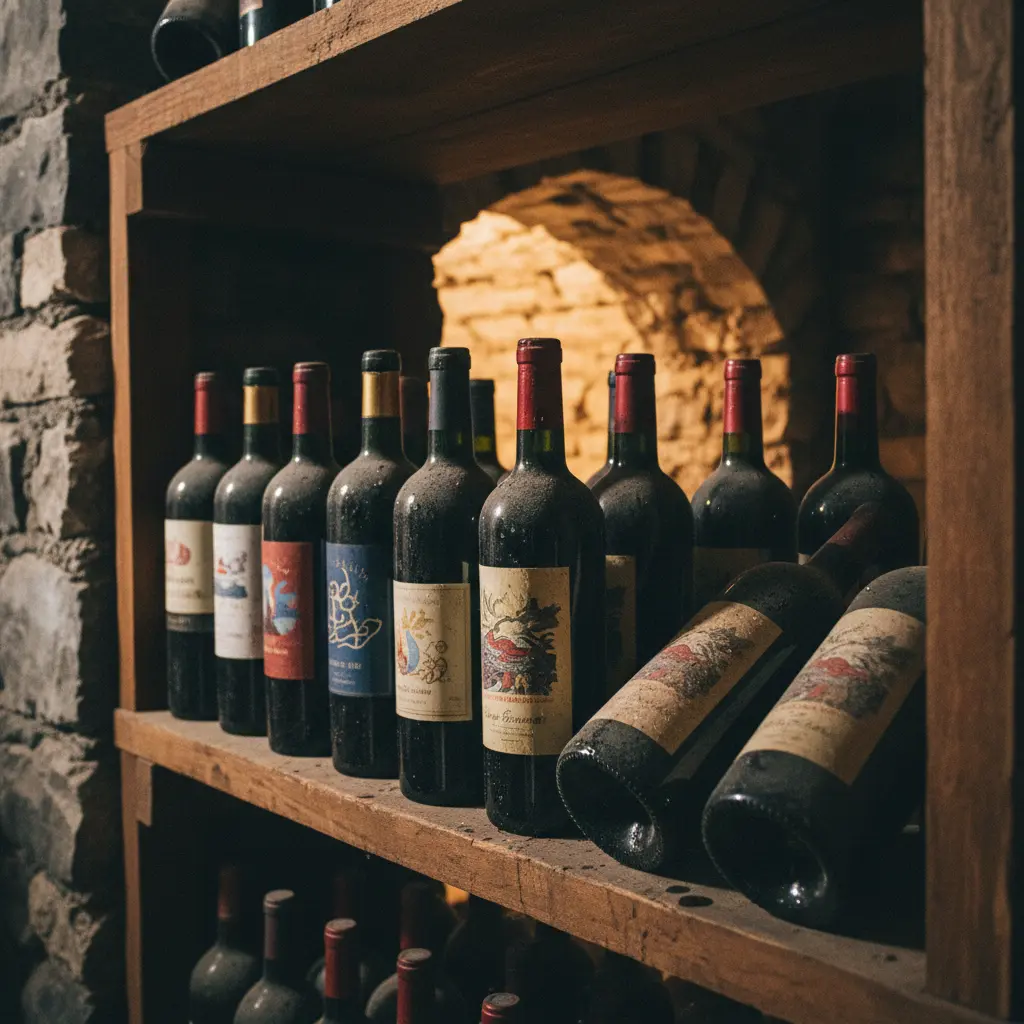
Many premium Columbia Valley red wines are built to age gracefully, developing greater complexity and nuance over a decade or more. This inherent longevity, combined with critical acclaim and limited production, makes them attractive to collectors looking for wines that will evolve and potentially increase in value.
Emerging Reputation
While not yet commanding the same prices as some Old World or California cult wines, Columbia Valley's reputation is rapidly growing, leading to increased demand and upward price trends for its finest bottles. Investing now can offer good returns as the region gains even greater international prestige.
What Future Trends are Shaping Columbia Valley Wine?
Future trends in Columbia Valley wine are heavily influenced by a growing commitment to sustainability, exploration of new varietals, and the increasing adoption of precision viticulture technologies. These developments aim to enhance quality, adapt to climate change, and expand market appeal.
Sustainable Practices
Many wineries in Columbia Valley are embracing sustainable and organic farming practices, focusing on water conservation, soil health, and biodiversity. This commitment not only protects the environment but also enhances the distinctiveness and purity of the wines.
New Varietals and Clones
Winemakers are experimenting with a broader range of grape varietals, including cooler-climate options, and exploring different clones of established grapes to find the best fit for specific microclimates within the valley. This pushes the boundaries of traditional Washington wine, offering consumers even more diverse options.
Precision Viticulture and Technology
The adoption of advanced technology, such as drone imagery, soil sensors, and data analytics, is enabling winemakers to manage vineyards with unprecedented precision. This precision viticulture helps optimize irrigation, fertilization, and harvest timing, leading to even higher quality and consistency in the wines produced.