Chile's Central Valley is a vast and vital wine region, serving as the heartland of the country's winemaking industry. This area spans from the Maipo Valley south to the Maule Valley, producing a diverse range of high-quality wines known globally for their exceptional value and robust flavors.
What is Chile's Central Valley Wine Region?
Chile's Central Valley is the most important and productive wine region in Chile, extending approximately 600 miles (1,000 km) south from the capital, Santiago. It is renowned for its fertile soils, Mediterranean climate, and the Andes mountains' protective influence, which together create ideal conditions for viticulture across numerous sub-regions.
Geographic Extent of the Central Valley
The Central Valley stretches significantly, encompassing four major sub-regions: Maipo Valley, Rapel Valley (which includes Cachapoal and Colchagua), Curicó Valley, and Maule Valley. This extensive geographical spread contributes to a wide array of microclimates and soil types, allowing for diverse grape cultivation.
Historical Significance in Chilean Winemaking
Winemaking in the Central Valley dates back to the Spanish colonial era, with modern viticulture profoundly influenced by French varietals in the 19th century. Early Spanish missionaries introduced vines for sacramental wine, but it was the arrival of Bordeaux grape varieties like Cabernet Sauvignon and Carmenere that truly shaped the region's identity and global standing.
What are the Key Sub-Regions of Central Valley?
The Central Valley is segmented into distinct sub-regions, each contributing unique characteristics to Chile's wine profile. These areas benefit from varied climates and soils, leading to different expressions of common grape varieties.
Maipo Valley: Santiago's Wine Heart
Maipo Valley, located just south of Santiago, is often considered the 'Bordeaux of South America' and is renowned for its premium Cabernet Sauvignon. Its warm days, cool nights, and alluvial soils create intense, structured reds. Many of Chile's most prestigious wineries are found here, producing some of the country's finest wines.
Cachapoal Valley: Elegant Reds
Cachapoal Valley, part of the larger Rapel Valley, is characterized by its focus on elegant red wines, particularly Carmenere and Cabernet Sauvignon. The valley's climate is moderated by coastal breezes and the Andes foothills, resulting in wines with softer tannins and nuanced fruit flavors.
Colchagua Valley: Powerhouse of Premium Reds
Colchagua Valley, also within Rapel Valley, is arguably Chile's most famous and acclaimed wine region, celebrated for its full-bodied red wines. It consistently produces world-class Cabernet Sauvignon, Carmenere, Syrah, and Malbec, often described as powerful yet refined. This region is a must-visit for serious wine enthusiasts.
Maule Valley: Old Vines and Rustic Charm
Maule Valley is one of Chile's oldest and largest wine regions, known for its concentration of old-vine País, Carignan, and Cabernet Sauvignon. It offers a more rustic and traditional winemaking approach, with many producers focusing on sustainable and organic practices, yielding wines with character and depth.
Which Grape Varieties Thrive in Central Valley?
The Central Valley is a versatile region supporting a wide array of grape varieties, though it is predominantly known for its robust red wines. The climate and diverse soils allow both classic international grapes and specific Chilean specialties to flourish.
Cabernet Sauvignon's Dominance
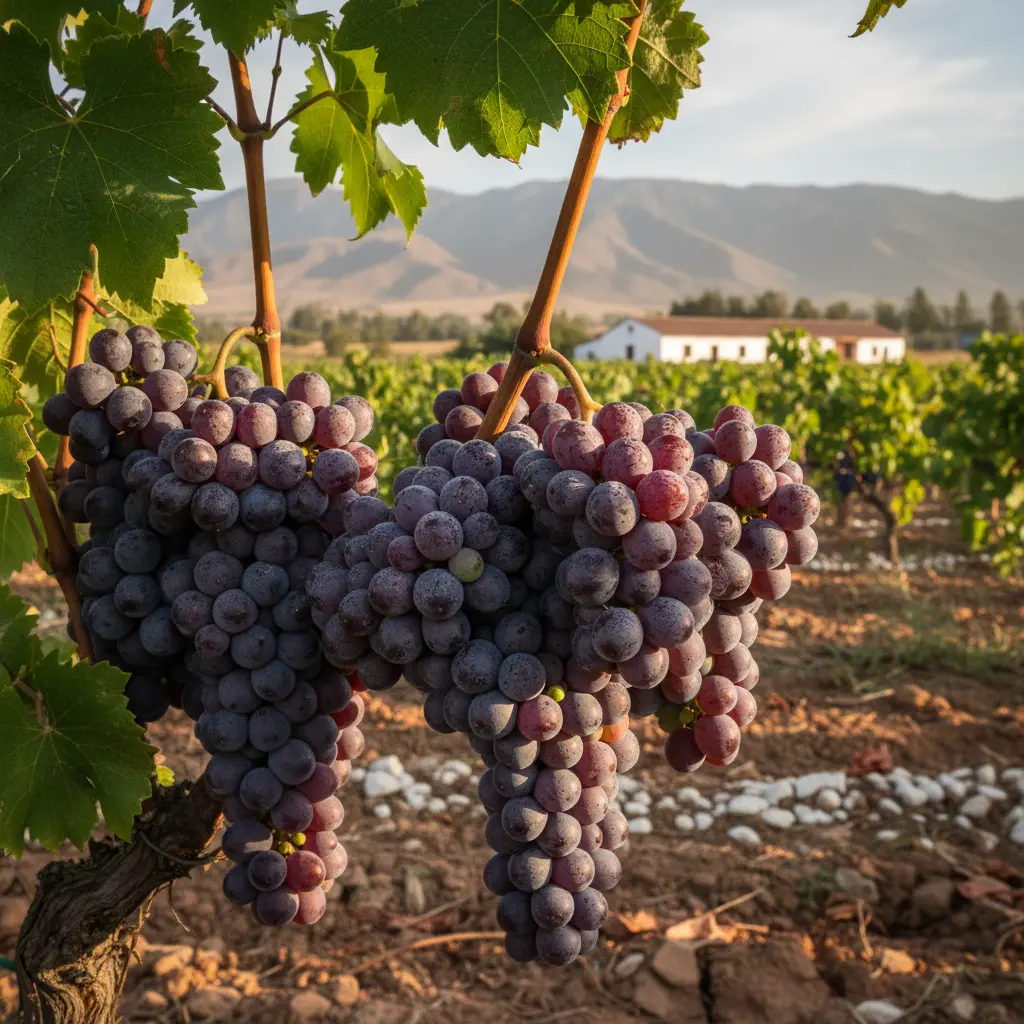
Cabernet Sauvignon is the undisputed king of Central Valley, producing wines known for their rich fruit, firm tannins, and aging potential. These wines often exhibit notes of blackcurrant, cassis, and mint, reflecting the region's unique terroir. For excellent pairing, consider a Central Valley Cabernet Sauvignon with a hearty steak, as detailed in our guide on how to choose red wine for steak.
Carmenere: Chile's Signature Grape
Carmenere has become Chile's signature grape, thriving particularly well in the Central Valley, especially in Colchagua and Maipo. Once mistaken for Merlot, Carmenere produces medium-bodied wines with notes of red fruit, green bell pepper, and distinctive smoky or herbal undertones, offering a unique profile.
Merlot and Syrah
Merlot contributes soft, approachable red wines, while Syrah offers spicy, dark-fruited expressions in the Central Valley. Both varietals demonstrate the region's adaptability, producing wines that range from easy-drinking to complex and age-worthy.
Chardonnay and Sauvignon Blanc
For white wines, Chardonnay and Sauvignon Blanc are the primary varieties, often displaying crisp acidity and vibrant fruit flavors. While less dominant than reds, these whites from cooler pockets of the Central Valley, especially areas influenced by coastal breezes, offer refreshing and aromatic profiles suitable for many dishes, including best wine pairing for sushi.
How Does Central Valley's Climate Influence its Wines?
The Central Valley's climate is primarily Mediterranean, characterized by hot, dry summers and mild, wet winters, which profoundly influences grape ripening and wine style. This consistent weather pattern, combined with specific geographical features, is crucial for viticulture.
Mediterranean Climate Impact
The region's Mediterranean climate ensures a long, consistent growing season, allowing grapes to achieve optimal ripeness with balanced sugar and acidity. Abundant sunshine promotes phenolic maturity in red grapes, leading to rich color and flavor development.
Andes Mountains' Role
The towering Andes Mountains provide a crucial barrier, protecting vineyards from extreme weather while supplying meltwater for irrigation. The diurnal temperature variations-warm days and significantly cooler nights due to high altitude and mountain breezes-are essential for preserving acidity and developing aromatic complexity in the grapes.
Pacific Ocean's Influence
Despite its inland location, parts of the Central Valley, particularly western areas of Maipo and Colchagua, receive moderating influences from the Pacific Ocean. Cooling sea breezes help to lower vineyard temperatures, extending the ripening period and contributing to fresher, more elegant wine styles.
What Makes Central Valley Wines Unique?
Central Valley wines are distinguished by their exceptional quality-to-price ratio, diverse terroir expressions, and a distinct Chilean character that balances fruit-forward appeal with structural integrity. The region offers something for every palate and budget.
"Chile's Central Valley is a testament to natural bounty and skilled viticulture. It consistently delivers wines that over-deliver on taste, reflecting a unique blend of Old World tradition and New World innovation."
Terroir Diversity and Expression
The extensive terroir diversity within the Central Valley, from volcanic soils near the Andes to clay-loam closer to the coast, allows a broad spectrum of grape varieties to express their unique characteristics. This geological variety translates directly into wines with distinct profiles, even within the same varietal.
Exceptional Value and Quality
Central Valley is famous for producing high-quality wines at remarkably accessible prices, making Chilean wines a global favorite for everyday enjoyment and special occasions. This value proposition is a key differentiator, offering consumers premium experiences without premium costs.
How to Pair Central Valley Wines with Food?
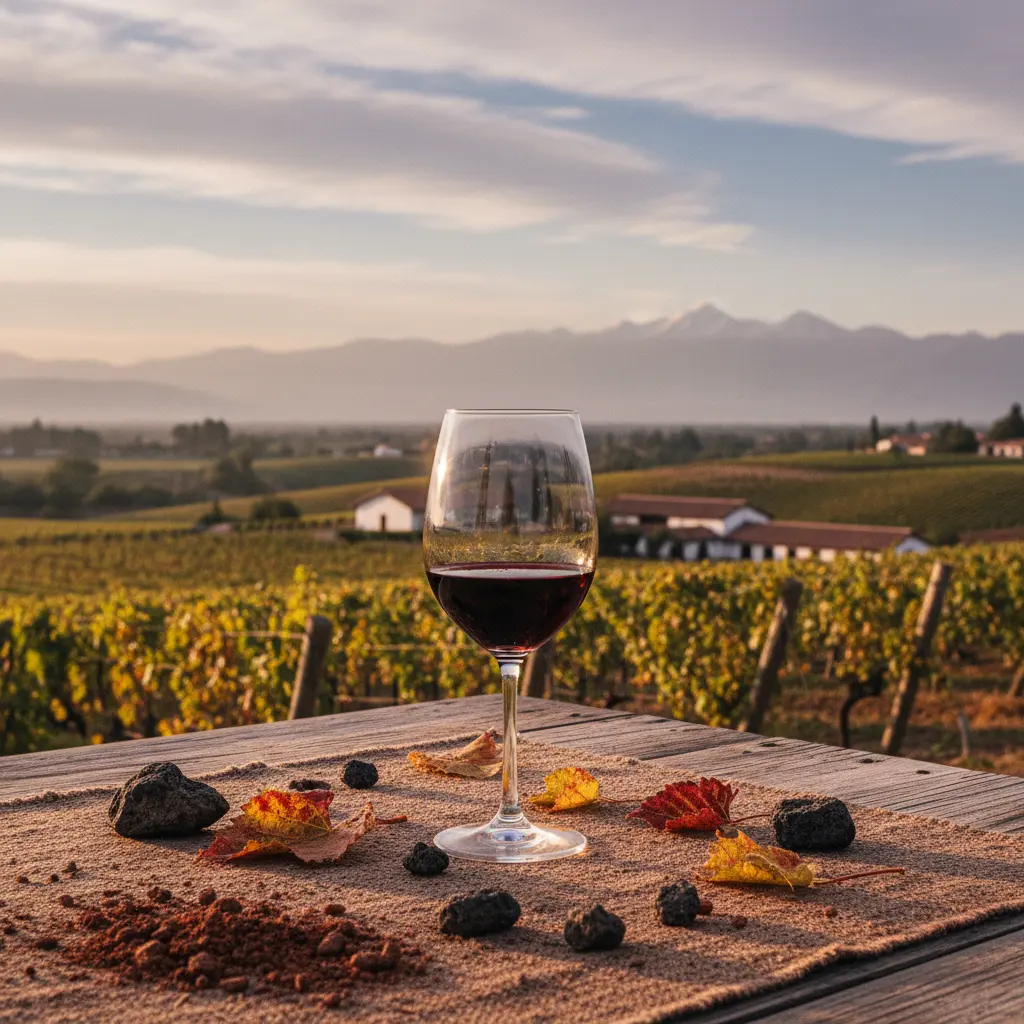
Pairing Central Valley wines with food is straightforward due to their versatile styles, with robust reds excelling alongside grilled meats and savory dishes, and crisp whites complementing seafood and lighter fare. Understanding the wine's intensity is key.
Pairing Robust Red Wines
Central Valley's full-bodied reds, such as Cabernet Sauvignon and Carmenere, are ideal companions for grilled lamb, beef, or rich stews. Their firm tannins and dark fruit flavors stand up to strong flavors and fatty cuts, enhancing the dining experience. Consider our recommendations for best wine for beef stew to find perfect matches.
Versatile White Wine Pairings
Crisp Sauvignon Blancs and unoaked Chardonnays from Central Valley pair beautifully with fresh seafood, salads, and poultry. Their bright acidity and citrus notes cut through richness and cleanse the palate, making them excellent choices for lighter dishes. For diverse options, check out our best wine pairing guide.
Local Chilean Cuisine Pairings
Many Central Valley wines, especially Carmenere, are perfect with traditional Chilean dishes like empanadas, pastel de choclo (corn pie), or charquicán (meat and vegetable stew). The regional wines naturally harmonize with local flavors, creating authentic culinary experiences.
Are There Sustainable Practices in Central Valley Winemaking?
Many wineries in Chile's Central Valley are increasingly adopting sustainable viticulture and winemaking practices to protect the environment and enhance wine quality. This commitment reflects a growing awareness of ecological responsibility and long-term viability.
Organic and Biodynamic Initiatives
A growing number of vineyards in the Central Valley are converting to organic and biodynamic farming, minimizing chemical use and promoting biodiversity. These practices aim to improve soil health, conserve water, and produce grapes that more authentically express their terroir.
Water Conservation Strategies
Given Chile's arid climate, water conservation is a critical focus, with wineries implementing efficient irrigation techniques like drip irrigation and smart sensor systems. Research into drought-resistant rootstocks and vineyard management also plays a significant role in sustainable water use.
How to Visit Central Valley Vineyards?
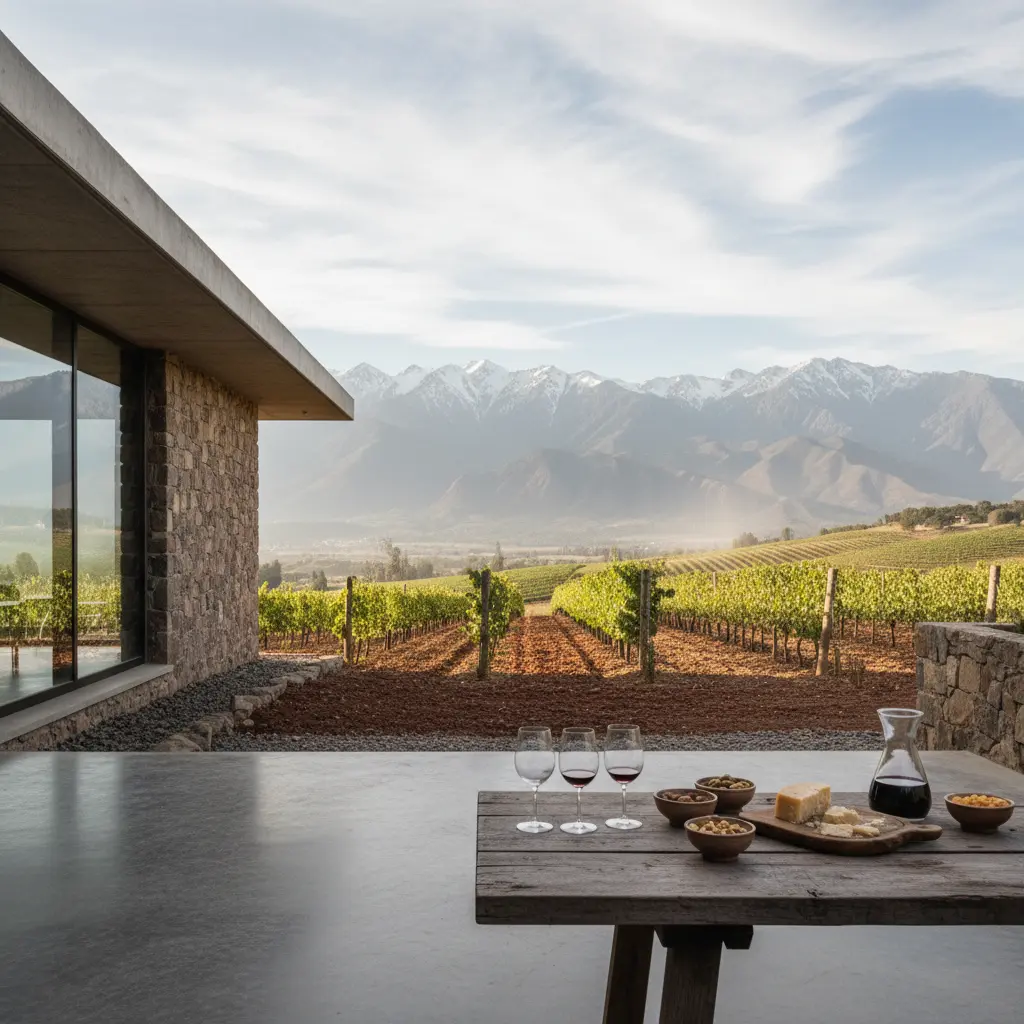
Visiting Central Valley vineyards offers an immersive experience into Chilean wine culture, ranging from formal tastings to comprehensive tours. To enhance your overall journey, consider insights from our guide on how to create memorable wine and dine experiences. Planning your trip can ensure you get the most out of this vibrant wine region.
- Choose Your Sub-Region: Decide which sub-region (Maipo, Colchagua, Maule, etc.) best fits your interest. Colchagua and Maipo are popular for first-time visitors due to their well-established tourism infrastructure.
- Select Wineries: Research wineries based on the grape varieties you prefer and the type of experience you desire (e.g., small boutique vs. large producer). Many require advance booking for tours and tastings.
- Arrange Transportation: Consider hiring a local driver or joining a guided tour, especially if you plan to taste extensively. Public transport can be limited between vineyards.
- Book Accommodations: Many valleys offer charming guesthouses and hotels within or near the vineyards, allowing for a relaxed multi-day visit.
- Enjoy the Local Cuisine: Pair your wine experiences with local gastronomy. Many wineries have excellent restaurants, and regional towns offer authentic Chilean fare.
What is the Future Outlook for Central Valley Wines?
The future for Central Valley wines appears bright, driven by continued investment in sustainable practices, exploration of new grape varietals, and a focus on premiumization. The region is poised to further solidify its reputation on the global stage.
Emerging Trends and Innovations
Winemakers are experimenting with lesser-known varietals, higher altitude plantings, and innovative aging techniques to push the boundaries of quality and expression. There's also a growing interest in producing more natural and minimal intervention wines.
Global Market Presence
Central Valley wines continue to expand their global market presence, benefiting from strong international demand and Chile's consistent quality. The region's commitment to sustainability and diverse offerings ensures its relevance and appeal to a broad consumer base worldwide.
Conclusion: Embracing Central Valley's Richness
Chile's Central Valley stands as a testament to the country's winemaking prowess, offering an incredible range of wines from everyday value to world-class expressions. Its diverse sub-regions, favorable climate, and dedication to quality ensure that Central Valley wines remain a cornerstone of the global wine landscape, providing enjoyment and discovery for enthusiasts everywhere.
| Sub-Region | Key Grapes | Dominant Style | Notable Features |
|---|---|---|---|
| Maipo Valley | Cabernet Sauvignon, Carmenere | Structured, Premium Reds | Closest to Santiago, high-end wineries |
| Cachapoal Valley | Carmenere, Cabernet Sauvignon | Elegant, Smooth Reds | Inland, Andes foothills influence |
| Colchagua Valley | Cabernet Sauvignon, Syrah, Carmenere | Full-bodied, Powerful Reds | Globally acclaimed, diverse terroir |
| Maule Valley | País, Carignan, Cabernet Sauvignon | Rustic, Old-vine Reds | Oldest and largest, focus on heritage grapes |