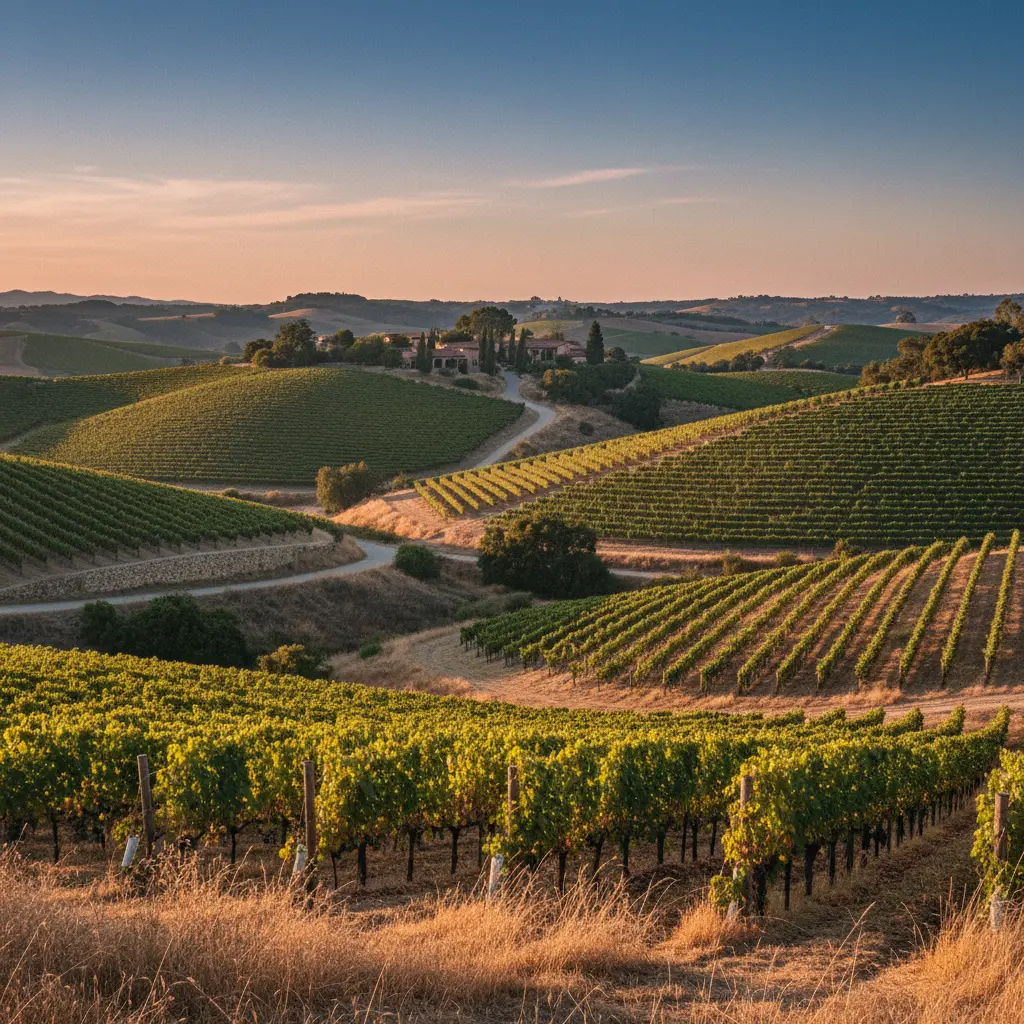
California is recognized globally as a powerhouse of winemaking, consistently producing world-class wines that showcase diverse terroirs and innovative techniques. Its vast viticultural landscape, from the coastal cool of Santa Barbara to the sun-drenched valleys of Napa, offers an unparalleled spectrum of styles and experiences for every wine enthusiast.
What Makes California Wine Unique?
What Defines California's Wine Identity?
California's wine identity is defined by its exceptional diversity, innovative spirit, and commitment to quality, allowing it to produce a broad spectrum of wines from robust reds to elegant sparkling varieties. This identity is shaped by varied microclimates, pioneering winemakers, and a blend of Old World traditions with New World experimentation. California's singular approach to winemaking sets it apart from other global wine regions.
How Does Innovation Shape California's Wine Scene?
Innovation in California's wine scene drives continuous improvement in viticulture and winemaking, leading to sustainable practices and cutting-edge techniques. From water conservation to clonal research, California consistently pushes boundaries, influencing global wine trends.
Which Are California's Premier Wine Regions?
Napa Valley: The Icon of Cabernet Sauvignon
Napa Valley is California's most renowned wine region, globally celebrated for its exceptional Cabernet Sauvignon wines that embody richness and complexity. Beyond Cabernet, Napa also excels with Chardonnay and Merlot, benefiting from its unique valley microclimates.
Sonoma County: Diversity in Terroir and Grapes
Sonoma County offers remarkable viticultural diversity, boasting a wide range of microclimates that support an extensive array of grape varieties, from Pinot Noir and Chardonnay to Zinfandel and Cabernet Sauvignon. Its distinct sub-regions, such as Russian River Valley for Pinot Noir and Sonoma Coast for Chardonnay, provide unique expressions of these grapes.
To illustrate the distinct characteristics, here is a comparative overview of Napa and Sonoma:
| Feature | Napa Valley | Sonoma County |
|---|---|---|
| Primary Grapes | Cabernet Sauvignon, Chardonnay, Merlot | Pinot Noir, Chardonnay, Zinfandel, Cabernet Sauvignon |
| Climate | Warmer, more consistent inland heat | Diverse, with significant coastal influence (cooler) |
| Terroir Focus | Volcanic soils, valley floor, hillsides | Varied soils (clay, loam, volcanic), coastal hills, river valleys |
| General Style | Bold, opulent, age-worthy reds | Elegant, nuanced, broader range of styles |
| Tourism Vibe | Luxury, refined, structured tastings | Relaxed, rustic, diverse experiences |
Central Coast: A Spectrum of Styles
The Central Coast region, stretching from Santa Barbara to Monterey, is a vast and varied area producing a broad spectrum of wine styles, particularly noted for its high-quality Pinot Noir, Chardonnay, and Syrah. Cooler coastal influences lend elegance and balance to these wines.
What Signature Grape Varieties Thrive in California?
Cabernet Sauvignon: California's King of Reds
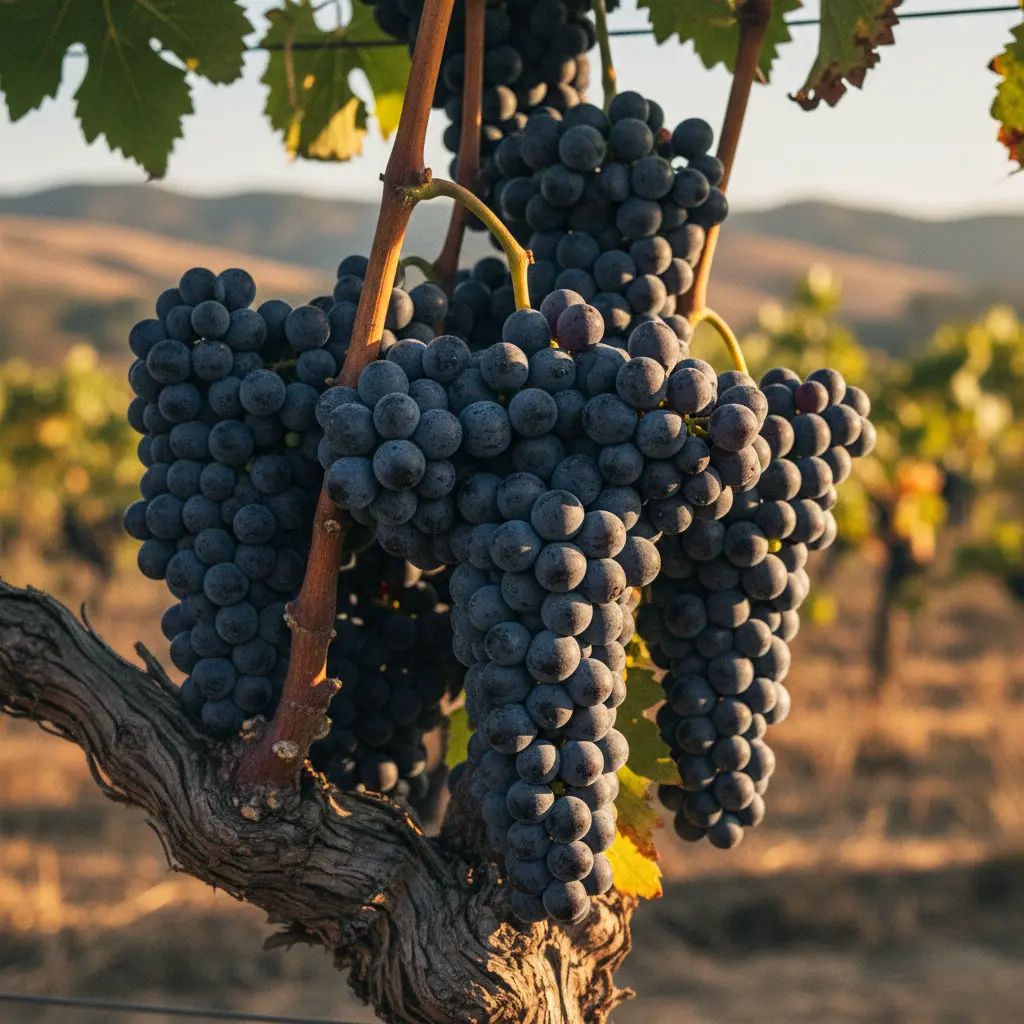
Cabernet Sauvignon is undeniably California's most dominant and celebrated red grape, producing full-bodied, age-worthy wines with notes of blackcurrant, cedar, and often a hint of mint. Its success in regions like Napa Valley has solidified its global reputation.
Chardonnay: The Versatile White
Chardonnay is California's most planted white grape, renowned for its versatility, ranging from crisp, unoaked styles with bright acidity to rich, buttery, oak-aged expressions. This adaptability allows it to thrive across diverse Californian terroirs.
Pinot Noir: Elegance from the Coast
Pinot Noir from California offers elegant and expressive wines, especially from cooler coastal regions, characterized by red fruit flavors, earthy undertones, and silky textures. Regions like Russian River Valley and Santa Rita Hills are acclaimed for their exceptional Pinot Noir.
Zinfandel: A Heritage Grape
Zinfandel is a heritage grape of California, producing robust, fruit-forward red wines with notes of blackberry, pepper, and sometimes a jammy quality, reflecting the state's winemaking history. Old vine Zinfandel is particularly prized for its concentration and depth.
How Has Climate and Terroir Shaped California Wines?
The Influence of Coastal Fogs and Ocean Breezes
Coastal fogs and cool ocean breezes are critical climatic factors that significantly extend the growing season and preserve acidity in California grapes, especially for Pinot Noir and Chardonnay. This maritime influence mitigates intense inland heat, allowing for more nuanced flavor development.
Defining Terroir in Diverse California AVAs
California's diverse American Viticultural Areas (AVAs) each possess unique terroir, comprising specific combinations of climate, soil, and topography that impart distinct characteristics to the wines. Understanding these micro-regions is key to appreciating the complexity of Californian wines.
"The greatness of California wine comes from a rare convergence of ideal climate, diverse soils, and human ingenuity, allowing us to capture the essence of our unique landscapes in every bottle."
What Iconic Wineries Define California's Legacy?
Pioneers of Napa Valley
Iconic Napa Valley wineries like Robert Mondavi Winery and Beringer Vineyards are recognized as pioneers, instrumental in establishing the region's global reputation for quality wine. Their early contributions shaped modern Californian winemaking.
Sonoma's Historic Estates
Sonoma's historic estates, such as Buena Vista Winery and Gundlach Bundschu, represent some of California's oldest wineries, preserving rich traditions while adapting to contemporary winemaking. These estates offer a deep dive into the state's viticultural past; learning mastering wine service can enhance the appreciation of these legacy wines.
How Do You Plan a California Wine Country Trip?
Choosing Your Destination: Napa, Sonoma, or Beyond?
Choosing your California wine country destination depends on your preferences, with Napa Valley offering luxury and renowned Cabernet, while Sonoma provides diverse experiences and a more laid-back atmosphere. Consider also the Central Coast for scenic drives and excellent Pinot Noir.
Tips for Booking Tastings and Tours
Booking tastings and tours in advance, especially for popular wineries during peak season, is essential to ensure availability and a seamless experience. Many wineries offer various tasting experiences, from casual stand-up bars to seated educational sessions, and some require reservations. To fully appreciate the nuances of California's diverse wines during your trip or at home, consider investing in ideal wine glasses.
Navigating Wine Country Transportation
Navigating California Wine Country responsibly often involves hiring a designated driver, using ride-sharing services, or joining an organized tour to fully enjoy tastings without driving concerns. Bike tours are also popular in some flatter regions for a more active experience.
Planning your dream California wine country trip can be an exciting process. Follow these steps for an unforgettable experience:
- Choose Your Region: Decide between Napa Valley for its iconic Cabernet and luxury, Sonoma for its diverse varietals and relaxed feel, or the Central Coast for scenic beauty and elegant Pinot Noirs.
- Select Your Wineries: Research wineries based on their varietals, history, and tasting experiences. Look for smaller, boutique options alongside well-known names.
- Book Accommodations: Reserve hotels, B&Bs, or vacation rentals well in advance, especially during peak seasons (spring, fall harvest).
- Arrange Transportation: Plan how you will get around. Consider hiring a private driver, joining a guided tour, or utilizing ride-sharing services to ensure responsible tasting.
- Make Tasting Reservations: Contact wineries directly to book your tasting appointments. Many popular spots require reservations, sometimes weeks in advance.
- Plan Meals: Research restaurants and make dinner reservations. California Wine Country boasts an incredible culinary scene, often with farm-to-table dining.
- Pack Appropriately: Bring layers, as temperatures can vary significantly from morning to afternoon. Comfortable shoes are a must for walking vineyards and cellars.
What Are the Best Food Pairings for California Wines?
Understanding the art of pairing enhances the enjoyment of California's diverse wines. For broader guidance, explore our Best Wine Pairing Guide 2026.
Pairing California Cabernet Sauvignon
California Cabernet Sauvignon, with its bold structure and dark fruit profile, pairs exceptionally well with rich, savory dishes like grilled steak, braised short ribs, and hearty stews. Its firm tannins cut through fat, creating a balanced culinary experience. For more specific advice, explore our guide on How to Choose Red Wine for Steak.
Matching Chardonnay with Cuisine
California Chardonnay, depending on its style, pairs beautifully with a range of foods; unoaked versions complement lighter fare like roasted chicken or seafood, while oaked Chardonnays excel with richer dishes such as lobster with butter sauce or creamy pasta.
Zinfandel and its Culinary Partners
Zinfandel's robust, spicy, and often jammy characteristics make it an excellent partner for barbecue, grilled lamb, and dishes with bold, savory sauces. Its fruit-forward nature can also stand up to dishes with a touch of sweetness, like glazed pork ribs.
What Emerging Trends Are Shaping California Wine in 2026?
The Rise of Sustainable and Organic Winemaking
The rise of sustainable and organic winemaking is a significant trend in California, with more wineries adopting environmentally friendly practices to minimize their ecological footprint. This includes water conservation, biodiversity promotion, and reduced chemical use.
Exploring Lesser-Known Grape Varieties
California winemakers are increasingly exploring and revitalizing lesser-known grape varieties, moving beyond the traditional dominant grapes to offer more diverse and unique wine experiences. Varietals like Albariño, Vermentino, and Carignan are gaining traction.