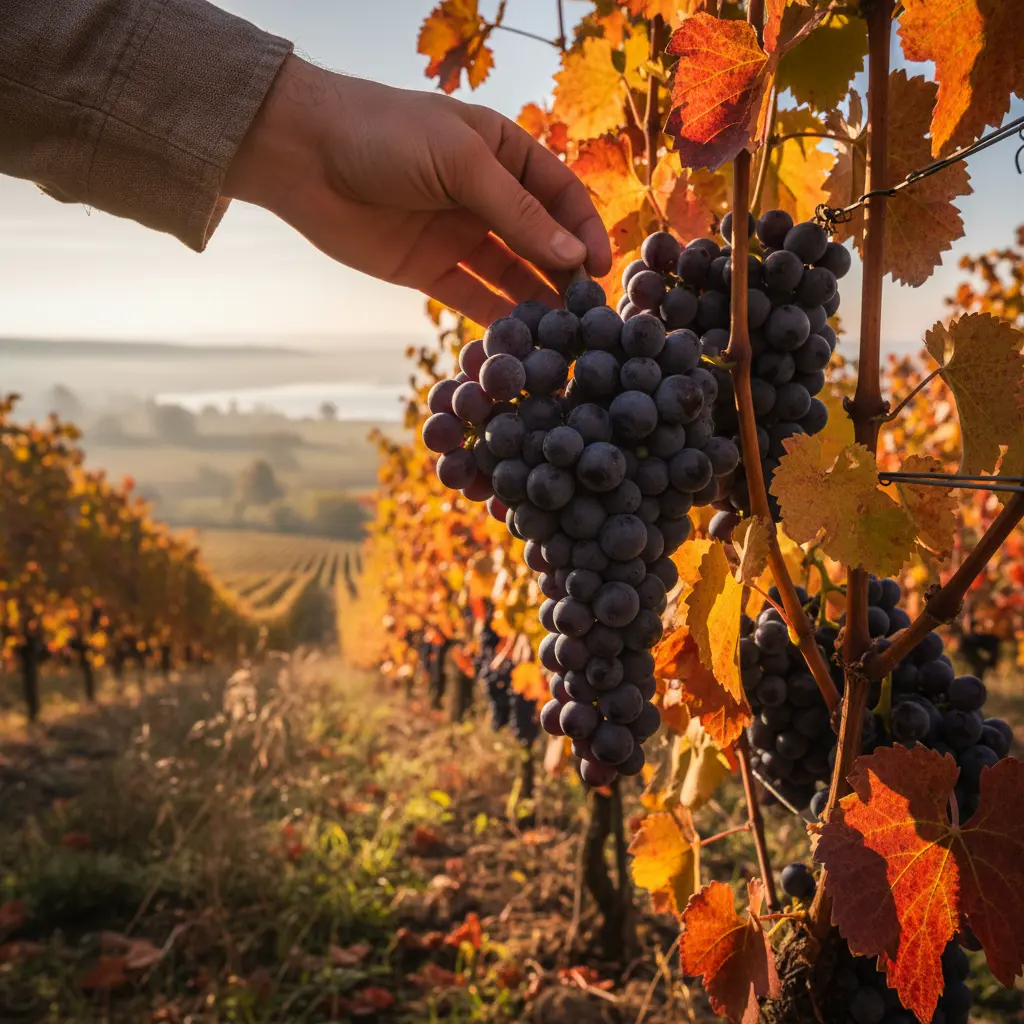
Burgenland, Austria's easternmost state, is celebrated globally for its distinctive red wines and legendary sweet elixirs, shaped by a unique Pannonian climate and the influence of Lake Neusiedl. This region offers a diverse array of wine experiences, from robust Blaufränkisch to exquisite Trockenbeerenauslese, reflecting centuries of winemaking tradition and modern innovation.
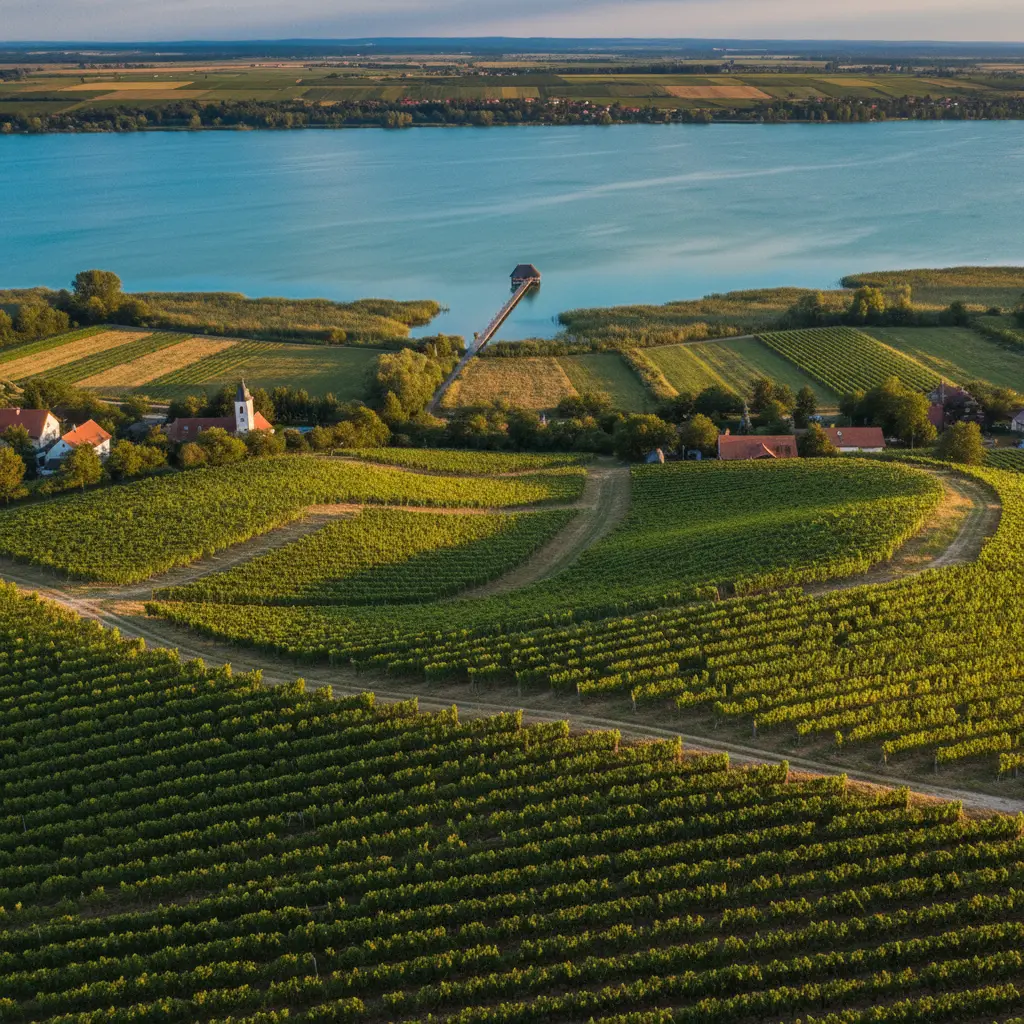
Where is Burgenland and What Makes its Terroir Unique?
Burgenland is located in eastern Austria, bordering Hungary, Slovakia, and Slovenia, and its terroir is defined by the Pannonian climate and the significant influence of Lake Neusiedl. This combination creates a distinctive environment perfectly suited for a wide range of grape varieties.
How does the Pannonian climate influence Burgenland wines?
The Pannonian climate provides hot summers and cold winters, characterized by dry conditions and long autumns, which are crucial for grape ripening and the development of noble rot. This continental influence ensures a full physiological ripeness in red grapes and the concentration of sugars in grapes destined for sweet wines.
What role does Lake Neusiedl play in the region's viticulture?
Lake Neusiedl, a vast, shallow steppe lake, acts as a critical climate regulator, moderating temperatures and providing the humidity necessary for the development of botrytis cinerea, or noble rot. This unique microclimate is indispensable for the production of Burgenland's world-renowned sweet wines, especially those around the Seewinkel area.
What are the Signature Red Grape Varieties of Burgenland?
Burgenland is best known for its indigenous red grape varieties, with Blaufränkisch, Zweigelt, and St. Laurent leading the regional identity. These grapes thrive in the warm, Pannonian climate, producing wines with depth, character, and age-worthiness.
Exploring Blaufränkisch: The "Soul" of Burgenland
Blaufränkisch is considered the flagship red grape of Burgenland, producing wines with pronounced acidity, firm tannins, and characteristic notes of dark berries, sour cherry, and often a peppery, mineral edge. It is a versatile grape that can yield elegant, fruit-driven styles or powerful, structured wines suitable for long aging. For an excellent pairing, a robust Blaufränkisch pairs wonderfully with hearty dishes like a beef stew.
Understanding Zweigelt: Austria's Most Planted Red Grape
Zweigelt, a cross between Blaufränkisch and St. Laurent, is Austria's most widely planted red grape, producing approachable wines with soft tannins, vibrant cherry fruit, and often a hint of spice. It is typically consumed young but can also produce more concentrated, barrel-aged versions that offer greater complexity.
Discovering St. Laurent: Pinot Noir's Austrian Cousin
St. Laurent offers aromatic complexity reminiscent of Pinot Noir, with notes of red currant, plum, and forest floor, along with a distinct acidity and fine tannins. This grape is more challenging to cultivate but rewards with elegant, nuanced wines that have excellent aging potential.
Beyond Reds: What White and Sweet Wines Does Burgenland Produce?
While famous for its reds, Burgenland also produces significant quantities of notable white wines and is internationally renowned for its exquisite noble sweet wines. The diversity of its terroir supports both dry, aromatic whites and intensely concentrated dessert wines.
Notable White Varietals: Welschriesling, Grüner Veltliner, Pinot Blanc
Welschriesling is often used for dry, crisp wines with green apple notes and for the base of many sweet wines, while Grüner Veltliner offers characteristic white pepper and citrus notes, and Pinot Blanc (Weissburgunder) yields elegant, nutty wines. These varieties adapt well to the varied soils and microclimates within Burgenland.
The Golden Elixirs: Burgenland's Legendary Sweet Wines
Burgenland's sweet wines, particularly those from the Neusiedlersee region, are legendary for their concentration, complexity, and age-worthiness, often achieving world-class status. These wines are primarily made from grapes affected by noble rot, resulting in opulent flavors and a rich, honeyed texture.
How are Burgenland's Sweet Wines Made and Classified?
Burgenland's sweet wines are primarily made through the process of noble rot (botrytis cinerea) or by freezing grapes on the vine, leading to highly concentrated and intensely flavored elixirs. These wines are meticulously classified based on their sugar content and production method.
The Magic of Botrytis: Understanding Noble Rot
Noble rot, or botrytis cinerea, is a beneficial fungal infection that dehydrates grapes, concentrating their sugars, acids, and flavors while adding unique notes of honey, apricot, and orange marmalade. This process requires specific climatic conditions-humid mornings for the fungus to develop, followed by dry, sunny afternoons to prevent undesirable grey rot.
Key Sweet Wine Classifications: Ausbruch, Beerenauslese, Trockenbeerenauslese
Burgenland's sweet wines are classified by the concentration of sugar, with Beerenauslese (BA) made from individually hand-picked, botrytized berries, and Trockenbeerenauslese (TBA) representing the highest concentration from shriveled, raisined berries. Ausbruch is a unique Burgenland classification, historically made by adding botrytized grapes to fermenting must, similar to Tokaji Aszú, producing a wine between BA and TBA in sweetness and richness.
- Harvesting: Grapes for sweet wines are hand-picked, often in multiple passes through the vineyard, selecting only perfectly botrytized or frozen berries.
- Pressing: The concentrated grapes are gently pressed, yielding a very sweet, viscous juice (must) with high sugar content.
- Fermentation: Fermentation can be slow and challenging due to the high sugar levels, often stopping naturally, leaving significant residual sugar.
- Aging: Many sweet wines are aged in stainless steel or old oak barrels to develop complexity and integrate flavors before bottling.
- Serving: Serve sweet wines chilled (around 8-10°C) in small, specialized dessert wine glasses to fully appreciate their aromatic intensity.
What is Eiswein from Burgenland?
Eiswein (ice wine) from Burgenland is made from grapes left on the vine until they freeze solid, typically in December or January, then pressed while still frozen to extract highly concentrated, sweet juice. This process yields wines with intense purity of fruit, high acidity, and a crisp, clean sweetness, distinct from botrytized wines.
Which are the Key Winegrowing Regions (DACs) within Burgenland?
Burgenland is subdivided into several distinct winegrowing regions, known as DACs (Districtus Austriae Controllatus), each specializing in specific grape varieties and wine styles. These DACs ensure regional typicity and quality standards.
| DAC Region | Primary Wine Styles | Key Grape Varieties | Characteristics |
|---|---|---|---|
| Neusiedlersee | Red Wines, Sweet Wines (BA, TBA, Eiswein) | Zweigelt, Blaufränkisch, Welschriesling | Warm climate, lake influence, ideal for botrytis and rich reds. |
| Leithaberg | White Wines, Red Wines | Blaufränkisch, Grüner Veltliner, Weissburgunder, Chardonnay | Limestone and slate soils, mineral-driven whites, elegant reds. |
| Mittelburgenland | Red Wines ("Blaufränkischland") | Blaufränkisch | Heavy clay soils, rich, powerful, and long-lived Blaufränkisch. |
| Eisenberg | Red Wines | Blaufränkisch | Iron-rich slate soils, spicy, mineral-driven Blaufränkisch. |
Neusiedlersee DAC: Sweet Wines and Powerful Reds
The Neusiedlersee DAC, surrounding Lake Neusiedl, is renowned for its exceptional noble sweet wines due to the lake's botrytis-inducing humidity, as well as for its vibrant, fruit-forward red wines, especially Zweigelt. The region benefits from a long growing season and warm temperatures.
Leithaberg DAC: Mineral-Driven Whites and Elegant Reds
Leithaberg DAC, located on the slopes of the Leitha Mountains, is known for its mineral-driven white wines (Grüner Veltliner, Pinot Blanc, Chardonnay) and elegant, structured Blaufränkisch reds, all marked by the distinctive limestone and slate soils. The wines often display a profound sense of terroir.
Mittelburgenland DAC: The "Blaufränkisch Land"
Mittelburgenland DAC is affectionately known as the "Blaufränkisch Land" due to its almost exclusive focus on this red grape, producing some of Austria's most intense, age-worthy, and robust expressions of Blaufränkisch. The heavy clay soils contribute to the grape's power and concentration.
Eisenberg DAC: Spicy Blaufränkisch from Slate Soils
Eisenberg DAC, located in the very south of Burgenland, is distinguished by its unique iron-rich slate soils, which impart a distinct peppery spice, freshness, and minerality to its Blaufränkisch wines. These wines are typically more vibrant and savory than those from Mittelburgenland.
What Food Pairings Best Complement Burgenland Wines?
Burgenland wines offer versatile food pairing options, with dry reds excelling alongside hearty meat dishes and sweet wines providing a luxurious complement to desserts and select cheeses. Understanding the wine's acidity, body, and sweetness is key to successful pairings, as detailed in our best wine pairing guide.
Pairing Dry Red Burgenland Wines with Cuisine
Dry red Burgenland wines like Blaufränkisch, Zweigelt, and St. Laurent pair exceptionally well with traditional Austrian cuisine, roasted meats, game, and hard cheeses. Blaufränkisch, with its acidity and structure, is a superb match for goulash, schnitzel, or a perfectly grilled steak, while lighter Zweigelt suits poultry or pasta dishes.
Matching Sweet Burgenland Wines with Desserts and Cheese
Burgenland's noble sweet wines are ideal partners for fruit-based desserts, foie gras, blue cheeses, or can be enjoyed on their own as a luxurious apéritif or digestif. The intense sweetness and balancing acidity of wines like Trockenbeerenauslese create a harmonious contrast with rich flavors.
Planning a Wine Trip to Burgenland: What Should You Expect?
A wine trip to Burgenland offers a rich cultural experience, combining vineyard visits, cellar tours, and tastings with opportunities to explore local cuisine, historical sites, and the natural beauty of Lake Neusiedl. Visitors can expect warm hospitality and a deep connection to Austrian wine heritage.
"Burgenland's wines are a true reflection of its land and people - resilient, diverse, and full of character. To taste them is to understand the soul of this unique Austrian region."
Key Wineries to Visit in the Region
Burgenland boasts numerous acclaimed wineries, from historic family estates to modern, avant-garde producers, many of whom offer tastings and direct sales. Notable names include Tement, Kracher (famous for sweet wines), Umathum, Nittnaus, and Rosi Schuster, among many others.
Experiencing Local Culture and Cuisine
Beyond wine, Burgenland's local culture and cuisine, heavily influenced by its proximity to Hungary, feature hearty dishes, fresh produce, and a relaxed, welcoming atmosphere. Visitors can enjoy traditional Heurigen (wine taverns) for local food and wine, exploring charming villages, and experiencing the region's diverse ecosystem.
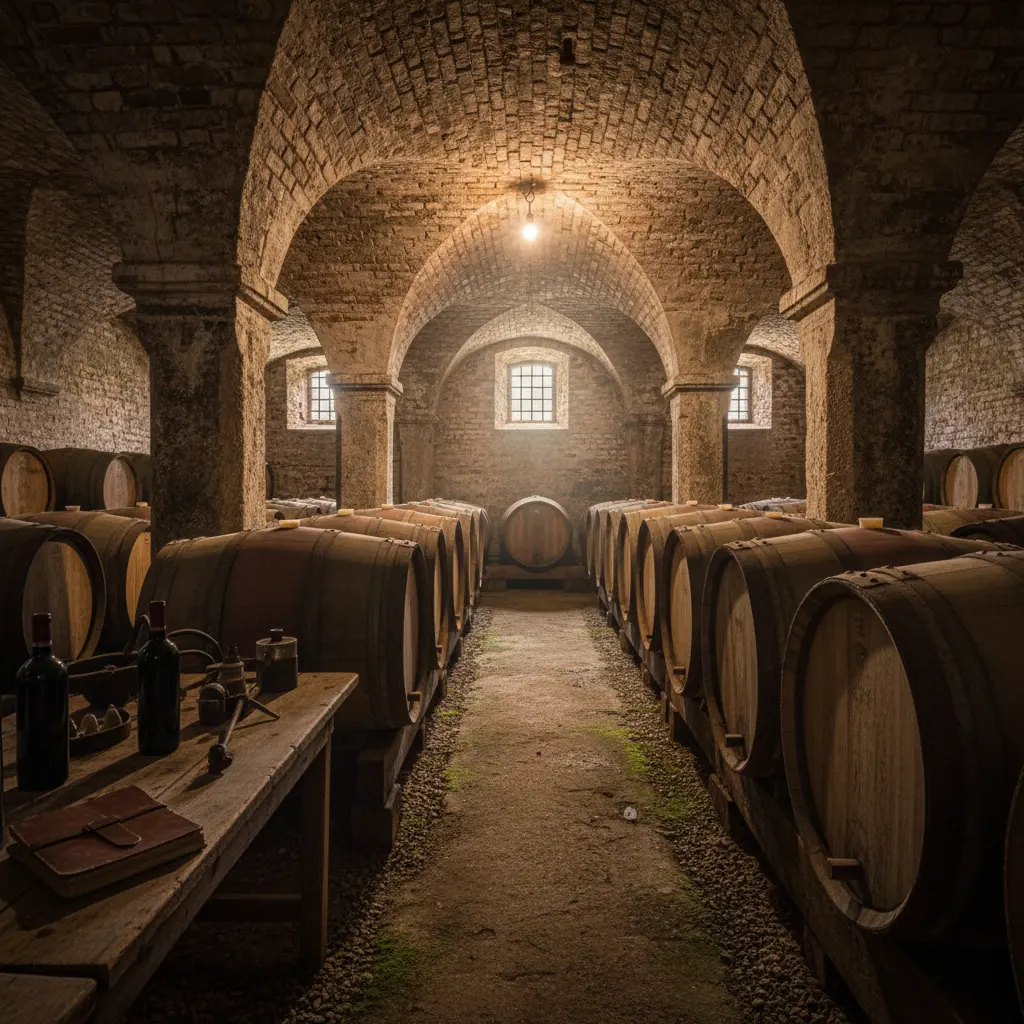
How Does Burgenland's Wine History Shape its Modern Identity?
Burgenland's long and often tumultuous wine history, dating back to Roman times, has profoundly shaped its modern identity, fostering resilience, a strong connection to local varieties, and a commitment to quality. The region has overcome challenges to emerge as a world-class wine producer.
A Brief History of Viticulture in Burgenland
Viticulture in Burgenland has roots stretching back over two millennia, with Romans introducing grapevines to the area, followed by monastic orders in the Middle Ages who further developed winemaking. The region historically produced bulk wines, but a pivot towards quality began in the late 20th century.
Evolution of Winemaking Styles
Burgenland has evolved from a region known primarily for large-volume production to one focused on high-quality, terroir-driven wines, embracing both traditional methods and modern technologies. This shift has led to improved viticultural practices, careful cellar management, and a focus on expressing the unique character of its indigenous grapes.
What Innovations are Shaping Burgenland's Wine Future?
Burgenland's wine future is being shaped by a strong commitment to sustainable practices, organic and biodynamic viticulture, and a renewed focus on precise terroir expression. These innovations aim to enhance wine quality, protect the environment, and adapt to changing climate conditions.
Sustainable Practices and Organic Viticulture
Many Burgenland wineries are increasingly adopting sustainable and organic viticultural practices, reducing chemical use, promoting biodiversity, and ensuring the long-term health of their vineyards. This reflects a growing consciousness about environmental stewardship and producing purer, more authentic wines.
Focus on Terroir Expression
Winemakers in Burgenland are intensely focused on allowing their diverse terroirs-from limestone and slate to clay and gravel-to express themselves fully in the finished wines. This involves minimal intervention in the cellar and a deep understanding of how different soils and microclimates influence grape development and wine character.