Alentejano is one of Portugal's most dynamic and important wine regions, celebrated for its bold red wines, crisp whites, and a rich winemaking tradition. Located in the south-central part of the country, it is characterized by vast plains, rolling hills, and a hot, dry climate ideal for viticulture, contributing to its diverse and high-quality wine production.

What Defines the Alentejano Wine Region in 2026?
The Alentejano wine region is defined by its vastness, a hot and dry Mediterranean climate, diverse soils, and a strong commitment to both indigenous grape varieties and modern winemaking techniques. This combination results in a wide range of wines, from robust reds to aromatic whites, often reflecting the region's intense sunlight and unique terroir.
Geographical and Climatic Characteristics
Alentejano's geography is predominantly flat to gently rolling, while its climate is characterized by scorching summers, cold winters, and low rainfall, leading to wines with concentrated flavors. The region spans approximately one-third of mainland Portugal, offering varied microclimates despite the overarching hot conditions. Sub-regions like Borba, Reguengos, Vidigueira, and Portalegre each present subtle variations in altitude and soil composition.
Historical Winemaking Traditions
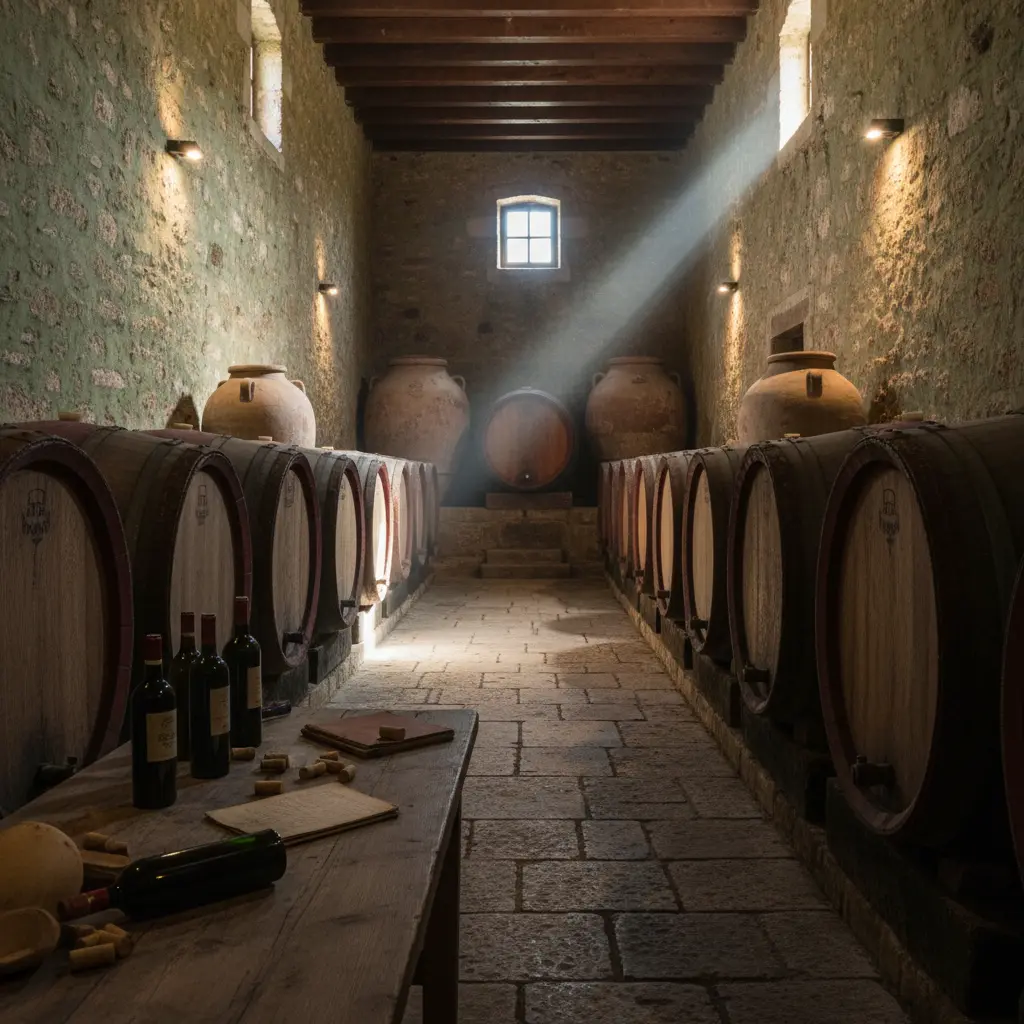
Alentejano boasts a winemaking history dating back to Roman times, notably preserving the ancient practice of fermenting and aging wine in clay amphorae, known as talha. This traditional method contributes unique textures and aromas to certain wines and is experiencing a revival, offering a distinct counterpoint to modern vinification.
Which Grape Varieties Thrive in Alentejano?
A diverse array of grape varieties thrives in Alentejano, with a strong emphasis on indigenous Portuguese grapes for both red and white wines, alongside some well-adapted international varieties. The region's hot climate often pushes grapes to full ripeness, yielding wines with generous fruit and good structure.
Key Red Grape Varieties
The most prominent red grape varieties in Alentejano include Aragonês (Tempranillo), Trincadeira, Alicante Bouschet, and Castelão. Aragonês provides structure and red fruit flavors, Trincadeira adds spice and acidity, Alicante Bouschet contributes deep color and tannins, and Castelão offers robustness and longevity.
Important White Grape Varietals
Antão Vaz, Arinto, and Roupeiro (Síria) are the leading white grape varieties in Alentejano, known for producing aromatic, fresh, and often full-bodied white wines. Antão Vaz brings tropical fruit notes and a creamy texture, Arinto offers vibrant acidity and citrus, while Roupeiro contributes floral aromas and minerality.
What are the Signature Alentejano Red Wines?
Signature Alentejano red wines are typically full-bodied, rich, and fruit-forward, often characterized by dark fruit flavors, notes of spice, and smooth tannins, benefiting from barrel aging. These wines are usually blends of indigenous grapes, expressing the region's robust character.
Styles and Aging Potential
Alentejano reds range from easy-drinking, fruit-driven styles meant for early consumption to complex, structured wines capable of significant aging, often for 5-10 years or more. The aging potential is highly dependent on the grape composition, vintage, and winemaking techniques, particularly the use of oak.
Common Flavor Profiles
Common flavor profiles in Alentejano reds include blackberry, plum, and cherry, often complemented by hints of vanilla, chocolate, and tobacco from oak aging, along with subtle herbal or earthy undertones. The warmth of the region contributes to ripe, jammy fruit characteristics.
Exploring Alentejano White Wines
Alentejano white wines offer a refreshing contrast to the region's reds, typically presenting vibrant acidity, aromatic complexity, and a range of styles from crisp and mineral-driven to richer, oak-aged expressions. They are increasingly gaining international recognition for their quality and versatility.
Distinctive White Wine Characteristics
Distinctive white wine characteristics include bright citrus, white floral notes, tropical fruit nuances, and often a refreshing minerality, with some examples displaying a creamy texture from lees contact or oak. The high daytime temperatures are balanced by cooler nights, preserving acidity.
Food Pairing Versatility for Whites
Alentejano white wines are incredibly versatile for food pairing, excelling with seafood, grilled fish, poultry, and traditional Portuguese dishes like Açorda de Camarão (bread and shrimp stew). Their acidity and fruit character make them excellent companions for a variety of cuisines, including lighter fare. Consider them alongside the best wine starters.
Who are the Top Wineries to Visit in Alentejano?
Several top wineries in Alentejano offer exceptional tasting experiences, showcasing the region's quality wines and stunning landscapes, including Herdade do Esporão, Adega da Cartuxa, and Herdade dos Grous. These estates blend tradition with modern hospitality, providing insight into Alentejo's winemaking heritage.
Renowned Producers and Their Offerings
Renowned producers like Herdade do Esporão are known for their extensive portfolio of red and white wines, olive oils, and a strong commitment to sustainability. Adega da Cartuxa, part of the Eugénio de Almeida Foundation, produces the iconic Pêra-Manca wines, while Herdade dos Grous is famed for its high-quality reds and tourism facilities.
Boutique and Traditional Wineries
Beyond the large estates, Alentejano is home to numerous boutique and traditional wineries, often specializing in small-batch production and the ancient talha wine technique. These smaller producers offer a more intimate and authentic glimpse into the region's diverse winemaking landscape, often found in sub-regions like Vidigueira or Borba.
How Do You Pair Alentejano Wines with Food?
Pairing Alentejano wines with food is best approached by matching the wine's intensity and characteristics with similar qualities in the dish, highlighting traditional regional cuisine. The richness of the red wines makes them ideal for hearty meat dishes, while the whites complement lighter fare.
Pairing Alentejano Reds
Alentejano reds pair exceptionally well with robust flavors such as grilled lamb, slow-cooked pork, game meats, and traditional Portuguese stews like Cozido à Portuguesa. Their tannins and fruit concentration stand up to rich, fatty dishes, much like a good red wine for steak. They also complement aged cheeses and cured meats from the region.
Local Alentejano Cuisine Matches
Local Alentejano cuisine, known for its rustic and flavorful dishes, often features ingredients like pork, bread, olives, and herbs, creating perfect pairings for the region's wines. Dishes such as Ensopado de Borrego (lamb stew) or Migas com Carne de Porco (fried bread with pork) are classic pairings that enhance both the food and the wine.
"The Alentejo region truly captures the essence of Portuguese winemaking, blending ancient traditions with a forward-thinking approach. Its wines are a reflection of its sun-drenched landscape and the passion of its people." - A local winemaker's perspective on Alentejano's spirit.
Planning Your Wine Tour to Alentejano
Planning a wine tour to Alentejano involves selecting key regions, booking winery visits, arranging accommodation, and considering the best time of year to visit for an optimal experience. The vastness of the region means some planning is essential to maximize your trip.
Best Times to Visit
The best times to visit Alentejano for a wine tour are spring (April-May) and autumn (September-October), when the weather is pleasant, and vineyards are either budding or bustling with harvest activity. Summers can be excessively hot, while winters are cooler and quieter.
Tour Itinerary Suggestions
- Choose a Base City: Select a central location like Évora, a UNESCO World Heritage site, which offers cultural attractions and easy access to many wineries.
- Research Wineries and Book Ahead: Identify 2-3 wineries per day that align with your interests (e.g., traditional talha wines, modern estates, organic vineyards) and book tasting appointments or tours in advance.
- Include Culinary Experiences: Integrate meals at local restaurants or winery restaurants to fully appreciate the regional food and wine pairings.
- Explore Beyond Wine: Dedicate time to explore Alentejano's historical sites, cork oak forests, and picturesque towns for a comprehensive cultural experience.
- Consider Transportation: Renting a car is highly recommended for flexibility in traversing the region's often rural roads between wineries.
What is the Future Outlook for Alentejano Wines?
The future outlook for Alentejano wines is highly positive, driven by increased international recognition, a growing focus on sustainable practices, and continued innovation in winemaking. The region is well-positioned to expand its global footprint and appeal to a broader audience.
Sustainability and Innovation
Alentejano is at the forefront of sustainability in Portuguese winemaking, with many wineries adopting eco-friendly practices, including organic farming and water conservation, alongside technological innovations. This commitment not only protects the environment but also enhances wine quality and market appeal.
Growing International Recognition
Alentejano wines are experiencing growing international recognition, particularly in key markets like the USA, Brazil, and Northern Europe, due to their consistent quality and distinctive character. This increased visibility contributes to higher demand and appreciation for the region's offerings. For more on other emerging wine regions, see our guide on Brazil Wine Guide 2026.
How to Identify Quality Alentejano Wines?
Identifying quality Alentejano wines involves looking for D.O.C. (Denominação de Origem Controlada) or V.R. (Vinho Regional Alentejano) classifications, researching producers, and understanding the vintage reports. A D.O.C. designation guarantees adherence to strict regional production rules, signifying high quality.
Understanding Classifications and Labels
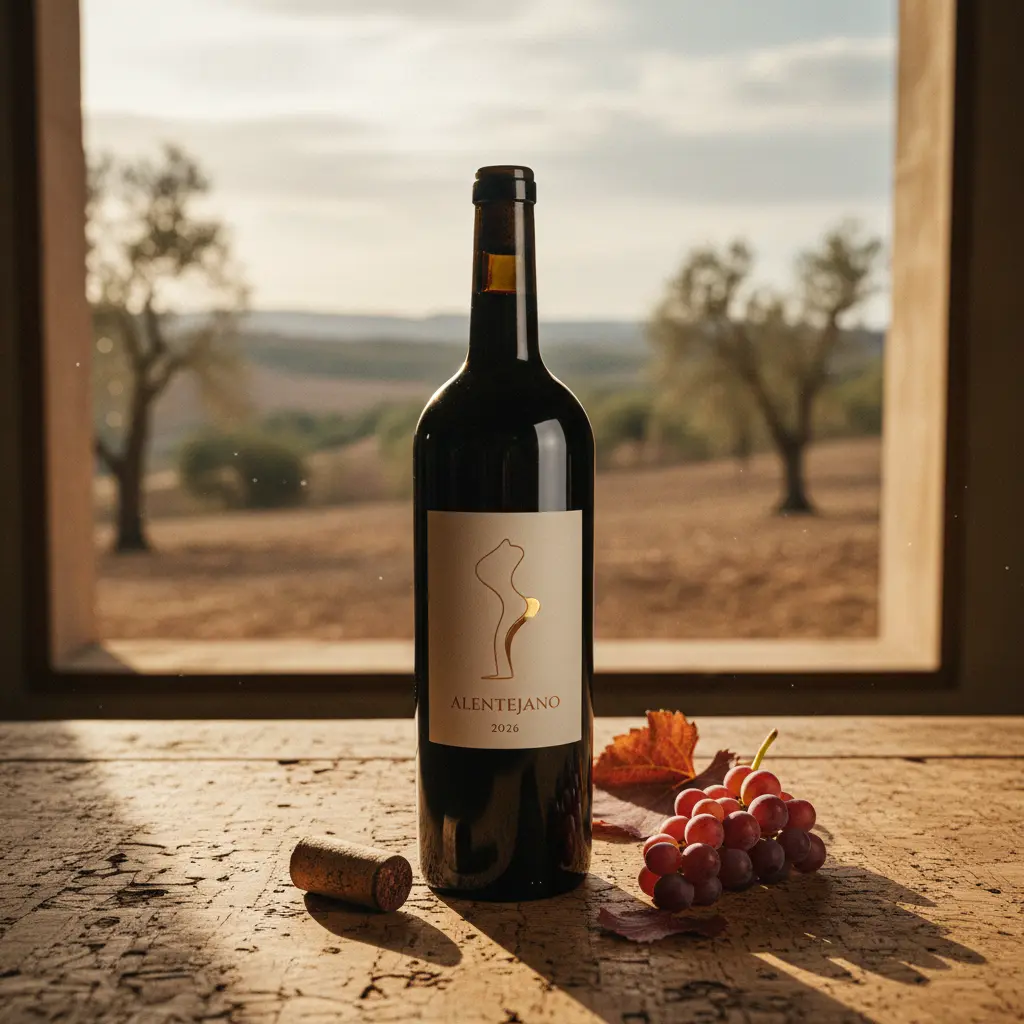
Wine labels carrying the D.O.C. Alentejo guarantee the wine was made from specific grape varieties grown within the region's sub-zones and produced according to regulated methods. V.R. Alentejano offers more flexibility in grape choice and production but still assures regional origin. Always check for vintage, producer, and sub-region on the label.
Seeking Sommelier Recommendations
Consulting sommeliers or expert wine guides can provide invaluable recommendations for discovering exceptional Alentejano wines tailored to your preferences. Their expertise can help navigate the vast selection and pinpoint producers known for their consistent quality and unique expressions of the region's terroir. Find out more about expert guidance in our Best Wine Pairing Guide 2026.
Alentejano Wines in the Global Context
Alentejano wines stand out in the global context for their distinctive regional character, blending indigenous grape varieties with modern winemaking to produce high-quality, expressive wines that appeal to diverse palates. The region offers a unique alternative to more established European wine powerhouses, much like Bourgogne wines.
Comparisons with Other Regions
When compared to other wine regions, Alentejano shares similarities with Mediterranean climates but distinguishes itself through unique grape varietals and the revival of ancient winemaking techniques like talha, offering a profile distinct from French or Italian counterparts. Its reds can be compared to robust New World wines, yet maintain a distinctly Old World structure.
Impact on the Wine Market
Alentejano's impact on the wine market is steadily growing, as consumers increasingly seek out authentic, quality wines from diverse regions, moving beyond traditional choices. Its commitment to quality, value, and sustainability positions it as a significant player in the evolving global wine landscape. Understanding its impact also helps when choosing wine gifts for her.
| Grape Variety | Color | Key Characteristics | Common Aromas/Flavors |
|---|---|---|---|
| Aragonês (Tempranillo) | Red | Medium to full-bodied, good structure, moderate acidity | Red berries, plum, spice, tobacco |
| Trincadeira | Red | Medium-bodied, high acidity, peppery notes | Wild berries, black pepper, herbs |
| Alicante Bouschet | Red | Deeply colored, high tannins, robust | Dark fruits, forest floor, cocoa |
| Antão Vaz | White | Full-bodied, aromatic, good acidity retention | Tropical fruits, orange blossom, minerality |
| Arinto | White | High acidity, fresh, mineral-driven | Lemon, green apple, wet stone |
| Roupeiro (Síria) | White | Aromatic, medium acidity, floral | Peach, melon, wildflowers |