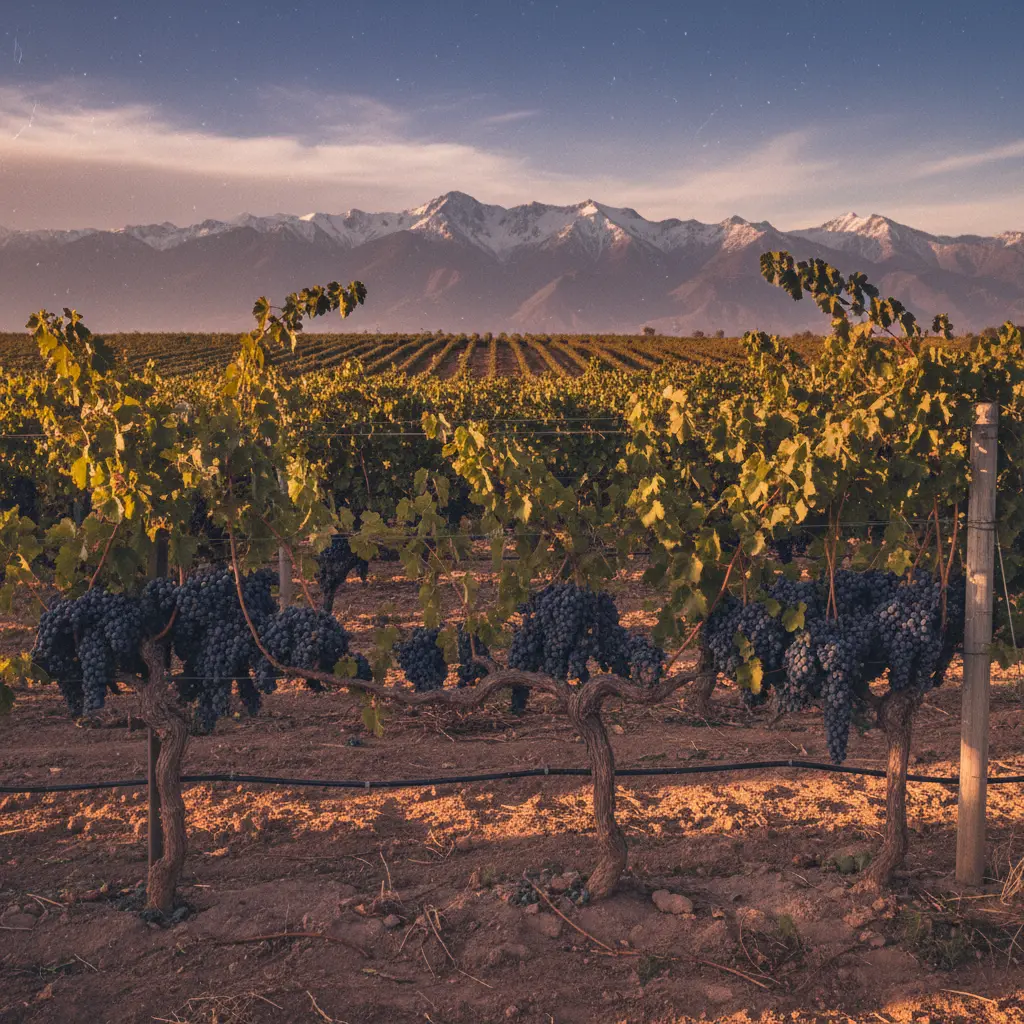
Mendoza, Argentina, is globally renowned as the heartland of South American winemaking, primarily celebrated for its exceptional Malbec wines. This region's unique terroir, characterized by high-altitude vineyards, ample sunshine, and meltwater irrigation from the Andes, creates ideal conditions for cultivating grapes with intense flavor and structure, making it a must-visit for any serious wine enthusiast.
What Makes Mendoza Unique for Winemaking?
Mendoza's distinctive terroir, a combination of climate, soil, and altitude, is the primary factor contributing to its unique winemaking identity. The region benefits from a semi-desert climate with hot days and cool nights, which promotes slow grape ripening, ensuring excellent sugar-acid balance and concentrated flavors.
High-Altitude Vineyards
Vineyards in Mendoza are planted at elevations ranging from 800 to over 1,500 meters (2,600 to 5,000 feet) above sea level. This altitude provides intense sunlight, thinner air, and a significant diurnal temperature variation, leading to thicker grape skins, richer color, and more complex tannins in the wines, particularly Malbec.
Andean Meltwater Irrigation
The Andes Mountains supply pristine meltwater, which is channeled through ancient irrigation systems to nourish the arid vineyards. This sustainable irrigation method, combined with low rainfall, allows winemakers precise control over water stress, a crucial element for producing high-quality grapes.
Diverse Soil Compositions
Mendoza's soils are diverse, ranging from alluvial and stony to sandy and clay-rich, often with a significant calcium carbonate content. These varied soil types contribute different mineral profiles and drainage characteristics, influencing the vine's vigor and the resulting wine's complexity and minerality.
Which Key Grape Varieties Thrive in Mendoza?
While Malbec reigns supreme, Mendoza cultivates a diverse range of red and white grape varieties that thrive in its unique environment. These include other international grapes, as well as some local specialties, each contributing to the region's rich viticultural tapestry.
Malbec: The Flagship Grape
Mendoza's Malbec is renowned for its deep purple color, lush fruit flavors of blackberry, plum, and cherry, often with notes of chocolate, vanilla, and sweet tobacco. It typically exhibits soft, velvety tannins and a full-bodied profile, making it highly approachable and food-friendly. For those looking to explore more global grape varieties, consider learning about a Global Grape Map to understand where different wines grow.
Cabernet Sauvignon and Other Reds
Mendoza also produces excellent Cabernet Sauvignon, which tends to be powerful and structured, often blended with Malbec. Other significant red varieties include Bonarda, known for its juicy fruit and soft tannins, and Syrah, offering spicy and peppery notes. These grapes often form the backbone of many premium blends.
White Varieties: Torrontes and Chardonnay
Among white wines, Torrontes, an aromatic grape indigenous to Argentina, offers vibrant floral notes and crisp acidity, perfect for warm climates. Chardonnay also thrives, particularly in cooler, higher-altitude sub-regions like the Uco Valley, producing wines with freshness and elegance, often with a touch of oak complexity.
Which Wine Regions Should You Explore in Mendoza?
Mendoza is broadly divided into several key wine regions, each with distinct microclimates and soil types that impart unique characteristics to their wines. Understanding these sub-regions is crucial for appreciating the diversity within Mendoza's production.
Luján de Cuyo
Luján de Cuyo, recognized as Argentina's first Denomination of Origin (DOC) for Malbec, is characterized by its older vineyards and alluvial soils. It produces rich, concentrated Malbecs with ripe fruit and a classic profile, alongside elegant Cabernet Sauvignon.
Uco Valley (Valle de Uco)
The Uco Valley, located at higher elevations southwest of Mendoza City, is celebrated for its pristine mountain vineyards and intense diurnal shifts. This region yields Malbecs with exceptional freshness, minerality, and vibrant acidity, along with premium Cabernet Franc, Chardonnay, and Pinot Noir. Wineries here are often at the forefront of innovation, much like those you might find in Italy's premier wineries.
Maipú
Maipú is one of Mendoza's historical winemaking areas, home to some of the oldest wineries and traditional family-owned estates. It is known for its accessible and fruit-forward Malbecs, often offering great value. The region features a mix of both old and new winemaking techniques.
What is the Signature Style of Mendoza Malbec?
Mendoza Malbec is typically characterized by its opulent fruit-forward profile, velvety tannins, and a balance of richness and freshness. The high altitude influences create wines with deep color and aromatic intensity, often expressing notes of dark berries, violets, and a hint of spice.
Fruit-Forward and Aromatic Intensity
Mendoza Malbecs consistently showcase intense fruit flavors, predominantly dark plum, blackberry, and often a touch of red cherry. This is complemented by an aromatic bouquet of floral notes, especially violet, and sometimes hints of mocha or vanilla from oak aging.
Structure and Tannin Profile
The tannins in Mendoza Malbec are generally smooth and plush, contributing to a full-bodied and mouth-filling texture. Despite their richness, many Malbecs, particularly from higher altitudes, maintain a vibrant acidity that provides balance and a long, elegant finish.
"The magic of Mendoza Malbec lies in its ability to combine power with grace, reflecting the rugged beauty and pure mountain air of the Andes." - Renowned wine critic
Which Top Wineries Should You Visit in Mendoza?
Mendoza offers an extensive array of wineries, from historic estates to modern, architectural marvels, providing diverse tasting experiences. Many offer tours, tastings, and gourmet dining, making them ideal destinations for wine tourism.
Bodega Catena Zapata
Catena Zapata is a pioneering force in Argentine wine, celebrated for its research into high-altitude viticulture and its world-class Malbecs. Their Adrianna Vineyard is particularly famous for producing iconic, terroir-driven wines. A visit here offers insights into Mendoza's premium winemaking.
Zuccardi Valle de Uco
Zuccardi Valle de Uco is an architectural masterpiece in the Uco Valley, known for its innovative winemaking, organic practices, and focus on terroir expression. They produce a range of exceptional wines, emphasizing concrete fermentation and minimal intervention. This winery provides a cutting-edge experience, similar to exploring the Best Wineries in Portugal for innovation.
Salentein
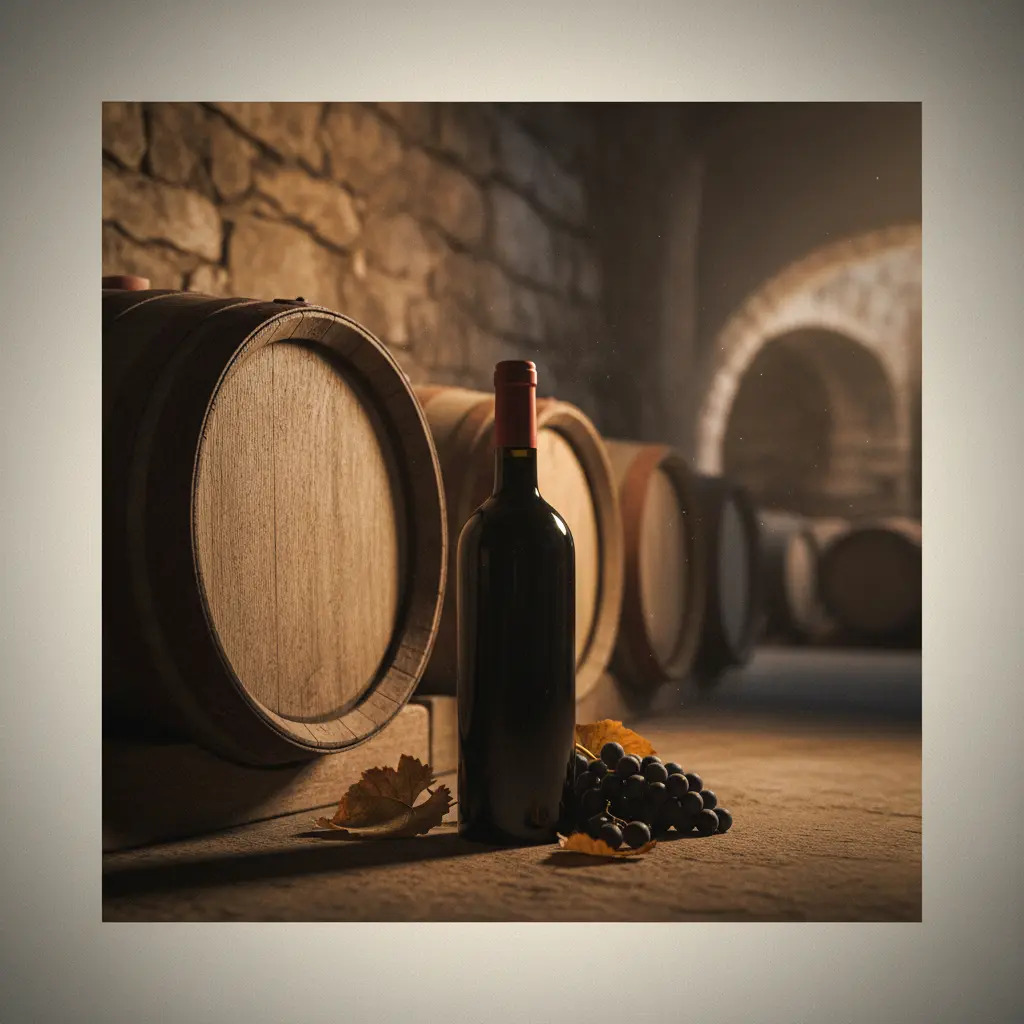
Bodegas Salentein, also located in the Uco Valley, combines state-of-the-art facilities with a strong commitment to quality and art. Their subterranean cellars are impressive, and they offer excellent Malbec, Pinot Noir, and Chardonnay, alongside an art gallery and restaurant.
What are the Best Food Pairings for Mendoza Wines?
Mendoza wines, especially Malbec, are incredibly versatile with food, making them a popular choice for various culinary experiences. Their rich fruit and smooth tannins allow them to complement a wide range of dishes, from traditional Argentine fare to international cuisine.
Pairing Malbec with Argentine Cuisine
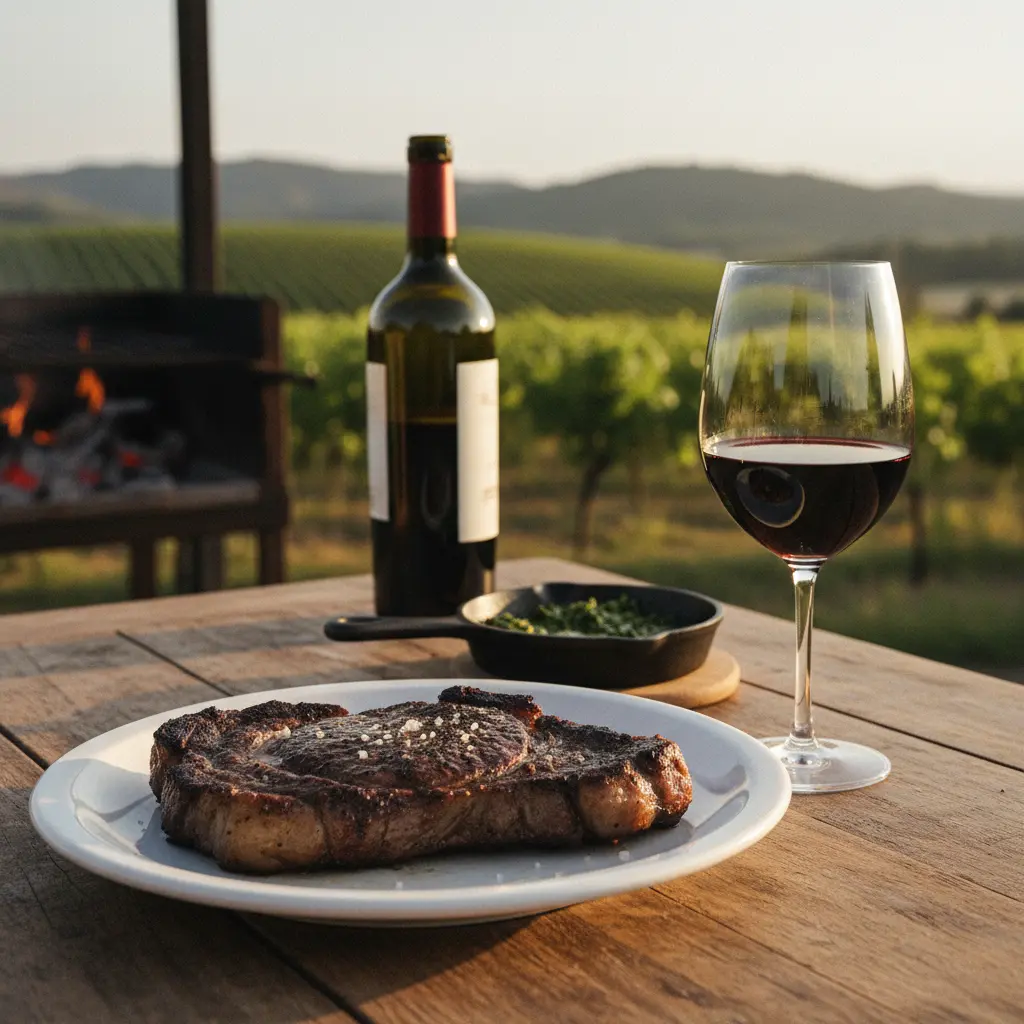
The quintessential pairing for Mendoza Malbec is Argentine grilled beef (asado), particularly steak cuts like ribeye or flank steak. The wine's robust character and fruit notes beautifully balance the savory, often smoky flavors of the meat. Empanadas and hearty stews also make excellent companions. For more ideas on enhancing your culinary experiences, explore Wine and Cheese Cask Pairings.
Versatile Pairings for Other Reds
Cabernet Sauvignon from Mendoza pairs well with lamb, venison, or stronger cheeses, benefiting from its structure and firm tannins. Bonarda, with its softer fruit, is lovely with pasta dishes, pizza, or charcuterie. These reds offer flexibility for diverse menus.
White Wine Pairings
Mendoza's Torrontes is a fantastic match for spicy Asian cuisine, seafood, and fresh salads, thanks to its aromatic profile and crisp acidity. Chardonnay, whether oaked or unoaked, complements roast chicken, creamy pasta, or richer fish dishes like salmon. These white wines provide refreshing contrasts.
How to Plan a Wine Tour in Mendoza?
Planning a wine tour in Mendoza requires considering transportation, accommodations, and desired winery experiences to ensure a memorable trip. Advanced booking is highly recommended, especially during peak season, to secure spots at popular bodegas.
Step-by-Step Guide to Planning Your Trip
Planning a successful wine tour involves several key steps, from selecting your preferred regions to arranging logistics. Follow this guide to organize your visit effectively.
- Choose Your Region: Decide whether you want to focus on Luján de Cuyo, Uco Valley, or Maipú based on the wine styles and experiences you prefer. Uco Valley often requires a full day due to travel distance.
- Select Wineries and Book Tours: Research wineries and book tours/tastings in advance, as many require reservations. Aim for 2-3 wineries per day to allow for travel and enjoying each visit.
- Arrange Transportation: Options include hiring a private driver, joining a guided tour, or renting a car (be mindful of drinking and driving laws). Taxis and ride-sharing services are available but can be costly between regions.
- Consider Accommodation: Stay in Mendoza City for easy access to restaurants and nightlife, or choose a boutique hotel within a wine region for a more immersive experience.
- Incorporate Dining: Many wineries offer excellent restaurants. Book lunch at one of your chosen bodegas for a complete culinary experience, often paired with their wines.
Best Time to Visit
The best time to visit Mendoza for wine tourism is during harvest season (February-April) for a vibrant experience, or during spring (September-November) for pleasant weather and budding vineyards. Both seasons offer beautiful scenery and various activities, though harvest can be very busy.
How Do You Understand Mendoza Wine Labels?
Deciphering Mendoza wine labels provides crucial information about the wine's origin, grape variety, vintage, and quality level. Key terms and designations can guide your purchasing decisions and deepen your appreciation.
Key Label Information
Look for the grape variety (e.g., Malbec), the region (e.g., Luján de Cuyo, Valle de Uco), and the vintage year. Terms like "Reserva" or "Gran Reserva" often indicate longer aging periods and higher quality, though regulations can vary between producers. Familiarity with How to Wine Taste can enhance your understanding of what these labels signify.
Geographical Indications (GIs)
Argentina employs Geographical Indications (GIs) such as "DOC Luján de Cuyo" or "IG Valle de Uco" to denote specific wine regions and quality standards. These designations assure consumers of the wine's origin and often reflect particular characteristics of the terroir.
What are the Best Tips for Buying Mendoza Wines?
When buying Mendoza wines, consider your preferred style, budget, and the specific sub-region the wine originates from to make informed choices. Exploring both well-known producers and smaller, boutique wineries can yield exciting discoveries.
Where to Buy
Mendoza wines are widely available globally in specialized wine shops, supermarkets, and online retailers. For the best selection and often better prices, consider purchasing directly from wineries if you visit, or through reputable importers if buying internationally. For local options, you might search for a Wine Store Near Me.
Price Points and Value
Mendoza offers excellent value across all price points, from affordable, everyday Malbecs to premium, collectible bottles. Entry-level Malbecs are typically fruity and approachable, while higher-priced selections often exhibit greater complexity, structure, and aging potential, particularly from Uco Valley's top producers.
Table: Key Mendoza Wine Characteristics
This table provides a concise overview of Mendoza's primary grape varieties, their regions, typical styles, and ideal food pairings.
| Grape Variety | Key Regions | Typical Style Profile | Ideal Food Pairings |
|---|---|---|---|
| Malbec | Luján de Cuyo, Uco Valley, Maipú | Full-bodied, dark fruit, velvety tannins, violet notes | Grilled red meats, empanadas, hard cheeses |
| Cabernet Sauvignon | Uco Valley, Luján de Cuyo | Structured, blackcurrant, green bell pepper, firm tannins | Lamb, venison, rich stews |
| Bonarda | Eastern Mendoza, Maipú | Juicy red fruit, soft tannins, easy-drinking | Pasta with tomato sauce, pizza, charcuterie |
| Torrontes | Northern Mendoza, Salta (outside Mendoza but popular Argentine white) | Aromatic, floral, citrus, crisp acidity | Spicy food, seafood, salads |
| Chardonnay | Uco Valley (cooler sites) | Fresh apple/pear (unoaked) to buttery/nutty (oaked) | Roast chicken, creamy fish dishes, mild cheeses |