Which regions define Portugal's wine excellence in 2026?
Portugal's wine excellence in 2026 is predominantly defined by the Douro Valley, Alentejo, and Vinho Verde, each offering distinct wines and unique visitor experiences. These regions are not only picturesque but also home to ancient winemaking traditions alongside modern viticultural practices, producing everything from fortified Port to crisp, refreshing whites.
Douro Valley: Home of Port Wine
The Douro Valley is Portugal's most iconic wine region, globally renowned as the birthplace of Port wine and a UNESCO World Heritage site for its stunning terraced vineyards. Beyond its famous fortified wines, the Douro also produces exceptional unfortified red and white table wines, often from indigenous grape varieties like Touriga Nacional, Touriga Franca, and Tinta Roriz.
Alentejo: The Land of Big Reds
Alentejo is celebrated for its vast, sun-drenched plains and its production of robust, full-bodied red wines, often made from Aragonez (Tempranillo), Trincadeira, and Alicante Bouschet grapes. This region offers a distinct contrast to the Douro, focusing on powerful, fruit-forward wines and often boasting modern, architecturally impressive wineries.
Vinho Verde: Crisp, Aromatic Whites
Vinho Verde, located in the lush, green northwest of Portugal, is best known for its vibrant, young, and often slightly effervescent white wines, typically made from Alvarinho, Loureiro, and Arinto grapes. These wines are characterized by their crisp acidity, low alcohol content, and refreshing aromatic profiles, perfect for warm weather or as an aperitif.
Dão and Bairrada: Hidden Gems
Dão and Bairrada are two lesser-known but equally significant regions, with Dão producing elegant, age-worthy reds from Touriga Nacional, and Bairrada specializing in the robust, tannic Baga grape. These regions offer a glimpse into Portugal's diverse winemaking landscape beyond the mainstream, providing opportunities for discovery for the adventurous wine lover.
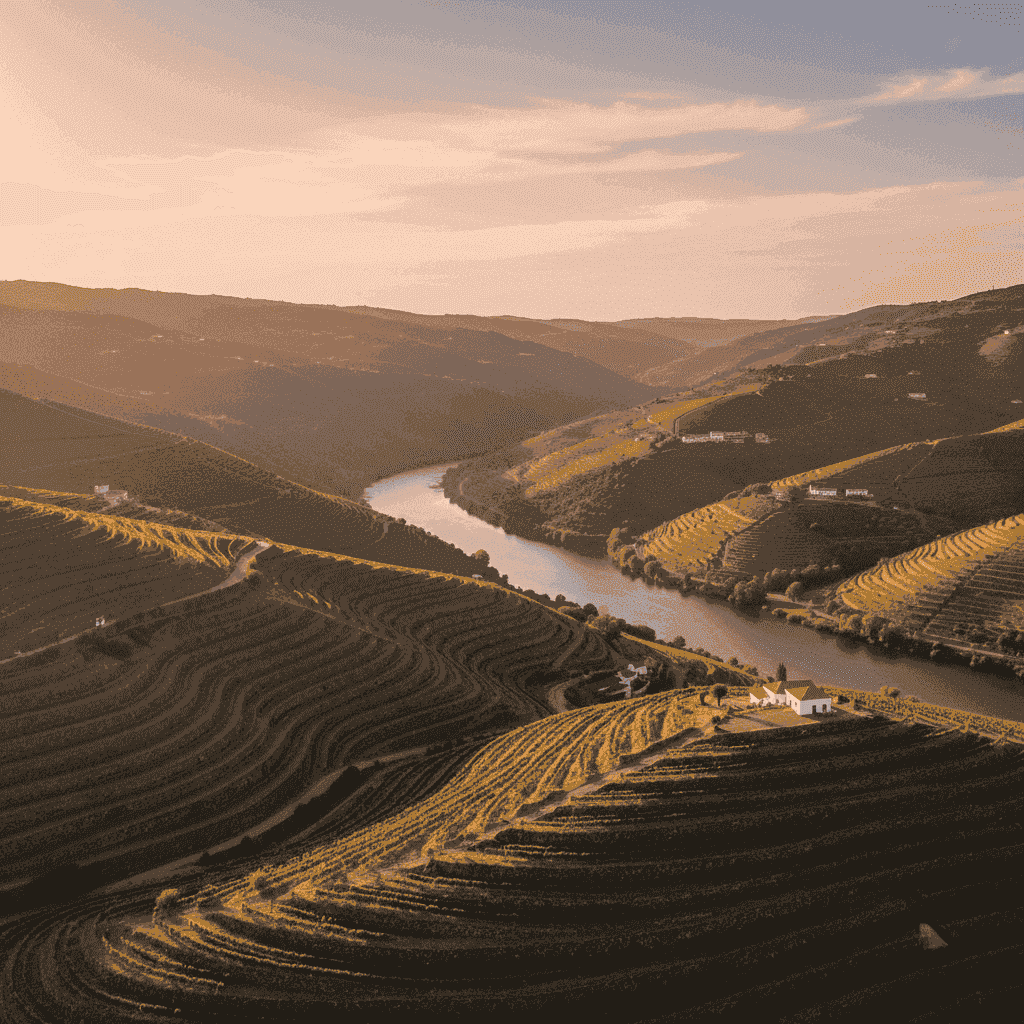
What makes the Douro Valley Portugal's iconic wine region?
The Douro Valley is an essential destination for anyone seeking to understand the heart of Portuguese winemaking, offering dramatic landscapes and unparalleled wine experiences. Visitors can cruise along the Douro River, explore historic Quintas (wine estates), and taste world-class Port and unfortified wines directly from the producers.
Quinta do Crasto: Tradition Meets Modernity
Quinta do Crasto is a prominent Douro estate renowned for its long history and commitment to quality, producing both exceptional Port and highly-rated table wines. This quinta offers stunning views, a beautiful infinity pool overlooking the river, and intimate tasting experiences that showcase their diverse portfolio.
Quinta das Carvalhas: Panoramic Views and Historic Vines
Quinta das Carvalhas boasts one of the most iconic viewpoints in the Douro Valley, offering breathtaking panoramic vistas of its extensive vineyards and the Douro River. It is one of the oldest and largest estates in the region, known for its historic vines and a commitment to preserving the Douro's heritage.
Quinta do Noval: Renowned for Vintage Port
Quinta do Noval is celebrated globally for its exceptional Vintage Ports, particularly its Nacional, a rare and highly sought-after single-vineyard Port. A visit here offers deep insights into the meticulous process of crafting these legendary wines, set within a historic and picturesque estate.
What are the top wineries to visit in the Alentejo region?
The top wineries to visit in Alentejo include Herdade do Esporão, Malhadinha Nova, and Adega da Cartuxa, each offering distinct experiences from modern luxury to historic charm. These estates provide comprehensive tours and tastings, often paired with regional cuisine, highlighting the richness and diversity of Alentejo wines.
Herdade do Esporão: Pioneers of Quality
Herdade do Esporão is a leading Alentejo winery, celebrated for its pioneering role in quality winemaking and its commitment to sustainable practices. They offer a wide range of experiences, including cellar tours, tastings, olive oil tastings, and farm-to-table dining, all set within a beautiful estate.
Malhadinha Nova: Luxury and Innovation
Malhadinha Nova combines a luxury country estate experience with award-winning winemaking, known for its innovative approach and high-quality wines. Visitors can enjoy horse riding, exquisite dining, and stays in their boutique hotel, all while exploring their vineyards and cellars.
Adega da Cartuxa: Monastic Heritage and Fine Wines
Adega da Cartuxa, part of the Eugénio de Almeida Foundation, is rooted in a rich monastic history and produces some of Alentejo's most respected wines, including the iconic Pêra-Manca. Located near Évora, this winery offers a journey through history and taste, showcasing wines made with traditional techniques.
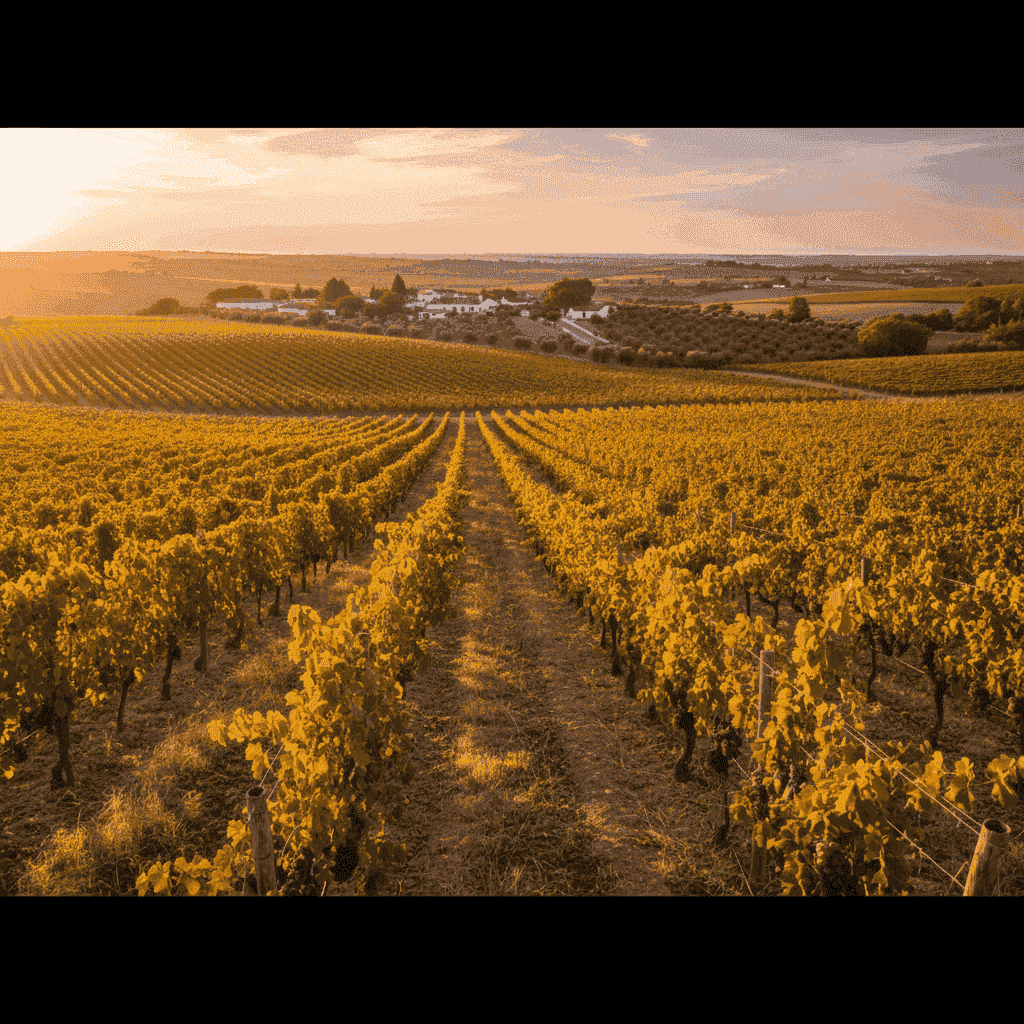
How does Vinho Verde offer freshness and innovation?
The Vinho Verde region is a world of refreshing whites, characterized by vibrant acidity and aromatic complexity, often with a slight spritz that makes them uniquely appealing. This area focuses on indigenous grape varieties and often utilizes modern techniques to preserve the fresh, fruity character of its wines.
Anselmo Mendes: Master of Alvarinho
Anselmo Mendes is widely regarded as one of Portugal's most innovative winemakers, particularly acclaimed for his masterful expressions of Alvarinho. His winery offers modern, insightful tours and tastings that highlight the versatility and potential of Vinho Verde's signature grape.
Quinta de Soalheiro: Organic and Biodynamic
Quinta de Soalheiro is a pioneering estate in Vinho Verde, recognized for its commitment to organic and biodynamic viticulture and its high-quality Alvarinho wines. Visitors can experience their sustainable practices firsthand and taste wines that truly reflect the terroir.
How do I plan a successful wine tour in Portugal?
Planning a successful wine tour in Portugal involves selecting regions, arranging transportation, booking accommodations, and pre-scheduling winery visits to ensure a smooth and enjoyable experience. Consider the time of year, your budget, and your wine preferences to tailor the perfect itinerary.
Choosing Your Regions
Start by identifying which Portuguese wine regions align with your interests, whether it's the fortified wines of the Douro, the big reds of Alentejo, or the crisp whites of Vinho Verde. Portugal's compact size makes it possible to visit multiple regions, but focusing on one or two can allow for deeper immersion.
Transportation and Accommodation
Renting a car offers flexibility for exploring rural wine regions, though trains and taxis are viable for specific areas like the Douro Valley. Book accommodations, from boutique hotels to charming guesthouses on Quintas, well in advance, especially during peak seasons.
Booking Tastings and Tours
Always book winery visits, tastings, and tours in advance, as many smaller estates require appointments and popular ones can fill up quickly. Check winery websites for availability or contact them directly via email or phone. For a deeper understanding of wine-related topics, explore guides like how to choose the perfect red wine glass.
Considering a Guided Tour
A guided wine tour can alleviate planning stress, provide expert insights, and handle transportation, allowing you to fully enjoy the tastings. Many tour operators offer bespoke itineraries tailored to your preferences.
- Research Regions and Wineries: Identify your preferred wine styles (e.g., Port, reds, whites) and target regions (Douro, Alentejo, Vinho Verde).
- Set Your Dates and Budget: Determine your travel window and how much you're willing to spend on accommodation, transport, and tastings.
- Book Flights and Accommodation: Secure your flights to Portugal and reserve hotels or Quinta stays well in advance.
- Arrange Transportation: Decide between renting a car for flexibility or using guided tours/private drivers.
- Schedule Winery Visits: Contact wineries directly or use their online booking systems to reserve tasting and tour slots. Confirm all appointments.
- Plan Dining and Activities: Research local restaurants and other attractions to complement your wine experiences.
- Pack Appropriately: Bring comfortable shoes for walking vineyards, appropriate attire for tastings, and a camera for stunning landscapes.
Are there other notable Portuguese wine regions beyond the big three?
While the Douro, Alentejo, and Vinho Verde are prominent, Portugal boasts several other fantastic wine regions worth exploring, each with its unique character and specialties. These regions offer diversity in terroir and grape varieties, providing a richer tapestry of Portuguese wine.
Lisboa Region: Diverse and Accessible
The Lisboa (Lisbon) wine region is incredibly diverse, encompassing nine sub-regions and producing a wide array of wines, from light whites to robust reds. Its proximity to the capital makes it an accessible option for day trips, with many wineries offering stunning coastal views.
Setúbal Peninsula: Moscatel and More
The Setúbal Peninsula is famous for its fortified Moscatel de Setúbal, a sweet, aromatic wine, but also produces excellent dry red and white table wines. This region's unique microclimate, influenced by the Atlantic and the Sado Estuary, contributes to its distinctive wine styles.
Dão: Elegant Reds from the Mountains
The Dão region, nestled in the mountainous interior, is known for its elegant, balanced, and age-worthy red wines, primarily made from Touriga Nacional, Alfrocheiro, and Jaen (Mencía) grapes. Its granite soils and altitude contribute to wines with fresh acidity and aromatic complexity.
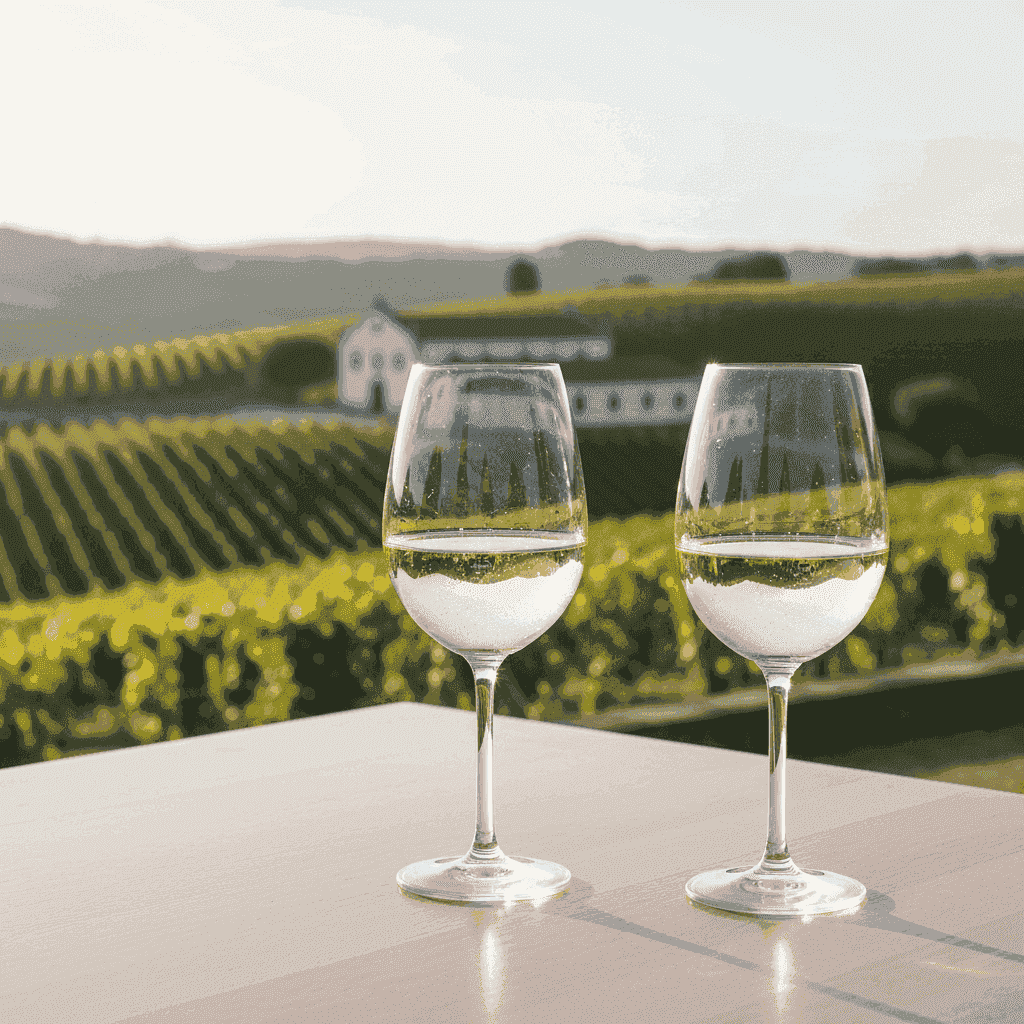
What unique wines can I expect to taste in Portugal?
In Portugal, you can expect to taste a remarkable array of unique wines, from the world-renowned fortified Port and Madeira to crisp Vinho Verde and powerful Alentejo reds, often made from indigenous grape varieties not found elsewhere. This diversity is a testament to Portugal's rich winemaking heritage and varied terroirs.
Port Wine: The Fortified Classic
Port wine is Portugal's most famous vinous export, a fortified wine produced exclusively in the Douro Valley, known for its sweetness and complexity. Varieties include Ruby, Tawny, Vintage, and White Port, each offering a different flavor profile and aging potential.
Vinho Verde: Light and Effervescent
Vinho Verde wines are characteristically light, fresh, and often have a slight natural spritz, making them incredibly refreshing. They are typically low in alcohol and are perfect for enjoying on a warm day or with seafood. For similar sparkling comparisons, consider reading about Cava vs. Prosecco.
Alentejo Reds: Rich and Full-Bodied
Alentejo reds are typically rich, full-bodied, and often have ripe fruit flavors with smooth tannins, reflecting the region's warm climate. They are excellent food wines, pairing well with hearty meat dishes and strong cheeses.
Madeira Wine: A Historic Fortified Treasure
Madeira wine, from the eponymous island, is a distinctive fortified wine known for its unique production process involving heating and oxidation, giving it incredible longevity and complex flavors. It ranges from dry aperitif styles to rich, sweet dessert wines.
What is the role of sustainability in Portuguese viticulture?
Sustainability is playing an increasingly crucial role in Portuguese viticulture, with many wineries adopting organic, biodynamic, and environmentally friendly practices to protect their unique ecosystems and ensure future quality. This includes water conservation, biodiversity preservation, and reducing carbon footprints across vineyards and cellars.
Organic and Biodynamic Practices
Many Portuguese wineries are embracing organic and biodynamic farming to produce healthier grapes and wines that better express their terroir. These practices minimize chemical intervention and foster a more balanced vineyard ecosystem.
Water Management and Conservation
Given Portugal's climate, efficient water management and conservation are critical sustainability initiatives, often involving drip irrigation and water recycling. Wineries are investing in technologies and practices to minimize water usage in both vineyards and cellars.
When is the best time for your Portuguese wine trip?
The best time for a Portuguese wine trip largely depends on your priorities, with spring offering mild weather and blossoming vines, while autumn provides the excitement of harvest season. Each season brings a different ambiance and unique opportunities for exploration.
Spring (April-May): Blossoming Vines
Spring in Portugal (April-May) is ideal for pleasant weather, fewer crowds, and seeing the vineyards come to life with blossoming vines. It's a great time for scenic drives and comfortable outdoor tastings before the peak summer heat.
Harvest Season (September-October): Vibrant Activity
Harvest season (September-October) is arguably the most exciting time to visit, allowing visitors to witness the grape picking and winemaking process firsthand, with many Quintas offering special harvest experiences. The weather is still warm, and the atmosphere is vibrant.
Autumn/Winter: Cozy Tastings
Autumn and early winter offer a more serene experience, with beautiful fall foliage and a chance to enjoy cozier, indoor tastings and hearty regional cuisine. While some outdoor activities might be limited, it's a great time for in-depth cellar tours and relaxed exploration.
What are essential tips for a memorable wine tasting experience?
To ensure a memorable wine tasting experience in Portugal, remember to pace yourself, stay hydrated, engage with the winemakers, and consider purchasing wines directly from the source. These practices will enhance your appreciation and enjoyment of Portuguese wines.
Pace Yourself and Stay Hydrated
It's crucial to pace your tastings and drink plenty of water between samples to fully appreciate each wine and prevent overconsumption. Many wineries provide water, and it's always wise to have your own bottle.
Engage with the Winemakers
Take the opportunity to ask questions and engage with the winemakers or guides; their insights can significantly deepen your understanding of the wines and the region. They often have fascinating stories to share about their craft and the local terroir.
Buy Direct from the Source
Purchasing wines directly from the wineries often provides access to exclusive bottles, better prices, and the satisfaction of supporting local producers. Inquire about shipping options if you're buying more than you can carry. For gift ideas, check out guides for wine gifts for her or wine gifts for men.
“Portuguese wines possess a soul unique to their land and people, a testament to ancient traditions meeting modern passion. Every sip tells a story of sun-drenched hills and resilient vines.”
For those looking to expand their wine knowledge even further, understanding how wines age is key; our article Aged Like a Fine Wine offers excellent insights. If you are planning a multi-country wine adventure, also consider the best wineries in Italy.
Key Portuguese Wine Regions at a Glance (2026)
Portugal's diverse wine landscape is best understood by examining its key regions, each contributing unique styles and experiences for visitors. The table below provides a quick overview of the prominent regions, their primary wine types, key grape varieties, and highlights for travelers.
| Region | Primary Wine Types | Key Grape Varieties | Highlights for Visitors |
|---|---|---|---|
| Douro Valley | Port, Red Table Wines | Touriga Nacional, Touriga Franca, Tinta Roriz | UNESCO site, river cruises, historic Quintas |
| Alentejo | Full-bodied Red & White Table Wines | Aragonez, Trincadeira, Antão Vaz | Modern wineries, gourmet dining, large estates |
| Vinho Verde | Crisp, Aromatic White Wines | Alvarinho, Loureiro, Arinto | Refreshing wines, lush landscapes, coastal proximity |
| Dão | Elegant Red Table Wines | Touriga Nacional, Alfrocheiro, Jaen | Mountainous terrain, age-worthy reds, serene atmosphere |
| Setúbal Peninsula | Moscatel de Setúbal (Fortified), Red Table Wines | Moscatel de Setúbal, Castelão | Sweet wines, Arrábida Natural Park, Sado Estuary |