Uruguay is rapidly emerging as a significant player in the global wine scene, particularly renowned for its distinctive Tannat wines. This guide explores the country's key wine regions, signature grape varieties, top producers, and essential food pairings, offering practical advice for enthusiasts and buyers in 2026.
What Makes Uruguay Unique in the Wine World?
Uruguay stands out in the wine world due to its unique terroir, maritime climate, and a steadfast dedication to the Tannat grape. Its coastal influence, rich soils, and commitment to quality production contribute to wines with distinct character and aging potential.
Why Uruguay's Terroir is Special
Uruguay's terroir benefits from diverse soils, including clay, limestone, and granite, along with a humid, temperate climate influenced by the Atlantic Ocean. This combination creates ideal conditions for viticulture, allowing grapes to ripen slowly and develop complex flavors and balanced acidity.
Brief History of Uruguayan Viticulture
Uruguayan viticulture began in the late 19th century with European immigrants, most notably Basque settler Pascual Harriague, who introduced Tannat vines in 1870. While its history is shorter than some Old World regions, Uruguay has evolved into a modern wine-producing nation focused on quality.
What are the Best Wine Regions in Uruguay?
The primary wine regions in Uruguay include Canelones, Maldonado, San Jose, and Colonia, each offering distinct microclimates and soil compositions that influence their wine styles. Canelones is the largest and most established, while Maldonado is gaining recognition for its coastal influence.
Canelones: The Heart of Uruguayan Wine
Canelones, located just north of Montevideo, is Uruguay's most important wine region, accounting for the majority of the country's vineyards. Its fertile clay-loam soils and proximity to the Rio de la Plata create a mild climate, perfect for a wide range of grape varieties, though Tannat remains supreme here.
Maldonado: Emerging Coastal Terroir
Maldonado, situated on the southeastern coast near Punta del Este, is an exciting emerging region known for its cooler climate and unique granite-rich soils. Wineries here often produce wines with enhanced acidity and minerality, including elegant Tannats and aromatic white wines.
San Jose and Colonia: Diverse Growing Areas
San Jose and Colonia, located west of Canelones, offer diverse growing conditions with fertile soils and temperate climates. These regions contribute to Uruguay's overall wine production, providing variety in style and grape expression, particularly for lighter reds and fresh whites.
What are Uruguay's Signature Grape Varieties?
Uruguay's signature grape is undoubtedly Tannat, a red varietal that has found its second home here, but the country also cultivates other important red and white grapes. These include Merlot, Cabernet Franc, Albariño, and Sauvignon Blanc.
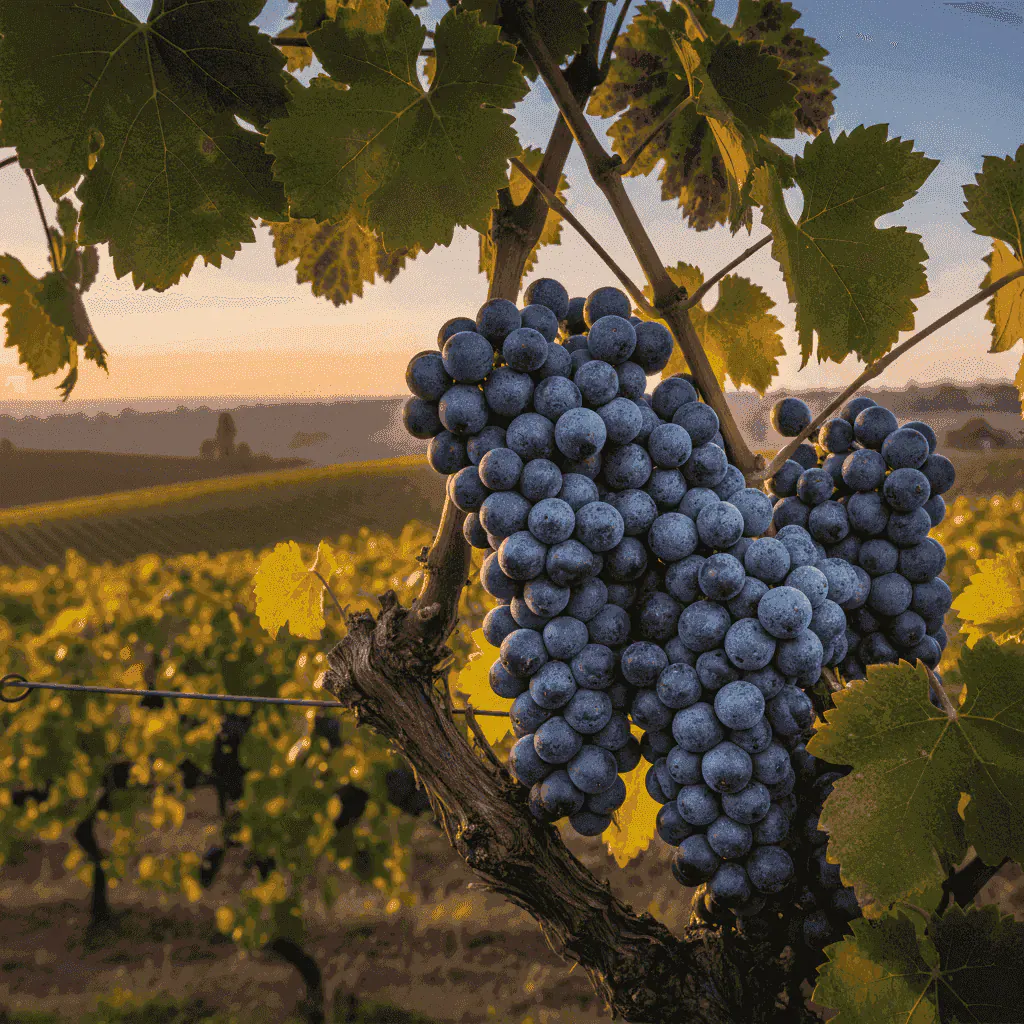
Tannat: The King of Uruguayan Grapes
Tannat is a robust red grape originating from Southwest France, known for its deep color, high tannin levels, and rich dark fruit flavors. In Uruguay, it produces wines that are powerful yet often softer and more approachable than their French counterparts, often featuring notes of blackberry, plum, and spice. For more on grapes with longevity, see our guide on Aged Like Fine Wine.
Other Important Red Grapes
Beyond Tannat, Uruguayan vineyards cultivate significant plantings of Merlot, Cabernet Franc, and Cabernet Sauvignon. Merlot contributes softness and red fruit characteristics, Cabernet Franc offers herbal notes and structure, and Cabernet Sauvignon provides classic blackcurrant and cedar aromas, often used in blends or as standalone varietals.
Prominent White Varieties
Uruguay also produces excellent white wines, primarily from Albariño, Sauvignon Blanc, and Chardonnay. Albariño thrives in the coastal regions, yielding crisp, aromatic wines with citrus and floral notes. Sauvignon Blanc offers refreshing acidity and green fruit flavors, while Chardonnay provides body and complexity, especially when oaked.
Who are Uruguay's Leading Wine Producers?
Uruguay boasts several acclaimed wine producers, ranging from large, internationally recognized estates to smaller, quality-focused boutique wineries. Key names include Bodega Garzon, Familia Deicas, and Bouza Bodega Boutique.
| Producer | Key Region | Signature Wines | Notable Features |
|---|---|---|---|
| Bodega Garzon | Maldonado | Tannat, Albariño, Pinot Noir | Modern winery, sustainable practices, international awards |
| Familia Deicas (Don Pascual) | Canelones | Tannat, Merlot, Cabernet Franc | Long-standing history, wide range of styles, innovative techniques |
| Bouza Bodega Boutique | Canelones | Tannat, Albariño, Merlot | Boutique winery, focus on quality, excellent restaurant |
| Juanico (Santa Rosa) | Canelones | Tannat, Chardonnay, sparkling wines | Historic estate, diverse portfolio, accessible wines |
Bodega Garzon: Global Recognition
Bodega Garzon, located in Maldonado, has achieved rapid global recognition for its state-of-the-art facility, commitment to sustainability, and exceptional wines, particularly its Tannat and Albariño. Their wines consistently receive high ratings and accolades, cementing Uruguay's place on the world wine map.
Familia Deicas (Don Pascual): Tradition and Innovation
Familia Deicas, producing wines under the Don Pascual label, represents a blend of Uruguayan winemaking tradition and modern innovation. As one of the largest producers, they offer a diverse portfolio of wines from Canelones, showcasing the versatility of Tannat and other varietals.
Bouza Bodega Boutique: Quality and Tourism
Bouza Bodega Boutique, a family-owned winery in Canelones, focuses on small-batch, high-quality wines and provides an exceptional visitor experience. Known for their meticulously crafted Tannats, Albariños, and elegant Merlot, Bouza is a must-visit for wine tourists.
How Do Uruguayan Wines Taste?
Uruguayan wines offer a spectrum of flavors, but they are most famously characterized by the bold and structured profile of Tannat, complemented by fresh and aromatic white wines. The maritime climate imparts a certain freshness and balance to both reds and whites.
Characteristics of Tannat
Uruguayan Tannat typically presents with intense dark fruit flavors like blackberry and plum, often accompanied by notes of licorice, tobacco, and dark chocolate. Its firm tannins provide excellent structure and aging potential, yet modern winemaking techniques have resulted in softer, more approachable styles suitable for earlier consumption.
Tasting Notes for Other Reds and Whites
Other Uruguayan reds, such as Merlot and Cabernet Franc, tend to be softer than Tannat, offering red berry fruits, green pepper, and earthy notes. White wines like Albariño are crisp and aromatic with citrus, peach, and saline hints, while Sauvignon Blanc is bright with grapefruit and herbaceous undertones.
What are the Best Food Pairings for Uruguayan Wines?
Uruguayan wines, particularly Tannat, are incredibly food-friendly, pairing exceptionally well with the country's rich culinary traditions, especially grilled meats and hearty stews. Their structure and acidity cut through rich dishes, enhancing the dining experience.
Pairing Tannat with Uruguayan Cuisine
Tannat is the perfect companion for Uruguay's national dish, asado (barbecue), and other robust meat dishes due to its high tannins and full body. It also pairs wonderfully with hearty stews like guiso de lentejas and aged cheeses. For specific beef pairings, consider Best Wine for Beef Stew.
"Uruguayan Tannat is a testament to how a grape can adapt and thrive in a new world, producing wines that are both powerful and uniquely expressive of their coastal origins. It's a wine that demands good food and good company." - Wine Critic Maria Lopez
Versatile Pairings for White Wines
Uruguayan white wines, such as Albariño and Sauvignon Blanc, are versatile partners for seafood, fresh salads, and lighter poultry dishes. Their bright acidity and aromatic profiles complement grilled fish, ceviche, and creamy pasta dishes, making them excellent choices for various occasions. Explore more pairing principles with our Best Wine Pairing Guide 2026.
General Pairing Principles
When pairing Uruguayan wines, remember the principle of balancing intensity: robust reds with rich foods, and lighter whites with delicate dishes. The country's strong European culinary influence, especially from Italy and Spain, means that many local dishes naturally complement its wines.
How to Buy Uruguayan Wine?
Buying Uruguayan wine is becoming increasingly accessible, with selections available through online retailers, specialized wine shops, and direct from wineries. Knowing what to look for on the label can help you choose the perfect bottle.
- Identify Your Grape Preference: Start with Tannat if you prefer a bold red, or Albariño for a crisp white. Uruguay also offers excellent Merlot and Cabernet Franc.
- Choose a Reputable Producer: Look for wines from established names like Bodega Garzon, Familia Deicas, Bouza, or Juanico for consistent quality.
- Consider the Region: Wines from Maldonado often have a distinct minerality, while Canelones offers broader styles. Check a Global Grape Map for regional insights.
- Read Reviews and Ratings: Consult wine critics and consumer reviews to guide your purchasing decisions, especially for newer vintages.
- Check the Vintage: While many Uruguayan wines are approachable young, some Tannats benefit from a few years of aging, so check the vintage year.
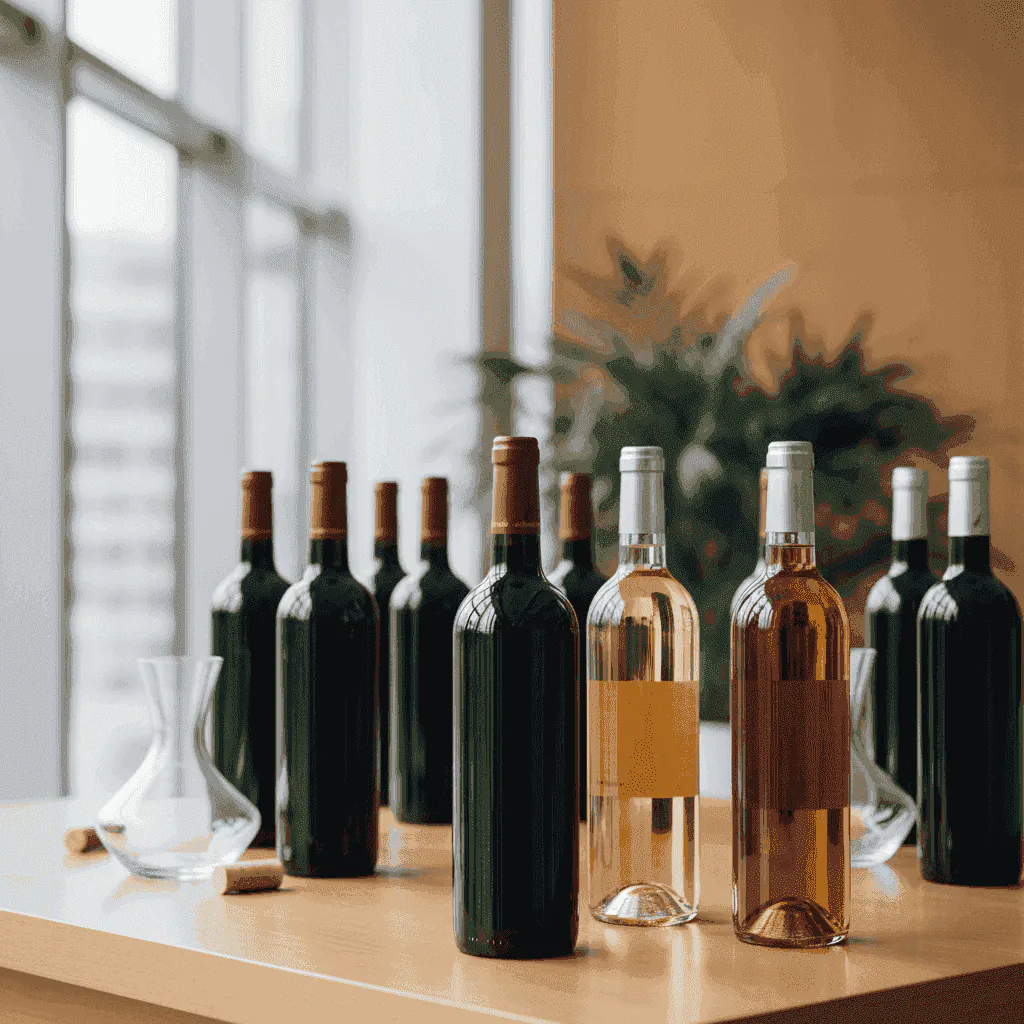
Online Retailers and Specialized Shops
Many online wine retailers and specialized brick-and-mortar shops now carry a good selection of Uruguayan wines, particularly Tannats. Websites often provide tasting notes and pairing suggestions, making it easier to explore different producers and styles. For a broader understanding of wine purchasing, consult our guide to Mastering the Wine Journey.
What to Look for on the Label
When examining a Uruguayan wine label, look for the grape varietal (e.g., Tannat, Albariño), the region of origin (e.g., Canelones, Maldonado), and the producer's name. Information about aging (e.g., 'Reserva' or 'Gran Reserva') can indicate a wine with more complexity and aging potential.
Can You Visit Wineries in Uruguay?
Yes, Uruguay offers a burgeoning wine tourism industry, with many wineries welcoming visitors for tours, tastings, and often gourmet dining experiences. Its compact size makes it an ideal destination for exploring multiple bodegas.
Planning a Wine Tour
When planning a wine tour in Uruguay, focus on regions like Canelones and Maldonado, which have a high concentration of accessible wineries. It is advisable to book tours and tastings in advance, especially during peak season. You might find similarities to planning a trip to a neighboring country's wine regions, like those detailed in our Brazil Wine Guide.
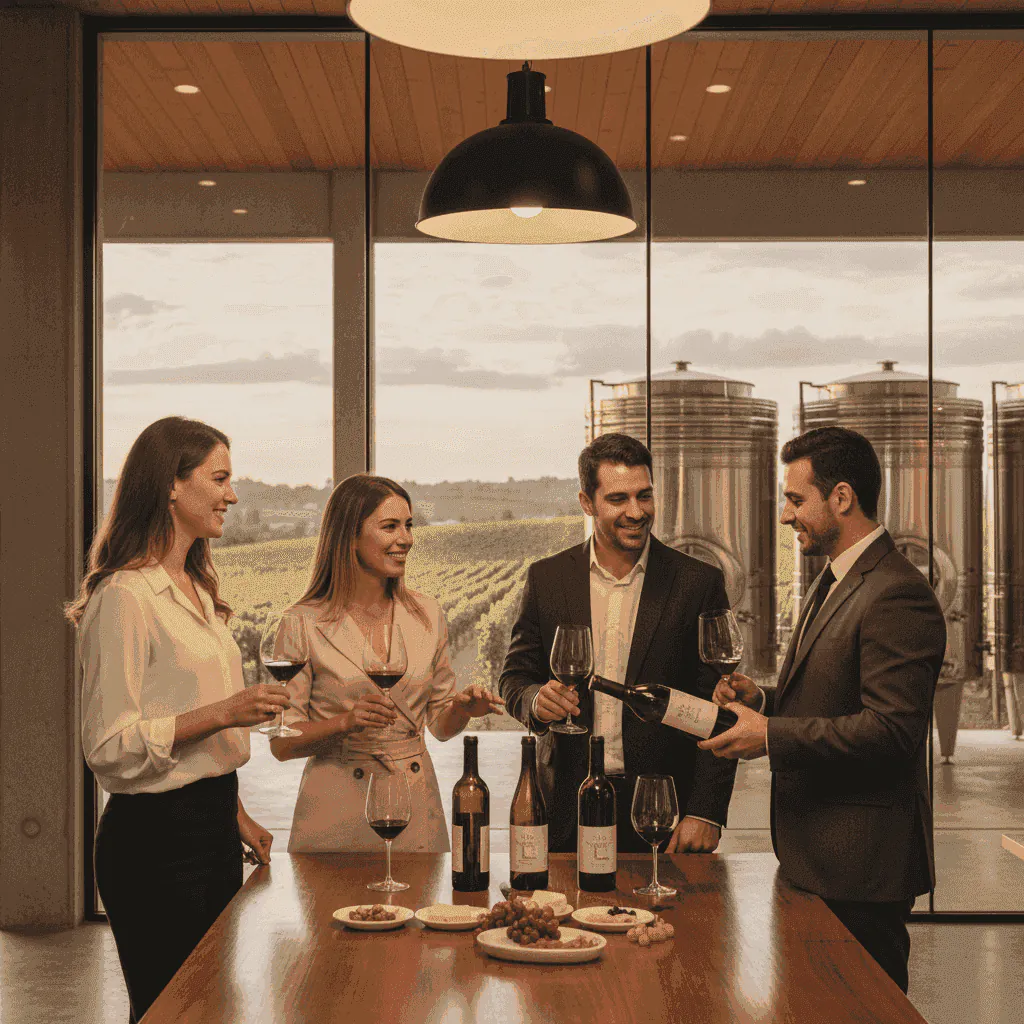
Top Wineries for Visitors
Several wineries offer exceptional visitor experiences, including Bodega Garzon with its impressive architecture and gastronomic restaurant, Bouza Bodega Boutique with its classic car collection and gourmet dining, and Carrau in Las Violetas, a historic estate. Many provide guided tours in English and Spanish.
The Future of Uruguayan Wine
The future of Uruguayan wine looks exceptionally bright, driven by ongoing commitment to quality, sustainable practices, and increasing international recognition. Producers are continually innovating and experimenting, ensuring a dynamic and evolving wine landscape.
Sustainable Practices and Innovation
Many Uruguayan wineries are embracing sustainable and organic farming practices, reflecting a global trend towards environmentally responsible viticulture. Innovations in winemaking techniques, clonal selection, and vineyard management are also contributing to higher quality and diverse wine styles.
Growing International Recognition
Uruguayan wines, especially its Tannats, are gaining significant international acclaim and distribution, appearing on wine lists and in shops worldwide. This growing recognition is attracting more investment and talent, further solidifying Uruguay's position as a serious and exciting wine-producing country.