Switzerland, despite its small size, boasts a vibrant and distinct wine culture, producing exceptional wines that are primarily enjoyed within its borders. With diverse terroirs shaped by mountains, lakes, and rivers, Swiss winemaking offers a fascinating journey for any wine enthusiast, focusing on quality over quantity and cultivating a range of indigenous and international grape varieties.
What Makes Swiss Wine Culture Unique?
Swiss wine culture is characterized by its deep connection to local traditions, diverse microclimates, and a strong emphasis on sustainability and quality. The country's challenging viticultural landscape often necessitates terraced vineyards and meticulous hand-harvesting, contributing to the high-value, artisanal nature of its wines.
A Unique Terroir
The unique terroir of Switzerland is largely defined by its dramatic Alpine landscape, varied soil types, and significant climatic differences across regions. From the granite soils of Ticino to the slate and limestone of Valais, each region imparts distinct characteristics to its wines, influenced by elevation, sun exposure, and proximity to lakes which moderate temperatures.
Why is Swiss Wine Less Known Globally?
Swiss wine is less known globally because approximately 98% of its production is consumed domestically, leaving little for export. This high internal demand, coupled with relatively small production volumes compared to larger wine-producing nations, means Swiss wines rarely reach international markets, making them a true discovery for visitors.
What are the Major Wine Regions of Switzerland?
Switzerland is home to six primary wine regions: Valais, Vaud, Geneva, Three Lakes, Ticino, and German-speaking Switzerland. Each region offers distinct grape varieties, winemaking traditions, and wine styles, shaped by their unique geography and climate.
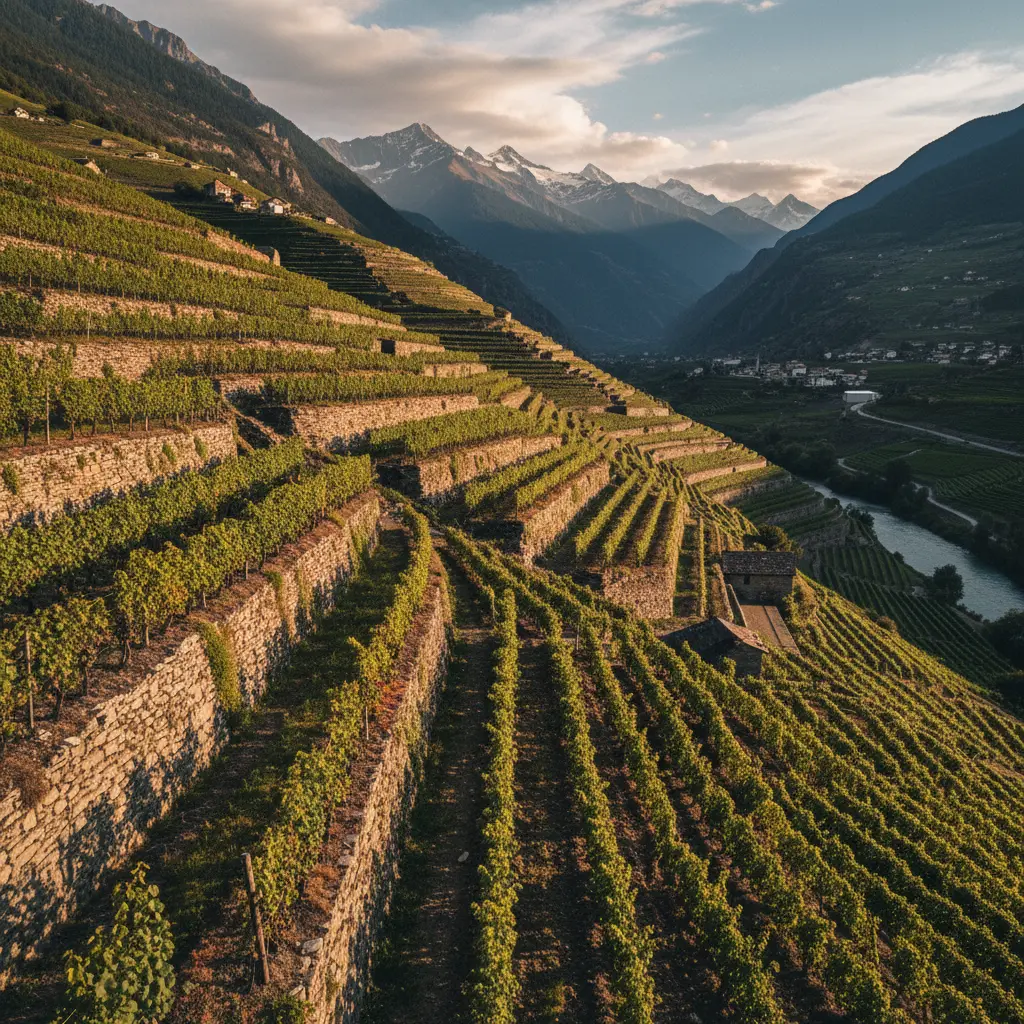
Valais: Switzerland's Largest Wine Region
Valais is Switzerland's largest wine-producing region, accounting for approximately one-third of the nation's vineyards and renowned for its Fendant (Chasselas) and Petite Arvine. Nestled in the Rhone Valley, its vineyards benefit from a dry, sunny climate and diverse soils, supporting a wide array of grape varieties, many of them indigenous.
Vaud: Lakeside Elegance
Vaud is famous for its elegant Chasselas wines, particularly those from the UNESCO-listed Lavaux terraces overlooking Lake Geneva. The region's gentle climate, moderated by the lake, provides ideal conditions for this noble white grape, producing crisp, mineral-driven wines.
Geneva: The Three Rivers Influence
The Geneva wine region is influenced by its proximity to the Rhone, Arve, and Giffre rivers, producing a diverse range of wines from Chasselas, Gamay, and Pinot Noir. It is the third-largest wine canton and often overlooked, yet it offers excellent quality and varietal breadth.
Three Lakes (Neuchâtel, Fribourg, Bern): Aromatic Whites
The Three Lakes region, encompassing vineyards around the lakes of Neuchâtel, Biel, and Murten, specializes in aromatic white wines, notably Chasselas, Pinot Gris, and Sauvignon Blanc. These wines often exhibit refreshing acidity and delicate floral notes, reflecting the cooler climate.
Ticino: Mediterranean Charm
Ticino, Switzerland's southernmost region, showcases a distinct Mediterranean influence and is primarily known for its Merlot-based red wines. The warmer climate allows Merlot to ripen fully, producing rich, structured reds, often complemented by white blends and sparkling wines.
Key Grape Varieties Grown in Switzerland
Switzerland cultivates an impressive array of grape varieties, with Chasselas being the most planted, followed by Pinot Noir and Gamay. Many indigenous varieties thrive here, contributing to the unique character of Swiss wines.
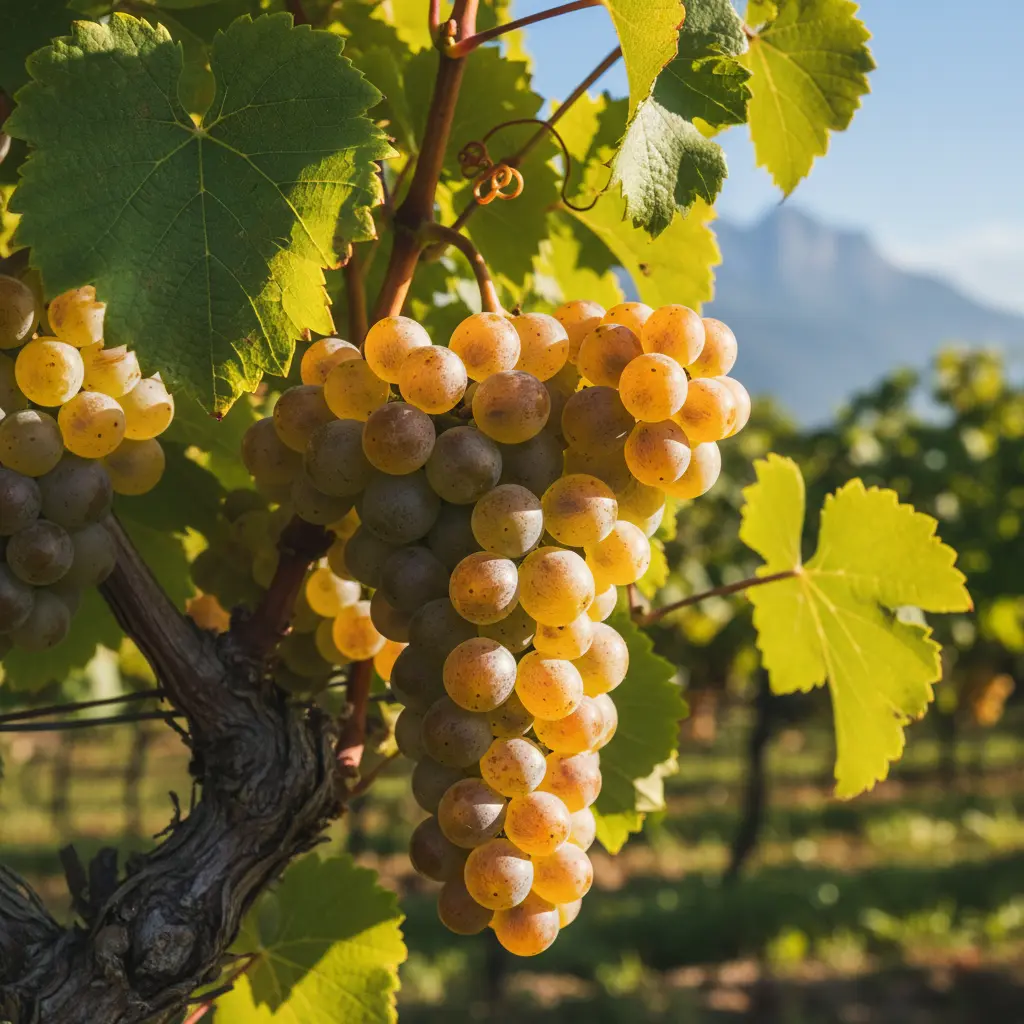
Dominant White Grapes
The dominant white grape in Switzerland is Chasselas, known locally as Fendant in Valais and Dorin in Vaud, celebrated for its crispness and minerality. Other significant white varieties include Müller-Thurgau, Petite Arvine (indigenous to Valais), Savagnin Blanc (Heida or Païen), and Silvaner (Johannisberg).
Prominent Red Grapes
Pinot Noir and Gamay are the most prominent red grapes cultivated in Switzerland, producing a range of styles from light and fruity to more structured and complex. In Ticino, Merlot reigns supreme, while indigenous reds like Cornalin and Humagne Rouge offer unique flavor profiles, particularly in Valais. For a deeper dive into grape varieties, explore our Global Grape Map 2026.
Indigenous and Specialty Grapes
Switzerland prides itself on a range of indigenous and specialty grape varieties that contribute to its unique wine identity. These include Petite Arvine, Amigne, and Savagnin Blanc (Heida/Païen) for whites, and Cornalin and Humagne Rouge for reds, particularly in Valais, offering distinct and complex flavor profiles.
| Grape Variety | Dominant Color | Primary Regions | Typical Style |
|---|---|---|---|
| Chasselas | White | Valais, Vaud, Geneva, Three Lakes | Dry, crisp, mineral, often subtle fruit |
| Pinot Noir | Red | Valais, Three Lakes, German-speaking Switzerland | Light-to-medium bodied, red berry, earthy notes |
| Gamay | Red | Geneva, Vaud, Valais | Light, fruity, aromatic, easy-drinking |
| Merlot | Red | Ticino | Medium-to-full bodied, dark fruit, sometimes oaked |
| Petite Arvine | White | Valais | Aromatic, citrus, grapefruit, saline finish |
| Humagne Rouge | Red | Valais | Full-bodied, spicy, rustic, gamey notes |
Who are Leading Swiss Wine Producers?
Leading Swiss wine producers are often family-run estates with generations of winemaking expertise, known for their commitment to quality and expression of local terroir. While many are small-scale, some have achieved national and international acclaim for their exceptional wines.
Notable Wineries in Valais
Notable wineries in Valais include Provins, Caves du Valais, and Domaine des Muses, all recognized for their diverse portfolios and indigenous grape varieties. These producers are instrumental in showcasing the region's rich viticultural heritage and innovative spirit. For comparison with other top regions, consider exploring Best Wineries in Italy 2026.
Vaud's Renowned Estates
Vaud's renowned estates often specialize in Chasselas, with producers like Domaine Louis Bovard, Henri Badoux, and Hammel & Cie leading the way. Their wines are benchmarks for the region, reflecting the elegance and purity of Lavaux's lakeside vineyards.
How Does Swiss Terroir Influence Wine Styles?
Swiss terroir profoundly influences wine styles through its unique combination of mountainous topography, diverse soil types, and extreme microclimates. This results in wines that are distinctly expressive of their origin, often characterized by bright acidity and pronounced mineral notes.
Alpine Climate Impact
The Alpine climate significantly impacts Swiss wine, providing cool temperatures that preserve acidity and extend the ripening period, leading to complex aromatics. High elevation vineyards, abundant sunshine, and protective mountain ranges create ideal pockets for viticulture, despite the overall cool environment.
Diverse Soil Compositions
Switzerland's diverse soil compositions, ranging from limestone and slate to granite and glacial moraine, contribute distinct mineral characteristics and textural qualities to its wines. These varied soils, often in conjunction with steep slopes, challenge viticulturists but reward them with unique expressions of grape varietals. Understanding these influences is key to Mastering the Wine Journey.
Food Pairing: What Foods Complement Swiss Wines?
Swiss wines, with their characteristic freshness and minerality, pair exceptionally well with a wide range of foods, from traditional Swiss dishes to international cuisine. Their acidity cuts through rich flavors, while their aromatic profiles complement delicate ones.
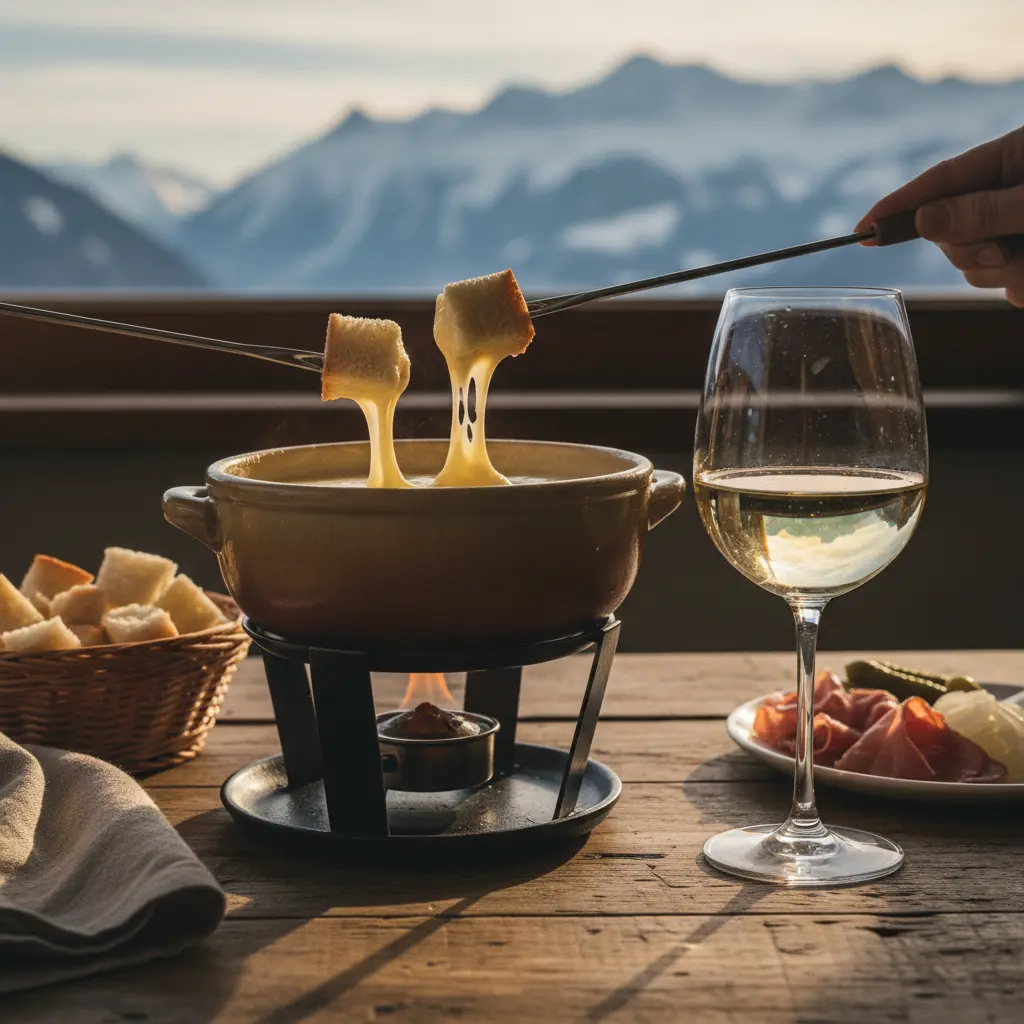
Pairing with Traditional Swiss Cuisine
Traditional Swiss cuisine, rich in cheese and hearty meats, finds its perfect match in local Swiss wines. Chasselas is ideal with fondue, raclette, and Gruyère, while lighter reds like Pinot Noir complement dried meats and Saucisson vaudois. For more pairing ideas, see our guide on Best Starters for Wine 2026.
Versatile Pairings for International Dishes
Swiss wines offer versatile pairings for international dishes due to their balance and freshness. For instance, a crisp Petite Arvine works wonderfully with seafood or Asian-inspired cuisine, while a structured Merlot from Ticino can stand up to pasta with rich sauces or grilled meats.
- Evaluate Acidity: Match high-acid wines (like Chasselas) with fatty or creamy dishes to cut through richness.
- Consider Body: Pair lighter-bodied wines (Gamay, young Pinot Noir) with delicate poultry or vegetable dishes, and fuller-bodied wines (Ticino Merlot, Humagne Rouge) with red meats.
- Balance Intensity: Ensure the wine's flavor intensity doesn't overpower or get lost by the food's intensity.
- Harmonize Flavors: Look for complementary flavors (e.g., earthy notes in Pinot Noir with mushrooms) or contrasting ones (e.g., fruitiness in rosé with spicy food).
- Regional Rule: Often, 'what grows together, goes together,' so Swiss wines are naturally suited to local Swiss cuisine.
Planning a Wine Tour in Switzerland
Planning a wine tour in Switzerland offers an immersive experience into beautiful landscapes and unique winemaking traditions, providing a glimpse into a rarely exported wine culture. Visitors can explore terraced vineyards, participate in tastings, and enjoy the stunning scenery.
Best Times to Visit
The best times to visit Swiss wine regions are late spring (May-June) for blooming vineyards and pleasant weather, or autumn (September-October) during harvest season. During these periods, wineries are often bustling with activity, and the landscapes are at their most picturesque.
Essential Tips for Travelers
Essential tips for travelers include booking winery visits in advance, utilizing Switzerland's excellent public transport, and being prepared for varying terrain in vineyard walks. It's also advisable to learn a few basic phrases in French, German, or Italian, depending on the canton, to enhance your experience with local producers.
"Swiss wine offers an unparalleled opportunity to discover authentic, terroir-driven expressions that are rarely found beyond its borders. It's a journey into a hidden gem of the wine world, where every bottle tells a story of meticulous craftsmanship and a profound connection to the land."
- YAS Wine Expert
Where to Buy Swiss Wines Outside Switzerland?
Buying Swiss wines outside Switzerland can be challenging due to limited export, but it is possible through specialized importers and select online retailers. The rarity of these wines often means they command higher prices internationally.
Online Retailers and Specialized Importers
Online retailers and specialized importers are the primary channels for purchasing Swiss wines internationally, often featuring curated selections from smaller producers. These platforms typically cater to enthusiasts seeking unique and hard-to-find bottles from regions like Valais and Vaud. For advice on acquiring unique wines, refer to our guide on Unearthing Unique Wines.
Direct from Wineries
Some Swiss wineries offer direct international shipping, particularly to neighboring European countries, or can facilitate purchases for collection during a visit. Contacting individual producers directly can be the best way to acquire specific, limited-production wines that aren't widely distributed.