Spain's diverse wine regions offer an extraordinary array of flavors, from bold reds and crisp whites to iconic sparkling wines. This guide provides a comprehensive overview of essential regions, key grape varieties, esteemed producers, and ideal food pairings to deepen your appreciation for Spanish wine in 2026.
What Defines the Rich Tapestry of Spanish Wine?
Spanish wine boasts a history spanning millennia, deeply intertwined with the country's culture and diverse geography. From the lush green north to the arid central plains and sun-drenched south, Spain's varied climates and soils contribute to an extraordinary range of wine styles and indigenous grape varieties.
What is the History and Heritage of Spanish Winemaking?
Winemaking in Spain dates back to Phoenician times, with Roman influence significantly expanding viticulture across the Iberian Peninsula. Centuries of tradition have refined unique methods and classifications, culminating in a modern industry that honors its past while embracing innovation. Many bodegas (wineries) have been in operation for generations, preserving ancient vineyard practices.
How Does Climate and Terroir Diversity Impact Spanish Wine?
Spain exhibits extreme climatic diversity, from Atlantic influence in the northwest to Mediterranean warmth along the coast and continental extremes in the interior. This creates distinct terroirs, influencing grape characteristics and wine styles. For instance, the cool, wet climate of Galicia favors aromatic whites, while the hot, dry plains of Castilla y Leon produce powerful reds.
What are Spain's Major Wine Regions?
Spain is home to over 70 Denominaciones de Origen (DOs), each defining specific wine styles and quality standards. These regions are the heart of Spanish viticulture, offering unique expressions of local grapes and winemaking traditions. For a deeper dive into these territories, see our Spanish Wine Regions 2026 Guide.
Why is Rioja Spain's Iconic Red Wine Region?
Rioja is Spain's most renowned wine region, famous for its age-worthy red wines primarily made from Tempranillo. Located in north-central Spain, it is one of only two regions with the Denominacion de Origen Calificada (DOCa) status, signifying the highest quality. Rioja wines are classified by their aging period: Joven (young), Crianza, Reserva, and Gran Reserva.
What Defines Ribera del Duero's Bold Reds?
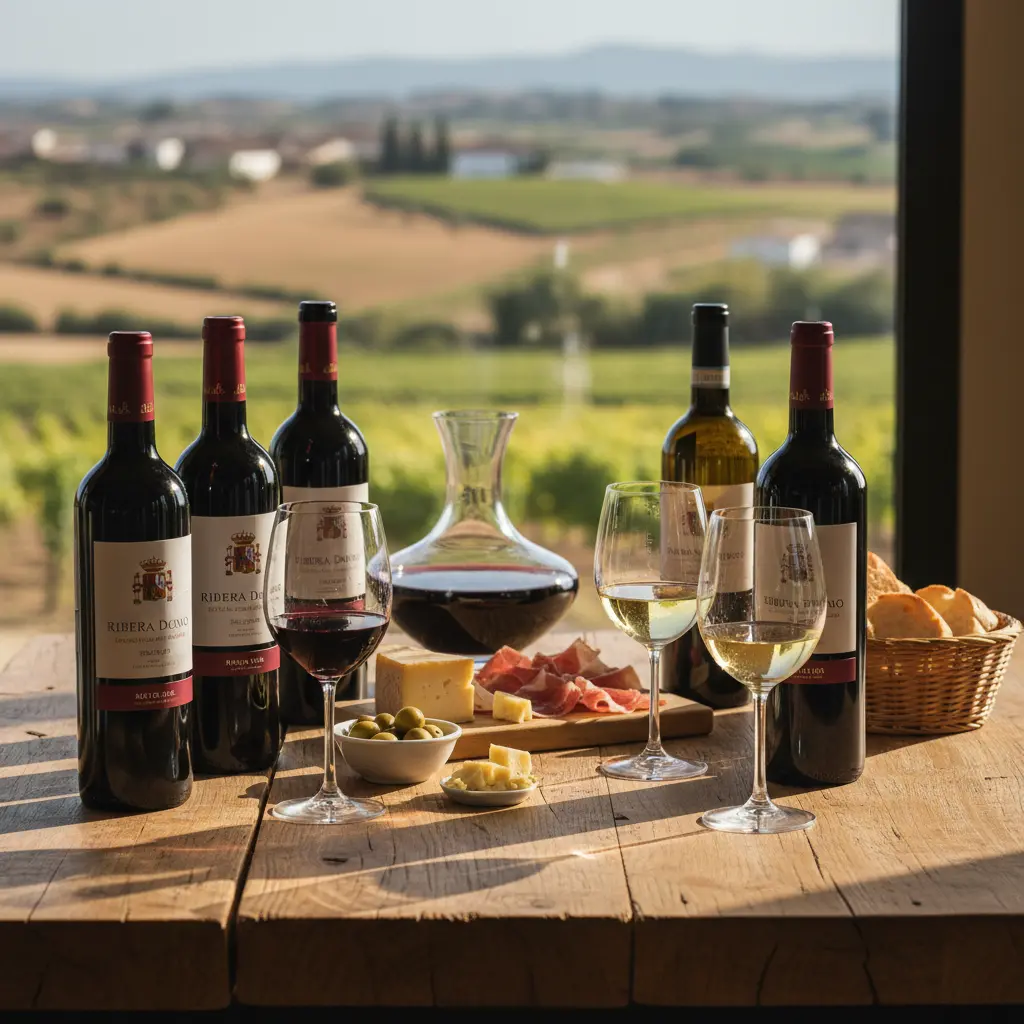
Ribera del Duero, situated on the high plateau of Castilla y Leon, produces powerful, full-bodied red wines, almost exclusively from Tempranillo (known locally as Tinto Fino). The region experiences extreme diurnal temperature shifts, contributing to grapes with excellent acidity and concentrated flavors. These wines are often structured and built for aging.
What Makes Priorat's Slate Terroir and Wines Unique?
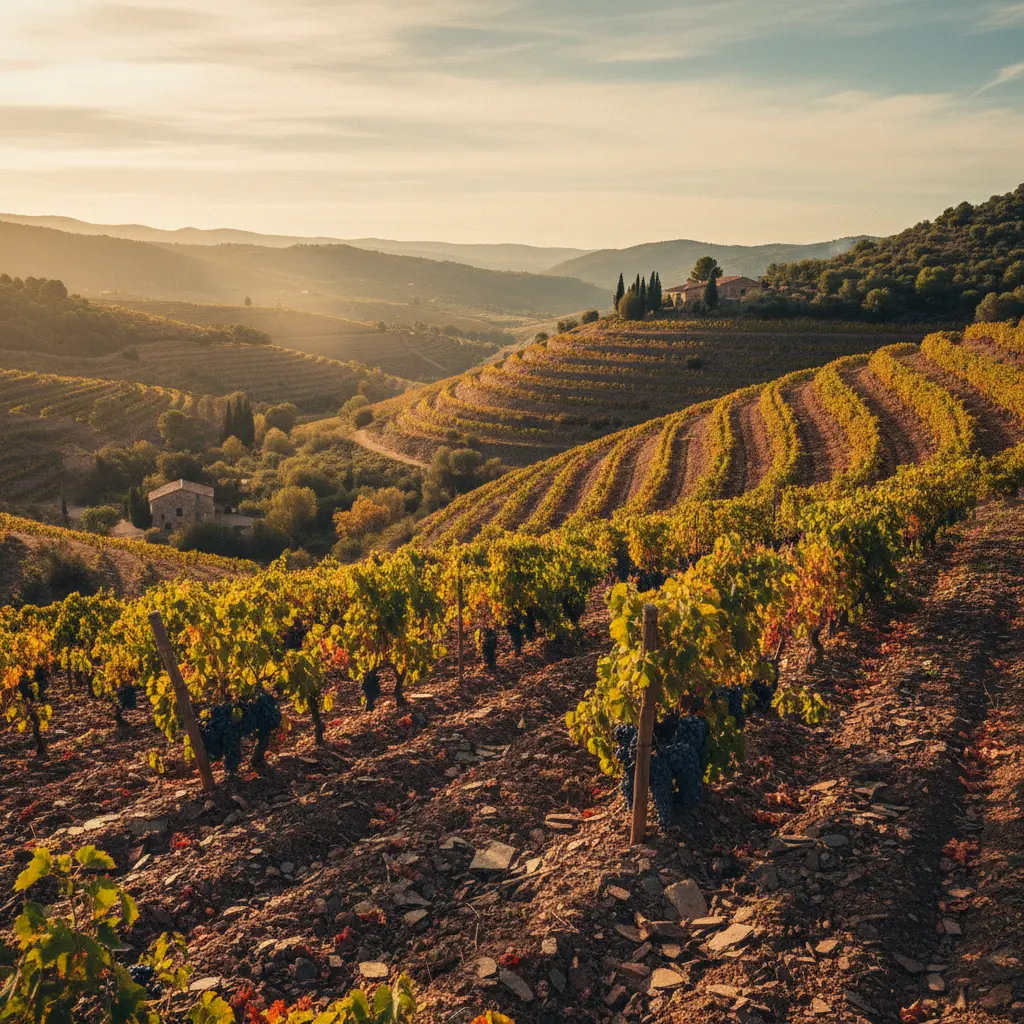
Priorat, in Catalonia, is distinguished by its dramatic, steep vineyards and unique llicorella (slate) soils, yielding intensely concentrated and mineral-driven red wines. Garnacha and Carinena are the dominant grapes, producing wines with high alcohol, rich fruit, and distinct minerality. Priorat also holds DOCa status.
What is Jerez, the Home of Sherry?
Jerez (Sherry), located in Andalusia, is world-famous for its fortified wines made primarily from the Palomino grape. The unique 'solera' system of aging and the presence of 'flor' yeast create diverse styles, from bone-dry Fino and Manzanilla to rich, sweet Pedro Ximenez. Sherry is a versatile wine, excellent for food pairing.
What is Cava, Spain's Sparkling Wine Region?
Cava is Spain's traditional method sparkling wine, primarily produced in Catalonia using indigenous grapes like Macabeo, Parellada, and Xarel-lo. It offers a vibrant, refreshing alternative to Champagne, with a wide range of styles from Brut Nature to Dulce. Cava is excellent for celebrations or as an aperitif.
Which are the Key Spanish Grape Varieties?
Spain cultivates over 400 native grape varieties, though a handful dominate the national wine landscape, each contributing to Spain's distinctive viticultural identity. These varieties thrive in specific regional climates and terroirs.
Why is Tempranillo the Backbone of Spanish Reds?
Tempranillo is Spain's noble red grape, forming the foundation of many of its most celebrated wines, including those from Rioja and Ribera del Duero. It produces medium- to full-bodied wines with flavors of red fruit, plum, tobacco, and leather, often aging gracefully in oak. Learn more about this crucial grape in our Tempranillo Wine Guide 2026.
What makes Garnacha a Versatile and Aromatic Grape?
Garnacha (Grenache) is a widely planted red grape known for its juicy, fruit-forward wines with notes of cherry, raspberry, and often white pepper. It thrives in warm climates and is a key component in wines from Priorat, Aragon, and Navarra, producing both powerful single-varietal wines and blending components.
What is Albariño, Galicia's Aromatic White?
Albariño is the signature white grape of Galicia, particularly from the Rias Baixas DO, known for producing crisp, aromatic wines. These wines are characterized by notes of peach, apricot, citrus, and a distinctive salinity, making them highly refreshing and perfect for seafood pairings.
What is Verdejo, Rueda's Zesty White Grape?
Verdejo is the star white grape of the Rueda DO in Castilla y Leon, yielding vibrant, aromatic wines with a slight bitter herbaceous note. These wines typically feature flavors of green apple, lime, fennel, and a hint of almond, offering a refreshing and savory profile.
Who are the Notable Spanish Wine Producers?
Spain is home to an array of wine producers, from historic family-run bodegas upholding centuries of tradition to innovative newcomers pushing the boundaries of modern winemaking. Their dedication shapes the quality and reputation of Spanish wine.
What are Traditional Bodegas Known For?
Many traditional bodegas, especially in regions like Rioja and Jerez, prioritize time-honored methods and extensive aging. Wineries such as Marques de Riscal (founded 1858) and Bodegas Torres have deep roots, blending heritage with quality control to produce consistently exceptional wines. Explore Spain's oldest wineries in our guide What is the Oldest Winery in Spain?.
Who are Spain's Modern Wine Innovators?
A new generation of winemakers is experimenting with organic viticulture, forgotten grape varieties, and minimal intervention techniques. Producers like Artadi (Rioja) and Raul Perez (Bierzo) are reinterpreting traditional regions and showcasing Spain's potential for diverse, cutting-edge wines, often with a focus on terroir expression.
How are Sustainable Practices Integrated in Spanish Wineries?
Sustainability is an increasingly important focus for Spanish wineries, with many adopting organic, biodynamic, and environmentally friendly practices. This commitment extends from the vineyard to the cellar, aiming to preserve the land and produce authentic wines with minimal ecological impact.
How to Pair Spanish Wines with Food?
Pairing Spanish wines with food is a delightful experience, given the country's rich culinary traditions and diverse wine styles. The key is to match the wine's body, acidity, and flavor intensity with the dish.
How to Pair Rioja with Tapas and Meats?
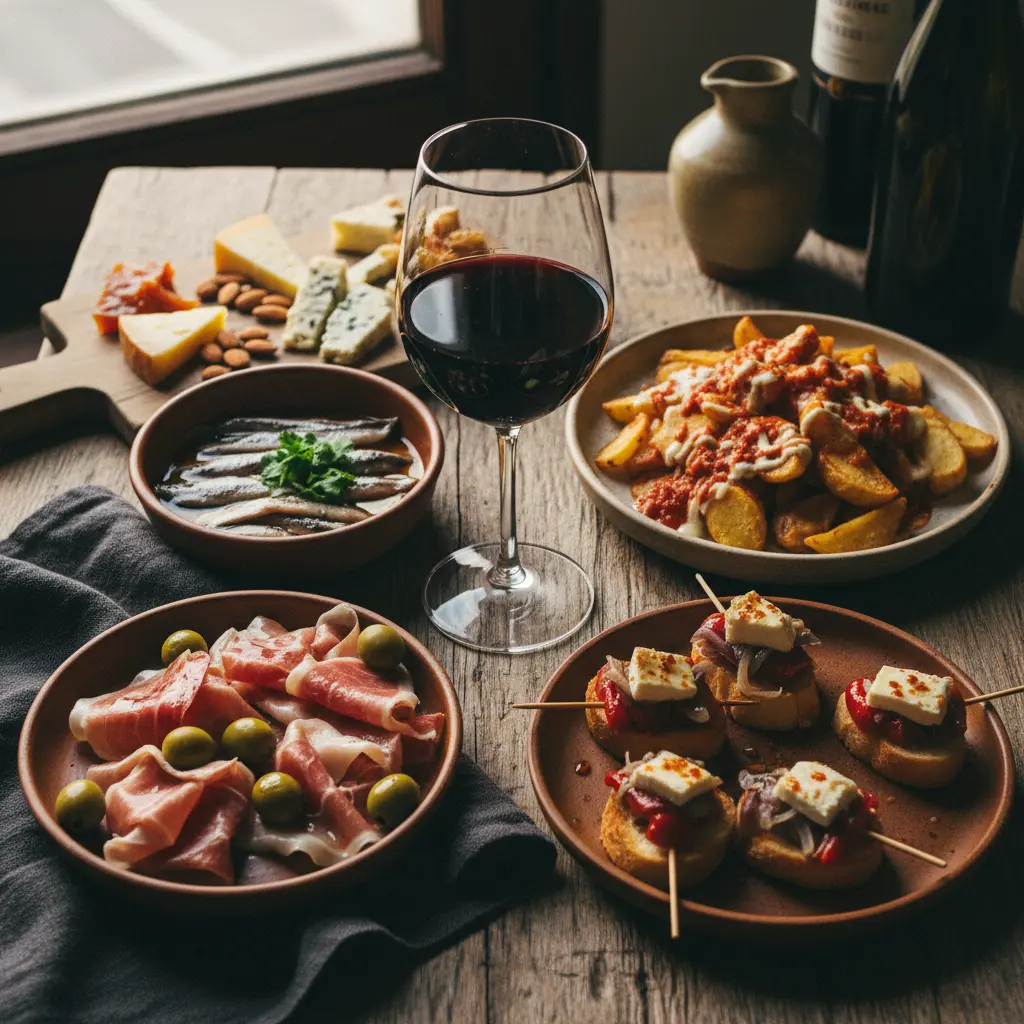
Rioja, especially Crianza or Reserva, is an exceptional match for a wide array of Spanish tapas, grilled meats, and aged cheeses. Its red fruit, spice, and oak notes complement charcuterie, lamb chops, pork loin, and traditional dishes like patatas bravas or gambas al ajillo.
How to Match Albariño with Seafood?
Albariño's crisp acidity, saline notes, and vibrant fruit make it the perfect companion for all types of seafood. Think grilled prawns, oysters, pan-seared scallops, ceviche, or a classic Galician octopus (Pulpo a la Gallega). Its refreshing character cleanses the palate beautifully.
Why is Sherry a Versatile Food Companion?
Sherry is perhaps one of the most versatile wines for food pairing, capable of accompanying dishes from appetizer to dessert. Dry Fino or Manzanilla pairs wonderfully with olives, almonds, and cured ham; Amontillado with richer cheeses and mushroom dishes; and sweet Pedro Ximenez with chocolate desserts or blue cheese.
When to Use Cava for Celebrations and Appetizers?
Cava, with its lively bubbles and refreshing acidity, is ideal for celebrations and a fantastic partner for appetizers. It pairs well with lighter fried foods, seafood, light cheeses, and a variety of party snacks. For more ideas, explore our guide to Best Champagne Snacks for 2026.
How are Spanish Wines Classified?
Spanish wine classification ensures quality and protects regional identity, providing consumers with clear guidance on a wine's origin and aging. These regulations help identify premium wines and regional specialties.
| Classification | Description | Examples |
|---|---|---|
| Vino de Pago (VP) | Highest tier for single estates with unique terroir. | Pago de Carraovejas, Dominio de Valdepusa |
| DOCa (Denominacion de Origen Calificada) | Highest general DO tier, for regions with proven consistency. | Rioja, Priorat |
| DO (Denominacion de Origen) | Governed regions, ensuring quality and origin. | Ribera del Duero, Rias Baixas |
| Vino de Calidad con Indicacion Geografica (VCIG) | Step before DO, with specific geographical indication. | Sierra de Salamanca |
| Vino de la Tierra (VT) | Regional wines with geographical indication, less strict rules. | Castilla, Extremadura |
What is Denominacion de Origen Calificada (DOCa)?
DOCa is Spain's most stringent classification, reserved for regions with a long history of high-quality production and strict regulatory controls. Currently, only Rioja and Priorat hold this prestigious status, indicating exceptional standards for vineyard management and winemaking.
What is Denominacion de Origen (DO)?
DO is the primary quality classification for most Spanish wine regions, ensuring that wines meet specific production standards related to grape varieties, viticultural practices, and winemaking techniques. Each DO has its own Consejo Regulador (regulatory council) that oversees these standards.
What is Vino de Pago (VP)?
Vino de Pago is an exclusive classification granted to individual estates (pagos) recognized for their exceptional terroir and unique wines. These single estates operate independently of a DO or DOCa, allowing them to follow their own innovative winemaking practices while maintaining the highest quality. This represents a focus on specific, outstanding microclimates.
Planning a Spanish Wine Trip?
A trip through Spain's wine country offers an immersive cultural experience, combining stunning landscapes, historic bodegas, and exquisite cuisine. Careful planning ensures you make the most of your journey into Spanish viticulture.
- Choose Your Regions: Identify 1-2 key wine regions that align with your taste preferences (e.g., Rioja for reds, Rias Baixas for whites, Jerez for Sherry).
- Book Wineries in Advance: Many bodegas, especially smaller ones, require appointments for tours and tastings. Research and book several weeks ahead.
- Consider Transportation: Renting a car offers flexibility, but consider private drivers or organized tours for tasting days to enjoy responsibly.
- Explore Local Cuisine: Integrate your wine tastings with meals at local restaurants. Many wineries offer their own dining experiences.
- Stay in Wine-Friendly Accommodation: Look for boutique hotels or rural guesthouses within the wine regions for an authentic experience.
How to Explore Rioja's Wine Routes?
The Rioja Alavesa and Rioja Alta sub-regions offer picturesque wine routes, blending medieval villages with modern architectural wineries. Many bodegas provide tours, barrel tastings, and opportunities to learn about the region's rich history. For insights into the region's heritage, consider exploring Spain's oldest wineries.
What to See When Visiting Wineries in Catalonia?
Catalonia provides diverse wine experiences, from the Cava producers near Sant Sadurni d'Anoia to the rugged landscapes of Priorat and Montsant. Barcelona serves as an excellent base for day trips to these regions, offering a blend of urban culture and rural viticulture.
"Spanish wine tells a story of sun, soil, and centuries of passion. Each bottle is a journey through a landscape as diverse and vibrant as the wines themselves." - YAS Wine Experts
How to Experience Sherry Bodegas in Andalusia?
The 'Sherry Triangle' cities of Jerez de la Frontera, Sanlucar de Barrameda, and El Puerto de Santa Maria offer unique tours of their grand bodegas. Visitors can witness the solera system, taste various Sherry styles, and experience the distinct Andalusian culture. It is an unparalleled experience for fortified wine lovers.
What are the Emerging Trends in Spanish Wine?
The Spanish wine scene is dynamically evolving, with new trends focusing on environmental responsibility and the revival of ancient winemaking traditions. These developments promise exciting future directions for Spanish viticulture.
What are Organic and Biodynamic Spanish Wines?
A growing number of Spanish producers are embracing organic and biodynamic viticulture, prioritizing ecological balance and natural winemaking processes. This commitment results in wines that are true expressions of their terroir, free from synthetic chemicals, and often with enhanced purity of flavor.
Why are Winemakers Rediscovering Indigenous Varieties?
Winemakers are increasingly focused on rediscovering and championing Spain's vast array of indigenous grape varieties, many of which were nearly lost. This effort not only preserves viticultural heritage but also introduces unique flavors and styles to the global market, moving beyond the well-known grapes.
Why Should You Choose Spanish Wine?
Spanish wine offers an incredible combination of quality, diversity, and value, making it an excellent choice for any wine enthusiast. From everyday enjoyment to special occasion bottles, Spain provides an option for every palate and budget.
What is the Value and Quality in Spanish Bottles?
Spanish wines consistently deliver exceptional quality at competitive prices, especially when compared to similar offerings from other major wine-producing nations. This combination of high standards and affordability makes them a smart choice for both casual drinkers and serious collectors. Discover more about long-lasting quality in our Aged Like Fine Wine Guide 2026.
Is there a Spanish Wine for Every Occasion?
With its vast range of styles-from refreshing whites and roses to structured reds and unique fortified wines-Spain truly offers a wine for every occasion and every food pairing. Whether you seek a sparkling aperitif, a robust dinner companion, or a sweet digestif, Spanish cellars hold a treasure. Master your overall wine journey with insights from Mastering the Wine Journey 2026.