Portugal offers a rich and diverse wine landscape, distinguished by its ancient traditions, unique indigenous grape varieties, and varied terroirs that produce everything from crisp whites to robust reds and world-renowned fortified wines like Port. This guide will explore the essential aspects of Portuguese wine, helping you navigate its regions, understand its grapes, identify top producers, and master the art of food pairing.
What Makes Portuguese Wine Unique?
Portuguese wine stands out due to its unparalleled array of native grape varieties, diverse microclimates, and centuries-old winemaking techniques, many of which remain distinct from other European traditions. This blend of ancient practices and modern innovation results in wines of exceptional character and individuality.
Historical Roots and Terroir
Portugal's winemaking history dates back over 2,000 years, with influences from Phoenicians, Greeks, and Romans, shaping its viticultural identity. The country's varied geology, from granite and schist in the north to clay and limestone in the south, combined with Atlantic and Mediterranean climates, creates a myriad of distinct terroirs, each imparting unique characteristics to the wines.
Diversity of Styles
Portuguese wines encompass an impressive range of styles, from the light, spritzy Vinho Verde to the powerful, age-worthy reds of the Douro, and the sweet, complex fortified wines of Port and Madeira. This stylistic breadth ensures there is a Portuguese wine for every palate and occasion, making it a compelling region for discovery.
What are the Key Wine Regions of Portugal?
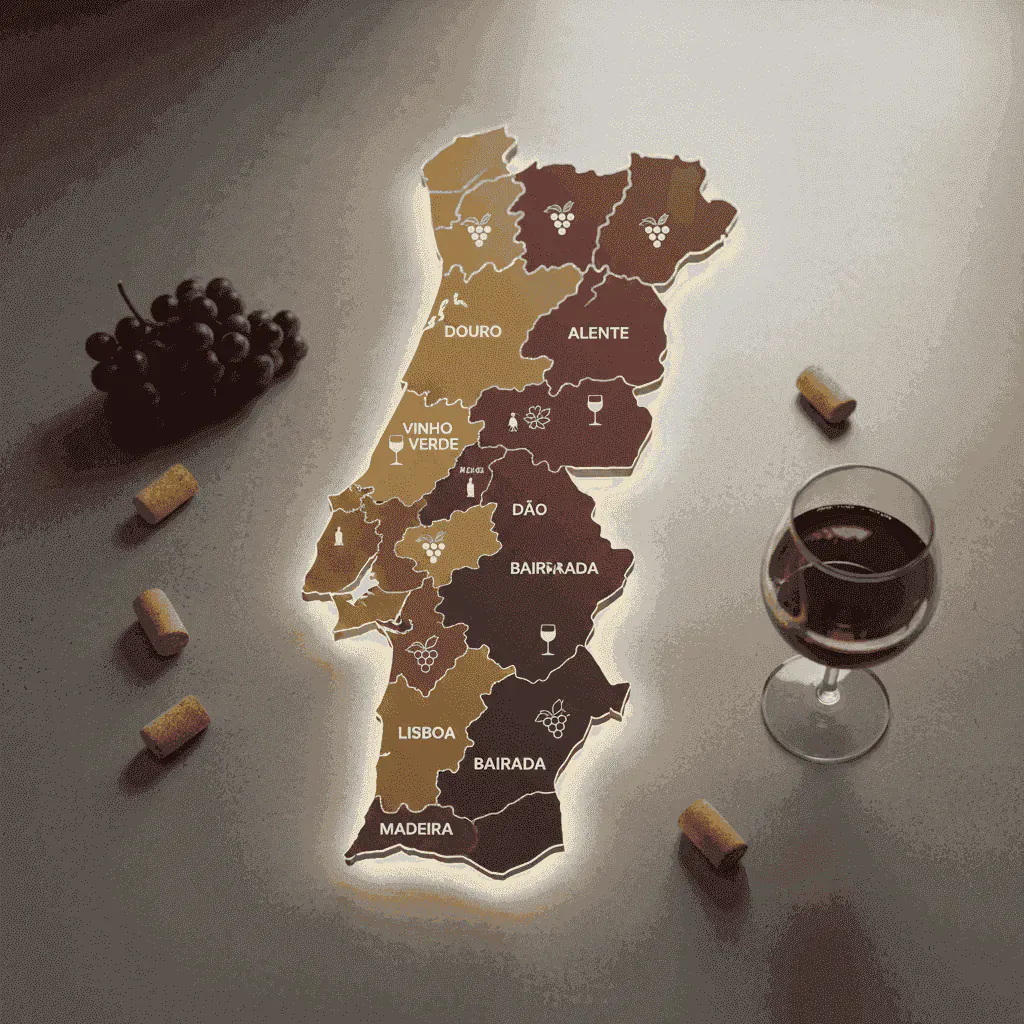
Portugal boasts 14 primary wine regions, each contributing distinct wines reflecting their unique grape varieties, climate, and soil. Understanding these regions is crucial for appreciating the breadth of Portuguese winemaking.
Douro Valley
The Douro Valley, a UNESCO World Heritage site, is famous for producing both world-class Port wine and increasingly recognized dry red wines from its dramatic terraced vineyards. The region's hot, dry climate and schist soils are ideal for concentrated, full-bodied reds, often a blend of Touriga Nacional, Touriga Franca, and Tinta Roriz (Tempranillo).
Vinho Verde
Vinho Verde, located in the lush, green northwest, is renowned for its crisp, light-bodied, and often effervescent white wines, typically made from Alvarinho, Loureiro, and Arinto grapes. These wines are characterized by their refreshing acidity, citrus notes, and sometimes a slight spritz, perfect for warm weather or as an aperitif.
Alentejo
The Alentejo region, a vast plain in southern Portugal, produces a wide range of high-quality wines, from aromatic whites to full-bodied, fruit-forward reds, often showcasing traditional Portuguese varietals alongside international grapes. Its hot, dry climate lends itself to ripe, generous wines with smooth tannins.
Dão and Bairrada
Dão and Bairrada are two distinct regions known for elegant and age-worthy red wines, often requiring some bottle maturation to reveal their full complexity. Dão wines, primarily based on Touriga Nacional, are aromatic and structured, while Bairrada is famous for its tannic, dark-fruited Baga grape, producing powerful wines with significant aging potential.
What are Portugal's Signature Grape Varieties?
Portugal cultivates over 250 indigenous grape varieties, many of which are exclusive to the country, providing a unique flavor profile unparalleled in most other wine-producing nations. These native grapes are the backbone of Portugal's distinct wine identity.
Touriga Nacional (Red)
Touriga Nacional is widely regarded as Portugal's finest red grape, known for producing full-bodied, aromatic wines with intense dark fruit, floral notes (violet), and firm tannins. It is a key component in premium Douro reds and Port wines, offering excellent aging potential. For more on grapes like this, explore the Global Grape Map 2026.
Alvarinho (White)
Alvarinho is the star white grape of the Vinho Verde region, producing highly aromatic and textural wines with prominent notes of peach, apricot, citrus, and a refreshing mineral streak. It is prized for its complexity and ability to age, offering a more serious expression of Vinho Verde.
Aragonez/Tinta Roriz (Red)
Aragonez, also known as Tinta Roriz in the Douro, is Portugal's answer to Spain's Tempranillo, yielding medium to full-bodied red wines with flavors of red berries, plum, and spice. It is a versatile grape, contributing fruit and structure to blends across many Portuguese regions, including Alentejo and Dão.
Baga (Red)
Baga is a challenging yet rewarding red grape predominantly found in the Bairrada region, known for producing deeply colored, highly tannic, and acidic wines with notes of blackcurrant and wild berries. These wines often require significant aging to soften and develop complex savory and earthy characteristics.
Who are Portugal's Top Wine Producers?
Portugal is home to a mix of historic estates with centuries of winemaking heritage and dynamic new producers pushing the boundaries of quality and innovation. Identifying key producers helps in sourcing exceptional Portuguese wines.
Iconic Estates
Producers like Symington Family Estates (Port), Sogrape (Mateus Rosé, Casa Ferreirinha), and Esporão (Alentejo) are synonymous with Portuguese wine excellence, known for their consistent quality and significant contributions to the industry. These estates often manage vast vineyards and produce a range of wines from entry-level to super-premium. Discover more about specific wineries in our Best Wineries in Portugal 2026 guide.
Emerging Vanguards
Beyond the established names, a new generation of winemakers, such as Anselmo Mendes (Vinho Verde) and Niepoort (Douro), are gaining international acclaim for their innovative approaches and commitment to expressing Portugal's unique terroir. They often focus on single-varietal expressions, organic practices, and forgotten vineyards.
How to Pair Portuguese Wines with Food?
Portuguese wines offer incredible versatility for food pairing, making them excellent companions for a wide array of cuisines, especially the rich and flavorful dishes of Portuguese gastronomy. The key is to match the wine's intensity and characteristics with the food.
Pairing Douro Reds
Robust Douro reds, with their full body and firm tannins, pair exceptionally well with hearty meat dishes, game, and aged cheeses. Think traditional Portuguese roasted lamb (borrego assado), grilled steak, or rich stews. For a broader understanding of pairings, consult our Best Wine Pairing Guide 2026.
Pairing Vinho Verde
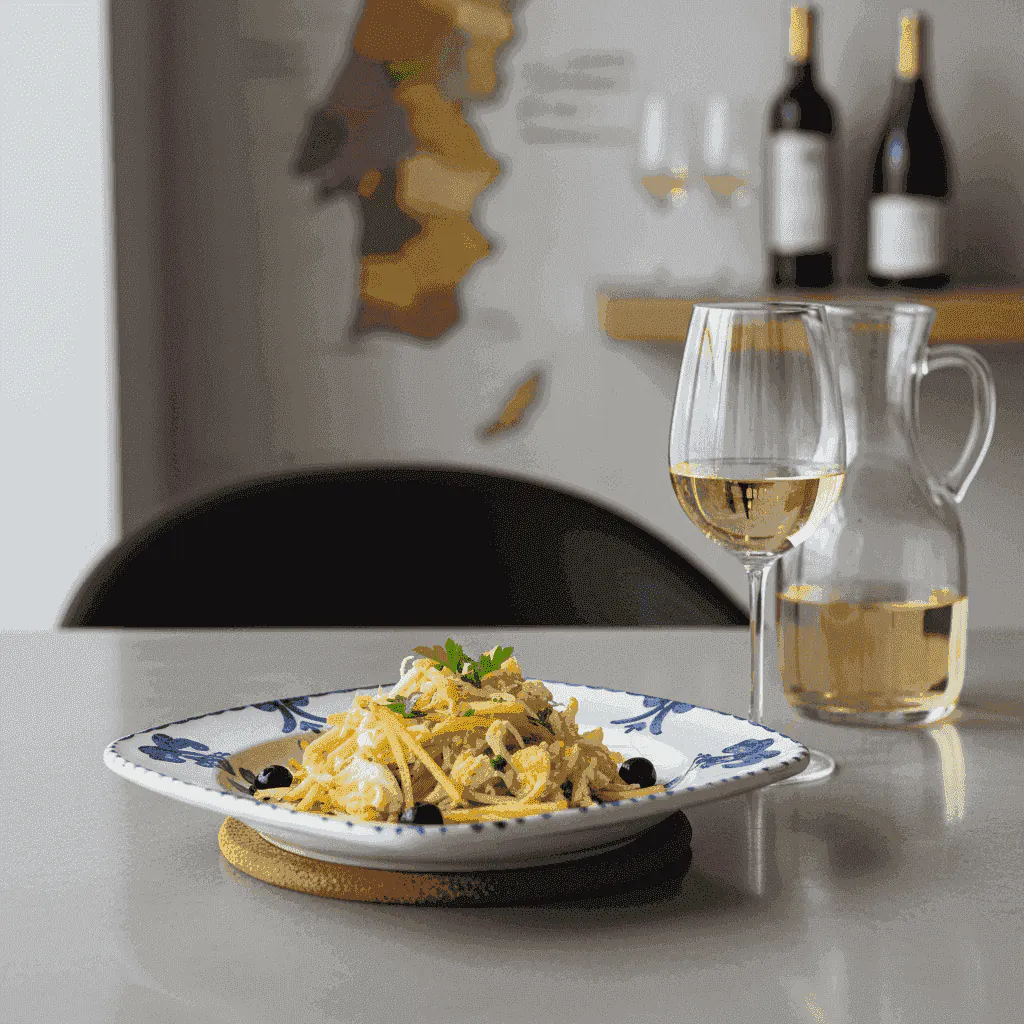
The crisp acidity and light body of Vinho Verde make it an ideal partner for seafood, salads, grilled fish, and light poultry dishes. It also shines as a refreshing aperitif, cutting through richness and cleansing the palate. It's particularly good with Bacalhau à Brás (codfish with scrambled eggs and potatoes).
Pairing Alentejo Wines
Alentejo white wines, often textural and aromatic, are great with grilled fish, white meats, and Mediterranean cuisine, while its full-bodied reds complement pork, game, and rich pasta dishes. The region's diverse styles allow for flexibility in pairing.
Pairing Port Wine
Port wine is famously paired with cheeses, especially blue cheeses and aged hard cheeses, and rich chocolate desserts. Tawny Ports are excellent with nutty desserts and fruit tarts, while Vintage Ports demand dark chocolate, Stilton cheese, or simply enjoy on their own.
How are Portuguese Wines Classified?
Portuguese wine classifications help consumers understand the origin, quality, and style of a wine, ensuring adherence to specific regional regulations and production standards. The main categories are DOC and Vinho Regional.
Denominação de Origem Controlada (DOC)
DOC (Denominação de Origem Controlada) is the highest tier of Portuguese wine classification, indicating wines that come from specific, delimited regions and adhere to strict rules regarding grape varieties, yields, winemaking methods, and aging. Examples include Douro DOC, Vinho Verde DOC, and Alentejo DOC.
Vinho Regional (VR)
Vinho Regional (VR) is a broader classification, allowing for greater flexibility in grape varieties and winemaking styles, often encompassing larger geographical areas. VR wines can offer excellent value and innovation, allowing winemakers to experiment beyond the strict DOC regulations.
Is Sustainable Viticulture a Focus in Portugal?
Portugal is increasingly embracing sustainable viticulture, with a growing number of wineries adopting environmentally friendly practices to protect their unique ecosystems and ensure the longevity of their vineyards. This commitment reflects a global trend towards responsible wine production.
Organic and Biodynamic Practices
Many Portuguese producers are converting to organic and biodynamic farming, minimizing chemical intervention and fostering vineyard biodiversity to produce healthier grapes and more expressive wines. These methods often lead to more vibrant and terroir-driven wines.
Water Management and Biodiversity
Given Portugal's climate, efficient water management is critical, with vineyards employing techniques like drip irrigation and drought-resistant rootstocks. Additionally, efforts are made to preserve local flora and fauna, enhancing the overall health and resilience of the vineyard ecosystem.
What are the Best Practices for Buying Portuguese Wine?
Buying Portuguese wine can be a rewarding experience when you know what to look for, enabling you to discover hidden gems and established classics alike. It involves a combination of research, label reading, and expert consultation.
Seeking Expert Advice
Consulting with a reputable wine merchant or sommelier can provide invaluable guidance, especially when exploring lesser-known regions or indigenous grape varieties. They can offer personalized recommendations based on your preferences and budget, helping you navigate the vast landscape of Portuguese wines.
Reading Labels Effectively
Pay attention to the region (DOC), grape varieties, and producer on the label. Look for terms like Reserva (aged longer) or Garrafeira (extended aging) for wines with more complexity and aging potential. Understanding the vintage year is also important, as it indicates the conditions of the growing season.
How Can You Plan a Wine Tour in Portugal?
A wine tour in Portugal offers an immersive experience, allowing visitors to explore stunning landscapes, taste exceptional wines, and engage directly with winemakers. Proper planning ensures a memorable and enriching journey.
When to Visit
The best times to visit Portugal's wine regions are spring (April-May) for pleasant weather and blossoming vineyards, or autumn (September-October) during the harvest season for a lively, authentic experience. Summers can be hot, especially in the Douro and Alentejo.
Key Destinations
Focus your trip on major regions like the Douro Valley for breathtaking scenery and Port wine lodges, Vinho Verde for crisp whites, or Alentejo for diverse wines and historic towns. Each offers unique attractions and tasting opportunities, enhancing your overall mastering the wine journey.
"Portugal's wine is a testament to its resilience and unique heritage, offering a depth of flavor and history that is truly captivating. To taste a Portuguese wine is to taste the soul of the land."
What are Typical Portuguese Wine Characteristics?
Understanding the general characteristics of wines from key regions can guide your selections and pairings. This table summarizes some of Portugal's most notable wine regions and their typical offerings.
| Region | Primary Wine Style | Key Grape Varieties | Food Pairing Suggestions |
|---|---|---|---|
| Douro | Robust Dry Reds, Port Wine | Touriga Nacional, Touriga Franca, Tinta Roriz | Grilled Meats, Game, Aged Cheeses (Reds); Chocolate, Blue Cheese (Port) |
| Vinho Verde | Crisp, Aromatic Whites (often spritzy) | Alvarinho, Loureiro, Arinto | Seafood, Salads, Grilled Fish, Sushi |
| Alentejo | Full-bodied Reds, Aromatic Whites | Aragonez, Trincadeira, Antão Vaz | Pork Dishes, Mediterranean Cuisine, White Meats |
| Dão | Elegant, Structured Reds | Touriga Nacional, Alfrocheiro, Jaen | Roasted Lamb, Duck, Mushroom Risotto |
| Bairrada | Tannic, Age-worthy Reds | Baga (red); Fernão Pires (white) | Suckling Pig (Leitão), Game Birds, Robust Stews |
How to Select Your Next Portuguese Wine: A Step-by-Step Guide
Choosing the perfect Portuguese wine involves a few simple steps, from considering your palate to understanding the occasion. This guide will help you confidently select your next bottle.
- Determine Your Preference: Are you seeking a refreshing white, a rich red, or a sweet fortified wine? Portuguese wines offer a spectrum of styles. If you enjoy the vibrant reds of Brazil's emerging wine scene, you might appreciate the bold flavors of Douro reds.
- Consider the Occasion or Food Pairing: For a light meal or aperitif, a Vinho Verde is ideal. For a hearty dinner, a Douro or Alentejo red would be more suitable. Port wine is perfect for dessert or after-dinner contemplation.
- Explore Key Regions: If you prefer elegance and structure, look for wines from Dão. For power and complexity, the Douro Valley is your destination. For crisp freshness, Vinho Verde is unmatched.
- Identify Key Grape Varieties: If you like intense aromatics and body in reds, seek out Touriga Nacional. For crisp, fruity whites, Alvarinho is a must-try.
- Check the Classification and Producer: Opt for DOC wines for guaranteed regional authenticity and quality. Familiarize yourself with reputable producers for consistent excellence.
- Don't Be Afraid to Ask: When in doubt, ask a wine shop professional for recommendations. They can often provide insights into new releases or hidden gems.
Conclusion
Portugal's wine industry is a dynamic tapestry of ancient traditions and modern innovation, offering an incredible diversity of wines that are both unique and immensely rewarding to explore. From the dramatic terraced vineyards of the Douro to the verdant valleys of Vinho Verde, each region tells a story through its distinct wines. Embracing Portuguese wines means embarking on a journey of discovery, where every bottle reveals a piece of the country's rich history, vibrant culture, and unparalleled viticultural heritage. Whether you are a seasoned connoisseur or new to the world of wine, Portugal promises an exciting adventure for your palate.