Mexico's wine industry is a vibrant and growing sector, offering diverse regions, unique grape varieties, acclaimed producers, and exceptional food pairing opportunities that defy its lesser-known status. With a history of winemaking dating back to the 16th century, Mexico is rapidly gaining international recognition for its quality and innovation, particularly in Baja California.
What is the History of Winemaking in Mexico?
Winemaking in Mexico began with the arrival of the Spanish in the 16th century, making it one of the oldest wine-producing regions in the Americas. Hernán Cortés himself ordered the planting of European vines, laying the foundation for a rich viticultural heritage that predates many European New World colonies.
Early Beginnings and Royal Decrees
The first vineyards were established by missionaries to produce sacramental wine, quickly expanding to meet colonial demand. By 1597, Casa Madero, the oldest winery in the Americas, was founded in Parras de la Fuente, Coahuila. However, in the late 17th century, King Philip II of Spain banned commercial wine production in Mexico to protect Spanish exports, severely hindering its development for centuries.
Modern Revival and Growth
Mexico's wine industry experienced a significant revival in the mid-20th century, spurred by investment and renewed interest in quality production. The 1980s and 1990s saw a surge in new wineries and improved techniques, particularly in Baja California, which began to emerge as the country's dominant wine region. Today, Mexican wines consistently earn international accolades, challenging long-held perceptions.
What are the Main Wine Regions of Mexico?
Mexico's primary wine regions are concentrated in areas with suitable climates, primarily Baja California, Querétaro, and Coahuila, each offering distinct terroir and wine styles. These regions benefit from diverse microclimates, from coastal influences to high-altitude valleys, contributing to the complexity of their wines.
Baja California (Valle de Guadalupe)
Baja California, particularly the Valle de Guadalupe, is Mexico's most prominent wine region, known for its Mediterranean climate and innovative wineries. Located just south of the U.S. border, its hot, dry days are tempered by cool Pacific breezes and morning fogs, allowing grapes to ripen fully while maintaining acidity. This region produces a wide range of red and white wines, often showcasing blends.
Querétaro
Querétaro, situated in the high central plateau, is renowned for its sparkling wines and higher-altitude vineyards. Its unique climate, characterized by warm days and significantly cooler nights, promotes excellent phenolic ripeness and acidity. Beyond sparkling, Querétaro also produces quality still wines, especially from grapes like Macabeo, Chardonnay, and Cabernet Sauvignon.
Coahuila (Parras Valley)
The Parras Valley in Coahuila is home to the oldest continually operating winery in the Americas, Casa Madero, and is known for its arid, desert climate. Despite the extreme heat, the valley benefits from underground water sources and high elevation, which temper temperatures. It produces robust red wines, particularly from Cabernet Sauvignon, Merlot, and Tempranillo.
Other Emerging Regions
New wine regions are emerging across Mexico, including Sonora, Zacatecas, and Guanajuato, each exploring unique microclimates and grape varieties. These areas, while smaller, are contributing to the diversity of Mexican wine, often focusing on niche markets and experimental viticulture. Visiting these regions is an exciting part of mastering the wine journey through Mexico.
What Grape Varieties Thrive in Mexican Vineyards?
Mexican vineyards successfully cultivate a diverse array of both international and some indigenous grape varieties, adapting them to the country's unique terroirs. This adaptability allows producers to craft wines that range from familiar international styles to those with a distinct Mexican character, much like the diversity found when exploring different grape varieties worldwide.
Red Grapes
Key red grape varieties in Mexico include Cabernet Sauvignon, Tempranillo, Nebbiolo, and Zinfandel, which flourish in the sunny climate. Cabernet Sauvignon produces full-bodied wines with dark fruit and spice notes. Tempranillo, influenced by its Spanish heritage, yields earthy, fruit-forward reds. Nebbiolo often develops into complex, structured wines, especially in Baja California, rivaling the complexity found in some Italy's premier wine regions. Zinfandel, less common globally, finds a robust expression here.
White Grapes
Prominent white grapes are Chardonnay, Chenin Blanc, and Sauvignon Blanc, producing crisp and aromatic wines. Chardonnay is versatile, appearing in both still and sparkling forms. Chenin Blanc, especially from older vines, offers refreshing acidity and stone fruit aromas. Sauvignon Blanc typically yields vibrant, herbaceous, and citrusy wines.
Who are the Leading Wine Producers in Mexico?
Mexico boasts a range of acclaimed wine producers, from historic estates to modern, boutique operations, all contributing to the country's rising reputation. These wineries often blend traditional methods with innovative techniques, creating distinct and high-quality wines.
Casa Madero
Casa Madero, established in 1597, is the oldest winery in the Americas, renowned for its heritage and consistent quality. Located in the Parras Valley, Coahuila, it produces a wide portfolio, including robust reds and crisp whites, and is celebrated for its award-winning Cabernet Sauvignon and Chardonnay.
L.A. Cetto
L.A. Cetto is one of Baja California's largest and most recognized wineries, known for its accessible yet high-quality wines. They offer a comprehensive range of varietals, from Nebbiolo and Petite Sirah to Zinfandel, providing excellent value and wide distribution both domestically and internationally.
Monte Xanic
Monte Xanic is considered a pioneer of modern Mexican wine, known for its commitment to quality and innovation in the Valle de Guadalupe. Since its founding in 1987, it has set benchmarks for premium Mexican wines, specializing in Bordeaux blends, Chardonnay, and Chenin Blanc, and offering a prestigious wine tourism experience.
Smaller Boutique Wineries
Beyond the major players, numerous smaller, boutique wineries contribute significantly to Mexico's vibrant wine scene, offering unique and artisanal expressions. Examples include Bruma, Lomita, and Vena Cava in Baja California, which focus on handcrafted, small-batch wines and often feature innovative winemaking approaches and distinct cellar door experiences.
How Does Mexican Terroir Influence its Wines?
Mexican terroir, characterized by its extreme altitudes, diverse soil types, and varied microclimates, significantly shapes the character and complexity of its wines. These geographical elements contribute to unique growing conditions that influence grape development and flavor profiles.
Climate Diversity
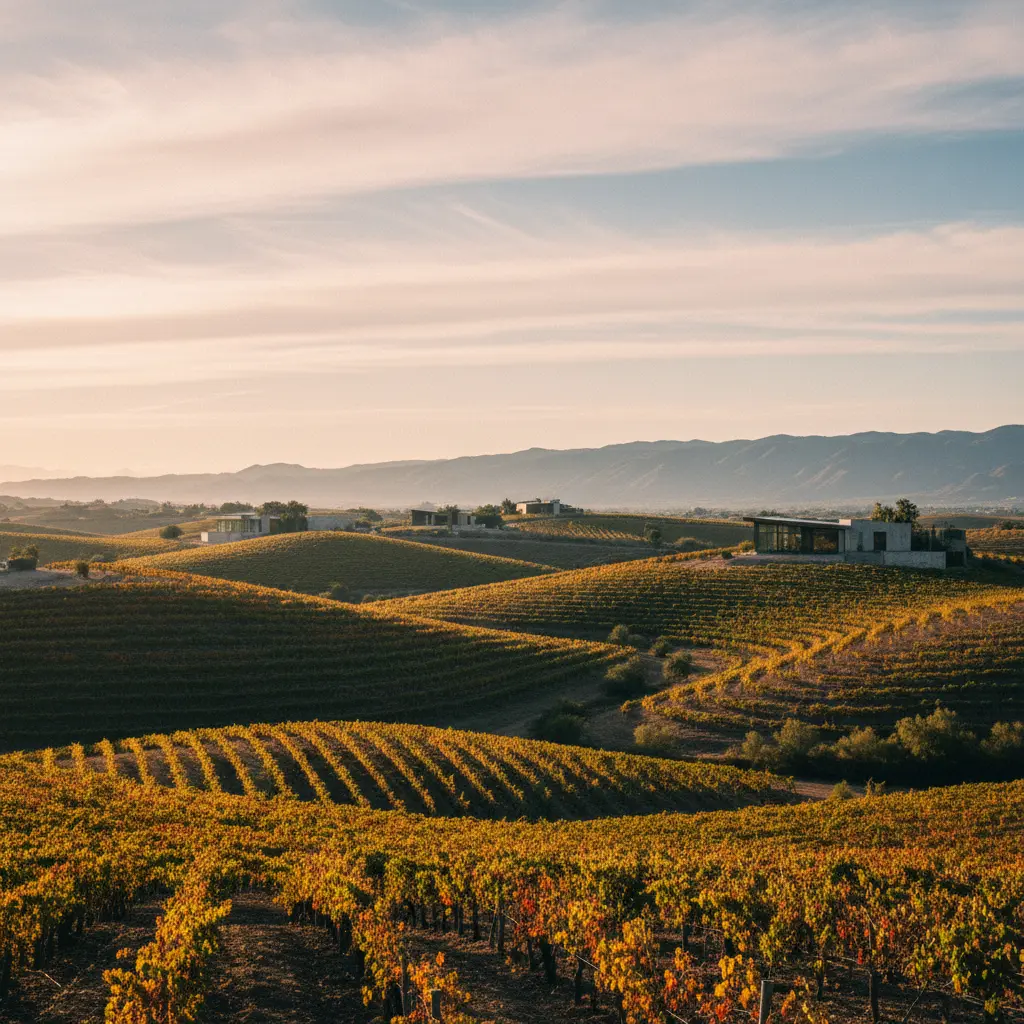
Mexico's diverse climates, ranging from Mediterranean coastal influences to high-desert aridity, create distinct wine profiles. The cooling ocean breezes in Baja California mitigate the intense sun, allowing for slow ripening, while the significant diurnal shifts in high-altitude regions like Querétaro contribute to grapes with excellent acidity and concentrated flavors.
Soil Composition
The varied soil compositions across Mexican wine regions, including alluvial, clay, and rocky soils, impart different characteristics to the wines. For instance, the mineral-rich soils of Valle de Guadalupe contribute to the complexity of red blends, much like the influence seen in Spanish wine regions. Volcanic soils in other areas add unique mineral notes.
Altitude Effects
High-altitude vineyards, particularly in Querétaro and Coahuila, offer cooler temperatures and increased UV exposure, impacting grape maturation. This elevation helps to preserve acidity in grapes despite warm daytime temperatures, resulting in fresh, vibrant white wines and elegant reds with balanced tannins.
What are the Signature Styles of Mexican Wine?
Mexican wines typically showcase bold, expressive reds and crisp, aromatic whites, alongside a growing reputation for quality sparkling wines. The country's winemakers often embrace innovative blending, reflecting both international trends and local terroir.
Bold Reds
Mexican bold red wines are frequently characterized by their concentrated fruit flavors, often with notes of spice, tobacco, and earthy undertones, reflecting the intense sun exposure. Varietals like Cabernet Sauvignon, Nebbiolo, and Tempranillo from Baja California often present with significant structure and aging potential, making them suitable for robust food pairings.
Crisp Whites
Crisp white wines from Mexico, especially those from Chenin Blanc, Chardonnay, and Sauvignon Blanc, offer refreshing acidity and vibrant fruit profiles. These wines often exhibit notes of citrus, green apple, and tropical fruits, making them excellent choices for lighter fare and warm climates.
Sparkling Wines
Querétaro leads Mexico's sparkling wine production, utilizing traditional methods to create elegant and celebratory bubbles. These sparkling wines, primarily made from Macabeo, Chardonnay, and Pinot Noir, are known for their fine perlage, delicate aromas, and refreshing finish, perfect for special occasions.
"Mexican wine is a revelation-it tells a story of ancient lands, modern ambition, and a unique sun-drenched character that demands attention." - Wine Critic, 2026
How to Pair Mexican Wines with Local Cuisine?
Pairing Mexican wines with local cuisine offers a harmonious blend of flavors, enhancing both the wine and the dish through thoughtful combinations. The richness and diversity of Mexican food, from spicy moles to fresh seafood, provide ample opportunities for exciting wine pairings.
Tacos and Tempranillo
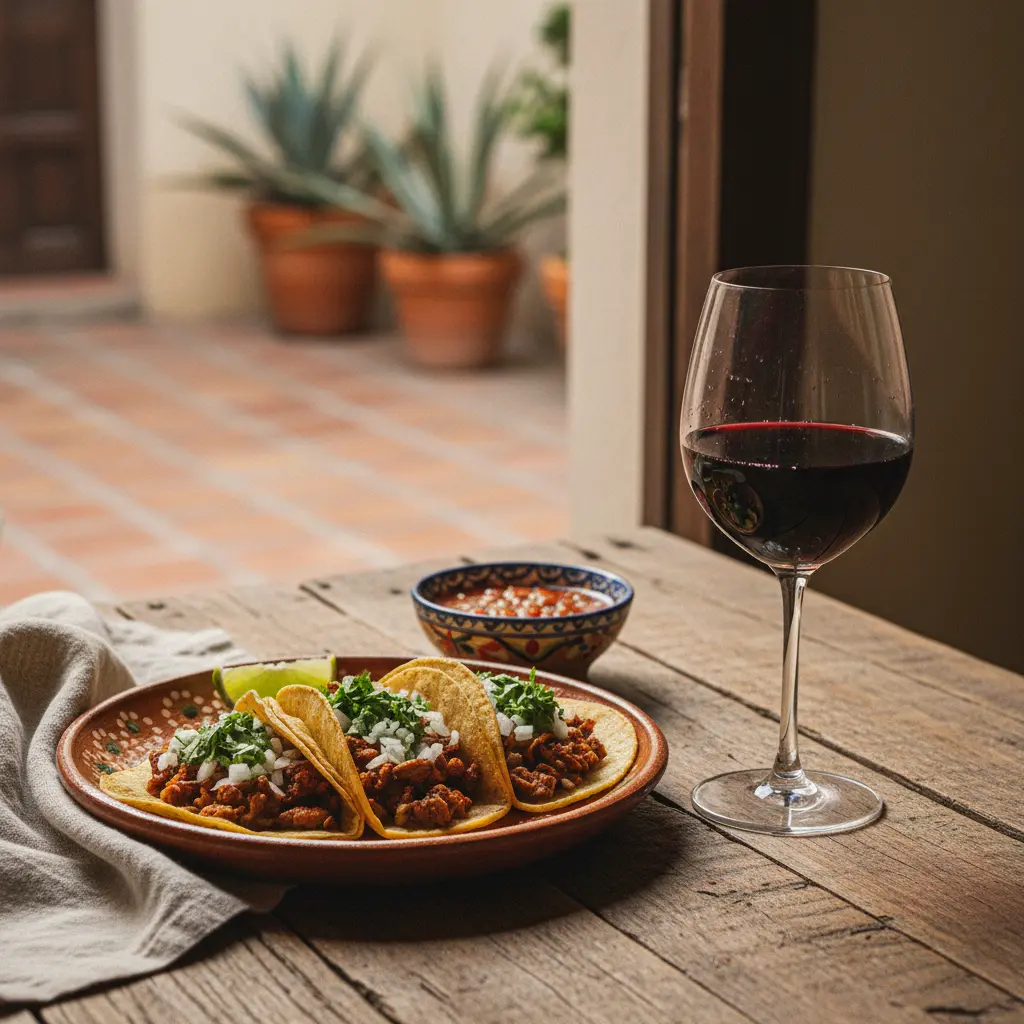
Soft-shelled tacos with grilled meats or savory fillings pair wonderfully with a medium-bodied Mexican Tempranillo. The wine's red fruit and subtle spice notes complement the savory elements of the taco without overpowering them. For fish tacos, a crisp Sauvignon Blanc is an excellent alternative.
Mole and Nebbiolo
Complex and richly flavored moles, particularly those with chocolate and chile undertones, find their match in a structured Mexican Nebbiolo. The wine's tannins and dark fruit character can stand up to the intensity of the mole, creating a sophisticated pairing. Alternatively, consider consulting a guide on best starters for wine for inspiration.
Seafood and Chenin Blanc
Fresh seafood, ceviche, and grilled fish dishes are beautifully complemented by a zesty Mexican Chenin Blanc or Chardonnay. The bright acidity and citrus notes of these white wines cut through the richness of seafood, providing a refreshing contrast.
Desserts and Sweet Wines
Sweet Mexican pastries or fruit-based desserts can be paired with late-harvest Chenin Blanc or even a light sparkling wine. The sweetness and acidity of these wines balance the dessert, providing a delightful end to a meal.
Planning a Wine Trip to Mexico: What to Expect?
A wine trip to Mexico, especially to Valle de Guadalupe, offers a unique blend of world-class wineries, gourmet dining, and stunning natural beauty. Expect a vibrant, welcoming atmosphere with diverse experiences for every wine enthusiast.
Best Time to Visit
The ideal time to visit Mexico's wine regions is during the harvest season, typically August to October, when the vineyards are bustling with activity and festivals. Spring (April-June) also offers pleasant weather for touring, avoiding the peak summer heat and winter chill.
Transportation and Accommodations
Visitors to Valle de Guadalupe often fly into Tijuana and drive south, or take organized tours from San Diego, CA. Accommodations range from luxurious boutique hotels and eco-resorts within vineyards to charming bed-and-breakfasts, many offering stunning views and farm-to-table dining.
Winery Tours and Tastings
Most wineries in Mexico offer guided tours and tasting experiences, often requiring advance reservations, especially on weekends. Expect personalized tours, opportunities to meet winemakers, and tastings that showcase the unique expressions of Mexican terroir. Many also feature on-site restaurants serving gourmet cuisine.
Beyond the Vineyards
Beyond wine tasting, Mexico's wine regions offer culinary experiences, art galleries, and outdoor activities like hiking and horseback riding. In Baja California, the coastal towns of Ensenada and Puerto Nuevo offer fresh seafood and a taste of local culture, making for a well-rounded travel itinerary.
Mexican Wine Regions at a Glance
Here's a quick overview of Mexico's three most prominent wine-producing regions:
| Region | Primary Climate | Key Grape Varieties | Typical Wine Style |
|---|---|---|---|
| Baja California (Valle de Guadalupe) | Mediterranean, Coastal Influence | Cabernet Sauvignon, Nebbiolo, Tempranillo, Chardonnay, Chenin Blanc | Bold Reds, Complex Blends, Crisp Whites |
| Querétaro | High-Altitude Semi-Arid, Cooler Nights | Macabeo, Chardonnay, Pinot Noir, Sauvignon Blanc, Cabernet Sauvignon | Sparkling Wines, Aromatic Whites, Lighter Reds |
| Coahuila (Parras Valley) | Arid Desert, High Elevation | Cabernet Sauvignon, Merlot, Shiraz, Tempranillo | Robust Reds, Full-Bodied, Some Whites |
How to Choose and Buy Mexican Wine?
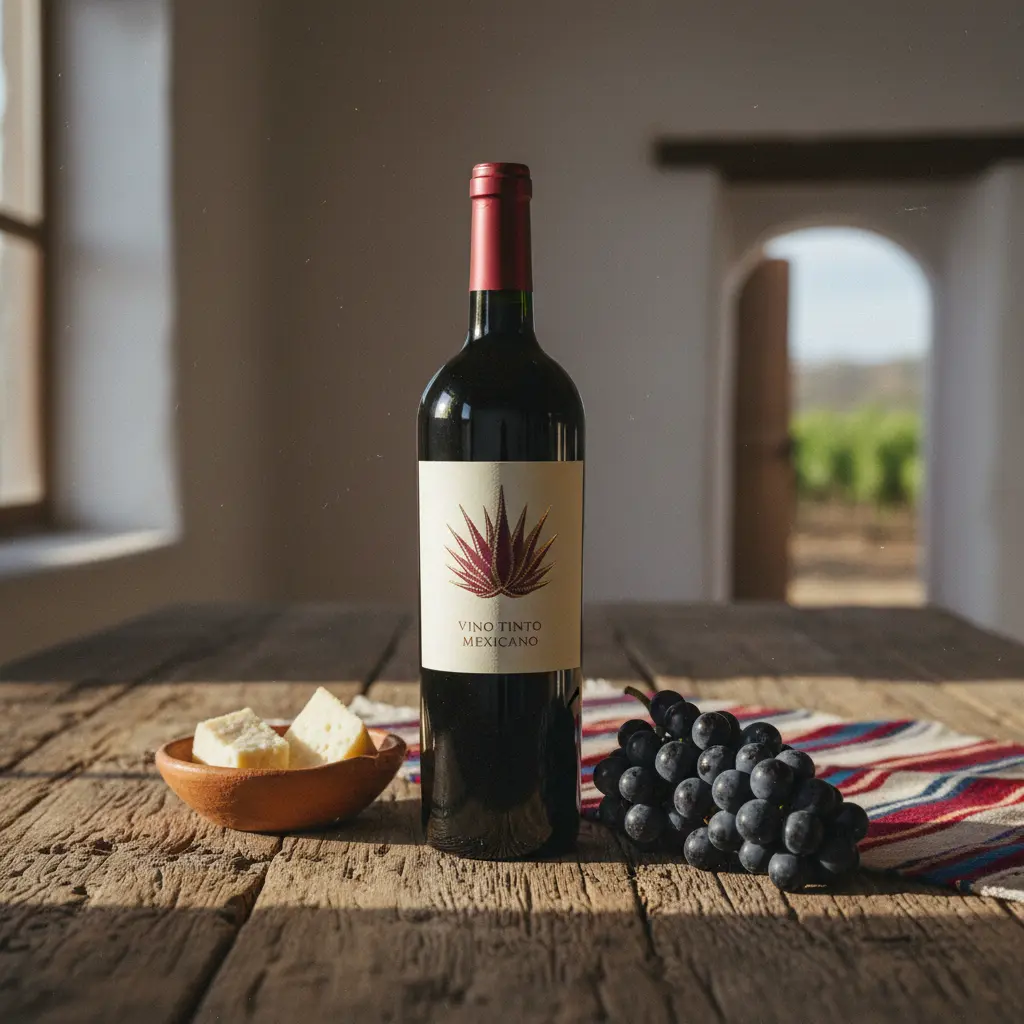
Choosing and buying Mexican wine involves understanding regional specialties, producer reputations, and personal taste preferences. Look for reputable producers and don't hesitate to try different varietals to discover your favorites.
Understand Regional Specialties
Focus on Baja California for robust reds and complex blends, Querétaro for sparkling wines, and Coahuila for traditional, structured reds. Each region offers unique expressions that cater to different palates and pairing opportunities. Look for specific vineyards within these regions that align with your preferred styles.
Look for Reputable Producers
Opt for wines from well-known producers like Casa Madero, L.A. Cetto, and Monte Xanic, which consistently deliver quality. Also, explore offerings from smaller, award-winning boutique wineries, as they often produce highly distinctive and unique wines, though these might be harder to find outside of Mexico.
Consider Vintage and Price Point
While Mexican wines are generally approachable in price, premium selections can command higher values, especially for aged reds and limited releases. Check vintages, as quality can vary with climatic conditions, though most Mexican wines are crafted for enjoyment in their youth or within a few years of release.
Step-by-Step Guide to Planning a Mexican Wine Country Visit
Planning a visit to Mexico's wine country, particularly the popular Valle de Guadalupe, involves a few key steps to ensure a smooth and enjoyable experience. Follow this guide for a memorable wine adventure.
- Step 1: Choose Your Region and Time. Decide which wine region you want to explore, with Baja California (Valle de Guadalupe) being the most popular choice, and select a visit date during the spring or harvest season (August-October) for optimal weather and activity.
- Step 2: Arrange Transportation. Book your flights to Tijuana International Airport (TIJ) and plan for ground transportation, which often involves renting a car or hiring a private driver for tours within the valley. Consider tour companies that offer pick-up from San Diego, CA, for convenience.
- Step 3: Book Accommodations. Secure your lodging well in advance, especially during peak season, as boutique hotels and haciendas within Valle de Guadalupe fill up quickly. Research options that offer vineyard views, on-site dining, and easy access to wineries.
- Step 4: Research Wineries and Make Reservations. Identify the wineries you wish to visit, balancing major producers with smaller, artisanal operations, and make tasting and tour reservations ahead of time. Many popular wineries require appointments, particularly for groups.
- Step 5: Plan Your Culinary Journey. Integrate gourmet dining experiences into your itinerary, as Valle de Guadalupe is also a renowned culinary destination, famous for its farm-to-table restaurants and Baja Med cuisine. Make dinner reservations for popular establishments.
- Step 6: Prepare for Exploration. Pack comfortable shoes, sun protection, and a camera. Learn some basic Spanish phrases, though English is widely spoken in tourist areas. Be ready to discover beautiful landscapes, delicious food, and exceptional wines.