Greek wine is primarily known for its rich history, unique indigenous grape varieties, and diverse terroir, producing a wide range of styles from crisp whites to bold reds and sweet dessert wines. This ancient winemaking tradition, continually evolving, offers distinct flavors that stand apart in the global wine landscape.
What are the Major Wine Regions of Greece in 2026?
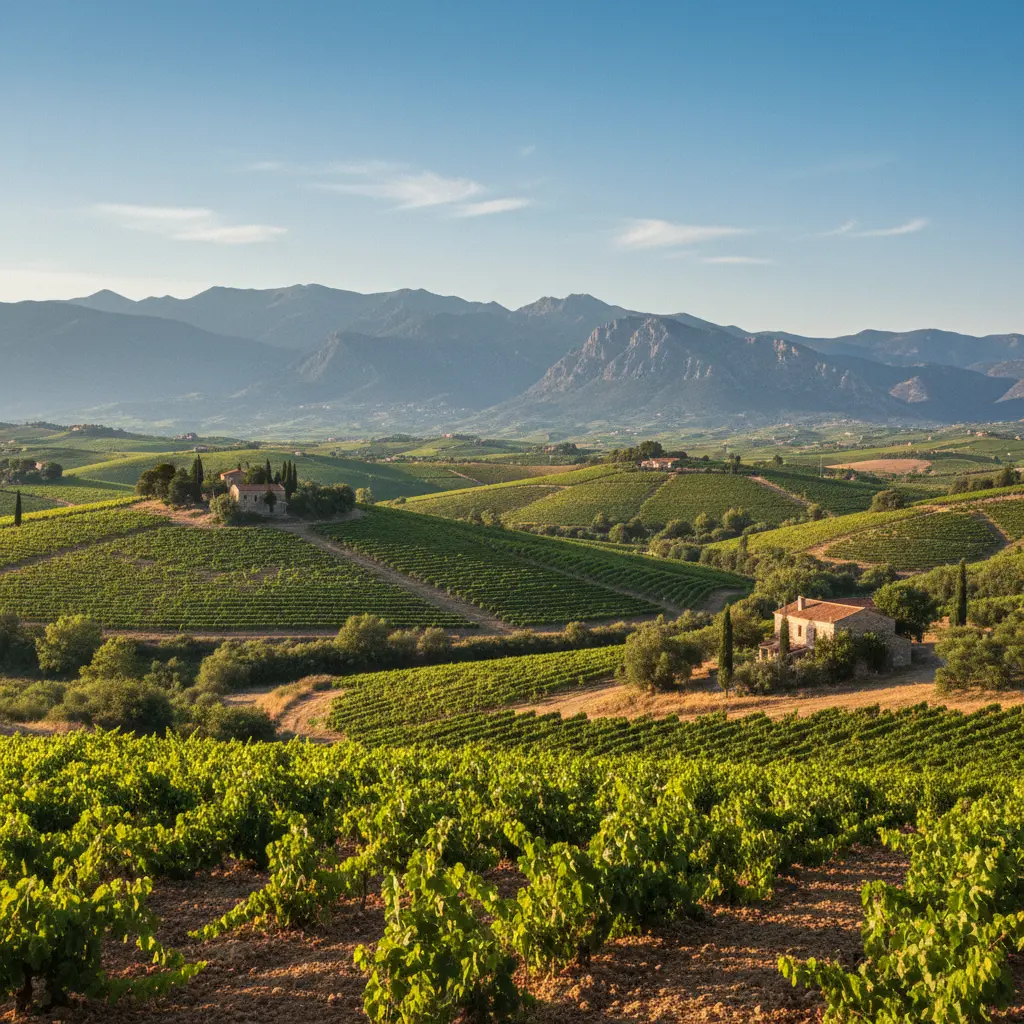
Greece's major wine regions, spanning its mainland and islands, are characterized by distinct microclimates and traditional grape cultivation. These regions offer a spectrum of unique wines reflecting their specific geographic and historical influences.
Northern Greece: Macedonia and Thrace
Northern Greece, including Macedonia and Thrace, is known for its cooler climate, allowing for the cultivation of both international and indigenous varietals. Xinomavro, especially from Naoussa and Amyndeon, thrives here, producing age-worthy reds with high acidity and tannins. This region is considered a prime area for structured, complex wines.
Central Greece: Thessaly and Epirus
Thessaly and Epirus in Central Greece feature mountainous terrain and diverse soils, contributing to wines with character and freshness. While smaller in production, these areas are gaining recognition for quality wines, often from local grape varieties like Limniona and Vlahiko. Visitors can explore emerging boutique wineries here.
Peloponnese: Nemea and Mantinia
The Peloponnese peninsula is a powerhouse of Greek winemaking, home to iconic regions like Nemea and Mantinia. Nemea is synonymous with Agiorgitiko, producing vibrant reds from easy-drinking to profound, cellar-worthy examples. Mantinia specializes in Moschofilero, yielding aromatic, floral white wines, often with a hint of spice. For those interested in Mediterranean wine regions, the Peloponnese offers comparable depth and heritage.
Which Indigenous Greek Grape Varieties Should I Try?
Greek winemaking boasts over 200 indigenous grape varieties, offering a diverse array of flavors and styles not found elsewhere. Focusing on a few key grapes provides an excellent starting point for exploring this unique viticultural landscape.
Assyrtiko: The Santorini Star
Assyrtiko is a highly esteemed white grape, most famously cultivated on the volcanic island of Santorini. It produces intensely mineral-driven wines with high acidity, citrus notes, and a saline finish, often capable of significant aging. Its ability to retain acidity even in hot climates makes it exceptional.
Xinomavro: The Noble Red of Northern Greece
Xinomavro is a challenging yet rewarding red grape, often compared to Nebbiolo due to its high tannins, acidity, and aromatic complexity. Wines from Xinomavro, primarily from Naoussa and Amyndeon, offer red fruit, tomato leaf, olive, and floral notes, developing greater complexity with age. This is a grape that truly benefits from proper aging.
Agiorgitiko: The Versatile Red of Nemea
Agiorgitiko, or St. George's grape, is the signature red grape of Nemea in the Peloponnese, known for its versatility. It can produce everything from light, fruity rosé wines to rich, deep ruby-colored reds with soft tannins and red fruit flavors, often with hints of spice. It's an approachable yet complex varietal.
Moschofilero: The Aromatic White of Mantinia
Moschofilero is an aromatic white grape primarily grown in Mantinia, producing highly fragrant wines with distinctive floral aromas (rose, jasmine) and citrus notes. These wines are typically crisp, light-bodied, and refreshing, perfect as an aperitif or paired with delicate dishes.
How Does Greek Wine Culture Differ?
Greek wine culture is deeply interwoven with its history, hospitality, and culinary traditions, emphasizing conviviality and a connection to the land. It differs from other major wine cultures in its strong emphasis on indigenous grapes and the direct link between winemaking and local cuisine.
- Historical Roots: Winemaking in Greece dates back over 6,500 years, making it one of the oldest wine-producing regions globally. This ancient heritage influences modern practices.
- Indigenous Focus: Unlike many New World regions, Greek winemakers prioritize showcasing their unique native grapes over international varietals, creating distinct flavor profiles.
- Local Pairing Philosophy: Greek wines are inherently designed to complement local cuisine, often with high acidity to cut through rich flavors and herbal notes that echo Mediterranean herbs.
- Family Wineries: Many Greek wineries are family-owned and operated, maintaining traditional techniques alongside modern innovations, contributing to a strong sense of place.
- Oenotourism Growth: Greece has seen significant growth in wine tourism, with visitors keen to explore vineyards, taste local wines, and experience the warm Greek hospitality firsthand, similar to the growing wine tourism in Italy.
What are the Best Food Pairings for Greek Wines?
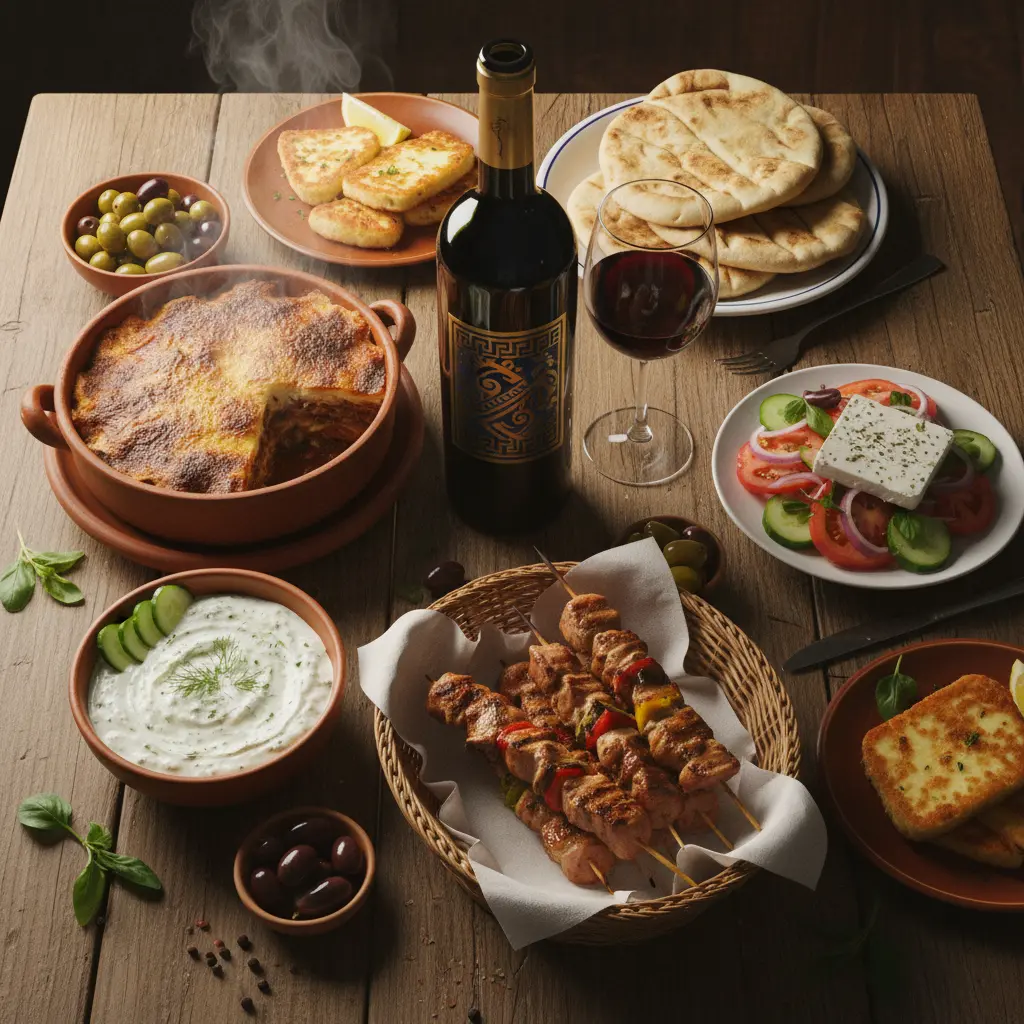
The best food pairings for Greek wines naturally gravitate towards the vibrant and fresh flavors of Mediterranean cuisine. The acidity and character of Greek wines make them incredibly versatile with a range of dishes.
Assyrtiko Pairings
Assyrtiko's high acidity and minerality make it an ideal partner for seafood, grilled fish, oysters, and fresh salads. It also beautifully complements salty cheeses like Feta and dishes with capers or lemon, enhancing the bright flavors without overpowering them. Consider it an excellent choice for light appetizers.
Xinomavro Pairings
Xinomavro, with its robust tannins and savory notes, pairs wonderfully with red meats, game, rich stews, and tomato-based dishes. Its acidity can cut through fatty meats, while its earthy undertones complement lamb, moussaka, and aged hard cheeses.
Agiorgitiko Pairings
Agiorgitiko's softer tannins and fruity profile make it exceptionally versatile, pairing well with roasted chicken, pork, pasta with red sauces, and various mezedes (small plates). Younger, fruitier expressions are great with grilled vegetables, while more aged versions can stand up to hearty meat dishes.
Where Can I Find Top Greek Wine Producers?
Top Greek wine producers are found across the country, from historic estates to innovative modern wineries, each contributing to Greece's growing reputation for quality. Visiting these producers offers insight into the unique terroir and winemaking philosophy.
Santorini: Boutari, Gaia Wines, Sigalas
Santorini is home to renowned producers like Boutari, Gaia Wines, and Sigalas, all celebrated for their exceptional Assyrtiko wines. These wineries combine volcanic soil, ancient viticultural practices (like the kouloura basket training), and modern techniques to craft their distinctive wines. Exploring these estates provides a deep dive into the island's unique viticulture.
Nemea: Palivou Estate, Gaia Wines (Nemea), Skouras
In Nemea, producers such as Palivou Estate, Gaia Wines (with their Nemea operations), and Domaine Skouras are leading the way with Agiorgitiko. They showcase the grape's diverse expressions, from fresh and fruity to complex, barrel-aged versions. Their commitment to quality has elevated Nemea's status significantly.
Naoussa: Kir-Yianni, Boutari (Naoussa)
Naoussa is dominated by Xinomavro, with producers like Kir-Yianni and Boutari (also with a presence here) being key players. These wineries are known for their structured, age-worthy red wines that truly express the power and elegance of Xinomavro. Their cellars are a testament to the aging potential of these Greek treasures, as outlined in our guide to wines with longevity.
Is Greek Wine Good?
Yes, Greek wine is not only good but exceptional, offering a unique and compelling experience for wine enthusiasts. Its distinct indigenous grapes, ancient winemaking heritage, and diverse terroirs contribute to a wide range of high-quality, characterful wines.
"Greek wines are a treasure trove for those seeking authenticity and distinctiveness. The marriage of ancient traditions with modern winemaking reveals a dynamic wine landscape poised for global recognition." - Wine Expert Review, 2026
A Unique Terroir
Greece's varied landscape, from volcanic islands to mountainous mainland regions, creates unique terroirs that impart distinct characteristics to its wines. The specific soil compositions, altitudes, and microclimates are integral to the identity of Greek wines, resulting in flavors that cannot be replicated elsewhere.
Historical Significance and Innovation
With thousands of years of winemaking history, Greece has continuously adapted and innovated, blending ancient viticultural wisdom with modern techniques. This blend allows producers to craft wines that respect tradition while meeting contemporary quality standards. Learning more about this journey is part of mastering the wine journey.
How to Choose a Quality Greek Wine?
Choosing a quality Greek wine involves understanding key regions, grape varieties, and producer reputations, as well as paying attention to appellations of origin. Looking for Protected Designation of Origin (PDO) or Protected Geographical Indication (PGI) labels is a good starting point.
Understanding PDO and PGI
PDO (Protected Designation of Origin) indicates that a wine's quality, characteristics, and production are intrinsically linked to a specific geographical area, much like DOC in Italy or AOC in France. PGI (Protected Geographical Indication) refers to wines that have a specific quality, reputation, or other characteristics attributable to that geographical origin, and at least 85% of the grapes used come from that area.
Consulting Reputable Sources
To confidently choose quality Greek wines, consult reputable wine critics, specialized wine guides, and sommeliers familiar with Greek viticulture. Online wine communities and expert blogs also provide valuable insights into highly rated producers and vintages, offering a broader global perspective on grape quality.
Planning a Wine Trip to Greece?
Planning a wine trip to Greece offers an immersive experience into its rich wine culture, picturesque vineyards, and delectable cuisine. Strategic planning ensures a memorable and educational journey through the country's diverse wine regions.
Best Times to Visit
The best times to visit Greek wine regions are typically spring (April-May) and autumn (September-October) for pleasant weather and harvest activities. Spring offers blooming vineyards and milder temperatures, while autumn allows visitors to experience the excitement of the grape harvest and vibrant fall colors.
Logistics and Accommodation
Logistics for a Greek wine trip should include planning transportation between regions, booking winery tours in advance, and securing accommodation. Consider renting a car for flexibility, especially in mainland regions. Many wineries offer organized tastings and tours, and boutique hotels or traditional guesthouses can enhance the local experience.

Comparative Table of Key Greek Wine Regions and Grapes
This table provides a quick reference for understanding the primary regions and associated grape varieties that define Greek wine.
| Region | Key Grape Varieties | Typical Wine Style | Food Pairing Notes |
|---|---|---|---|
| Santorini (Aegean Islands) | Assyrtiko, Athiri, Aidani | Crisp, mineral white; dry, saline | Seafood, grilled fish, fresh salads |
| Nemea (Peloponnese) | Agiorgitiko | Medium to full-bodied red; fruity, spicy | Roasted meats, pasta with red sauce |
| Mantinia (Peloponnese) | Moschofilero | Aromatic, floral white; crisp, light | Aperitifs, light poultry, goat cheese |
| Naoussa (Macedonia) | Xinomavro | Full-bodied red; high tannin/acidity, savory | Lamb, game, rich stews, moussaka |
| Amyndeon (Macedonia) | Xinomavro | Elegant red, often sparkling rosé | Mushroom dishes, charcuterie |
What is the History of Winemaking in Greece?
The history of winemaking in Greece dates back to Neolithic times, making it one of the oldest wine-producing cultures in the world, deeply intertwined with its mythology and societal development. The ancient Greeks not only cultivated vines but also spread viticulture across the Mediterranean.
Ancient Origins and Mythology
Winemaking in Greece began around 6,500 years ago, with archaeological evidence pointing to systematic cultivation. Dionysus, the god of wine, was central to Greek mythology and culture, reflecting the beverage's importance in religious ceremonies, social gatherings, and daily life. The Greeks also introduced grapevines to early Spanish wine regions and beyond.
Byzantine and Ottoman Periods
During the Byzantine Empire, winemaking continued to flourish, often supported by monasteries. However, the subsequent Ottoman rule (15th-19th centuries) led to a decline in wine production due to Islamic proscriptions on alcohol. Despite this, some regions maintained their traditions, often producing wine for local consumption or Christian communities.
Modern Revival
The 20th century, particularly after the mid-1970s, saw a significant revival of Greek winemaking. Modern producers focused on quality over quantity, investing in new technologies, re-discovering indigenous grapes, and emphasizing regional identity, leading to the high-quality wines we enjoy today.