Germany's wine landscape offers a remarkably diverse range of styles, regions, and grape varieties that extend far beyond its iconic sweet wines. From the dramatic, slate-rich slopes of the Mosel to the warmer, Burgundy-like climate of Baden, German wines consistently deliver quality, precision, and food-pairing versatility that make them a favorite among connoisseurs and newcomers alike.
Understanding German Wine's Unique Identity
German wine distinguishes itself through its predominant focus on cool-climate viticulture, producing wines with high natural acidity, remarkable purity of fruit, and often a delicate balance of sweetness and acidity. German wine distinguishes itself through its predominant focus on cool-climate viticulture, producing wines with high natural acidity, remarkable purity of fruit, and often a delicate balance of sweetness and acidity. This distinct character is shaped by its northern latitude, varied soils, and the careful cultivation of specific grape varieties adapted to these conditions. Terroir plays a pivotal role, with distinct geological features, from Mosel's fractured slate to Franken's ancient limestone, imparting specific mineral notes and aromatic profiles that make each region's wines identifiable. This emphasis on natural acidity provides a refreshing backbone to both dry and sweet wines, ensuring a harmonious interplay with fruit flavors. This inherent brightness is a hallmark of cool-climate winemaking and contributes significantly to the wines' age-worthiness and broad appeal at the dining table.
Exploring Germany's Diverse Wine Regions
Germany encompasses 13 official wine regions, each possessing unique characteristics and dominant grape varieties, creating a broad spectrum of wine styles. Germany encompasses 13 official wine regions, each possessing unique characteristics and dominant grape varieties, creating a broad spectrum of wine styles. The most prominent regions-Mosel, Rheingau, Pfalz, and Baden-collectively showcase the breadth of German winemaking, offering wines from intensely mineral to richly bodied. These regions are defined by their distinct climates, geological formations, and the varietal selections that thrive within their borders, providing a fascinating journey for any wine enthusiast. Understanding these regional differences is key to appreciating the full scope of German wines.
Mosel: Steep Slopes and Slate
The Mosel region is world-renowned for its terraced vineyards on incredibly steep, slate-rich slopes. The Mosel region is world-renowned for its terraced vineyards on incredibly steep, slate-rich slopes. These slopes efficiently reflect sunlight onto the vines and retain heat, producing elegant, mineral-driven Rieslings. These wines are celebrated for their vibrant acidity, floral aromas, and delicate fruit flavors, often developing a complex petrol note as they age. Mosel Rieslings often have lower alcohol content, making them particularly refreshing. Producers like Egon Müller exemplify the region's ability to craft some of the world's most exquisite and long-lived sweet wines from these challenging vineyards.
Rheingau: Elegance and Tradition
The Rheingau is a prestigious region famous for its structured, often dry Rieslings and high-quality Spätburgunder. The Rheingau is a prestigious region famous for its structured, often dry Rieslings and high-quality Spätburgunder. Benefiting from south-facing slopes along the Rhine River, this area maintains traditional winemaking practices, producing wines of remarkable elegance, complexity, and excellent aging potential. Many consider its dry Rieslings to be a benchmark for the grape globally. Weingut Robert Weil, for instance, is a top Rheingau estate known for its powerful, elegant Rieslings that can age gracefully for decades, showcasing the precision and intensity the region offers. Explore other classic wine landscapes in Italy's Premier Wine Regions.
Pfalz and Baden: Contrasting Warmth
Pfalz, Germany's second-largest wine region, boasts a warmer, sunnier climate that allows for a broader range of grape varieties, yielding fuller-bodied and often dry wines. Pfalz, Germany's second-largest wine region, boasts a warmer, sunnier climate that allows for a broader range of grape varieties, yielding fuller-bodied and often dry wines. While Riesling thrives here, Pfalz also excels in producing excellent Pinot Noir (Spätburgunder), Pinot Gris (Grauburgunder), and Pinot Blanc (Weissburgunder), showcasing a broader stylistic range. Baden, Germany's warmest and southernmost wine region, extends along the Rhine River and is notable for its excellent Spätburgunder, Grauburgunder, and Weissburgunder. Its climate is more akin to Burgundy, resulting in wines that are generally richer, riper, and fuller-bodied than those from cooler German regions. Producers like Dr. Bürklin-Wolf in Pfalz champion biodynamic viticulture, crafting some of Germany's finest dry Rieslings, often labeled as Grosse Gewächse.
Key Grape Varieties Shaping German Wine
Riesling is undoubtedly the most important grape in Germany, but Spätburgunder (Pinot Noir), Grauburgunder (Pinot Gris), and Weissburgunder (Pinot Blanc) also play crucial roles in defining the country's diverse wine por Riesling is undoubtedly the most important grape in Germany, but Spätburgunder (Pinot Noir), Grauburgunder (Pinot Gris), and Weissburgunder (Pinot Blanc) also play crucial roles in defining the country's diverse wine portfolio. These varietals thrive across Germany's varied climates and soils, producing distinct, high-quality wines that offer a wide range of flavors and textures. The success of these grapes highlights Germany's adaptability as a wine-producing nation, moving beyond a single varietal focus to embrace a wider spectrum of styles.
Riesling: Germany's Signature Grape
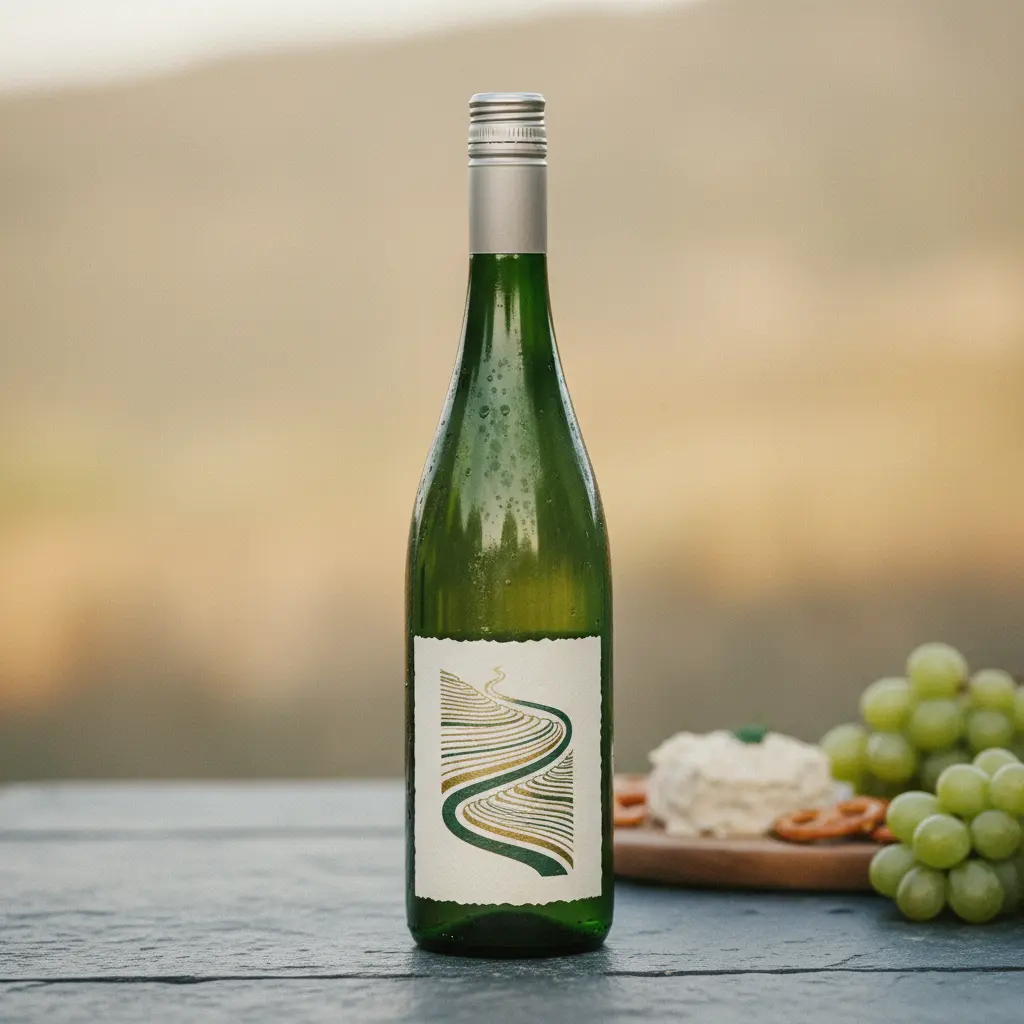
Riesling is Germany's most planted and celebrated grape, producing wines that span from bone-dry (Trocken) to lusciously sweet, all marked by piercing acidity and aromatic complexity. Riesling is Germany's most planted and celebrated grape, producing wines that span from bone-dry (Trocken) to lusciously sweet, all marked by piercing acidity and aromatic complexity. Its adaptability allows for expressions of pure fruit, intricate minerality, and remarkable longevity, making it a favorite globally. A well-aged German Riesling can be an unforgettable experience, showcasing how the grape evolves over decades, often developing notes of honey, toast, and a distinctive petrol aroma. Whether paired with delicate seafood or fiery Asian cuisine, Riesling's versatility remains unmatched. Discover more about varietal characteristics with our Global Grape Map.
Beyond Riesling: Pinot Varieties and Silvaner
Spätburgunder, the German name for Pinot Noir, has undergone a significant quality revolution in recent decades, now producing world-class red wines that rival those from Burgundy. Spätburgunder, the German name for Pinot Noir, has undergone a significant quality revolution in recent decades, now producing world-class red wines that rival those from Burgundy. These wines are typically light to medium-bodied with bright red fruit aromas, fine tannins, and a characteristic earthy complexity, particularly from regions like Baden and Ahr. Grauburgunder (Pinot Gris) and Weissburgunder (Pinot Blanc) are increasingly important white grape varieties, yielding dry, medium-bodied wines with notes of apple, pear, and sometimes a hint of nuttiness. These wines offer a richer texture than many Rieslings, excelling in warmer regions such as Baden and Pfalz. Franken distinguishes itself with its signature Silvaner grape, which yields earthy, savory dry white wines, often bottled in the traditional Bocksbeutel shape.
Deciphering German Wine Classifications
German wine classification primarily focuses on the ripeness of grapes at harvest, which often correlates with potential alcohol and, historically, sweetness levels. German wine classification primarily focuses on the ripeness of grapes at harvest, which often correlates with potential alcohol and, historically, sweetness levels. This system emphasizes natural quality and the purity of the fruit, rather than vineyard location alone. While this can seem complex, it ultimately helps consumers understand the style and potential of the wine in the bottle. The most comprehensive system is the Prädikatswein scale, which categorizes wines based on must weight (sugar content of the grape juice before fermentation), ensuring a high standard of natural ripeness without chaptalization.
Prädikatswein: The Quality Pyramid
Prädikatswein represents Germany's highest quality classification, based on the sugar content of the grapes at harvest. Prädikatswein represents Germany's highest quality classification, based on the sugar content of the grapes at harvest. Wines in these categories must be made from naturally ripe grapes without chaptalization (sugar addition), showcasing the purity of the fruit. The categories reflect increasing ripeness and potential sweetness:
- Kabinett: The lightest style, often off-dry, made from fully ripened grapes with delicate fruit and refreshing acidity.
- Spätlese: "Late harvest" wines, richer and more intense than Kabinett, capable of being either dry (Trocken) or sweet, offering more concentrated flavors.
- Auslese: "Selected harvest" from very ripe, carefully selected bunches. These wines are richer still, often sweet, and display more concentrated flavors.
- Beerenauslese (BA): "Berry selection" from individually selected, overripe berries, frequently affected by noble rot. These are intensely sweet and concentrated dessert wines.
- Trockenbeerenauslese (TBA): "Dry berry selection" from shriveled, noble rot-affected berries, representing the rarest and most concentrated, intensely sweet wines.
- Eiswein: "Ice wine" made from grapes frozen on the vine, offering concentrated sweetness balanced by searing high acidity.
VDP and Everyday German Wines
The VDP (Verband Deutscher Prädikatsweingüter) classification system, a self-imposed quality standard by Germany's elite producers, highlights top vineyard sites with categories like Erste Lage (First Growth) and Grosse The VDP (Verband Deutscher Prädikatsweingüter) classification system, a self-imposed quality standard by Germany's elite producers, highlights top vineyard sites with categories like Erste Lage (First Growth) and Grosse Lage (Grand Cru). Grosse Lage wines represent the pinnacle of German dry wines, often labeled as "Grosses Gewächs" (GG), signifying a dry wine from a top-tier vineyard with strict yield and winemaking standards. These classifications help consumers identify wines of exceptional quality and terroir expression, especially for dry styles. Below these premium classifications, Qualiätswein represents a broad category of quality wines from one of the 13 specified regions, while Landwein (country wine) is a more basic regional wine. Qualiätswein forms the bulk of everyday quality German wine, often dry or off-dry, meeting specific analytical and sensory standards. For more on selecting quality wines, refer to our Aged Like Fine Wine Guide.
Leading German Wineries to Discover
Germany is home to numerous esteemed wine producers who consistently craft exceptional wines, reflecting the diversity and quality of their respective regions. Germany is home to numerous esteemed wine producers who consistently craft exceptional wines, reflecting the diversity and quality of their respective regions. These estates are often family-owned, with centuries of winemaking tradition passed down through generations, embodying a deep connection to their land. Exploring their offerings provides a direct insight into the various terroirs and winemaking philosophies that define German wine today. From historic names synonymous with sweet Riesling to modern innovators pushing the boundaries of dry styles, these producers exemplify the best of Germany.
Iconic Mosel & Rheingau Estates
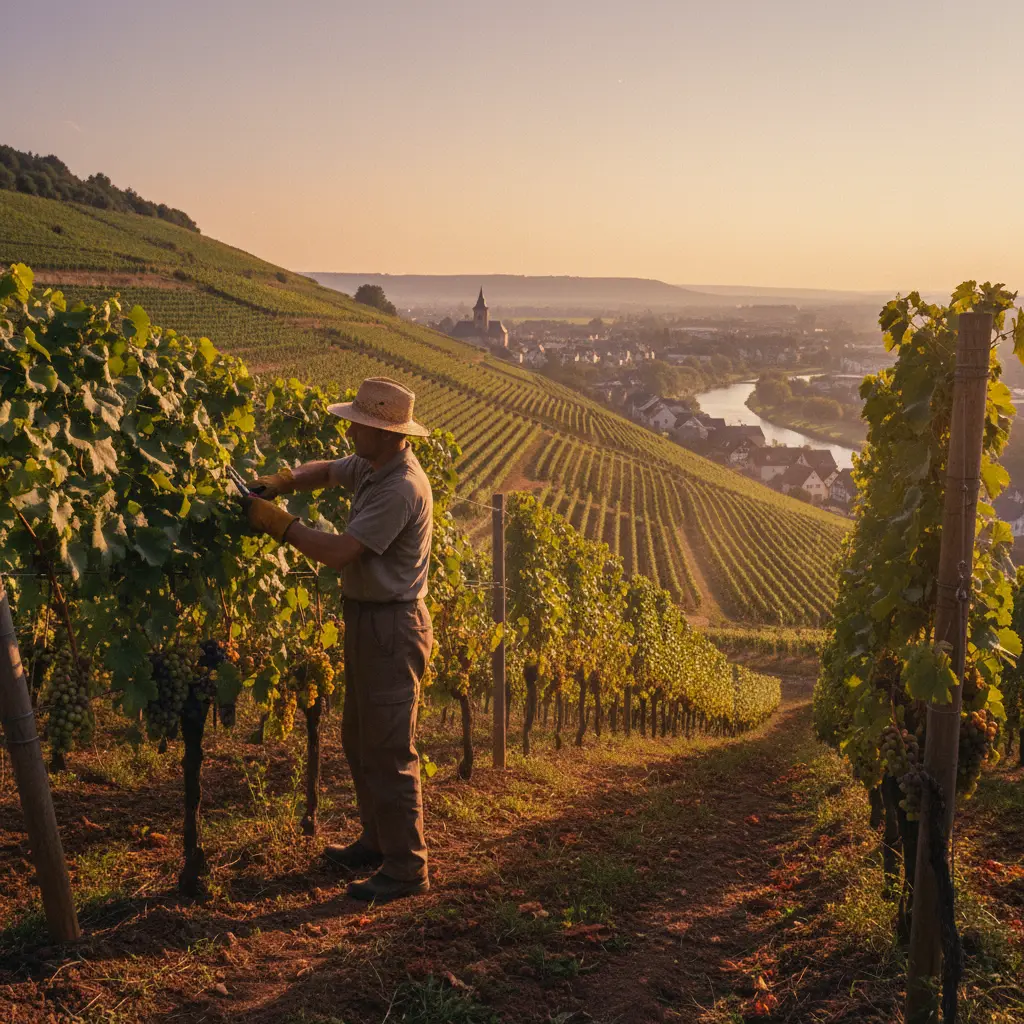
Egon Müller is widely regarded as one of the world's finest producers of Riesling, celebrated for exquisite, long-lived sweet wines from the iconic Scharzhofberger vineyard in the Mosel. Egon Müller is widely regarded as one of the world's finest producers of Riesling, celebrated for exquisite, long-lived sweet wines from the iconic Scharzhofberger vineyard in the Mosel. Their wines are highly sought after for their purity, complexity, and incredible ability to age for decades. In the Rheingau, Weingut Robert Weil stands out for its powerful, elegant, and often dry Rieslings, alongside world-class sweet wines. Their wines are recognized for their precision, intensity, and capacity to age gracefully, setting a high standard for the region. These estates demonstrate the profound influence of specific vineyards and meticulous winemaking on final wine quality.
Pfalz & Rheinhessen's Modern Leaders
Dr. Dr. Bürklin-Wolf is a leading Pfalz producer committed to biodynamic viticulture, crafting some of Germany's finest dry Rieslings, many labeled as Grosse Gewächse. They prioritize terroir expression and natural winemaking, resulting in wines of significant depth and character. In Rheinhessen, Kühling-Gillot is a prominent estate recognized for its innovative approach and exceptional dry Rieslings and Spätburgunder from top vineyard sites. They focus on expressing the unique loess and red slate soils of their vineyards through meticulous organic and biodynamic practices, contributing to Rheinhessen's rising reputation for quality and modern excellence. For further exploration of top wine regions, consider our guide to Spanish Wine Regions.
Pairing German Wines with Food: Practical Scenarios
German wines are remarkably food-friendly due to their natural acidity and wide range of styles, making them versatile companions for various cuisines, from traditional German fare to complex Asian dishes. German wines are remarkably food-friendly due to their natural acidity and wide range of styles, making them versatile companions for various cuisines, from traditional German fare to complex Asian dishes. Their balance of fruit and acidity allows them to complement both rich and delicate flavors without overpowering them. Understanding the nuances between dry, off-dry, and sweet German wines opens up a world of pairing possibilities, transforming everyday meals and special occasions alike. Here are some practical scenarios to guide your selections:
- Roast Chicken Dinner: A dry Riesling from Pfalz or Rheingau provides crisp acidity to cut through the richness of the chicken, enhancing its savory notes and offering a refreshing contrast. A lighter Spätburgunder is an alternative for those preferring red. Avoid heavy, tannic red wines that can clash with the delicate poultry flavors.
- Spicy Asian Stir-fry: An off-dry Kabinett Riesling from the Mosel perfectly balances the heat and complex flavors of a Thai or Vietnamese stir-fry. The residual sugar cools the palate, while acidity refreshes it. Steer clear of bone-dry wines, which can amplify the spice, making the food less enjoyable.
- Mixed Cheese Board: For a board featuring both soft, creamy, and hard cheeses, a Spätlese Riesling (either dry or off-dry) offers versatility. The acidity works with creamy textures, and fruit complements milder cheeses. Avoid overly assertive, high-tannin reds unless the board is exclusively hard, aged cheeses like aged Gouda or cheddar.
- Tomato Pasta with Herbs: A dry Weissburgunder (Pinot Blanc) or a light-bodied Spätburgunder can handle the acidity of tomato-based sauces. Weissburgunder's subtle richness complements the sauce without competing, offering a clean, refreshing palate. Heavy, oak-driven wines can overwhelm the fresh herbal notes.
- Grilled Salmon with Dill: A crisp, dry Rheingau Riesling or a refreshing Grauburgunder is an excellent match. Their bright acidity and subtle fruit notes harmonize with the fish's richness and the freshness of dill, providing a clean finish. Do not pair with wines that have high tannins, which can create a metallic taste with fish.
- Pork Schnitzel with Lemon: A crisp, dry Riesling or a Grüner Veltliner-style Silvaner from Franken offers a refreshing counterpoint to the fried pork, with the lemon providing a bridge to the wine's acidity. The wine's brightness cleanses the palate. Avoid overly sweet wines, which would clash with the savory, breaded dish.
"German wine, particularly Riesling, is one of the most intellectually stimulating, gastronomically versatile, and simply delicious beverages on the planet. Its range is unparalleled, from bone-dry to lusciously sweet, always underpinned by an electric acidity." - Jancis Robinson
The Truth About German Wine: Beyond Sweetness
The widespread belief that German wine is exclusively sweet is a significant misconception, as the majority of wines produced in Germany today are, in fact, dry (Trocken) or off-dry. The widespread belief that German wine is exclusively sweet is a significant misconception, as the majority of wines produced in Germany today are, in fact, dry (Trocken) or off-dry. While Germany is famous for its noble sweet wines, the market and production focus have shifted dramatically towards drier styles over recent decades, catering to evolving global palates and showcasing the incredible complexity and terroir expression of German grapes in their unadulterated form. Many top vineyards, particularly those classified as VDP Grosse Lage, produce their most esteemed wines in a completely dry style, known as Grosses Gewächs (GG), reflecting a commitment to intensity and structure.
This perception largely stems from historical export trends and the popularity of inexpensive, sweeter blends like Liebfraumilch in the mid-20th century. These wines, while widely consumed, did not represent the full spectrum or the highest quality of German winemaking, which has always included exceptional dry wines, primarily consumed domestically. Today's German wine landscape is much broader, offering a sophisticated array of dry and off-dry options for every preference, making it an exciting region for discovery. For comprehensive buying advice, see our Mastering the Wine Journey.
Planning Your Journey Through German Wine Country
A German wine tour offers breathtaking landscapes, historic castles, charming villages, and world-class wineries, providing an unforgettable experience for wine enthusiasts. A German wine tour offers breathtaking landscapes, historic castles, charming villages, and world-class wineries, providing an unforgettable experience for wine enthusiasts. Thoughtful planning helps maximize your exploration of its diverse regions. From vineyard hikes to riverside boat tours, each region offers unique cultural and culinary delights alongside its wines. Whether you seek grand estates or intimate family-run cellars, German wine country provides a welcoming and enriching travel destination. Consider a visit to /wine-countries/ for more travel inspiration.
When to Visit and How to Navigate
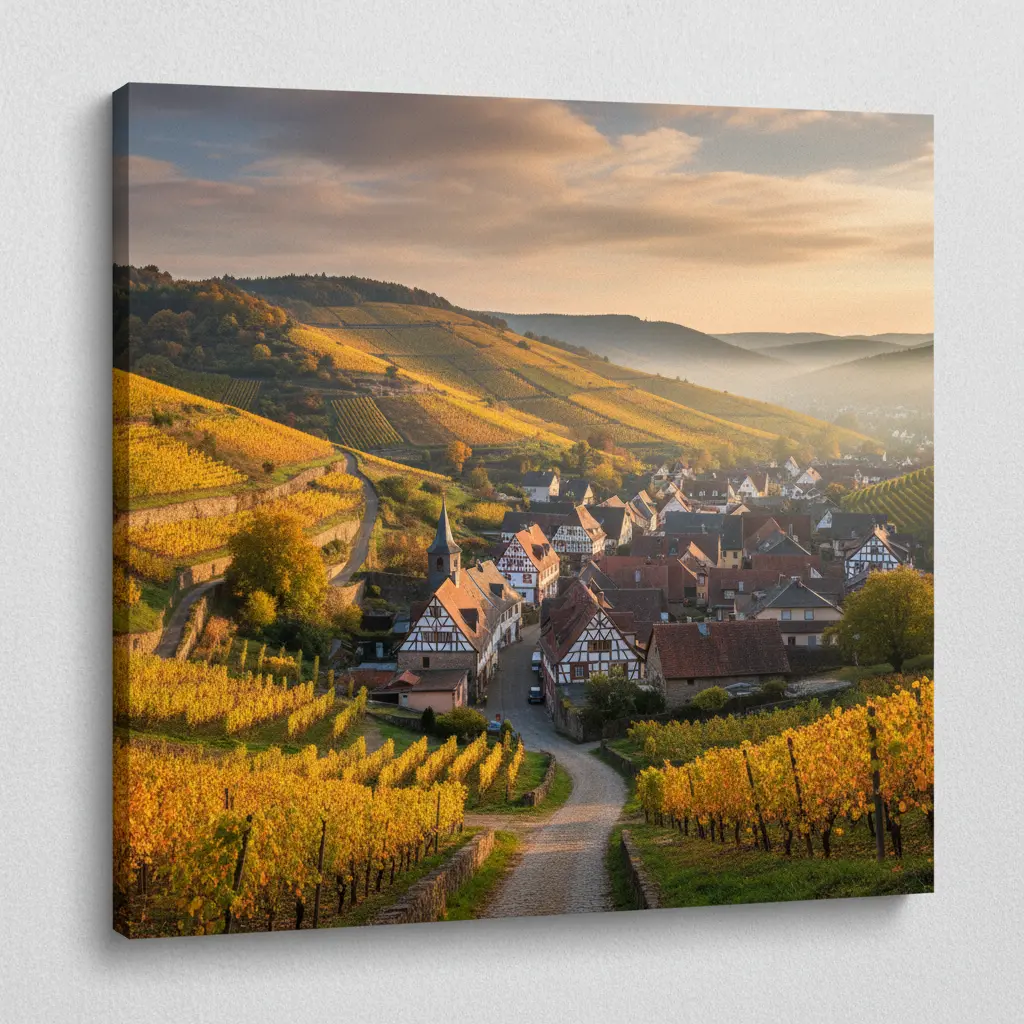
The most agreeable times to visit German wine regions are late spring (May-June) for pleasant weather and blossoming vines, or in autumn (September-October) for the harvest season and vibrant fall foliage. The most agreeable times to visit German wine regions are late spring (May-June) for pleasant weather and blossoming vines, or in autumn (September-October) for the harvest season and vibrant fall foliage. Summer months (July-August) are also popular, offering warmer temperatures ideal for boat tours on the Mosel or Rhine. Each season offers a unique perspective on the viticultural cycle and regional festivities. Renting a car offers the most flexibility for exploring Germany's wine regions, granting access to smaller villages and remote wineries. However, public transport, including trains and regional buses, connects many major towns and some wine villages. Cycling paths along rivers like the Mosel and Rhine provide a picturesque alternative for active travelers who wish to immerse themselves in the scenery and visit local producers at a leisurely pace. For comparison, explore Best Wineries in Italy for another great European wine destination.
Accommodation and Dining in Wine Country
German wine regions offer a range of accommodation options, from charming guesthouses and family-run hotels to luxurious vineyard resorts. German wine regions offer a range of accommodation options, from charming guesthouses and family-run hotels to luxurious vineyard resorts. Many establishments often feature excellent local dining experiences, serving traditional cuisine alongside their regional wines. A unique tradition is the "Strausswirtschaft" or "Besenwirtschaft," temporary taverns run by wineries for a few weeks a year, serving simple, traditional food and their own wines in a casual, convivial atmosphere. These offer an authentic glimpse into local wine culture and hospitality, providing memorable culinary experiences. Discover local pairings with Best Champagne Snacks for another regional experience.
Germany's Wine Regions: A Quick Reference
This table provides a concise overview of Germany's most prominent wine regions and their primary grape varieties, offering a quick reference for exploring the country's viticultural landscape and identifying key charact This table provides a concise overview of Germany's most prominent wine regions and their primary grape varieties, offering a quick reference for exploring the country's viticultural landscape and identifying key characteristics.
| Region | Key Grapes | Dominant Style | Key Characteristics |
|---|---|---|---|
| Mosel | Riesling | Elegant, aromatic, high acidity | Steep slate slopes, floral, mineral notes, light body |
| Rheingau | Riesling, Spätburgunder | Structured, elegant, often dry | South-facing Rhine slopes, classic dry Riesling, long-aging |
| Pfalz | Riesling, Spätburgunder, Grauburgunder | Full-bodied, diverse, often dry | Warmer climate, broad varietal range, Mediterranean influence |
| Baden | Spätburgunder, Grauburgunder, Weissburgunder | Rich, ripe, Burgundy-like | Warmest region, excellent Pinot varieties, volcanic soils |
| Franken | Silvaner, Bacchus, Müller-Thurgau | Earthy, savory, often dry | Limestone soils, Bocksbeutel bottle, distinctive Silvaner |
| Nahe | Riesling | Varied, elegant, mineral | Diverse soils (volcanic, slate, sandstone), complex Rieslings |
| Rheinhessen | Riesling, Müller-Thurgau, Spätburgunder | Fruit-forward, versatile, often dry | Largest region, rolling hills, modern winemaking, red slate |
| Ahr | Spätburgunder | Concentrated red, earthy, medium body | Northernmost red wine region, steep slopes, unique microclimate |