Chilean wines offer diverse styles and exceptional value, making the country a dynamic force in global winemaking. From its dramatic landscapes between the Andes and the Pacific to unique grape varieties like Carmenere, exploring Chile's wine regions reveals a world of complex flavors and rich heritage for any enthusiast seeking quality and character.
How does Chile's geography shape its wines?
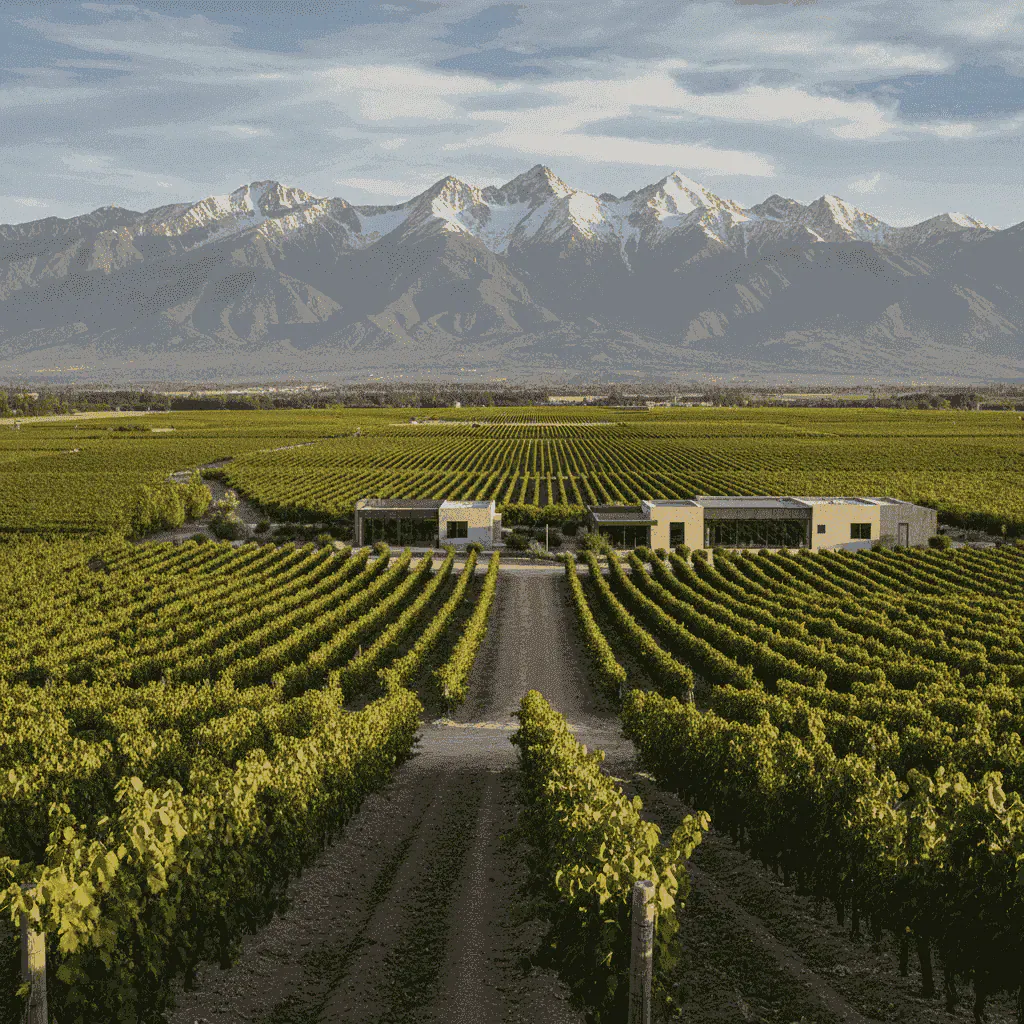
Chile's distinct geography creates an unparalleled environment for viticulture, profoundly influencing its wines. Chile's distinct geography creates an unparalleled environment for viticulture, profoundly influencing its wines. This long, narrow country, bordered by the towering Andes Mountains to the east and the cool Pacific Ocean to the west, features a dramatic range of microclimates that shape its grape varietals and wine styles. The Andes provide crucial protection and climatic effects, fostering ideal conditions for high-quality viticulture. They create a significant rain shadow, ensuring dry, sunny conditions crucial for grape ripening, and supply vital meltwater for irrigation. The substantial diurnal temperature variations-hot days followed by cool nights-slow the ripening process, allowing grapes to develop complex flavors while maintaining refreshing acidity, particularly beneficial for robust reds like Cabernet Sauvignon and Carmenere.
Conversely, the cool Pacific Ocean breezes and morning fogs significantly moderate temperatures in Chile's western wine regions. This maritime influence is ideal for white and more delicate red varieties. Regions such as Casablanca and Leyda valleys thrive under these conditions, producing crisp Sauvignon Blanc, elegant Chardonnay, and nuanced Pinot Noir. The extended growing season fostered by these cool influences contributes to greater aromatic intensity and balanced acidity in the wines. Moreover, Chile is one of the few wine-producing nations that remains largely phylloxera-free. This fortunate historical accident, attributed to its natural geographical barriers, allows many vineyards to cultivate grapevines on their own rootstock, often resulting in more robust vines that express their terroir purely, preserving genetic diversity and yielding concentrated, complex wines from old vines.
What are the key wine regions of Chile?
Chile features a diverse array of wine regions, each with distinct microclimates and terroirs contributing to a wide spectrum of wine styles. Chile features a diverse array of wine regions, each with distinct microclimates and terroirs contributing to a wide spectrum of wine styles. These regions are meticulously defined to highlight their unique viticultural characteristics, spanning from the arid north to the cooler south. Understanding these differences is essential for appreciating the breadth of Chilean winemaking. The Maipo Valley, historically significant and often called the birthplace of Chilean winemaking, is famous for its world-class Cabernet Sauvignon. Just south of Santiago, its warm, dry climate and stony soils are ideal for producing powerful, structured reds with notes of blackcurrant, mint, and tobacco. Many of Chile's most prestigious wineries are rooted here. Colchagua Valley, located in the Rapel Valley, is celebrated for its intense, full-bodied red wines, particularly Carmenere, Cabernet Sauvignon, and Syrah. It benefits from a Mediterranean climate with significant diurnal shifts, allowing grapes to develop ripe fruit flavors, soft tannins, and a rich mouthfeel, making it a benchmark for quality Chilean reds.
The Casablanca Valley, a pioneering cool-climate region, excels in producing vibrant, aromatic white wines, notably Sauvignon Blanc and Chardonnay. Its proximity to the Pacific Ocean ensures cooling fogs and sea breezes, which preserve acidity and enhance the grapes' aromatic profiles, setting a high standard for Chilean cool-climate varietals. Further north, the Limari Valley is gaining recognition for its mineral-driven Chardonnays and Sauvignon Blancs, influenced by ancient limestone soils. Its desert-like climate, tempered by coastal fogs, creates unique conditions for wines often exhibiting distinctive minerality, bright acidity, and intriguing salinity. Lastly, the Leyda Valley, a relatively new but highly acclaimed cool-climate region, is renowned for its elegant, expressive Pinot Noir and Sauvignon Blanc. Located just 14 kilometers from the Pacific, it experiences extreme maritime influence, resulting in wines with exceptional freshness, purity of fruit, and a captivating saline quality, offering a distinct alternative. These regional variations demonstrate Chile's capacity to produce a wide range of world-class wines.
| Region | Primary Grapes | Climate & Terroir | Typical Wine Style |
|---|---|---|---|
| Maipo Valley | Cabernet Sauvignon, Carmenere | Warm, dry, stony soils, Andes influence | Full-bodied, structured reds with dark fruit |
| Colchagua Valley | Carmenere, Cabernet Sauvignon, Syrah | Mediterranean, strong diurnal shift | Intense, rich, fruit-forward reds |
| Casablanca Valley | Sauvignon Blanc, Chardonnay, Pinot Noir | Cool, maritime, Pacific fogs | Crisp, aromatic whites; elegant Pinot Noir |
| Limari Valley | Chardonnay, Sauvignon Blanc | Semi-arid, coastal fog, limestone soils | Mineral-driven whites, bright acidity |
| Leyda Valley | Pinot Noir, Sauvignon Blanc | Extremely cool, strong maritime influence | Elegant, fresh, saline whites & reds |
| Aconcagua Valley | Cabernet Sauvignon, Syrah, Carmenere | Warm, sunny, mountain influence | Powerful, concentrated reds with structure |
| Maule Valley | Pais, Carignan, Cabernet Sauvignon | Warm, Mediterranean, diverse soils | Rustic, earthy reds; old vine character |
| Itata Valley | Pais, Cinsault, Muscat of Alexandria | Cooler, humid, granitic soils | Light, aromatic reds; fresh whites |
Which Chilean grape varieties should you know?
Chile cultivates a wide range of grape varieties, yet a few stand out as true representatives of its winemaking prowess, each offering distinct flavors and characteristics. Chile cultivates a wide range of grape varieties, yet a few stand out as true representatives of its winemaking prowess, each offering distinct flavors and characteristics. Understanding these key varietals is essential for anyone exploring Chilean wine, much like learning the staples on a Global Grape Map. Carmenere is widely recognized as Chile's emblematic grape, thriving after its rediscovery in the country in the 1990s. Originally from Bordeaux, it produces medium to full-bodied red wines with distinctive notes of red berries, plum, green bell pepper, and sometimes hints of chocolate or coffee. It requires a long, warm growing season to ripen fully and avoid excessively herbaceous characteristics. When ripe, it offers a silky texture and a satisfying finish, often from regions like Colchagua and Maipo.
Chilean Cabernet Sauvignon consistently delivers exceptional quality and value, often showcasing a unique blend of Old World structure and New World fruit. It thrives across many regions, from the classic expressions of Maipo Valley to the cooler pockets of Aconcagua and Colchagua. These wines typically feature blackcurrant, cedar, and tobacco notes, with firm tannins and excellent aging potential. They present a compelling option for those who appreciate structured, age-worthy reds without the often higher price tags of their European counterparts. For white wine enthusiasts, Chilean Sauvignon Blanc offers a refreshing and aromatic profile, especially from its cool coastal regions like Casablanca and Leyda. These wines are known for their vibrant acidity, pronounced citrus, passion fruit, and herbaceous notes, often with a distinctive mineral edge. They provide a compelling alternative to Sauvignon Blancs from New Zealand or the Loire Valley, frequently at a more accessible price point. Lastly, Chilean Chardonnay demonstrates remarkable versatility, with styles ranging from crisp, unoaked expressions from coastal areas like Limari or Casablanca to richer, oaked versions from warmer inland valleys like Maipo. This adaptability allows producers to craft diverse Chardonnays, appealing to a broad spectrum of preferences, from bright apple and citrus notes to tropical fruit, vanilla, and nutty undertones.
Who are the top Chilean wine producers to explore?
Chile hosts a multitude of acclaimed wine producers, from historic estates with centuries of tradition to innovative boutique wineries, all contributing to the country's esteemed reputation. Chile hosts a multitude of acclaimed wine producers, from historic estates with centuries of tradition to innovative boutique wineries, all contributing to the country's esteemed reputation. Exploring these producers is key to understanding the breadth and depth of Chilean winemaking, similar to discovering the best wineries in Portugal. Concha y Toro stands as the largest wine producer in Latin America and one of the world's most recognized wine brands, offering a vast portfolio from accessible entry-level to ultra-premium selections. With vineyards spanning numerous valleys, their Casillero del Diablo and Marques de Casa Concha lines are particularly popular globally, representing reliability and consistent quality. They are pioneers in innovation and sustainable practices, consistently delivering well-made wines.
Montes is renowned for its pioneering role in establishing Chile's reputation for premium and super-premium wines, particularly from the Colchagua Valley. Under the leadership of Aurelio Montes, the winery gained fame for its Montes Alpha series and iconic labels like Montes Alpha M and Montes Folly, which vividly demonstrate the potential of Chilean terroir for high-end reds. They are also leaders in sustainable and biodynamic viticulture, setting benchmarks for environmental responsibility. Viña Errazuriz, founded in 1870, is a historic estate celebrated for its tradition of excellence and dedication to producing elegant, age-worthy wines from the Aconcagua Valley. The winery is acclaimed for its Cabernet Sauvignon, Syrah, and Carmenere, especially from the Don Maximiano Founder's Reserve line. Errazuriz skillfully combines heritage with modern winemaking techniques to craft wines of profound complexity and balance. Lastly, Viña Santa Rita is another of Chile's oldest and most respected wineries, known for its rich history and consistent quality across an extensive range. Located in the Maipo Valley, Santa Rita is recognized for its 120 and Medalla Real lines, offering excellent value and broad appeal. The estate also boasts historical attractions, including beautiful cellars and a boutique hotel, making it a popular destination for wine tourism, embodying both tradition and accessibility.
How to pair Chilean wines with food?
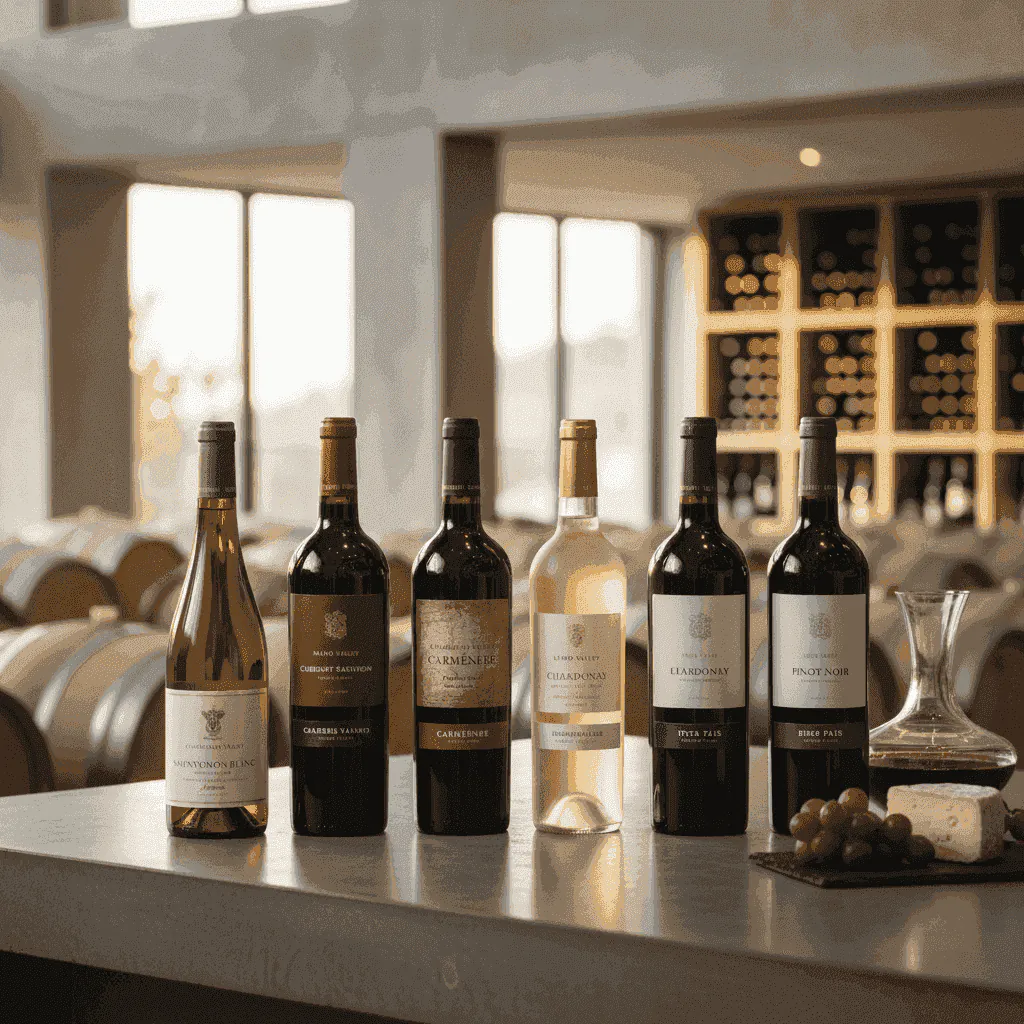
Chilean wines, with their diverse styles and distinct characteristics, offer fantastic versatility for food pairing, enhancing a wide range of cuisines. Chilean wines, with their diverse styles and distinct characteristics, offer fantastic versatility for food pairing, enhancing a wide range of cuisines. A thoughtful approach to pairing can elevate any meal, making choices simpler for home cooks and connoisseurs alike. For Carmenere, with its rich fruit, subtle spice, and herbaceous notes, consider robust and savory dishes. A slow-cooked beef stew with root vegetables brings out its earthy character, while grilled lamb chops seasoned with rosemary offer a delightful contrast to its plummy fruit. Avoid overly delicate seafood that might be overpowered. Chilean Cabernet Sauvignon's robust structure and dark fruit flavors are perfectly complemented by hearty red meat dishes. Think a classic pan-seared ribeye steak or beef short ribs. The firm tannins of the Cabernet are softened by the richness of the meat, creating a harmonious balance. Alternatively, pair it with an aged cheddar or a mushroom risotto. Light, acidic sauces or delicate fish would struggle against its intensity.
Crisp and zesty Chilean Sauvignon Blanc is an excellent match for fresh seafood, salads, and lighter, acidic preparations. It pairs beautifully with freshly shucked oysters, a vibrant ceviche, or grilled white fish with a squeeze of lemon. Its vibrant acidity cuts through richness and refreshes the palate, making it a versatile choice for appetizers and light mains. When considering Chardonnay, the style dictates the pairing. An unoaked coastal Chardonnay from Limari pairs well with roasted chicken or creamy pasta primavera, while a richer, oaked version from Maipo is excellent with seared scallops in butter sauce or pork loin. Avoid high-acid tomato-based dishes with oaked Chardonnay. For a versatile option, Chilean rosés, often made from Syrah or Cabernet Sauvignon, are refreshing and pair well with a wide array of lighter fare. Their bright fruit and crisp acidity make them perfect for summer salads, grilled shrimp skewers, or even spicy Asian stir-fries. They are also a delightful choice for charcuterie boards. A final scenario involves a rich, slow-braised pork belly. A powerful Chilean Syrah, with its dark fruit and peppery notes, provides an excellent counterpoint to the dish's richness. An alternative could be a bold Carmenere, but avoid light Pinot Noirs which would be completely overshadowed.
What are the best tips for buying Chilean wine?
Navigating the market for Chilean wine offers exciting opportunities to discover exceptional value and emerging styles. Navigating the market for Chilean wine offers exciting opportunities to discover exceptional value and emerging styles. With insights into specific regions and varietals, you can make informed choices for your cellar or next dinner party, enhancing your Mastering the Wine Journey. Understanding Chilean wine labels involves recognizing key regional designations, grape varieties, and producer names, which often indicate quality and style. Look for specific valleys like Maipo, Colchagua, or Casablanca for regional specificity. Terms like "Reserva" or "Gran Reserva" often denote longer aging or higher quality, though these are not legally binding as in some European countries, so rely more on producer reputation. Knowing the producer's name, such as Montes or Errazuriz, is a reliable indicator of quality.
Chilean wines consistently offer outstanding value for their quality, providing a compelling option for both everyday enjoyment and special occasions. The country's efficient production methods, favorable climate, and competitive costs contribute to accessible pricing without compromising on taste. Excellent Cabernet Sauvignon, Carmenere, and Sauvignon Blanc can often be found at very accessible price points, making them a smart choice for any wine enthusiast looking for quality without breaking the bank. Beyond the established powerhouses, emerging regions like Itata, Marga-Marga, and even more southerly valleys are producing exciting new styles of Chilean wine. Itata, for instance, is seeing a revival of old-vine Pais and Cinsault, offering rustic, earthy, and sometimes sparkling wines that reflect unique terroir. These regions are pushing the boundaries of Chilean viticulture, providing distinctive expressions and innovative winemaking, similar to the dynamic changes seen in Spanish wine regions. Exploring these lesser-known areas can uncover hidden gems and provide a fresh perspective on Chilean wine.
How is Chile leading in sustainable viticulture?
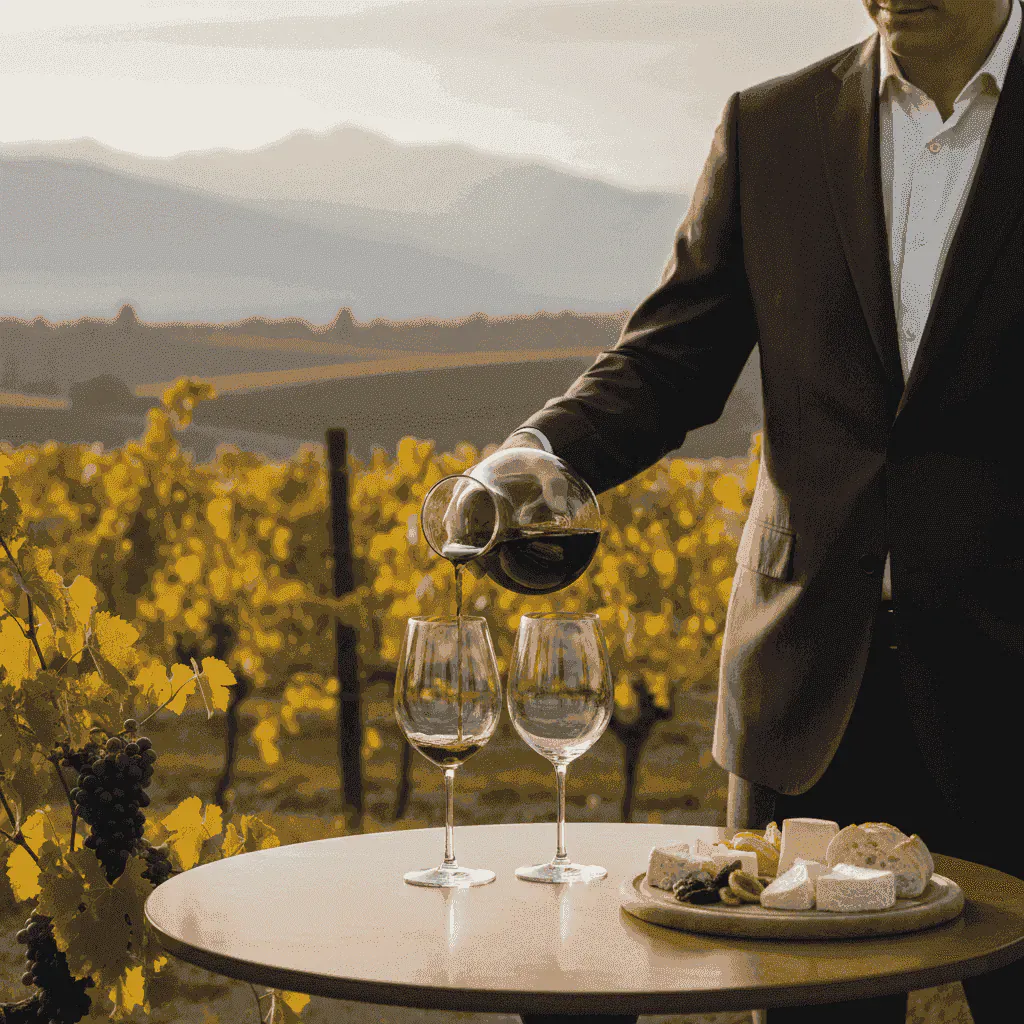
Chile stands as a prominent leader in sustainable viticulture, with many wineries actively adopting environmentally friendly practices to protect their unique terroir and ensure long-term production. Chile stands as a prominent leader in sustainable viticulture, with many wineries actively adopting environmentally friendly practices to protect their unique terroir and ensure long-term production. This commitment extends across various aspects of vineyard and winery management, reflecting a deep respect for the land. Many Chilean wineries are actively implementing organic and biodynamic farming practices, focusing on ecological balance and soil health. These methods involve meticulously avoiding synthetic pesticides and fertilizers, encouraging biodiversity within the vineyard ecosystem, and sometimes adhering to lunar cycles for vineyard tasks. Such practices not only result in healthier vineyards but often contribute to wines that more genuinely express their distinct terroir and natural characteristics, appealing to consumers who prioritize environmental responsibility.
Given Chile's naturally arid regions, particularly in its northern and central wine valleys, water conservation is a critical focus for its wine industry. Wineries are investing heavily in innovative irrigation techniques, such as drip irrigation systems, precise water monitoring, and sophisticated water recycling programs, all designed to minimize water usage. Research into drought-resistant rootstocks and advanced vineyard management practices further aids in mitigating the impact of climate change on water resources, securing the future of viticulture. Furthermore, Chile has developed a comprehensive national sustainability code, a voluntary program that certifies wineries for their environmental, social, and economic practices. This integrated approach, covering everything from vineyard management to waste disposal and fair labor practices, demonstrates a holistic commitment to sustainability, ensuring that Chilean wine is produced with both quality and conscience in mind.
"Chilean wine offers a refreshing paradox: a tradition steeped in history, yet a constant evolution towards sustainability and innovation. It's a testament to a land blessed by nature and nurtured by passionate vintners." - Renowned Wine Critic
How do you plan an ideal wine tour in Chile?
Embarking on a wine tour in Chile provides an immersive experience into its stunning landscapes, rich culture, and world-class wineries. Embarking on a wine tour in Chile provides an immersive experience into its stunning landscapes, rich culture, and world-class wineries. Careful planning ensures a memorable and enjoyable journey through this vibrant wine country. The ideal time to visit Chilean wine regions is during their spring (September-November) or autumn (March-May) seasons, coinciding with pleasant weather and significant vineyard activity. Spring offers blooming vineyards and milder temperatures, perfect for outdoor exploration and enjoying the scenic beauty. Autumn brings the excitement of the grape harvest, allowing visitors to witness winemaking in action and sometimes participate in festivities, while temperatures remain comfortable and conducive to travel.
Chile offers several well-established wine routes that provide structured tours and access to multiple wineries, facilitating an enjoyable exploration for visitors. The Maipo Valley Wine Route is easily accessible from Santiago and features many historic estates known for their Cabernet Sauvignon, offering a convenient day trip option. The Colchagua Valley Wine Route, further south in the Rapel Valley, is renowned for its premium reds and charming boutique hotels, providing a more immersive multi-day experience. The Casablanca Valley Wine Route is excellent for cool-climate whites and often includes stops at olive oil producers, adding another layer to the culinary experience. Beyond these, the newer Leyda Valley route offers stunning coastal views and elegant Pinot Noir and Sauvignon Blanc. To select your perfect Chilean wine, a systematic approach will enhance your wine discovery journey.
- Identify Your Preferred Style: Decide if you prefer bold reds (Cabernet Sauvignon, Carmenere), crisp whites (Sauvignon Blanc, Chardonnay), or something lighter like a Chilean Rosé.
- Consider the Region: Maipo and Colchagua are excellent for robust reds; Casablanca and Leyda excel in aromatic whites. Limari offers unique mineral-driven options.
- Check the Producer: Reputable producers like Concha y Toro, Montes, Errazuriz, and Santa Rita consistently deliver quality across their portfolios.
- Read the Label: Look for information on grape variety, vintage, and any aging designations like "Reserva," understanding that these can vary by producer.
- Consult Reviews: Online reviews from trusted sources and professional ratings can guide your selection, especially for unfamiliar labels or vintages.
- Think About Food Pairing: Choose a wine that complements your intended meal, using a guide like the one found here on YAS Wine or considering classic combinations.
- Set Your Budget: Chilean wines are known for offering great value at all price points, so you can find something excellent that fits your budget without compromise.