Why Does Grape Variety Matter for Wine Choice?
Each grape possesses a unique genetic blueprint, dictating its core aromatic compounds, structural elements like tannin and acidity, and inherent body. Each grape possesses a unique genetic blueprint, dictating its core aromatic compounds, structural elements like tannin and acidity, and inherent body. Grasping these fundamental signatures helps anticipate a wine's character even before tasting. For instance, a Cabernet Sauvignon typically offers a full body with firm tannins and dark fruit, while a Sauvignon Blanc delivers bright acidity and herbaceous notes. This immediate recognition simplifies choices in a wine shop, at a restaurant, or when planning a meal. Understanding a grape's profile connects your current enjoyment to future selections, making wine exploration more deliberate. It transforms abstract grape names into practical expectations, guiding you through the varied landscape of wine with purpose. Focusing on a grape's identity establishes a consistent baseline for understanding different wines, making initial selections less daunting and subsequent discoveries more intentional. For general guidance on choosing wine, consider our article on Choosing Wine with Confidence.
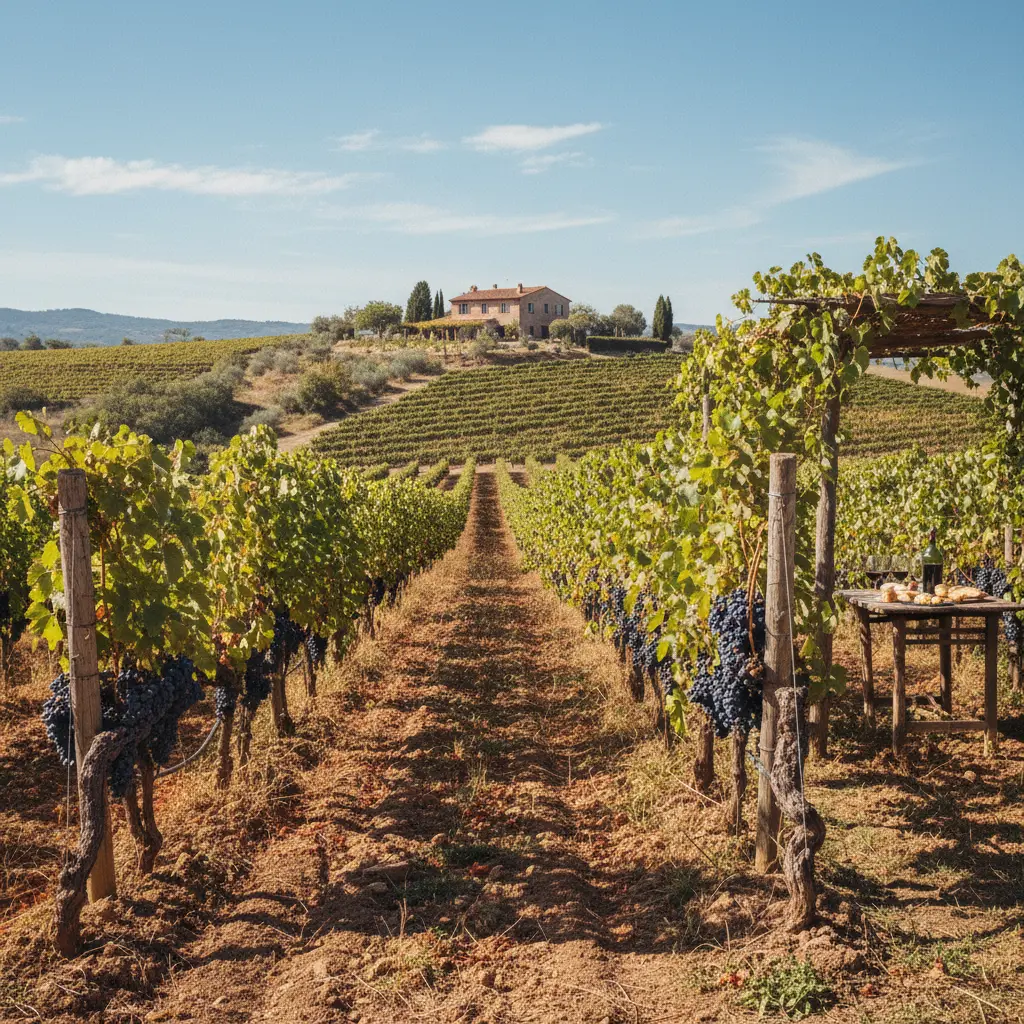
Exploring Key Red Wine Grapes: Structure and Spice
Red wine grapes encompass a broad spectrum of body, tannin structure, and aromatic complexity. Red wine grapes encompass a broad spectrum of body, tannin structure, and aromatic complexity. Familiarity with the traits of a few fundamental varieties opens up many informed choices, as these grapes form the backbone of numerous global wine regions. They provide clear indicators of what to expect in your glass, offering a reliable starting point for food pairings or for savoring a glass on its own.
Cabernet Sauvignon: A Pillar of Power
This esteemed grape consistently produces full-bodied red wines, characterized by firm tannins, noticeable acidity, and distinct aromas of blackcurrant, cedar, and often a hint of green bell pepper, particularly from coo This esteemed grape consistently produces full-bodied red wines, characterized by firm tannins, noticeable acidity, and distinct aromas of blackcurrant, cedar, and often a hint of green bell pepper, particularly from cooler regions. Cabernet Sauvignon excels in areas like Bordeaux's Left Bank and California's Napa Valley, crafting wines designed for long-term aging that pair well with rich, substantial foods. Mature examples often reveal notes of dark plum and tobacco. Oak aging commonly imparts layers of vanilla and spice. This is a classic selection for significant events and hearty meals, developing beautifully with age. Its structure and profound character establish it as a global benchmark for powerful red wines, frequently blended with Merlot or Cabernet Franc to soften its edges.
Pinot Noir: Elegance and Terroir
Pinot Noir typically presents a lighter body, fine tannins, and bright acidity, offering a distinct contrast to more robust reds. Pinot Noir typically presents a lighter body, fine tannins, and bright acidity, offering a distinct contrast to more robust reds. Its aroma profile often features red cherry, raspberry, earthy undertones, and mushroom notes. Burgundy is the historic reference point, but superb expressions also originate from Oregon, Central Otago in New Zealand, and Germany, where it's known as Spätburgunder. Pinot Noir complements lighter meats, various mushroom preparations, or salmon, allowing its delicate nuances to truly emerge. The grape's sensitivity to its growing environment-terroir-means a Pinot Noir from one vineyard can taste remarkably different from another nearby, making it endlessly intriguing for those who appreciate regional variations. Winemakers often use minimal oak to allow its subtle fruit and earthy characteristics to express themselves clearly.
Merlot: The Art of Smoothness
Merlot consistently delivers a plush texture, softer tannins, and ripe fruit flavors of plum and black cherry, sometimes gaining notes of chocolate or mocha with oak aging. Merlot consistently delivers a plush texture, softer tannins, and ripe fruit flavors of plum and black cherry, sometimes gaining notes of chocolate or mocha with oak aging. While it creates powerful, age-worthy wines in Bordeaux's Right Bank-think Pomerol and Saint-Émilion-it also produces many smooth, approachable reds from California, Chile, and Washington State. Its adaptability makes it a frequent choice for diverse occasions, often enjoyed with roast chicken or pork loin. Merlot offers an inviting introduction for those new to red wines, thanks to its generally softer structure and immediate fruit character. It stands as a dependable option when a red wine is needed that is both flavorful and easy to drink, performing well solo or with various dishes. Pay attention to regional styles, as ripeness levels and oak treatments vary significantly.
Syrah/Shiraz: Spice and Richness
This grape, known as Syrah in France's Rhône Valley and Shiraz in Australia, consistently yields full-bodied wines featuring dark fruit, black pepper, and occasionally notes of olive or smoked meat. This grape, known as Syrah in France's Rhône Valley and Shiraz in Australia, consistently yields full-bodied wines featuring dark fruit, black pepper, and occasionally notes of olive or smoked meat. Australian Shiraz often displays a riper, more fruit-forward, and spicier character, with flavors recalling blackberry jam and licorice. Northern Rhône Syrah, from appellations like Hermitage, typically showcases a more savory, elegant profile, often with hints of violet and a mineral edge. These wines easily complement richly flavored meats and robust stews, such as BBQ ribs or venison. The powerful nature of Syrah/Shiraz makes it a preferred choice for grilling and colder seasons, providing both warmth and depth. The regional label provides a clear clue to its style: 'Syrah' generally indicates a more savory, structured wine, while 'Shiraz' suggests a richer, fruit-driven expression. Keep these distinctions in mind when selecting your bottle.
Essential White Wine Grapes: From Zesty to Rich
White wine grapes provide a wide spectrum of styles, from lean and crisp to rich and creamy. White wine grapes provide a wide spectrum of styles, from lean and crisp to rich and creamy. Grasping their core characteristics assists in choosing the perfect bottle for light meals, seafood, or simply a refreshing glass. These varieties encompass diverse textures and flavor profiles, making them suitable for nearly any occasion requiring white wine, from casual gatherings to formal dinners.
Chardonnay: The World's Canvas
Chardonnay stands as the world's most widely planted white grape, highly valued for its adaptability and capacity to express its terroir and winemaking approach. Chardonnay stands as the world's most widely planted white grape, highly valued for its adaptability and capacity to express its terroir and winemaking approach. In France's Chablis, it yields lean, mineral-driven wines with high acidity and no oak, revealing flavors of green apple and wet stone. Conversely, in Burgundy's Côte de Beaune or California, it frequently undergoes malolactic fermentation and oak aging, resulting in creamy, buttery wines with vanilla, toasted nuts, and tropical fruit notes. Unoaked stainless steel versions offer crisp apple and citrus, while oaked styles deliver richness and complexity. This wide range makes Chardonnay suitable for an extensive array of dishes, from roasted poultry to creamy pastas or richer fish. Its versatile character ensures a Chardonnay exists to suit almost any preference, solidifying its place as a staple for wine enthusiasts.
Sauvignon Blanc: Vibrant and Zesty
Sauvignon Blanc is easily recognized by its vibrant acidity and assertive aromatic profile. Sauvignon Blanc is easily recognized by its vibrant acidity and assertive aromatic profile. Typical notes include grapefruit, gooseberry, passionfruit, and a distinct herbal or grassy quality, occasionally hinting at jalapeño or blackcurrant leaf, particularly from cooler climates. Renowned regions such as the Loire Valley (Sancerre, Pouilly-Fumé) and Marlborough, New Zealand, produce outstanding Sauvignon Blancs, though their expressions vary significantly in aromatic intensity. These wines are exceptionally refreshing and pair effectively with light, fresh flavors like goat cheese, oysters, or crisp salads. Its zesty nature and pronounced aromatics make it an excellent choice for a warm day or alongside bright, acidic dishes. Seek out crisp, unoaked examples to fully experience its distinctive character. For specific pairing ideas, explore our guide on Best Wine Pairing for Sushi.
Riesling: Acidity and Aromatic Depth
Riesling is an aromatic grape known for producing wines across the entire sweetness range, from bone-dry to exquisitely sweet, consistently maintaining its characteristic high acidity. Riesling is an aromatic grape known for producing wines across the entire sweetness range, from bone-dry to exquisitely sweet, consistently maintaining its characteristic high acidity. Its flavor profile often includes lime, green apple, apricot, and floral notes, with older wines developing a distinctive 'petrol' aroma from the compound TDN. Germany, France's Alsace, and Australia's Clare Valley are key Riesling regions, each offering distinct styles from dry to sweet. Its inherent high acidity makes it remarkably versatile with food, particularly with spicy cuisine, rich pork dishes, or a variety of cheeses, as it refreshes the palate. The grape's pure fruit expression and its considerable aging potential make Riesling highly regarded among wine connoisseurs. To learn more about grapes with bright acidity, refer to our guide on High-Acidity Grape Varieties.
Pinot Grigio/Gris: Refreshing Versatility
This grape, recognized as Pinot Grigio in Italy and Pinot Gris in France (Alsace) and Oregon, yields wines in diverse styles. This grape, recognized as Pinot Grigio in Italy and Pinot Gris in France (Alsace) and Oregon, yields wines in diverse styles. Italian Pinot Grigio is typically light-bodied, dry, and crisp, showcasing subtle flavors of green apple, lemon, and a hint of almond. It serves as an excellent aperitif or a partner to light seafood. In contrast, Alsatian Pinot Gris often presents a fuller body, richer texture, and more pronounced aromatics, with notes of ripe pear, honey, and occasionally a touch of sweetness, making it suitable for richer dishes. Oregon's Pinot Gris frequently offers a balance, combining bright fruit with good texture. Both styles perform well as aperitifs or alongside lighter fare such as white fish or antipasti. The decision between a Grigio and a Gris hinges on whether you prefer a brisk, lean wine or a more substantial, aromatic experience. Exploring indigenous grapes like Sicily's Grillo offers a similar journey into regional white wine diversity.
How Do Climate and Region Influence Grape Expression?
While a grape variety defines much of a wine's intrinsic character, its growing environment holds equally significant influence. While a grape variety defines much of a wine's intrinsic character, its growing environment holds equally significant influence. Climate, soil composition, and local winemaking practices-collectively known as terroir-profoundly shape the final taste. Consider Chardonnay: the same grape grown in the cool, limestone-rich soils of Chablis yields a distinctly different wine than when cultivated in a warm, sunny Californian valley. Cooler climates typically produce grapes with higher acidity, lower alcohol, and more subtle fruit flavors, often leading to lighter-bodied wines with mineral notes. In contrast, warmer regions promote riper grapes with lower acidity, higher sugar, and more concentrated, often jammy fruit aromas, resulting in fuller-bodied and sometimes more alcoholic wines. These regional differences clarify why a Pinot Noir from Burgundy tastes distinct from one grown in Oregon, or why a Syrah from the Northern Rhône contrasts with an Australian Shiraz. These geographical cues are strong indicators of a wine's style. For deeper exploration of global wine landscapes and their impact on specific grapes, browse our guides on Wine Countries and Wine Regions.
Practical Pairings: Pairing Grapes with Common Dishes
Choosing the appropriate wine for a meal significantly enhances the dining experience. Choosing the appropriate wine for a meal significantly enhances the dining experience. Aim to balance the wine's intensity, acidity, and body with the food's richness and flavor profile. The following real-world scenarios provide clear advice for common dishes, helping you make confident selections.
- Roast Chicken Dinner: For a classic roast chicken with herbs and root vegetables, an unoaked Chardonnay from Burgundy or a dry Chenin Blanc from the Loire Valley offers sufficient body and acidity without overpowering the delicate poultry. A lighter Pinot Noir from Oregon could also complement savory notes from herbs. Avoid heavy, tannic reds like young Cabernet Sauvignon, which can overwhelm the chicken's subtle flavors and create a metallic finish. For more ideas, consult our guide on Best Wine with Turkey.
- Spicy Asian Stir-fry: When confronting the heat and complex aromatics of a spicy stir-fry, a slightly sweet Riesling from Germany or an aromatic Gewürztraminer from Alsace is an excellent choice. Their sweetness and vibrant fruit notes temper the spice, while acidity cleanses the palate. A crisp, off-dry sparkling wine like Prosecco is another option. Stay away from high-tannin red wines or very dry, high-alcohol whites, which can clash with the spice and make the dish feel harsher.
- Mixed Cheese Board: A versatile approach works best for a diverse cheese board. A crisp Sauvignon Blanc pairs beautifully with fresh goat cheese, while a soft Merlot suits milder cow's milk cheeses like Brie. For pungent blue cheeses, a sweet Port or Sauternes offers a delightful contrast. A dry Rosé or a light-bodied Beaujolais (Gamay) can also be effective general choices. Avoid wines with overpowering flavors or tannins that don't match any cheese on the board; strive for balance across the selection.
- Tomato Pasta: Dishes with tomato-based sauces, such as spaghetti marinara or arrabbiata, require wines with good acidity to align with the tomato's natural tang. Italian reds like Chianti (Sangiovese) or Barbera are traditional and effective. A dry Rosé from Provence also makes a refreshing match, particularly in warmer weather. Avoid very low-acid or heavily oaked wines, which can taste flat or metallic against the vibrant acidity of the tomato, diminishing both food and wine.
- Grilled Lamb: The richness and savory character of grilled lamb call for a robust red wine. A Cabernet Sauvignon from Bordeaux or a Syrah/Shiraz from Australia stands up well to the meat's intensity and fat, with their firm tannins helping to cut through the richness. A Rioja Reserva (Tempranillo) also makes a great pairing with its savory, earthy notes. Lighter white wines or delicate reds would be completely overshadowed by the lamb's strong flavors, resulting in a disappointing combination. Find more insights on Choosing Red Wine for Steak.
- Seafood Dinner: For simple grilled white fish or shellfish, a crisp, unoaked white wine is ideal. Think Pinot Grigio, Albariño, or a clean Sauvignon Blanc. Their high acidity and light body complement the delicate flavors of the sea. For richer fish like salmon, an oaked Chardonnay or a light Pinot Noir from a cooler climate can work effectively, as they have enough body to match without overwhelming. Avoid heavy, tannic red wines, which often create an unpleasant metallic taste or clash with most seafood.
- Barbecue Ribs: For sticky, smoky BBQ ribs, a Zinfandel from California or an Australian Shiraz are excellent choices. Their bold fruit, spice, and often a hint of sweetness complement the savory, caramelized flavors of the ribs. A Cabernet Franc from the Loire Valley, with its savory notes, could also provide an interesting alternative. Avoid delicate, high-acid white wines or light-bodied reds, which will be completely overpowered by the intense flavors of the barbecue.
How Can You Make Confident Wine Selections?
Gaining confidence in choosing wine comes from using a consistent, practical method. Gaining confidence in choosing wine comes from using a consistent, practical method. Instead of relying on guesswork, a structured approach helps align your preferences with the right bottle. This strategy simplifies decisions, strengthens your palate memory, and leads to more satisfying wine experiences based on reliable results.
- Consider the occasion or meal: Think about whether it's a casual weeknight, a formal dinner, or a relaxed gathering. What are the main ingredients, sauces, and cooking methods for any food involved?
- Determine desired wine intensity and acidity: Decide if you need a light and refreshing wine or something rich and powerful. Will high acidity enhance acidic food, or is lower acidity better for creamy dishes?
- Identify suitable grape varieties: Based on your previous considerations, pinpoint 2-3 grape types that generally fit your needs. Include both classic choices and perhaps a new alternative from your expanding knowledge.
- Narrow down by regional style and producer: If you know a particular region or winemaker consistently excels with your chosen grape, favor those options. A trusted wine merchant can offer valuable advice here, guiding you through local styles and specific vintages.
- Verify serving temperature and glassware: Small details greatly affect enjoyment. Make sure the wine is served at its ideal temperature and in appropriate glassware that highlights its unique aromas and structure, creating a better tasting experience.
For a comprehensive overview of buying strategies, see our Essential Wine Buying Guide.
Expanding Your Palate: Discovering Unique Varieties
While the dominant grape varieties offer a robust starting point, the world of wine contains thousands of other intriguing varieties ready for discovery. While the dominant grape varieties offer a robust starting point, the world of wine contains thousands of other intriguing varieties ready for discovery. Moving beyond familiar names such as Cabernet Sauvignon and Chardonnay broadens your palate and introduces new flavors and regional styles, often providing excellent value. Seek out indigenous grapes from less-explored wine regions. Italy, for instance, cultivates hundreds of native varieties, including Nebbiolo from Piedmont, Aglianico from Campania, or Verdicchio from Marche, each embodying the unique character of its terroir and local cuisine. Portugal's Vinho Verde highlights Alvarinho (also known as Albariño in Spain), famous for its vibrant citrus and mineral notes. Spain offers Godello, known for its richness and complexity, while Austria's Grüner Veltliner features distinct white pepper and lentil characteristics. These grapes provide a captivating journey into diverse wine cultures, helping you appreciate the immense variety of the vine and its regional interpretations, perhaps even exploring specific grapes like Sicily's Grillo for a taste of the Mediterranean. Experiencing wines made from these lesser-known grapes deepens your understanding of wine diversity and frequently leads to new favorites.
Quick Reference: Choosing the Best Grape for Your Meal
This table summarizes essential characteristics to help you quickly identify the suitable grape variety for various situations and personal tastes. This table summarizes essential characteristics to help you quickly identify the suitable grape variety for various situations and personal tastes. Use it as a convenient guide to make informed wine choices for any meal or occasion.
| Grape Variety | Primary Style | Key Flavors/Aromas | Best Food Pairings | What to Generally Avoid |
|---|---|---|---|---|
| Cabernet Sauvignon | Bold, structured red | Blackcurrant, cedar, tobacco, mint | Grilled steak, lamb, aged cheddar | Delicate fish, light salads, spicy Asian food |
| Pinot Noir | Elegant, light-bodied red | Red cherry, raspberry, forest floor, mushroom | Salmon, duck, mushroom risotto, charcuterie | Heavy, spicy dishes, very rich red meats |
| Merlot | Smooth, approachable red | Plum, black cherry, chocolate, vanilla | Roast chicken, pork loin, pasta with meat sauce | Oysters, very green salads, extremely spicy food |
| Syrah/Shiraz | Robust, spicy red | Blackberry, black pepper, smoked meat, olive | BBQ ribs, venison, hearty stews, strong cheeses | Delicate white fish, light soups, acidic salads |
| Chardonnay | Versatile white (oaked or unoaked) | Apple, citrus, butter, vanilla, toasted nuts | Roast chicken, creamy pasta, richer fish (oaked); Shellfish, sushi (unoaked) | Very light salads (oaked), overly sweet desserts |
| Sauvignon Blanc | Crisp, aromatic white | Grapefruit, gooseberry, passionfruit, grass | Goat cheese, oysters, green salads, ceviche | Creamy sauces, rich red meats, heavy stews |
| Riesling | Aromatic white (dry to sweet) | Lime, apricot, petrol, floral, honey | Spicy Asian cuisine, pork, diverse cheeses, fruit desserts | Very tannic reds, strong savory red meats |
| Pinot Grigio/Gris | Light, refreshing white | Green apple, lemon, almond, pear (Gris) | White fish, salads, light pasta, antipasti | Heavy cream sauces, robust red meats, rich desserts |
| Zinfandel | Full-bodied, jammy red | Blackberry, black pepper, prune, spice | BBQ, pizza, hearty pasta, chili con carne | Delicate seafood, light poultry, fine dining fare |
| Tempranillo | Medium to full-bodied red | Cherry, plum, tobacco, leather, dill | Lamb, chorizo, tapas, roasted vegetables, paella | Very light or delicate dishes, spicy Asian cuisine |