Canada's wine industry is renowned globally for its exceptional cool-climate wines, particularly its signature Icewine, alongside high-quality Pinot Noir, Chardonnay, and Riesling produced primarily in the Okanagan Valley and Niagara Peninsula. These regions benefit from unique geographical features, including large lakes that moderate temperatures, creating ideal conditions for viticulture that continues to evolve and impress in 2026.
What Defines Canadian Wine in 2026?
Canadian wine production in 2026 showcases a sophisticated blend of traditional winemaking techniques and innovative adaptations to its unique cool climate. The industry has matured significantly, moving beyond its initial focus on Icewine to producing a diverse range of dry table wines that compete on the global stage.
Early Beginnings and Evolution
Canada's winemaking history traces back to the 19th century, with significant commercial growth beginning in the 1970s and 80s as quality standards improved. Early vineyards focused on hybrid grapes, but a shift towards classic Vitis vinifera varieties like Chardonnay and Pinot Noir marked a turning point, especially in Ontario and British Columbia.
Growth and Global Recognition
The Canadian wine industry has achieved global recognition, particularly for its Icewine, but increasingly for its premium dry whites and reds. Awards from international competitions have solidified Canada's reputation as a serious wine-producing nation, driving increased tourism and export markets.
What Makes Canadian Terroir Unique?
Canadian terroir is unique due to its extreme climate, which necessitates specific grape varieties and cultivation practices, yet yields wines of remarkable purity and intensity. The country's primary wine regions are defined by geological features that temper the harsh winters and provide long, cool growing seasons.
Lake-Moderated Climates
The proximity of large bodies of water, such as the Great Lakes in Ontario and Okanagan Lake in British Columbia, significantly moderates vineyard temperatures. These lakes create a 'lake effect,' extending the growing season and protecting vines from extreme temperature fluctuations, which is crucial for ripening cool-climate varietals.
Diverse Soil Compositions
Canadian wine regions exhibit diverse soil compositions, ranging from glacial till and limestone in Niagara to sandy loam and gravel in Okanagan. These varied soils contribute to the complexity and distinctiveness of the wines produced in different sub-regions.
Vintage Variation and Challenges
Vintage variation is a significant factor in Canadian winemaking, with each year's climatic conditions deeply influencing the harvest and resulting wine style. Winemakers must skillfully adapt to fluctuating weather, managing risks like early frosts while capitalizing on exceptional growing seasons.
Where are Canada's Key Wine Regions?
Canada's key wine regions are predominantly the Niagara Peninsula in Ontario and the Okanagan Valley in British Columbia, both offering distinct terroirs and wine styles. Nova Scotia also contributes with its unique tidal-influenced vineyards.
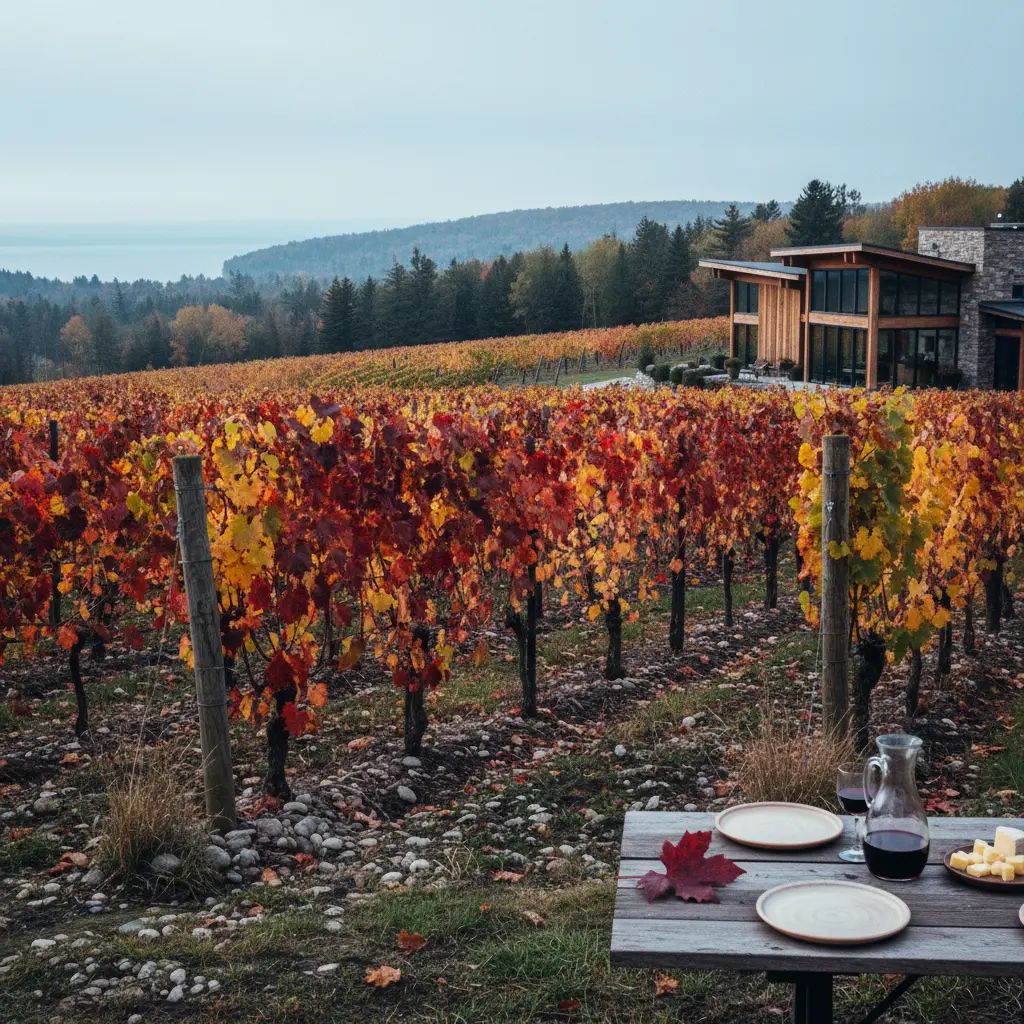
Niagara Peninsula, Ontario
The Niagara Peninsula is Canada's largest and oldest wine region, celebrated for its cool-climate Riesling, Chardonnay, and Pinot Noir, alongside its world-famous Icewine. The region benefits from the moderating effects of Lake Ontario and the Niagara Escarpment, which provides optimal vineyard sites.
Okanagan Valley, British Columbia
The Okanagan Valley boasts a unique desert-like climate with hot, dry summers and cool nights, yielding concentrated red wines like Merlot and Cabernet Sauvignon, as well as aromatic whites. Its diverse microclimates allow for a broad range of grape varieties to thrive, producing powerful and elegant wines.
Other Emerging Regions
Beyond the dominant two, regions like Nova Scotia (known for its crisp sparkling wines and distinctive Tidal Bay appellation) and Quebec (specializing in hybrid grapes and fruit wines) are gaining recognition. These areas represent the pioneering spirit of Canadian viticulture, exploring new terroirs and grape expressions.
Which Grape Varieties are Iconic in Canada?
Iconic Canadian grape varieties include Riesling, Chardonnay, Pinot Noir, and Cabernet Franc, all of which thrive in the country's cool-climate conditions. These grapes are the backbone of Canada's premium wine production.
Riesling and Chardonnay
Riesling and Chardonnay are star white grape varieties in Canada, producing wines with crisp acidity, vibrant fruit profiles, and excellent aging potential. Canadian Rieslings are particularly noted for their purity and minerality, while Chardonnays range from lean and unoaked to rich and complex barrel-fermented styles.
Pinot Noir and Gamay
Pinot Noir and Gamay are the leading red grape varieties in Canada's cool climate, yielding elegant wines with bright fruit, subtle earthiness, and refined tannins. Niagara Pinot Noir often shows notes of cherry and forest floor, while Okanagan versions can be richer, showcasing plum and spice.
Cabernet Franc for Icewine and Dry Wines
Cabernet Franc is a versatile grape in Canada, used both for exceptional dry red wines with herbaceous notes and as a key component in red Icewine. Its ability to withstand colder temperatures makes it particularly well-suited for the region's climate.
What is Canadian Icewine?
Canadian Icewine is a sweet dessert wine produced from grapes left on the vine to freeze naturally, resulting in concentrated sugars and intense aromatics. It is one of Canada's most acclaimed and unique wine offerings.
"Canadian Icewine stands as a testament to the resilience of nature and the meticulous craft of winemaking, bottling the essence of a winter harvest into liquid gold."
The Production Process
Icewine production involves harvesting grapes, typically Vidal, Riesling, or Cabernet Franc, at temperatures of -8°C (17°F) or colder while still frozen on the vine. The frozen grapes are pressed immediately, allowing only the highly concentrated, sugary juice to be extracted, leaving the ice crystals behind.
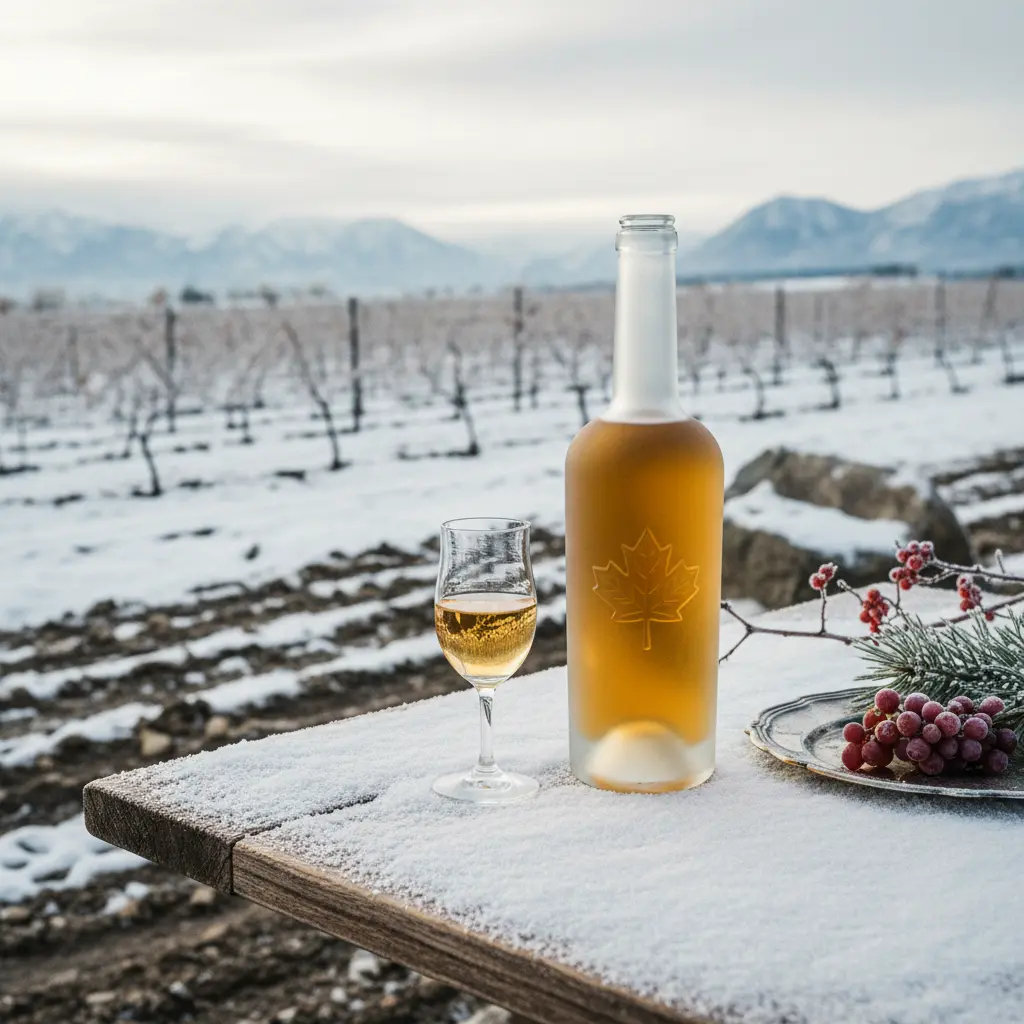
Flavor Profile and Styles
Canadian Icewine typically presents a rich, sweet, and intensely aromatic profile with notes of honey, apricot, peach, and tropical fruits. Styles vary by grape: Vidal often has tropical and honeyed notes, Riesling offers vibrant citrus and floral hints, and Cabernet Franc Icewine delivers strawberry and rhubarb characteristics.
How to Serve Icewine
Icewine should be served well-chilled, ideally between 10-12°C (50-54°F), in small dessert wine glasses to fully appreciate its complex aromas and sweetness. It's a perfect end to a meal, or a thoughtful wine gift for special occasions.
How Do Canadian Wines Pair with Food?
Canadian wines pair beautifully with a range of foods, from delicate cheeses to rich desserts, thanks to their balance of acidity and fruit. Understanding the characteristics of each wine type is key to successful pairings, as detailed in our Best Wine Pairing Guide 2026.
Pairing with Icewine
Icewine pairs exceptionally well with rich desserts like fruit tarts, crème brûlée, or cheesecake, and surprisingly, with savory foie gras or strong blue cheeses. Its high acidity cuts through richness, cleansing the palate while complementing sweet flavors.
Pairing with Dry Whites (Riesling, Chardonnay)
Dry Canadian Rieslings and Chardonnays are versatile, pairing well with seafood, poultry, light pasta dishes, and fresh salads. Riesling's acidity is excellent with spicy Asian cuisine, while un-oaked Chardonnay complements oysters and sushi, and oaked Chardonnay stands up to roasted chicken or creamy sauces.
Pairing with Reds (Pinot Noir, Gamay)
Canadian Pinot Noir and Gamay are ideal with roasted poultry, grilled salmon, mushroom dishes, and soft cheeses. For heartier meals, a Niagara Pinot Noir can be an excellent choice for pairing with turkey, while a more robust Okanagan Pinot Noir or a slightly bolder red might even complement a lighter steak, as covered in How to Choose Red Wine for Steak in 2026.
How to Explore Canadian Wine Country?
Exploring Canadian wine country offers picturesque landscapes, diverse tasting experiences, and opportunities to meet passionate winemakers. Both Niagara and Okanagan provide well-developed wine routes and tourism infrastructure.
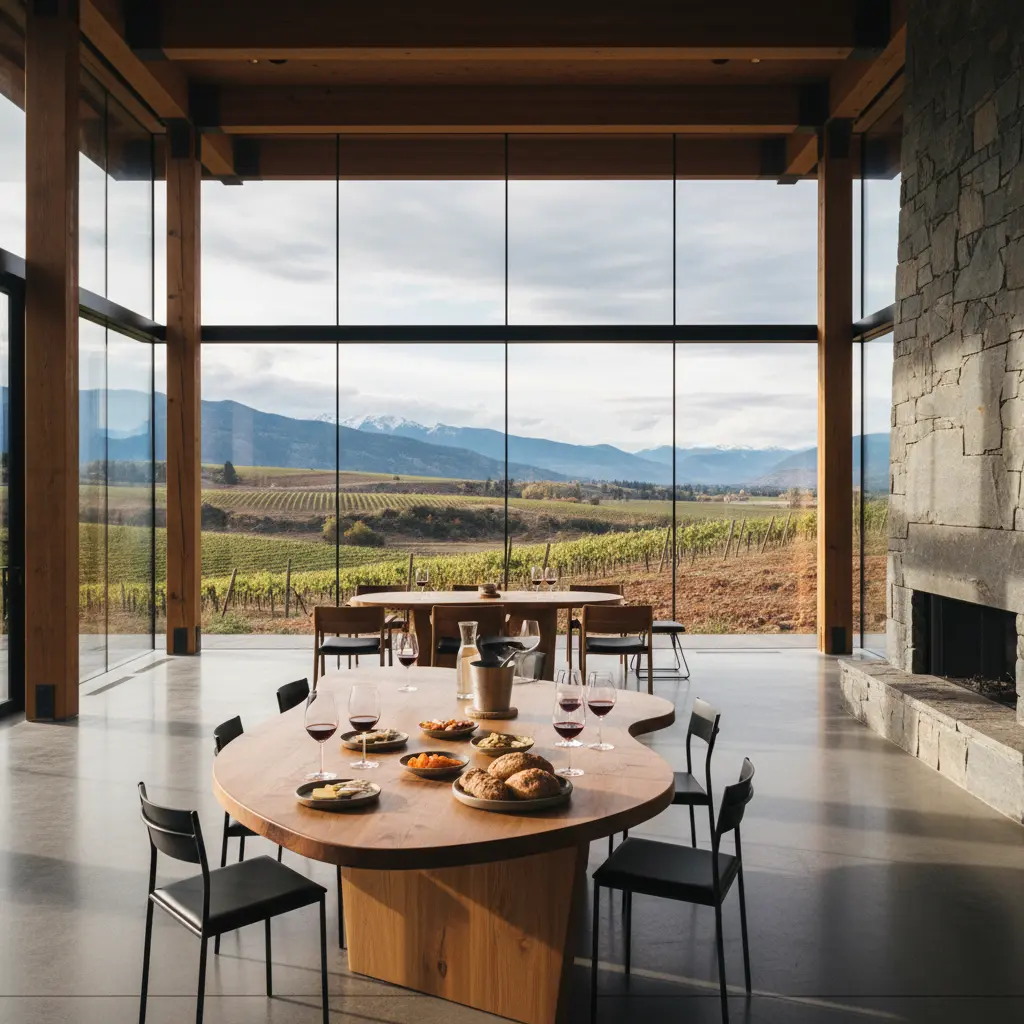
Planning Your Visit
Planning your visit involves choosing a region, booking accommodations, and scheduling winery tours and tastings in advance, especially during peak season. Consider visiting during harvest (late summer/early autumn) for a vibrant experience, or in winter for a unique Icewine harvest view.
Winery Tours and Tastings
Winery tours and tastings are central to the Canadian wine country experience, offering insights into winemaking processes and opportunities to sample a variety of wines. Many wineries provide guided tours, private tastings, and food pairing experiences. Remember to practice proper wine service etiquette during tastings.
Accommodation and Dining
Both the Niagara Peninsula and Okanagan Valley offer a range of accommodation options, from boutique hotels to charming B&Bs, alongside exceptional dining experiences featuring local produce. Many restaurants emphasize farm-to-table cuisine, perfectly complementing local wines.
Are Sustainable Practices Common in Canadian Viticulture?
Sustainable practices are increasingly important in Canadian viticulture, with many wineries adopting environmentally friendly methods to preserve their unique terroirs. These efforts include organic farming, water conservation, and biodiversity initiatives.
Organic and Biodynamic Farming
A growing number of Canadian wineries are embracing organic and biodynamic farming to enhance soil health and biodiversity, producing wines that authentically express their terroir. These practices minimize the use of synthetic pesticides and fertilizers.
Water Management and Conservation
Effective water management and conservation techniques are crucial in Canadian vineyards, particularly in the drier Okanagan Valley, to ensure efficient resource use. Drip irrigation and responsible watershed management are common strategies.
Research and Innovation
Canadian viticulture benefits from ongoing research and innovation, focusing on climate change adaptation, disease resistance, and enhancing wine quality. Local universities and industry associations play a key role in advancing sustainable practices and viticultural science.
Where to Buy Canadian Wines?
Canadian wines can be purchased directly from wineries, through provincial liquor boards, specialized wine retailers, and increasingly, via online stores that ship across the country and internationally.
Direct from Wineries
Buying directly from wineries, either at their cellar door or through their online shops, often provides access to limited-edition releases, library wines, and a direct connection to the producers. Many offer exclusive club memberships for enthusiasts.
Retailers and Online Stores
Provincial liquor control boards (e.g., LCBO in Ontario, BC Liquor Stores in British Columbia) are primary retail channels for Canadian wines, alongside private wine stores. Online retailers provide a convenient way to discover and purchase wines from various regions, sometimes shipping specialty wine country gift baskets.
Export Markets
Canadian wines, especially Icewine, have a significant presence in international export markets, particularly in Asia and Europe. This global demand reflects the consistent quality and unique appeal of Canadian viticulture.
What is the Future Outlook for Canadian Wine?
The future of Canadian wine looks bright, characterized by expanding varietals, ongoing adaptation to climate change, and continued technological advancements in winemaking. The industry is poised for further growth and diversification.
Expanding Varietals
Canadian winemakers are experimenting with an expanded range of grape varietals, exploring those best suited to evolving climate patterns and consumer preferences. This includes a deeper dive into lesser-known cool-climate grapes and clones.
Climate Change Adaptations
Adapting to climate change is a critical focus for the Canadian wine industry, involving research into new drought-resistant rootstocks, vineyard management techniques, and site selection. These efforts aim to ensure the long-term viability of viticulture.
Technological Advancements
Technological advancements, from precision viticulture tools to innovative cellar equipment, are enhancing efficiency, quality, and sustainability in Canadian winemaking. This includes data analytics for vineyard management and advanced fermentation controls.
Below is a table summarizing key Canadian wine regions and their prominent varietals:
| Region | Primary Province | Key White Varietals | Key Red Varietals | Signature Style |
|---|---|---|---|---|
| Niagara Peninsula | Ontario | Riesling, Chardonnay | Pinot Noir, Cabernet Franc | Cool-climate elegance, Icewine |
| Okanagan Valley | British Columbia | Pinot Gris, Chardonnay | Merlot, Pinot Noir, Cabernet Sauvignon | Concentrated, aromatic, structured reds |
| Annapolis Valley | Nova Scotia | L'Acadie Blanc, Seyval Blanc | Lucie Kuhlmann | Crisp sparkling, Tidal Bay blends |
Here are steps for enhancing your appreciation of Canadian wines:
- Select the Right Glass: Use appropriate wine glasses for each wine type to maximize aroma and flavor perception.
- Serve at Correct Temperature: Chill white wines and Icewine properly; serve red wines slightly cooler than room temperature.
- Decant When Necessary: While many Canadian wines are consumed young, some aged Pinot Noirs may benefit from decanting.
- Explore Pairings: Experiment with food pairings to discover how Canadian wines complement various dishes.
- Visit Wineries: Engage directly with winemakers in the regions to deepen your understanding and appreciation.