Australia is globally recognized for its vibrant and diverse wine industry, producing a wide spectrum of styles from robust reds to crisp whites. Its unique terroir, varied climates, and innovative winemaking techniques contribute to its reputation as a major player in the international wine market.
What are the Key Wine Regions of Australia?
Australia boasts numerous distinct wine regions, each offering unique climatic conditions and producing wines with specific characteristics. These regions are scattered across several states, contributing to the country's impressive viticultural diversity.
Barossa Valley
The Barossa Valley, located in South Australia, is internationally renowned for its powerful, full-bodied Shiraz. This historic region features some of the world's oldest continuously producing Shiraz vines, many of which are over 100 years old, yielding wines with intense fruit, spice, and structure.
McLaren Vale
McLaren Vale, also in South Australia, is celebrated for its warm climate Grenache and Shiraz, often showcasing a distinctive regional character. Its proximity to the ocean provides cooling breezes, allowing for wines with both ripeness and elegance, alongside a growing focus on sustainable practices.
Hunter Valley
New South Wales' Hunter Valley is famous for its long-lived Semillon and unique Shiraz styles. Hunter Valley Semillon is particularly distinctive, initially crisp and citrusy, evolving into complex, toasty, honeyed wines with age, while its Shiraz is medium-bodied with earthy notes.
Yarra Valley
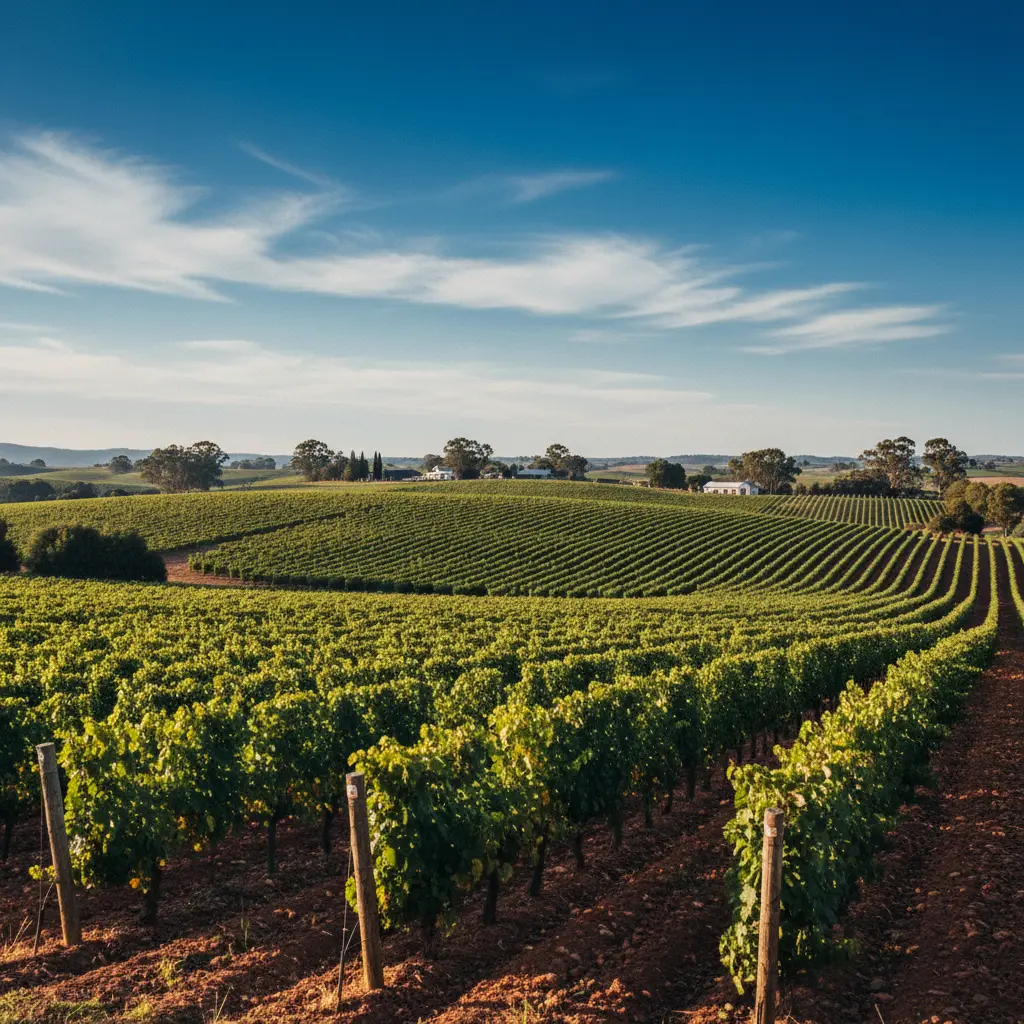
Victoria's Yarra Valley excels in producing cool-climate wines, most notably Pinot Noir and Chardonnay. Its cooler temperatures and higher altitude allow these delicate varieties to develop complex aromatics and refined acidity, making it a prime destination for elegant sparkling wines as well.
Which Grape Varieties Thrive in Australia?
Australia cultivates a wide array of grape varieties, with a few standing out as signature expressions of the country's winemaking prowess. While Shiraz is globally recognized as Australia's icon, many other grapes find their ideal terroir here, contributing to the nation's diverse wine portfolio, as outlined in our Global Grape Map 2026.
Shiraz (Syrah)
Shiraz is Australia's most planted red grape and its most celebrated, producing wines ranging from intensely rich and spicy to elegant and peppery. Depending on the region, Australian Shiraz can offer flavors of blackberry, plum, chocolate, and black pepper, often with a powerful yet velvety texture, and with good cellaring potential as explored in Aged Like Fine Wine: A 2026 Guide.
Chardonnay
Australian Chardonnay has evolved significantly, moving from heavily oaked styles to more restrained, elegant expressions with vibrant fruit and balanced acidity. Regions like Margaret River and Yarra Valley produce exceptional Chardonnays, showcasing notes of citrus, stone fruit, and subtle oak integration.
Cabernet Sauvignon
Cabernet Sauvignon finds its stride in regions like Coonawarra and Margaret River, yielding wines with structure, blackcurrant fruit, and minty undertones. These wines often display a classic profile of cassis, cedar, and firm tannins, making them excellent for aging.
Riesling
Clare Valley and Eden Valley in South Australia are globally acclaimed for their bone-dry, age-worthy Rieslings. These wines are characterized by intense lime and floral aromas, developing complex toast and honey notes with bottle age.
Who are the Notable Australian Wine Producers and Wineries?
Australia is home to a vast network of wine producers, from historic estates to innovative boutique wineries, all contributing to its dynamic wine landscape. These producers are often family-owned, combining tradition with modern techniques to craft distinctive wines.
Who are Australia's Iconic Wine Estates?
Australia's iconic wine estates are foundational to its wine history and global reputation, often producing highly sought-after wines. Examples include Penfolds, Henschke, and Wynns Coonawarra Estate, renowned for their premium expressions of Shiraz and Cabernet Sauvignon.
Are Boutique Wineries Driving Innovation?
Yes, many smaller, boutique wineries are at the forefront of innovation, experimenting with alternative varieties and natural winemaking approaches. These producers often offer unique tasting experiences and a chance to discover less common, yet equally compelling, Australian wines.
What are Key Characteristics of Leading Producers?
Leading Australian wine producers are characterized by their commitment to quality, often showcasing a deep understanding of their terroir and a dedication to sustainable practices. They combine traditional methods with modern technology to create wines that express both varietal purity and regional identity.
How Does Climate Influence Australian Wine Styles?
Australia's diverse climates are the primary driver behind the wide range of wine styles produced across the continent. From the scorching inland heat to the cooling coastal breezes and high-altitude areas, each microclimate shapes the grapes grown within it.
Warm Climate Viticulture
Warm climates, such as the Barossa Valley and parts of McLaren Vale, are ideal for producing rich, full-bodied red wines like Shiraz. The abundant sunshine ensures full ripeness, resulting in wines with concentrated fruit flavors, higher alcohol, and often softer tannins.
Cool Climate Viticulture
Cool climate regions, including the Yarra Valley, Adelaide Hills, and Tasmania, are perfect for growing delicate varieties such as Pinot Noir, Chardonnay, and aromatic whites. The extended growing season and diurnal temperature shifts allow grapes to retain acidity and develop complex aromatics, leading to elegant and balanced wines.
"Australian wine is not just about power; it's about a spectrum of flavors, textures, and surprising elegance that reflects our vast, varied landscape and the ingenuity of our winemakers."
A notable Australian winemaker
What are Essential Food Pairings for Australian Wines?
Pairing Australian wines with food is an enjoyable experience due to their versatility and range of styles. The key is to match the wine's intensity and flavor profile with the dish.
Shiraz and Barbecue
Robust Australian Shiraz is an exceptional match for grilled and barbecued meats, such as steak, lamb chops, and even richly seasoned burgers. The wine's bold fruit, spice, and often smoky notes complement the char and savory flavors of the grill. For more pairing ideas, see our guide on Best Starters for Wine in 2026.
Chardonnay and Seafood
Elegant Australian Chardonnay, especially unoaked or lightly oaked styles, pairs beautifully with a range of seafood dishes. Think grilled prawns, roasted barramundi, or creamy chicken dishes, where the wine's acidity and fruit notes can cut through richness or complement delicate flavors.
Riesling and Asian Cuisine
Crisp, dry Australian Riesling is a fantastic partner for many Asian dishes, particularly those with a hint of spice or aromatic herbs. Its vibrant acidity and citrus character provide a refreshing contrast to curries, stir-fries, and Vietnamese cuisine.

How to Buy Australian Wine: Essential Tips for Consumers?
Navigating the diverse world of Australian wine can be rewarding with a few key considerations. Understanding labels and knowing what to look for can enhance your buying experience.
Reading the Label
Paying attention to the label provides crucial information about the wine's origin, grape variety, and vintage. Look for the specific region (e.g., "Barossa Valley Shiraz"), as this often indicates a particular style and quality level. The Alcohol by Volume (ABV) can also hint at the wine's body and intensity.
Understanding Vintage and Varietals
While Australia's consistent climate often leads to reliable vintages, knowing the specific characteristics of a varietal from a particular region helps in selection. For example, a Hunter Valley Semillon from an older vintage promises complexity that a younger one might not yet possess. For comprehensive buying advice, refer to Mastering the Wine Journey: Grapes, Regions, Pairings & Smart Buying in 2026.
How to Plan Your Australian Wine Tour?
Planning an Australian wine tour offers an immersive experience, combining stunning landscapes with world-class tastings. An efficient plan ensures you make the most of your visit, whether you're a seasoned connoisseur or a curious beginner.
Choosing Your Ideal Region
Your ideal region depends on your wine preferences and travel style. For powerful reds, consider the Barossa Valley; for elegant Pinot Noir and Chardonnay, the Yarra Valley or Adelaide Hills are excellent choices. Research regions based on their signature varietals and other attractions.
Selecting Wineries and Booking
Selecting wineries involves researching cellar doors that offer tastings, tours, and dining options tailored to your interests. Booking appointments, especially for smaller or premium producers, is often recommended to ensure availability and a personalized experience. Explore resources like our guide to Best Wineries in Italy 2026 for inspiration on what to look for.
Logistics: Accommodation and Transport
Securing comfortable accommodation near your chosen wine region and arranging reliable transport are crucial for a stress-free tour. Consider hiring a car for flexibility, booking guided tours that include transportation, or utilizing local shuttle services. Many regions also offer bike rentals for scenic vineyard exploration.
Maximizing Your Visit
Maximizing your visit involves mapping out your daily itinerary, allowing ample time for tastings, meals, and enjoying the scenery without over-scheduling. Consider the season: vintage (harvest) season (February-April) offers a lively atmosphere, but other times of the year provide different charm, such as vibrant spring or lush summer.
- Choose Your Region: Decide which Australian wine region best suits your preferences (e.g., Barossa for big reds, Yarra Valley for elegant Pinot Noir). Consider accessibility and other attractions.
- Select Your Wineries: Research wineries in your chosen region. Look for cellar doors offering tastings, tours, and dining options. Booking appointments, especially for smaller or premium producers, is often recommended.
- Arrange Accommodation and Transport: Secure lodging near your chosen wine region. Consider hiring a car for flexibility or booking guided tours that include transportation.
- Plan Your Itinerary: Map out your daily visits, allowing ample time for tastings, meals, and enjoying the scenery. Don't overschedule; savor each experience.
- Consider the Season: Vintage (harvest) season (February-April) offers a lively atmosphere, but other times of the year provide different charm, such as vibrant spring or lush summer.
Is Sustainable Viticulture Important in Australia?
Yes, sustainable viticulture is increasingly important in Australia, with a growing number of wineries adopting environmentally friendly practices. This commitment reflects a broader understanding of land stewardship and the long-term health of vineyards.
Environmental Practices
Many Australian vineyards implement practices like water conservation, minimal chemical use, and biodiversity promotion. Techniques such as dry farming and regenerative agriculture are becoming more common to reduce environmental impact and enhance vineyard resilience.
Organic and Biodynamic Certification
A rising number of Australian producers are pursuing organic and biodynamic certification, ensuring wines are made with minimal intervention and respect for ecological balance. These certifications indicate a commitment to farming without synthetic pesticides, herbicides, or fertilizers.
What Does Australia's Diverse Wine Landscape Offer?
Australia's diverse wine landscape offers a rich tapestry of regions, each with unique climatic conditions that shape its signature grape varieties and wine styles. This variety makes Australian wine exciting for both casual drinkers and serious collectors.
Key Regions and Their Varietals
The table below summarizes some of Australia's key wine regions, their signature grape varieties, and typical wine styles. It offers a quick reference for understanding the country's viticultural diversity, similar to the varied offerings found in Italy's Premier Wine Regions 2026.
| Region | Key Grapes | Typical Wine Style |
|---|---|---|
| Barossa Valley | Shiraz, Grenache, Cabernet Sauvignon | Full-bodied, rich red wines; concentrated fruit, spice. |
| McLaren Vale | Shiraz, Grenache, Cabernet Sauvignon | Medium-to-full bodied reds; ripe fruit, soft tannins, often savory notes. |
| Hunter Valley | Semillon, Shiraz | Crisp, age-worthy Semillon; medium-bodied, earthy Shiraz. |
| Yarra Valley | Pinot Noir, Chardonnay, Sparkling | Elegant, aromatic reds and whites; refined acidity. |
| Coonawarra | Cabernet Sauvignon | Structured Cabernet; blackcurrant, mint, cassis, firm tannins. |
| Margaret River | Cabernet Sauvignon, Chardonnay, Sauvignon Blanc/Semillon blends | Elegant reds, vibrant Chardonnays, herbaceous whites. |
Understanding Regional Specialties
Understanding regional specialties means recognizing how a specific grape variety expresses itself uniquely across different Australian terroirs. For example, Shiraz from Barossa Valley will differ significantly from a cooler-climate Shiraz from Victoria, offering distinct flavor profiles and textures influenced by soil, climate, and winemaking traditions.