What Makes a Red Wine Steak-Friendly?
Red wines ideal for steak share characteristics that harmonize with the meat's texture and richness, primarily tannins, acidity, and body. These elements interact to cleanse the palate and amplify flavors rather than clash with them.
Tannin's Role
Tannins, naturally occurring compounds found in grape skins, seeds, and stems, are crucial for pairing with steak as they bind with proteins and fat, effectively 'cleansing' the palate. High-tannin wines like Cabernet Sauvignon or Syrah feel less astringent and more balanced when consumed with a fatty cut of steak.
Acidity and Fat
Acidity in red wine acts as a refreshing counterpoint to the richness of steak, preventing the palate from becoming fatigued. Just as a squeeze of lemon brightens a dish, a wine with good acidity, such as a Chianti Classico, cuts through the fat, making each bite of steak as enjoyable as the first.
Body and Intensity
The body and intensity of a red wine must match the weight and flavor of the steak to ensure neither overwhelms the other. A robust, full-bodied steak like a well-marbled ribeye demands a wine of equal intensity, while a leaner cut like a filet mignon might pair better with a medium-bodied option.
Which Red Wine Grapes Excel in Steak Pairings?
Several red grape varieties consistently excel when paired with steak due to their inherent structure and flavor profiles. These grapes offer a spectrum of choices, from bold and tannic to fruit-forward and spicy.
Cabernet Sauvignon
Cabernet Sauvignon is arguably the quintessential steak wine, celebrated for its firm tannins, full body, and notes of blackcurrant, cedar, and often mint or bell pepper. Its robust structure stands up beautifully to rich, fatty cuts like ribeye or porterhouse, especially from regions like Bordeaux or Napa Valley.
Syrah/Shiraz
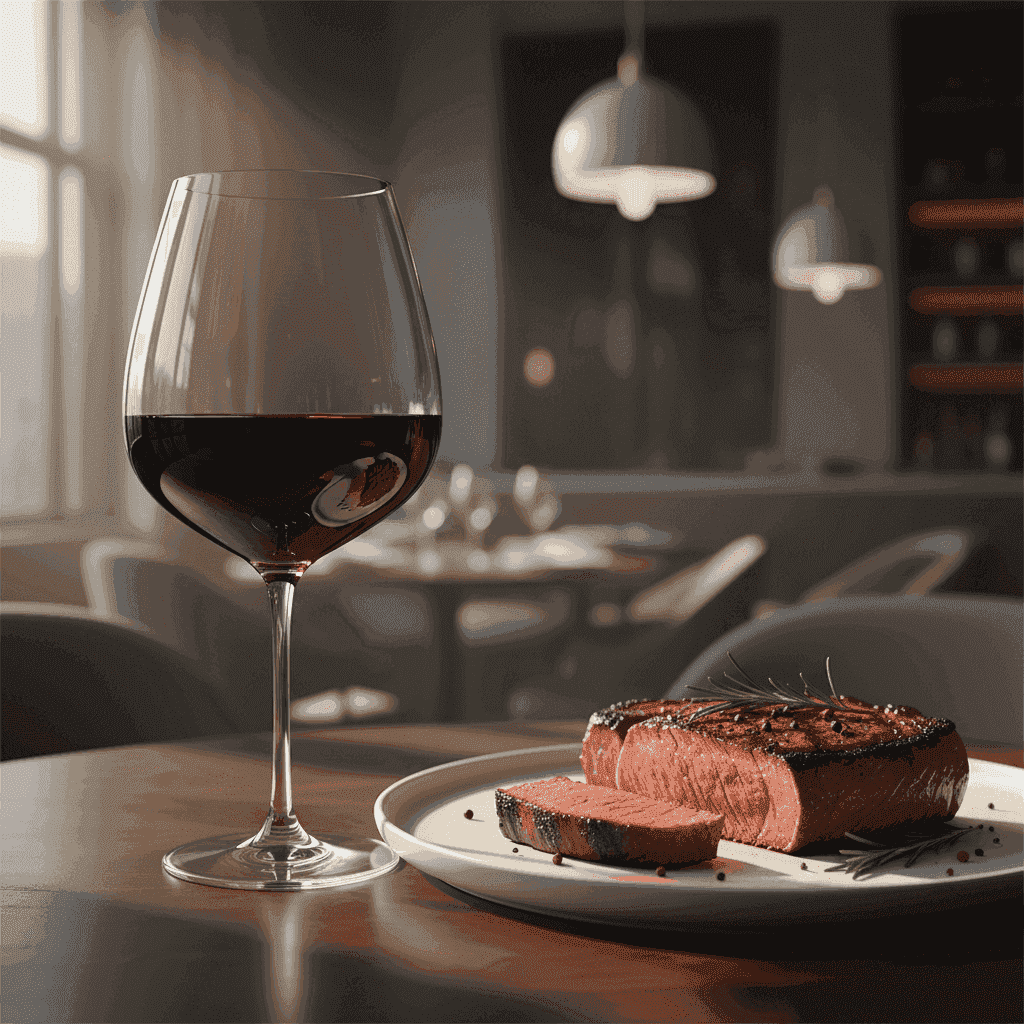
Syrah (or Shiraz in Australia) offers a powerful, spicy, and often smoky profile with dark fruit notes, making it an excellent match for grilled or pepper-crusted steaks. Its peppery notes and ripe tannins complement the char and seasoning of seared meat.
Malbec
Malbec, particularly from Argentina, provides a fruit-forward yet structured option, characterized by soft tannins, dark plum flavors, and often a hint of chocolate or violet. It pairs wonderfully with leaner steaks or those prepared with savory sauces, offering a smoother, less aggressive alternative to Cabernet.
Zinfandel
California Zinfandel delivers a bold, jammy, and often spicy wine with higher alcohol, ideal for barbecued or heavily seasoned steaks. Its exuberance can complement rich flavors and bolder preparations.
Merlot
Merlot, softer and more approachable than Cabernet Sauvignon, offers plum and herbal notes with smoother tannins, making it suitable for leaner steaks or those with lighter sauces. It's a versatile choice for less intense steak preparations.
Where Do the Best Regional Red Wine Pairings for Steak Originate?
Specific wine regions are renowned for producing red wines that naturally align with steak, often shaped by their terroir and winemaking traditions. Exploring these regions offers reliable and classic pairings.
Bordeaux (France)
Bordeaux, particularly its Left Bank blends (Cabernet Sauvignon dominant), epitomizes the classic steak pairing with its structured tannins, complex savory notes, and age-worthiness. A well-aged Bordeaux from appellations like Pauillac or Margaux provides an unparalleled experience with prime cuts.
Napa Valley (USA)
Napa Valley Cabernet Sauvignon offers a powerful, fruit-driven, and often oak-influenced style that perfectly complements rich, American-style steaks. These wines are typically opulent and ready to impress with their bold flavors.
Mendoza (Argentina)
Mendoza is the world's leading region for Malbec, producing wines with ripe fruit, smooth tannins, and often a characteristic violet aroma, making them superb with grilled steak and Argentine asado. The high altitude vineyards contribute to the grape's intensity and freshness. For more on specific grapes, consider exploring a Tempranillo Wine Guide 2026 for Spanish alternatives.

Ribera del Duero (Spain)
Ribera del Duero's Tempranillo (known locally as Tinto Fino) offers robust, complex wines with dark fruit, tobacco, and often leathery notes, excellent with grilled lamb chops or beef. These wines are known for their firm structure and aging potential.
Barolo/Brunello (Italy)
Italy's Barolo (Nebbiolo) and Brunello di Montalcino (Sangiovese Grosso) provide highly tannic, aromatic, and complex wines that pair majestically with rich, earthy steak preparations or those featuring truffles. These wines demand patience and significant fat to balance their powerful structure. For deeper dives into Italian wines and regions, check out the Best Wineries in Italy 2026.
How Does Steak Preparation Influence Wine Choice?
The method of cooking, sauces, and seasoning applied to a steak significantly dictate the most suitable red wine pairing. A versatile wine might work with plain steak, but specific preparations call for tailored choices.
Grilled or Seared Steak
Grilled or seared steaks, with their smoky char and robust crust, pair best with wines that have a smoky or spicy edge and good tannic structure. Think Syrah/Shiraz or a hearty Cabernet Sauvignon to complement the intense flavors.
Sauced Steak
When steak is accompanied by a sauce, the wine pairing should consider the sauce's primary flavors: a creamy mushroom sauce might call for a more earthy Merlot, while a peppercorn sauce demands a peppery Syrah. A red wine reduction sauce, for instance, would beautifully marry with a Bordeaux blend.
Rare vs. Well-Done
Rarer steaks, with their higher blood content and firm texture, benefit from wines with firmer tannins, as the meat's proteins soften the wine's astringency. Conversely, well-done steaks, often drier, might prefer softer, fruitier reds like a softer Malbec or Merlot.
Are There Quality Budget-Friendly Red Wines for Steak?
Excellent red wine pairings for steak don't require an exorbitant budget, as many regions offer high-quality, affordable options. Focus on value-driven regions and less-hyped appellations for smart buying.
Value Cabernet Sauvignons
Look for Cabernet Sauvignons from less famous sub-regions within major wine countries, or from emerging regions like Chile or parts of Australia, for robust, tannic options without the premium price tag. These often deliver impressive fruit and structure for their cost.
Affordable Malbecs
Argentina remains a consistent source of fantastic value Malbecs, offering smooth, fruity, and approachable wines that are perfect for everyday steak dinners. Explore different producers within Mendoza for diverse styles.
Everyday Zinfandel
California produces a wide range of Zinfandel, with many affordable options that provide bold fruit and spice, ideal for casual steak meals or barbecue. These wines offer great bang for your buck.
Can Winery Visits Enhance Steak Wine Pairing Knowledge?
Winery visits offer an unparalleled opportunity to deepen your understanding of wine and discover new favorites for steak pairings directly from producers. Engaged interaction with winemakers and sommeliers can provide invaluable insights.
Tasting Room Etiquette
Approaching a tasting room with an open mind and specific questions about food pairing will enhance your experience and lead to personalized recommendations. Always taste with purpose, noting flavors and textures.
Seeking Sommelier Advice
Winery sommeliers are an invaluable resource; articulate your preferences for steak and wine styles to receive expert-curated suggestions. They often have unique insights into their estate's wines and their ideal culinary matches.
Winery Experiences (e.g., Argentine Asado)
Some wineries, especially in regions like Mendoza, offer culinary experiences like an Argentine asado (barbecue), explicitly demonstrating how their Malbecs pair with various grilled meats. These immersive experiences solidify pairing knowledge.
What Advanced Strategies Elevate Steak & Wine Pairings?
Moving beyond basic pairings involves considering the wine's age, matching overall intensity, and integrating side dishes into the pairing equation. These nuances elevate the dining experience.
Age of the Wine
Aged red wines, particularly those with softened tannins and developed tertiary aromas (earth, leather, tobacco), can offer a more complex and refined pairing for steak, complementing savory rather than purely fruity notes. Learn more about longevity in Aged Like a Fine Wine: Unlocking the Secrets of Longevity in 2026.
Matching Intensity
Ensure the wine's intensity (both in flavor and alcohol) broadly matches the steak's richness and seasoning; a delicate wine will be lost with a heavily spiced steak, and vice-versa. This foundational principle ensures harmony.
Considering Side Dishes
Side dishes can shift the optimal wine pairing; a creamed spinach or truffle mashed potatoes might call for a wine with more earthy notes or acidity to cut through richness. Always consider the entire plate, not just the protein.
How to Store and Serve Steak Wines?
Proper storage and serving are paramount to enjoying any red wine, especially those destined for a premium steak pairing. Attention to temperature and aeration can significantly impact perception.
Optimal Storage Conditions
Store red wines in a cool, dark place with consistent temperature and humidity to preserve their quality and ensure they develop properly for your steak dinner. Fluctuations can prematurely age or damage the wine.
Decanting and Aeration
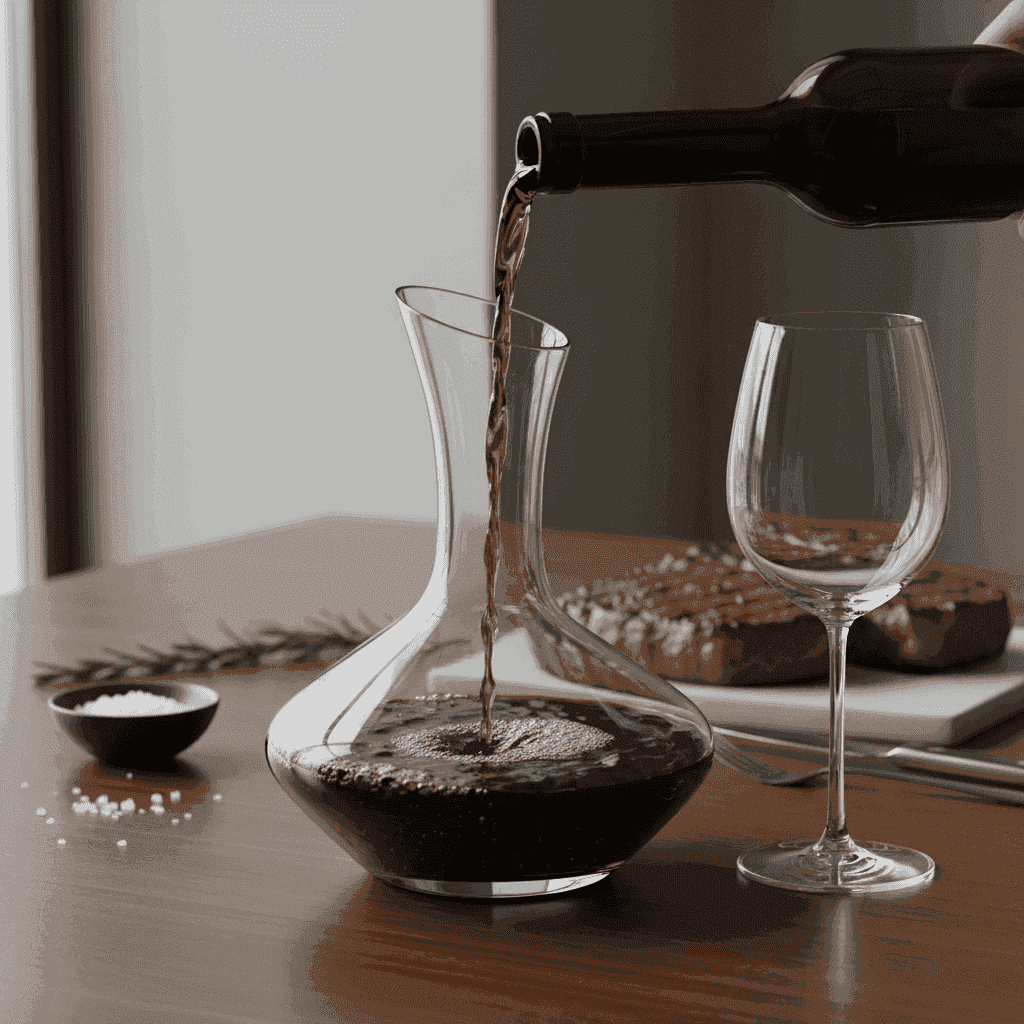
Many full-bodied red wines, particularly younger, tannic ones, benefit from decanting for 30 minutes to several hours to soften tannins and allow complex aromas to emerge before pairing with steak. Consider How to Choose the Perfect Red Wine Glass in 2026 for optimal serving vessels.
Serving Temperature
Serve red wine for steak slightly below room temperature, ideally between 60-65°F (15-18°C), to showcase its complexity without making it taste alcoholic or flat. Too warm, and the alcohol becomes dominant; too cold, and flavors are muted.
What Key Decisions Guide Buying Red Wine for Steak?
Making informed buying decisions for red wine for steak involves choosing between online and retail, understanding label information, and leveraging expert advice. Smart shopping ensures a satisfying match.
Online vs. Retail
Both online wine retailers and brick-and-mortar stores offer distinct advantages when buying wine for steak: online provides vast selection and competitive pricing, while retail offers personal guidance and immediate access. Evaluate your priorities for convenience versus interaction.
Understanding Labels
Deciphering wine labels is key to selecting the right bottle, paying attention to grape variety, region, vintage, and producer notes that indicate style and potential pairings. Look for keywords like 'full-bodied' or 'structured'.
Consulting Experts
Don't hesitate to ask a wine shop attendant or sommelier for recommendations tailored to your steak preference, budget, and desired flavor profile. Their expertise can guide you to perfect pairings.
What are Common Mistakes to Avoid When Pairing Steak and Wine?
Avoiding common pitfalls ensures a more harmonious steak and wine experience, focusing on balance and thoughtful consideration of all elements. Simple adjustments can make a big difference.
Ignoring Tannin
A primary mistake is pairing a high-tannin wine with a lean steak or one with little fat, resulting in a harsh, overly astringent sensation on the palate. Tannins need fat to soften their grip.
Overlooking Sauce Impact
Neglecting to consider the sauce's flavor profile when selecting a wine can lead to clashes; a delicate wine might be overwhelmed by a strong sauce, or vice-versa. The sauce often dictates the pairing as much as the steak itself.
Serving Too Warm
Serving red wine too warm is a common error that can make it taste flabby, overly alcoholic, and diminish its nuanced flavors, especially with a rich steak. Ensure the wine is properly chilled to its ideal serving temperature.
“The perfect steak and wine pairing is less about strict rules and more about finding a harmonious balance where each elevates the other, creating a symphony of flavors and textures.”
Is There a Specific Wine Pairing Guide for Each Steak Cut?
Yes, this table provides a concise guide to pairing popular steak cuts with their ideal red wine counterparts, considering their fat content and flavor intensity.
| Steak Cut | Characteristics | Recommended Red Wine | Why It Works |
|---|---|---|---|
| Ribeye | High fat, rich marbling, intense flavor | Cabernet Sauvignon (Napa), Syrah/Shiraz (Barossa) | Bold tannins cut through fat; rich fruit matches intensity. |
| New York Strip | Moderate fat, firm texture, good beefy flavor | Bordeaux Blend, Zinfandel | Structured tannins and spice complement firm texture. |
| Filet Mignon | Lean, tender, subtle flavor | Merlot, Malbec, Pinot Noir (robust styles) | Softer tannins and fruit don't overpower delicate meat. |
| Porterhouse/T-Bone | Combination of Filet and Strip, good marbling | Barolo, Brunello di Montalcino, robust Cabernet | Demands a powerful, complex wine for its dual nature. |
| Skirt/Flank Steak | Lean, chewy, strong beefy flavor, often marinated | Malbec (Argentina), Tempranillo (Rioja Crianza) | Fruit-forward and approachable tannins stand up to marinades and flavor. |
How to Approach a Wine Shop for Steak Pairing Advice?
Getting the best advice from a wine shop requires a clear approach and some preliminary information to guide the sommelier or sales associate. Follow these steps for success:
-
Know Your Steak:
Clearly state the type of steak (e.g., ribeye, filet), how it will be prepared (grilled, pan-seared), and any primary sauces or seasonings. This information is critical for an accurate recommendation.
-
Set a Budget:
Communicate your price range upfront to allow the expert to narrow down options efficiently without overstepping your comfort zone. There are great wines at every price point.
-
Share Your Preferences:
Mention any red wine styles you generally enjoy (e.g., 'I like big, bold reds' or 'I prefer something smoother'). This helps tailor recommendations to your palate.
-
Ask Specific Questions:
Inquire about the wine's characteristics, such as its tannin level, acidity, and predominant flavors, and how they interact with steak. Understanding the 'why' behind the pairing enhances your knowledge.
-
Consider the Occasion:
Is it a casual weeknight dinner or a special celebration? This can influence whether a more approachable or a more complex, age-worthy wine is recommended. For other pairing inspiration, consider an article like Best Wine and Pizza Pairing in 2026.