How Does Wine Enhance Flavor in Dishes?
Wine enhances flavor through several mechanisms: it provides acidity to balance richness, acts as a solvent for fat-soluble flavor compounds, and contributes its own aromatic complexity. The alcohol also helps to carry and distribute aromas throughout the dish, evaporating during cooking to leave behind concentrated flavors.
Acidity and Balance
The acidity in wine cuts through richness, brightens flavors, and prevents dishes from tasting heavy or cloying. This is particularly evident in tomato-based sauces, where a splash of red wine can elevate the natural acidity of the tomatoes, or in creamy dishes, where white wine provides a refreshing counterpoint.
Deglazing and Reduction Techniques
Wine is essential for deglazing, dissolving the flavorful browned bits (fond) stuck to the bottom of a pan after searing ingredients. This creates the base for incredibly rich sauces. Reducing wine intensifies its flavors, creating a concentrated essence that adds depth to gravies and glazes.
- Sear Meat/Vegetables: Brown your chosen ingredients in a hot pan until a flavorful crust forms on the bottom.
- Remove Ingredients: Take the seared items out of the pan and set aside.
- Add Wine: Pour a generous splash (1/2 to 1 cup) of appropriate wine (red for dark meats, white for lighter) into the hot pan.
- Scrape Fond: Use a wooden spoon to vigorously scrape the browned bits (fond) from the bottom of the pan as the wine simmers.
- Reduce: Let the wine simmer and reduce by half, concentrating its flavors.
- Build Sauce: Add broth, cream, herbs, or other ingredients to create your finished sauce, then return the seared items to finish cooking in the sauce.
Classic Red Wine Recipes You Must Try
Red wine lends itself beautifully to hearty, slow-cooked dishes and rich sauces that benefit from its robust character. These recipes are culinary staples that showcase wine's transformative power.
Beef Bourguignon
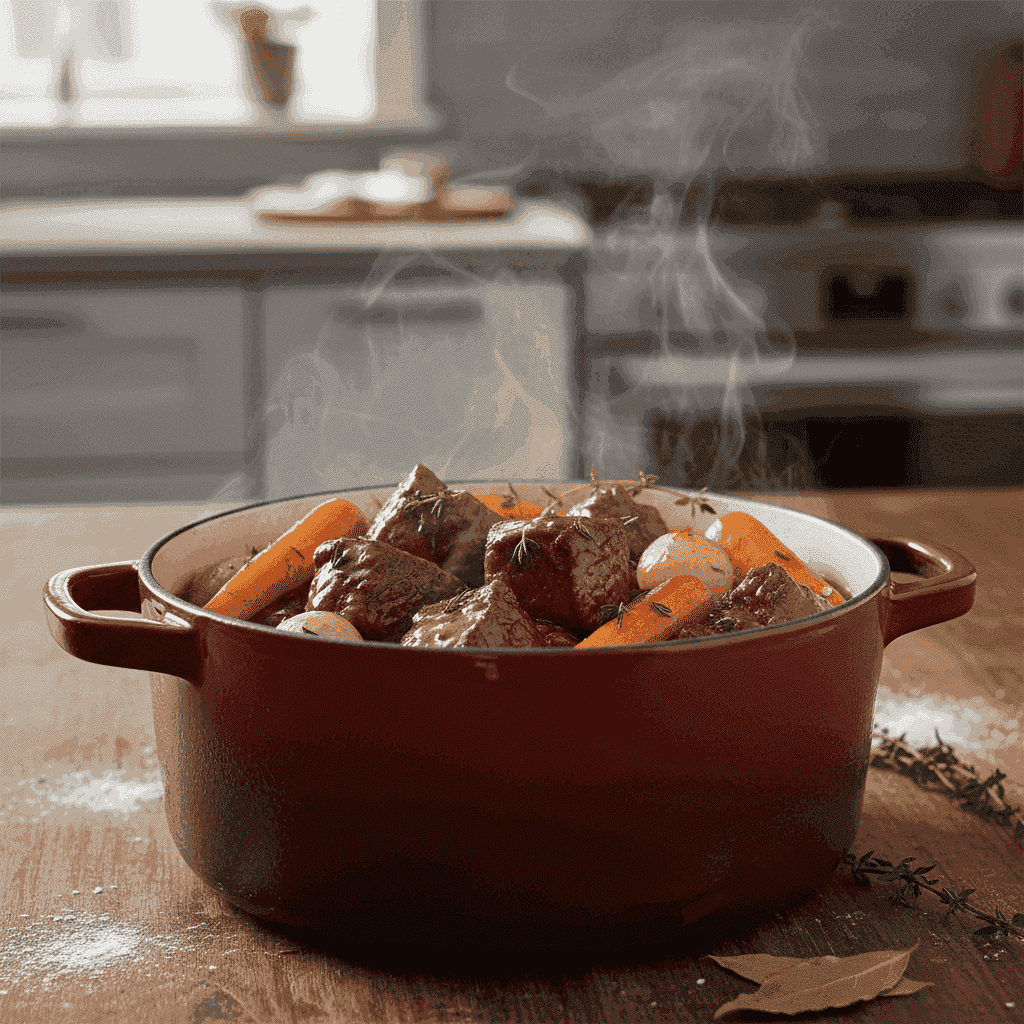
Beef Bourguignon is a quintessential French stew where beef is slow-braised in red wine, often Burgundy, along with bacon, mushrooms, and pearl onions. The wine tenderizes the meat and infuses it with deep, savory, and slightly sweet flavors. For ideal results, explore the best varietals from Italy's Premier Wine Regions that offer similar flavor profiles to traditional Burgundy.
Coq au Vin
Coq au Vin is a classic French dish where chicken pieces are braised in red wine, typically Pinot Noir, with mushrooms, lardons, and often a touch of brandy. This results in incredibly tender chicken enveloped in a rich, flavorful sauce.
Red Wine Reduction Sauce for Steaks
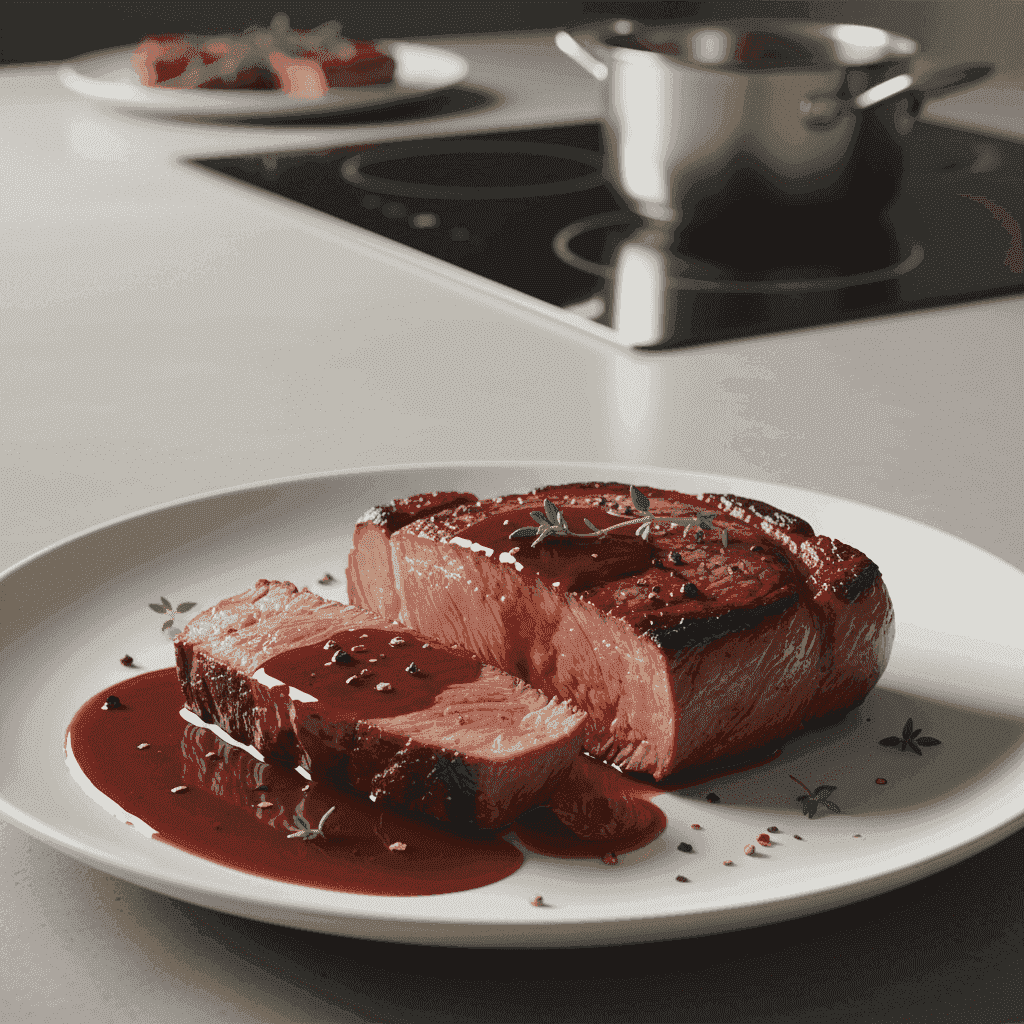
A simple yet elegant red wine reduction sauce elevates any grilled or pan-seared steak. Made by simmering red wine with shallots, herbs, and beef broth, it concentrates into a glossy, flavorful accompaniment.
White Wine Wonders: Light & Flavorful Dishes
White wines bring brightness, acidity, and subtle fruit notes to lighter preparations, perfect for seafood, poultry, and vegetable-focused meals. Their versatility makes them indispensable in a well-equipped kitchen.
Mussels in White Wine Garlic Sauce
Steaming mussels in a fragrant broth of white wine, garlic, and herbs is a quick and incredibly flavorful dish. The wine contributes a zesty, aromatic base that perfectly complements the briny mussels. For a perfect appetizer, consider serving this alongside Best Starters for Wine.
Creamy Risotto with White Wine
A splash of dry white wine is crucial in making a creamy, authentic risotto. It deglazes the pan, adds a layer of complexity, and helps the Arborio rice absorb flavors as it cooks, creating that characteristic rich texture.
Lemon Herb Chicken with White Wine
Roasting or pan-frying chicken with lemon, fresh herbs, and a splash of white wine creates a wonderfully tender and aromatic dish. The wine keeps the chicken moist and infuses it with delicate, bright flavors.
Beyond the Bottle: Dessert & Specialty Wine Uses
Wine isn't just for savory dishes; it can also play a starring role in desserts and unique culinary preparations. Exploring these applications can add an unexpected gourmet touch to your repertoire.
Poaching Pears in Red Wine
Pears poached in a sweet red wine syrup, often spiced with cinnamon and star anise, create an elegant and simple dessert. The pears absorb the wine's color and flavor, resulting in a beautiful and aromatic treat.
Zabaione with Marsala Wine
Zabaione is a classic Italian custard made with egg yolks, sugar, and Marsala wine, whisked over a bain-marie until light and frothy. The Marsala adds a distinctive nutty, caramelized sweetness that is irresistible.
Wine Jellies and Reductions for Cheese
Reducing sweet wines or fortified wines into jellies or glazes provides a sophisticated accompaniment for cheese boards or foie gras. These concentrated flavors offer a luxurious counterpoint to rich ingredients.
"Wine makes every meal an occasion, every table more elegant, every day more civilized."
What are the Best Tips for Cooking with Wine Effectively?
To maximize the impact of wine in your cooking, consider its quality, timing of addition, and how it interacts with other ingredients. Small details can make a big difference in the final dish.
Use Wine You Would Drink
Always cook with a wine that you would be happy to drink on its own; if it doesn't taste good in the glass, it won't taste good in your food. The flavors will only intensify as the alcohol evaporates, so quality matters. This principle applies to all wine selections, whether for cooking or for enjoying a Mastering the Wine Journey tasting.
Allow Alcohol to Evaporate
Ensure that the alcohol has enough time to cook off, especially when adding wine early in the cooking process. Simmering allows the sharp alcoholic notes to dissipate, leaving behind only the concentrated flavors of the wine. Typically, this takes about 10-15 minutes of simmering.
Pair Wine to the Dish's Dominant Flavors
Match the wine to the dominant flavor profile of your dish, much like you would for food pairing. For example, use robust reds for rich meats and light, crisp whites for delicate seafood, aligning with general Aged Like Fine Wine pairing principles.
What Common Wine Cooking Mistakes Should I Avoid?
Steering clear of common pitfalls ensures your wine-infused dishes are delicious, not disastrous. Awareness of these mistakes can elevate your culinary results.
Using "Cooking Wine"
As previously mentioned, dedicated "cooking wines" are often of poor quality, loaded with salt, and lack the nuanced flavors real wine offers. These additions can negatively impact the taste of your dish, making it overly salty or giving it an unpleasant chemical aftertaste.
Adding Too Much Wine
An excessive amount of wine can overwhelm other ingredients and make a dish taste too boozy or acidic. Start with a smaller amount and add more gradually, tasting as you go to achieve balance.
Not Reducing the Wine Enough
Failing to reduce the wine adequately means the alcohol might not fully evaporate, leaving a harsh, raw wine flavor. Always allow the wine to simmer and reduce to concentrate its desirable characteristics.
How Should I Pair Cooked Wine Dishes with Fresh Wine?
When serving a dish cooked with wine, it's often best to pair it with the same, or a similar, wine that was used in the cooking process. This creates a harmonious flavor profile where the wine on the plate complements the wine in the glass.
Matching Reds and Whites
If you used a dry red like a Cabernet Sauvignon in your beef stew, serve a glass of Cabernet Sauvignon or a similar robust red alongside it. For a white wine chicken dish, choose the same varietal or a crisp white with comparable acidity and body. Understanding the Global Grape Map can help in making informed choices.
Consider the Dish's Overall Profile
Beyond the cooking wine, consider the dish's overall richness, acidity, and intensity when selecting a pairing. A rich, creamy risotto might demand a different white wine than a light seafood pasta, even if both were made with white wine.
| Wine Type | Flavor Profile for Cooking | Ideal Dish Types | Best Fresh Wine Pairing |
|---|---|---|---|
| Dry Red (e.g., Merlot, Cabernet Sauvignon) | Robust, dark fruit, savory, tannic | Beef braises, lamb stews, rich sauces, game meats | Same red wine used in cooking |
| Light Red (e.g., Pinot Noir) | Earthy, cherry, delicate tannins | Coq au Vin, mushroom dishes, light poultry | Pinot Noir, Gamay |
| Dry White (e.g., Sauvignon Blanc, Pinot Grigio) | Crisp, acidic, citrus, herbal | Seafood, poultry, pan sauces, risotto, vegetable dishes | Same white wine used in cooking, or similar crisp white |
| Fortified (e.g., Dry Sherry) | Nutty, saline, complex | Consommée, sautéed mushrooms, creamy soups | Dry Sherry (Fino or Amontillado) |
| Fortified (e.g., Sweet Marsala, Port) | Sweet, caramelized, rich | Chicken Marsala, dessert sauces, poached fruit | Sweet Marsala, Port (e.g., Tawny Port for desserts) |
Can You Cook with Old Wine?
While you can cook with wine that is slightly past its prime, it's generally not advisable to use wine that has fully turned to vinegar or developed off-flavors. A wine that is merely 'old' but still drinkable might work, but if it's oxidized or sour, it will impart those undesirable qualities to your food.
Assessing "Old" Wine for Cooking
If an older wine has lost its fruitiness but still has some pleasant acidity and no strong off-notes (like mold or excessive nuttiness that isn't intended), it might be suitable for cooking. However, if it smells distinctly of vinegar or has a metallic taste, discard it. For insights on wines designed for longevity, refer to Aged Like a Fine Wine: Unlocking the Secrets of Longevity.
The Risk of Off-Flavors
Cooking concentrates flavors, so any unpleasant notes in an oxidized or spoiled wine will become even more pronounced in your dish. It's always safer to use a fresh, decent-quality wine to ensure the best results.
What are the Benefits of Cooking with Wine?
Cooking with wine offers numerous benefits, including enhanced flavor, increased tenderness in meats, and the addition of unique aromatic complexity. It's a culinary tool that transcends simple hydration, actively contributing to the overall sensory experience of a meal.
Flavor Depth and Complexity
Wine introduces layers of flavor—from fruity and earthy to savory and spicy—that cannot be achieved with water or broth alone. Its acidity brightens and balances, while its aromatic compounds add a sophisticated dimension to sauces, marinades, and braises.
Meat Tenderization
The acidity in wine helps to break down tough protein fibers in meats, leading to more tender and succulent results, especially in slow-cooked dishes. This tenderizing effect is particularly beneficial for cuts like beef chuck or lamb shoulder.