What is the main difference between Cava and Prosecco?
The primary distinction lies in their production method: Cava uses the labor-intensive Traditional Method, and Prosecco uses the more efficient Charmat Method. This fundamental difference dictates much about their final taste, aroma, and texture, influencing everything from their effervescence to their typical serving occasions.
Cava's Traditional Method Explained
Cava is produced using the Traditional Method, where secondary fermentation, which creates the bubbles, occurs directly in the bottle. This process, also known as méthode champenoise, involves a longer contact time with yeast lees, contributing complex flavors like brioche, nuts, and toasted bread.
Prosecco's Charmat Method Explained
Prosecco is made using the Charmat Method (or Tank Method), where secondary fermentation takes place in large stainless steel tanks. This method preserves the fresh, fruity, and floral characteristics of the Glera grape, resulting in a lighter-bodied wine with vibrant fruit notes and softer, less persistent bubbles compared to Cava.
Understanding Secondary Fermentation
Secondary fermentation is the critical process that creates the effervescence (bubbles) in both Cava and Prosecco, but its location and duration are key differentiators. In the Traditional Method (Cava), a second fermentation occurs in individual bottles after the base wine is bottled with yeast and sugar, while in the Charmat Method (Prosecco), it happens in large, pressurized stainless steel tanks.
Impact on Bubble Texture and Persistence
The distinct production methods directly influence the size, persistence, and overall texture of the bubbles in Cava and Prosecco. Cava, with its bottle fermentation and longer lees contact, typically boasts a finer, more persistent mousse, while Prosecco, produced in tanks, often presents with lighter, frothier, and sometimes less enduring bubbles.
Where do Cava and Prosecco come from?
Cava originates from Spain, predominantly from the Penedès region in Catalonia, while Prosecco hails from specific regions in northeastern Italy, mainly Veneto and Friuli-Venezia Giulia. These geographical indications are crucial, as they dictate the terroir and traditional winemaking practices unique to each sparkling wine.
The Spanish Terroir of Cava
Cava is rooted in various designated regions across Spain, with the Penedès area serving as its historical heartland. The diverse climates and soils within these areas contribute to the varied expressions of Cava, from crisp and dry to richer, aged styles.
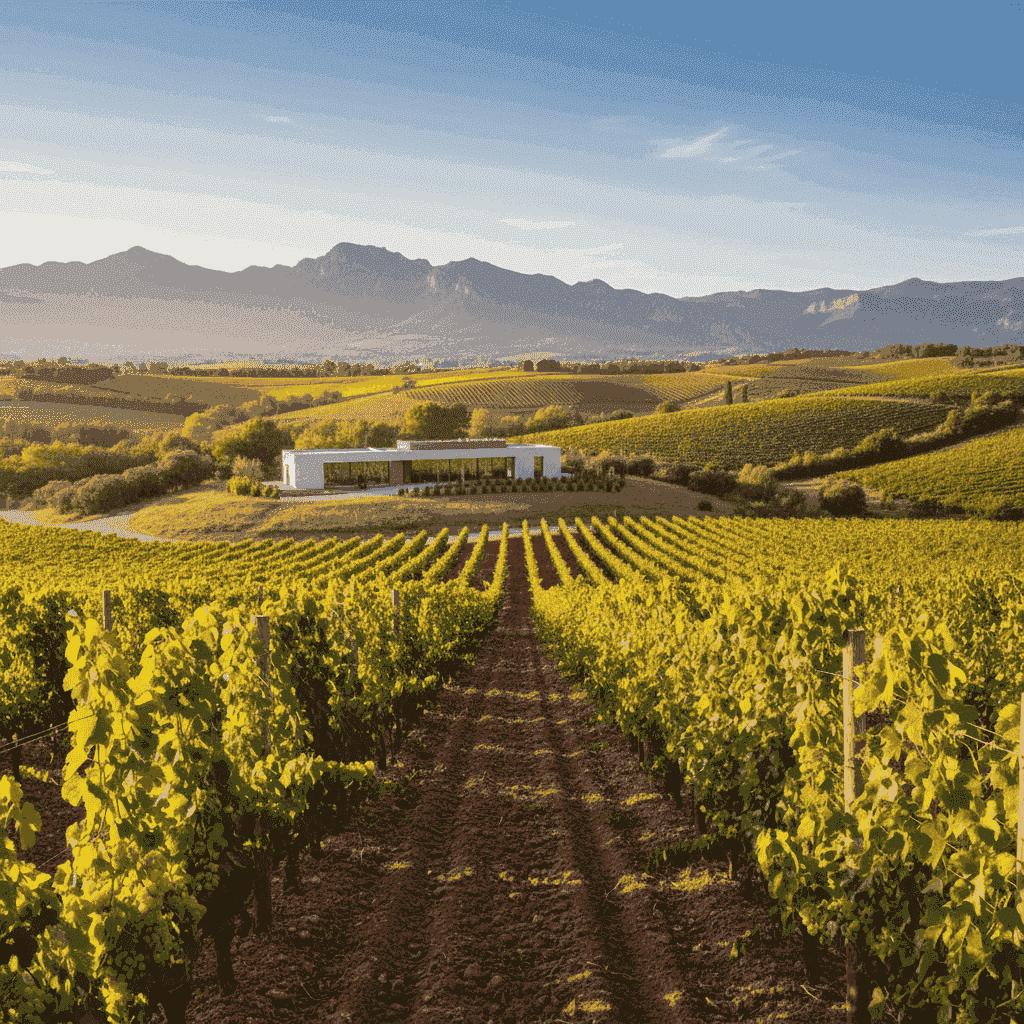
Key Cava Production Regions
While concentrated in Catalonia, Cava's designated production zones extend across several regions in Spain, allowing for diverse styles. These regions are carefully regulated to ensure quality and adherence to traditional Cava winemaking practices.
The Italian Heartland of Prosecco
Prosecco comes exclusively from the Veneto and Friuli-Venezia Giulia regions of Italy, with the most prestigious DOCG appellations found in areas like Conegliano Valdobbiadene. Italy is home to a vast array of celebrated wines; beyond sparkling options, connoisseurs often explore the best wineries in Toscana or delve into the rich history of Chianti Classico, showcasing the country's diverse vinicultural heritage.

Prestigious Prosecco DOCG Zones
The most highly regarded Prosecco wines originate from specific DOCG (Denominazione di Origine Controllata e Garantita) areas in Veneto and Friuli-Venezia Giulia. These include Conegliano Valdobbiadene Prosecco Superiore DOCG and Asolo Prosecco Superiore DOCG, known for their superior quality and often steeper vineyard sites.
What grapes are used in Cava vs. Prosecco?
Cava typically blends traditional Spanish grape varieties like Macabeo, Xarel·lo, and Parellada, while Prosecco is made primarily from the Glera grape. These distinct grape compositions significantly contribute to their individual flavor profiles and aromatic characteristics.
Key Grapes in Cava Production
The primary grape varieties in Cava are Macabeo (Viura), Xarel·lo, and Parellada, though Chardonnay and Pinot Noir are also permitted. Macabeo contributes freshness and aroma, Xarel·lo adds acidity and structure, and Parellada provides floral notes and elegance. Using these local varieties is key to Cava's identity.
Role of Macabeo, Xarel·lo, and Parellada
Macabeo, Xarel·lo, and Parellada are the foundational indigenous grape varieties that define the traditional flavor profile of Cava. Macabeo provides bright fruit and freshness, Xarel·lo contributes structure and acidity, and Parellada offers delicate floral aromatics and a refreshing finish to the blend.
The Dominant Glera Grape in Prosecco
Prosecco must be made from at least 85% Glera grape, an ancient white grape variety native to northeastern Italy. Glera is known for its aromatic profile, bringing notes of green apple, pear, honeydew melon, and white flowers, which are characteristic of Prosecco.
Glera's Characteristic Aromatic Profile
Glera is celebrated for its distinctly fresh, fruity, and floral aromatic profile, which is central to Prosecco's appeal. Its natural high acidity and delicate flavors make it ideal for the Charmat method, allowing its vibrant green apple, pear, and white flower notes to shine.
What are the typical taste profiles of Cava and Prosecco?
Cava often presents with notes of citrus, green apple, and a distinct nutty or bready character from its lees aging, while Prosecco typically offers brighter, fruit-forward flavors of apple, pear, and sometimes tropical fruits, alongside floral aromas. These differences stem directly from their grapes and production methods.
Exploring Cava's Flavor Nuances
Cava's flavor profile is often described as crisp and dry, with a refreshing acidity and complex notes derived from its bottle fermentation. Expect hints of lemon, brioche, toasted almond, and a fine, persistent mousse. Some aged Cavas can develop even deeper, richer characteristics.
Cava's Lees Aging Contributions
Extended contact with yeast lees during Cava's traditional method aging imparts characteristic nutty, brioche, and toasted bread notes. This autolytic character is a hallmark of the Traditional Method, contributing to Cava's complexity and resemblance to Champagne.
Understanding Prosecco's Aromatic Appeal
Prosecco is known for its light, fresh, and aromatic qualities, making it highly approachable. Its primary flavors revolve around crisp green apple, juicy pear, and sometimes a touch of apricot or peach, complemented by delicate floral undertones. The bubbles are typically softer and less persistent.
Prosecco's Fresh Fruit Characteristics
Prosecco is renowned for its vibrant primary fruit flavors, including crisp green apple, ripe pear, and sometimes hints of citrus or stone fruit. These youthful and expressive fruit notes are preserved by the Charmat method, making Prosecco a refreshing and easy-drinking sparkling wine.
How do Cava and Prosecco differ in price and quality?
Generally, Prosecco is often more accessibly priced than Cava, reflecting its less labor-intensive Charmat production method, although both offer a range of quality tiers. Cava's traditional method often leads to a slightly higher production cost and thus, a higher average price point for comparable quality levels.
Cava's Quality and Pricing Structure
Cava's quality hierarchy includes Cava (minimum 9 months aging), Cava Reserva (18 months), Cava Gran Reserva (30 months), and Cava de Paraje Calificado (single estate, 36 months). These extended aging periods directly impact complexity and price, positioning higher-end Cava as a serious contender to Champagne.
Investment in Cava Production
The labor-intensive Traditional Method and longer aging requirements for Cava often translate to a higher production cost compared to Prosecco. Each bottle undergoes individual fermentation and aging, demanding more time, cellar space, and manual intervention, which is reflected in its pricing.
Prosecco's Tiers and Affordability
Prosecco has DOC (Denominazione di Origine Controllata) and the more stringent DOCG (Denominazione di Origine Controllata e Garantita) classifications. While Prosecco Superiore DOCG from Conegliano Valdobbiadene offers superior quality and often higher prices, much of Prosecco remains an excellent value, perfect for everyday enjoyment or celebratory mimosas.
Value Proposition of Prosecco
Prosecco generally offers excellent value, making it an accessible sparkling wine for everyday enjoyment and large gatherings. Its efficient Charmat method allows for a more cost-effective production, making quality sparkling wine widely available at attractive price points.
Which food pairings are best for Cava and Prosecco?
Cava, with its dry and complex profile, excels with savory dishes, tapas, and seafood, while Prosecco, with its fruitier and often slightly sweeter character, is ideal as an aperitif, with light appetizers, or fruit-based desserts. Both offer versatility, but their distinct styles guide optimal pairings.
Cava Pairings: Savory & Sophisticated
Cava's bright acidity and bready notes make it a superb partner for a wide array of foods. It beautifully cuts through rich flavors, making it excellent with Spanish tapas, cured meats, fried foods, seafood, and even roasted chicken. Its versatility makes it a fantastic choice, similar to how a well-chosen sparkling wine can elevate sushi pairings.
Versatility of Cava with Tapas and Seafood
Cava's bright acidity and complex flavors make it an exceptionally versatile partner for a wide range of savory dishes, especially Spanish tapas and various seafood preparations. Its ability to cleanse the palate makes it perfect for rich and oily foods, enhancing the dining experience.
Prosecco Pairings: Fresh & Fruity
Prosecco's lively fruitiness and softer bubbles make it perfect for lighter fare and social occasions. It shines as a refreshing aperitif, alongside fresh fruit, light pastries, soft cheeses, and even spicy Asian cuisine, where its sweetness can balance the heat.
Prosecco for Aperitifs and Desserts
Prosecco's light, fruit-forward, and often slightly sweeter profile makes it an ideal choice for aperitifs, brunch, light appetizers, and fruit-based desserts. Its refreshing character invigorates the palate and beautifully complements sweeter or lighter fare.
Cava vs. Prosecco: Which is right for your occasion?
The choice between Cava and Prosecco ultimately depends on your personal taste preference, the occasion, and the food you plan to pair it with. Cava offers complexity and a drier profile suitable for formal dining, while Prosecco provides approachable fruitiness for casual gatherings.
When to Choose Cava
Opt for Cava when you desire a sparkling wine with more complexity, a drier palate, and a Champagne-like character without the Champagne price tag. It's excellent for celebrations, gastronomic pairings, or simply when you appreciate a more nuanced sparkling experience.
Cava for Formal Dining and Celebrations
Cava's complexity, drier profile, and fine mousse lend themselves perfectly to more formal occasions, sophisticated dining, and significant celebrations. Its Traditional Method characteristics make it a worthy companion to multi-course meals and elegant toasts.
When to Choose Prosecco
Select Prosecco for its vibrant fruitiness, lighter body, and refreshing appeal, especially for casual toasts, brunches, or as an easy-drinking aperitif. Its generally softer bubbles and sweeter tendency make it highly enjoyable for those new to sparkling wines or seeking a less challenging profile.
Prosecco for Casual Gatherings and Cocktails
Prosecco's approachable fruitiness, lighter body, and generally softer bubbles make it an excellent choice for casual toasts, brunches, mimosas, and refreshing cocktails. Its cheerful character brightens any informal get-together.
"Both Cava and Prosecco offer incredible value and delight in the world of sparkling wine. Understanding their unique identities allows you to appreciate their craft and choose the perfect bottle for any moment." - A Sommelier's Perspective
Understanding Sweetness Levels: Brut, Extra Dry, Dry
Both Cava and Prosecco come in various sweetness levels, indicated by terms like Brut, Extra Dry, and Dry, which can sometimes be counter-intuitive. These labels denote the amount of residual sugar per liter, significantly influencing the wine's perceived sweetness.
Cava's Sweetness Spectrum
For Cava, 'Brut Nature' is the driest (0-3 g/L sugar), followed by 'Extra Brut' (0-6 g/L), 'Brut' (0-12 g/L), 'Extra Seco' (12-17 g/L, which is 'Extra Dry'), 'Seco' (17-32 g/L, which is 'Dry'), 'Semi-Seco' (32-50 g/L), and 'Dulce' (50+ g/L, 'Sweet'). Most Cavas are produced in the Brut style, emphasizing dryness and acidity.
Decoding Brut Nature and Extra Brut Cava
Brut Nature and Extra Brut represent the driest styles of Cava, containing minimal to no residual sugar, appealing to palates that prefer extreme dryness. These categories allow the wine's intrinsic flavors and acidity to shine unmasked by sweetness.
Prosecco's Sweetness Labels
Prosecco typically uses 'Brut' (0-12 g/L sugar), 'Extra Dry' (12-17 g/L), and 'Dry' (17-32 g/L). It's important to note that 'Extra Dry' Prosecco is actually sweeter than 'Brut', and 'Dry' Prosecco is sweeter still, often tasting off-dry or noticeably sweet. The most common style of Prosecco found is Extra Dry.
Why 'Extra Dry' Prosecco is Sweeter than 'Brut'
Contrary to what the name suggests, 'Extra Dry' Prosecco contains more residual sugar than 'Brut' Prosecco, making it taste noticeably sweeter. This terminology can be confusing for consumers, but it reflects traditional labeling practices in some European wine regions.

How to choose your ideal sparkling wine?
Choosing between Cava and Prosecco comes down to understanding your palate and the context of your enjoyment. Consider the following factors to make an informed decision for your next sparkling wine purchase.
Personalized Selection Criteria for Sparkling Wine
Identifying your preferences for taste, occasion, and budget are key steps in choosing between Cava and Prosecco. Whether you lean towards dry and complex or fresh and fruity will largely determine your ideal sparkling wine.
Step-by-Step Selection Guide
- Consider Your Taste Preference: Do you prefer complex, bready, and nutty notes with fine bubbles (Cava), or fresh, fruity, and floral aromas with softer bubbles (Prosecco)?
- Match with the Occasion: Is it a formal dinner requiring a wine that stands up to food (Cava), or a casual brunch or aperitif where light and refreshing is key (Prosecco)?
- Evaluate Sweetness Desired: If you prefer very dry, look for Cava Brut Nature or Brut. If you enjoy a touch of sweetness with prominent fruit, Prosecco Extra Dry is a popular choice.
- Think About Price Point: Both offer great value, but Cava with extended aging can sometimes command higher prices. Prosecco typically offers excellent everyday affordability.
- Explore Food Pairings: Are you pairing with rich tapas or seafood (Cava), or light appetizers, fruit, or a Mimosa (Prosecco)?
Comparison Table: Cava vs. Prosecco
This table provides a concise overview of the key distinguishing characteristics between Cava and Prosecco, helping you quickly identify their differences.
Quick Reference Guide to Cava and Prosecco Differences
This concise table highlights the essential distinctions between Cava and Prosecco, offering a quick and clear comparison for enthusiasts and newcomers alike.
| Feature | Cava | Prosecco |
|---|---|---|
| Origin | Spain (mainly Penedès, Catalonia) | Italy (Veneto & Friuli-Venezia Giulia) |
| Production Method | Traditional Method (bottle fermented) | Charmat Method (tank fermented) |
| Main Grapes | Macabeo, Xarel·lo, Parellada | Glera (min. 85%) |
| Typical Flavors | Citrus, green apple, brioche, almond | Green apple, pear, honeydew, floral |
| Bubble Texture | Fine, persistent mousse | Softer, less persistent |
| General Price Range | Mid to high (for aged styles) | Low to mid (excellent value) |
| Best Occasions | Celebrations, food pairing, sophisticated sipping | Aperitif, brunch, casual toasts, cocktails |