What is "Wine Dance" in 2026?
"Wine dance" refers to the comprehensive, sensory engagement with wine culture, blending physical movement with deep appreciation and cultural immersion. It's not a single choreographed step, but rather a spectrum of experiences ranging from rhythmic foot-tapping at a winery concert to the methodical swirl and sip of a tasting, all unified by the joy of wine.
Beyond the Glass: Experiencing Wine Culture
Wine culture extends far beyond what's poured into your glass, inviting active participation in its creation and celebration. This involves everything from strolling through vineyards to attending harvest festivals, where the environment itself inspires a sense of movement and connection.
The Metaphorical Steps of Appreciation
Appreciating wine involves a series of sensory "steps" – visual examination, olfactory exploration, and gustatory analysis – each contributing to a complete understanding. Like a dance, each movement builds upon the last, revealing new layers of complexity and pleasure.
The Evolution of Wine Events
Wine events in 2026 are increasingly interactive, integrating music, art, and literal dancing into the tasting experience. Modern wineries and festivals offer diverse programs that encourage guests to move, mingle, and engage with wine in dynamic new ways.
Understanding the Rhythms of the Vineyard
The vineyard itself sets a fundamental rhythm for the wine dance, dictated by seasonal cycles, grape varietals, and winemaking traditions. Learning these natural rhythms enhances your appreciation for every bottle, connecting you to the earth and the labor behind the liquid.
Seasonal Cycles and Grape Growth
The annual cycle of bud break, flowering, veraison, and harvest orchestrates the vineyard's rhythm, influencing grape development and flavor profiles. Each stage demands specific care and attention, shaping the eventual character of the wine.
Walking the Rows: A Meditative Movement
Strolling through vineyard rows offers a meditative "dance," allowing you to observe the terroir, feel the sun, and connect with the vines firsthand. This simple act provides insight into the landscape that nurtures the grapes.
Harvest Hues and Festival Flows
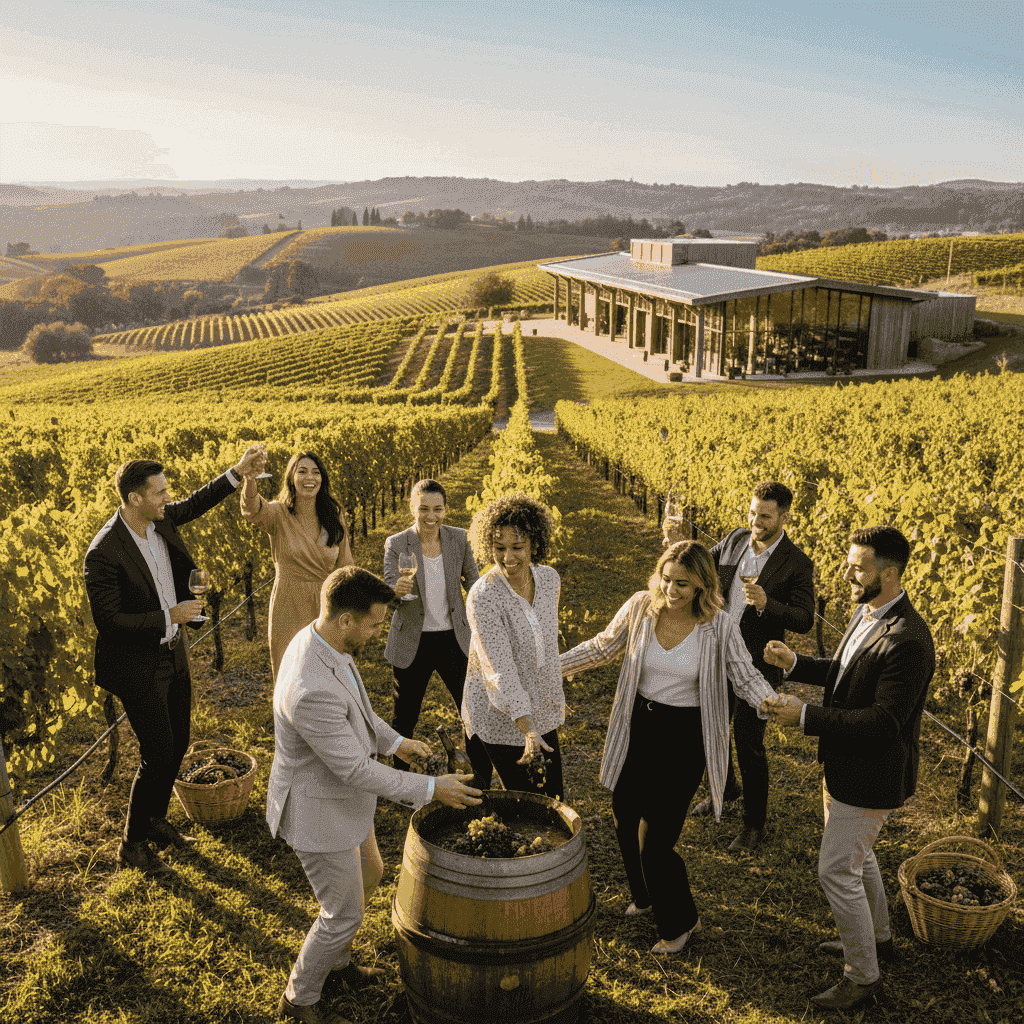
Harvest season often culminates in vibrant festivals, where the celebratory atmosphere naturally encourages dancing, music, and communal feasting. These events are perfect opportunities to experience the joyful, social side of the wine dance.
Touring a Vineyard: A Step-by-Step Guide
A thoughtful vineyard tour is a dance of discovery, guided by expert insights into viticulture and winemaking.
- Start at the Visitor Center: Begin by gathering information and understanding the day's itinerary.
- Walk the Vines: Explore the vineyard rows, observing different grape varietals and their unique growth patterns.
- Visit the Cellar: Descend into the production area, witnessing fermentation tanks and barrel rooms.
- Engage with Staff: Ask questions about the winemaking process, the terroir, and the winery's philosophy.
- Conclude with a Tasting: Finish your tour by sampling the winery's offerings, applying your newfound knowledge.
How Does Wine Tasting Involve a "Dance"?
Wine tasting involves a deliberate, multi-sensory "dance" of observation, aroma, and flavor perception, guided by specific techniques to unlock the wine's full character. It's a structured yet intuitive process, much like a practiced routine.
Swirl, Sniff, Sip: The Tasting Sequence
The classic tasting sequence of swirl, sniff, and sip is the fundamental choreography of wine appreciation. Each action prepares the wine and your senses for the next, revealing layers of complexity. For an in-depth guide, see How to Wine Taste Like a Sommelier in 2026.
Decanting and Aeration Rituals
Decanting and aerating wine are deliberate rituals, akin to an opening dance, allowing the wine to breathe and express its hidden potential. This process softens tannins and unveils complex aromas, especially in older or more robust vintages.
The Palate's Pirouette
As the wine coats your palate, its flavors, textures, and finish perform a "pirouette," evolving and harmonizing to create a complete sensory experience. Pay attention to how different elements, like acidity and body, interact.
The Art of Serving: A Sommelier's Ballet
Serving wine gracefully is an art form, a subtle ballet performed by sommeliers and enthusiasts alike, ensuring the wine is presented and enjoyed at its best. Every detail, from bottle presentation to pouring technique, contributes to the experience.
Selecting the Right Glass
Choosing the correct glass is crucial for a wine to express itself fully, as its shape directs aromas and flavors to specific parts of the palate. Learn more about selecting the perfect vessel in How to Choose the Perfect Red Wine Glass in 2026.
Opening the Bottle Gracefully
Opening a wine bottle without fanfare, even without a corkscrew, is part of the server's finesse, preparing the wine for its grand reveal. For tricky situations, check out How to Open a Wine Bottle Without a Corkscrew in 2026.
Pouring with Precision
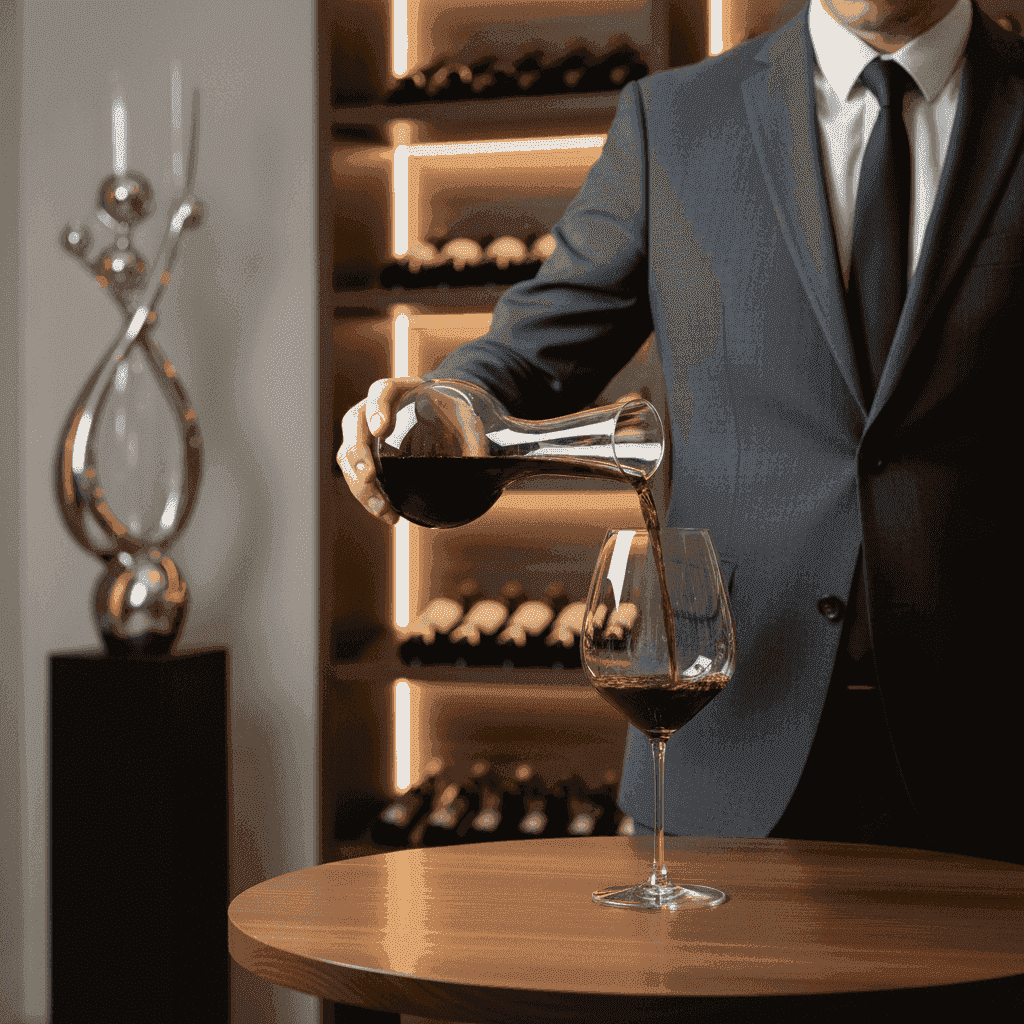
Pouring wine involves precision and care, ensuring the correct amount is served without drips, respecting the bottle and the guest. A steady hand and a slight twist of the wrist prevent spills.
Dancing Through Wine Festivals and Events
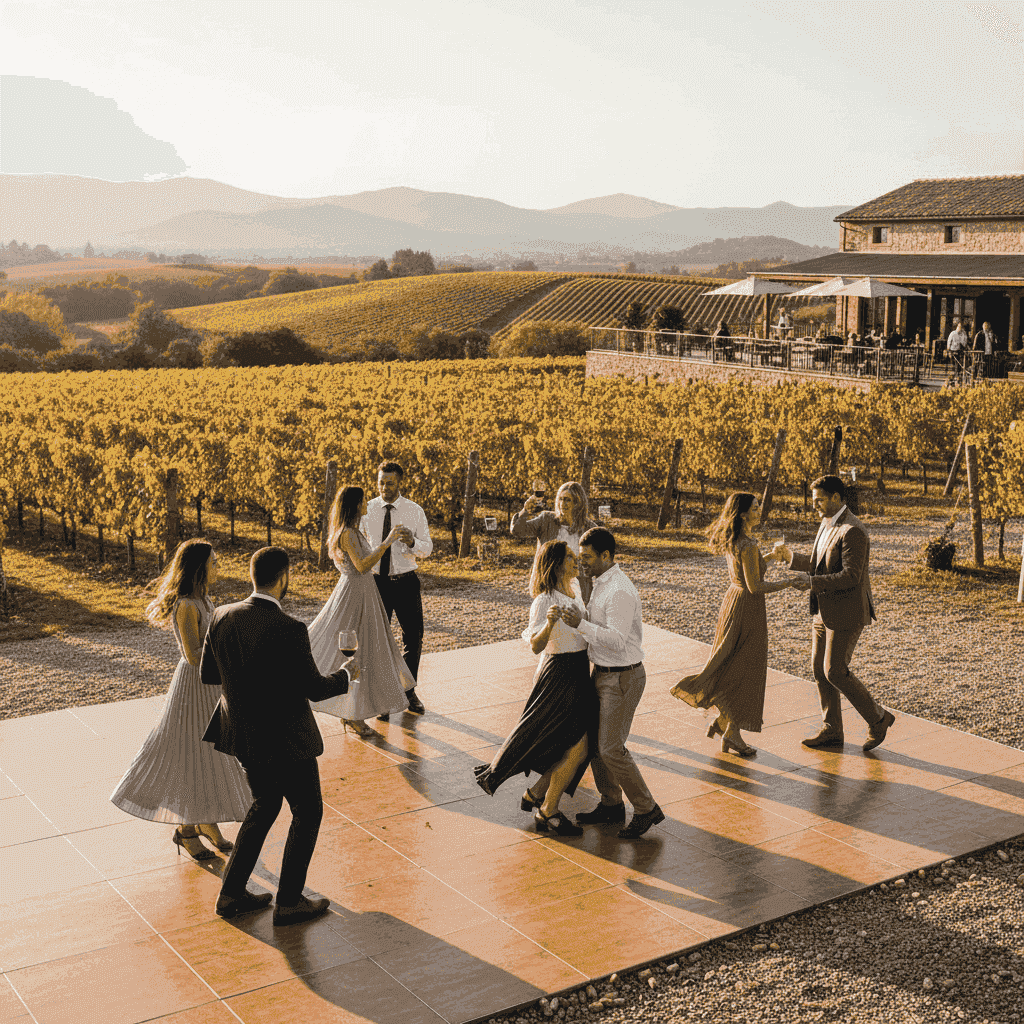
Wine festivals and events are often vibrant celebrations that naturally invite literal dancing, mingling, and joyful participation in local wine culture. These are prime opportunities to combine your love for wine with an energetic social experience.
Embracing Local Traditions
Each wine region has unique traditions and dance forms that often feature prominently at local festivals. Embracing these customs deepens your connection to the culture.
Festival Footwear and Comfort
Comfortable, practical footwear is essential for wine festival "dancing" or extended strolling, ensuring you can enjoy the event without discomfort. Think stylish flats, sneakers, or low-heeled boots.
Navigating Crowds and Tastings
Moving through bustling festival crowds and managing multiple tasting stations requires a fluid, thoughtful approach. Plan your route and stay hydrated to make the most of the experience.
Is There a "Wine Dance" Etiquette?
Yes, there is an unspoken etiquette to the "wine dance" that emphasizes respect for the wine, the producers, and fellow enthusiasts, ensuring a harmonious experience for all. This etiquette promotes a more enjoyable and educational environment.
Respecting the Vineyard and Winery
Treating winery property, vineyards, and equipment with respect is paramount, as these are the heart of the winemaking operation. Avoid touching vines or equipment without permission.
Mindful Consumption
Practicing mindful consumption, including using spit buckets and staying hydrated, allows you to appreciate more wines responsibly throughout the day. It's about quality of tasting, not quantity.
Engaging with Winemakers
Approaching winemakers and staff with thoughtful questions and genuine interest fosters meaningful connections and enriches your understanding. They are often delighted to share their passion.
Pairing Food and Wine: A Culinary Choreography
Pairing food and wine is a delicate culinary choreography, where each element enhances the other, creating a balanced and delightful sensory performance. The goal is synergy, where the whole is greater than the sum of its parts.
Matching Flavors and Textures
Successful pairings involve matching the intensity of flavors and complementary textures between the wine and the dish. For example, bold reds with rich meats, or crisp whites with light seafood. Discover excellent options in Best Starters for Wine in 2026.
Balancing Acidity and Tannin
Understanding how acidity in wine cuts through richness or how tannins complement fatty foods is key to creating harmonious pairings. This balance prevents either the food or wine from overpowering the other.
The Dance of Wine and Cheese
Wine and cheese offer one of the most classic and satisfying "dances" of flavors, with countless combinations to explore. Expert guidance for these pairings can be found in Wine and Cheese Cask Pairings 2026.
Classic Wine and Food Pairings
Some pairings are timeless, offering reliable and delicious combinations that exemplify the culinary choreography of wine and food.
| Wine Type | Ideal Food Pairing | Reasoning |
|---|---|---|
| Sauvignon Blanc | Goat Cheese, Fresh Oysters | High acidity cuts richness, herbaceous notes complement. |
| Chardonnay (Oaked) | Roasted Chicken, Lobster with Butter | Creamy texture and buttery notes match rich dishes. |
| Pinot Noir | Salmon, Mushroom Risotto | Light body and earthy notes complement delicate flavors. |
| Cabernet Sauvignon | Grilled Steak, Lamb Chops | Bold tannins stand up to fatty, savory meats. |
| Prosecco | Light Appetizers, Fresh Fruit | Bubbles cleanse the palate, light sweetness complements. |
How to Prepare for a Wine Country Dance-Off?
Preparing for an immersive wine country experience, whether literal dancing or extensive touring, involves thoughtful planning of your destination, accommodations, and transportation. Proper preparation ensures a smooth and enjoyable trip.
Choosing Your Destination
Selecting a wine region that matches your interests, whether for vibrant festivals or serene vineyard tours, is the first step in planning your "wine dance." For world-class options, explore Best Wineries in Italy 2026.
Booking Accommodations and Transportation
Secure suitable lodging and arrange for safe transportation, especially if you plan to enjoy tastings, ensuring a relaxed and worry-free experience. Consider designated drivers or local taxi services.
Researching Local Events
Check local event calendars for wine festivals, harvest parties, or specific winery events that align with your travel dates. Many regions host unique celebrations throughout the year.
The Global Stages of Wine Dance: Top Regions
Different wine regions around the globe offer distinct "stages" for the wine dance, each with its own cultural rhythms, traditional celebrations, and characteristic wines. Exploring these diverse locales enriches your global wine perspective.
Piedmont's Elegant Movements
Piedmont, Italy, with its majestic Barolos and Barbarescos, embodies an elegant, sophisticated wine dance, often accompanied by refined culinary experiences. The region offers breathtaking landscapes and historic wineries.
Bordeaux's Classic Steps
Bordeaux, France, represents the classic, structured movements of the wine world, known for its grand châteaux and age-worthy blends. Its traditions are deeply rooted in centuries of winemaking history.
Napa Valley's Modern Rhythms
Napa Valley, USA, offers a more contemporary and dynamic wine dance, characterized by innovative winemaking, luxury experiences, and a vibrant, often lively, festival scene.
What Gear Do You Need for Wine Dancing?
While no special gear is strictly required for the metaphorical "wine dance," a few practical items can enhance your comfort and enjoyment during vineyard visits or festival participation. Thoughtful preparation makes a significant difference.
Comfortable Shoes Are Key
Wearing comfortable shoes is crucial for any wine-related activity that involves walking, standing, or dancing, ensuring you can explore freely. Prioritize support and cushioning over high fashion for vineyard tours.
Portable Wine Accessories
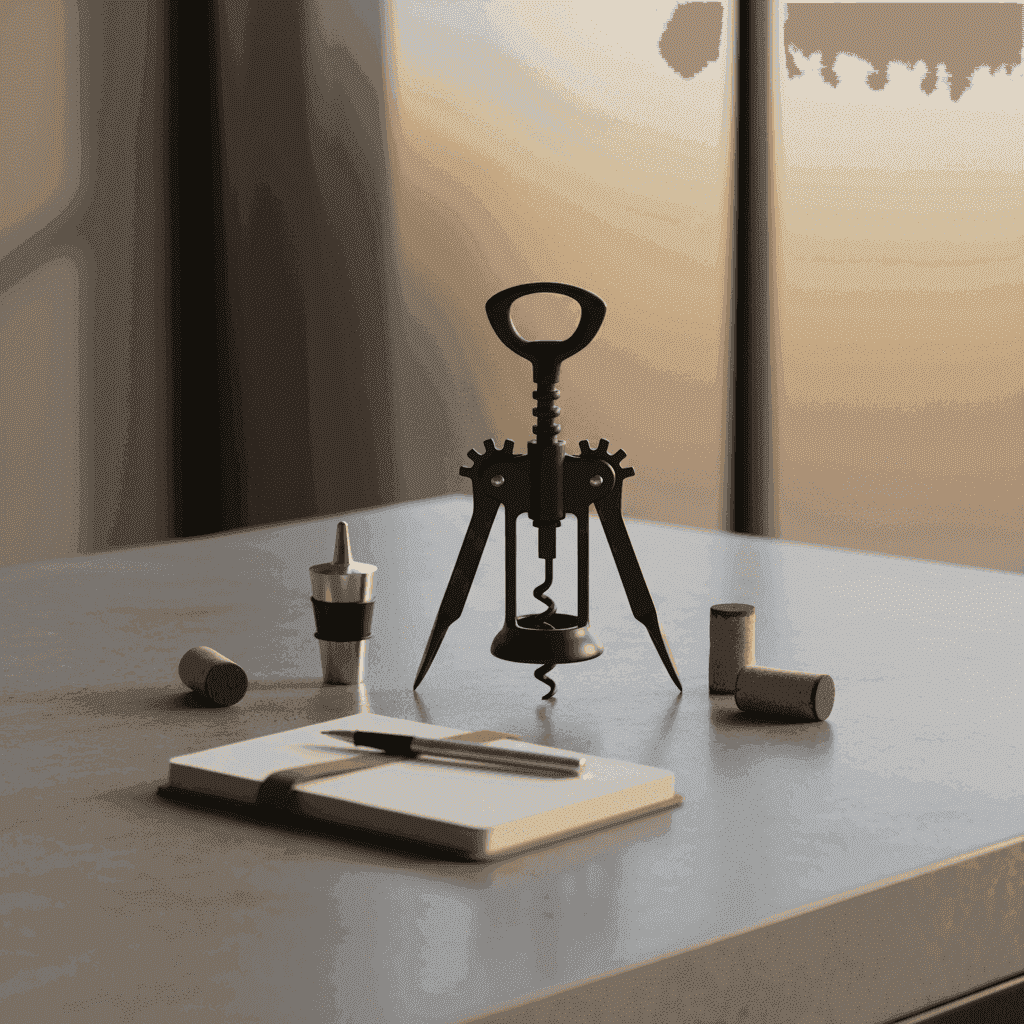
Bringing a small bag with a reusable water bottle, a small notebook for tasting notes, and perhaps a compact corkscrew can be incredibly useful.
Appropriate Attire for Any Climate
Dress in layers, as vineyard temperatures can fluctuate, and consider a hat and sunglasses for sun protection. Always check the weather forecast before your visit.
"Wine, for me, has always been a dance – a delicate balance of nature's rhythm, human artistry, and shared joy. Every sip, every step in the vineyard, is a part of that beautiful choreography."
– Renowned Vintner