Why Does Proper Wine Bottle Handling Matter?
Proper handling of wine bottles is paramount to ensure the wine inside remains undisturbed, preventing spoilage and maintaining its intended quality. Mishandling can introduce oxygen or vibrations that prematurely age or damage the wine.
Protecting Wine Integrity
Gentle handling prevents cork disturbance and minimizes wine agitation, which can affect its delicate chemical balance and lead to 'bottle shock.' This is especially critical for aged wines where sediment needs to remain settled, ensuring the complex flavors are not muddied. Learning to appreciate these nuances is part of mastering how to wine taste like a sommelier.
Preventing Accidental Breakage
Wine bottles, particularly those with thin glass or unique shapes, are susceptible to breakage if not handled with care. Accidents not only lead to loss of wine but can also cause injury. Always support the bottle's base and avoid knocking against hard surfaces.
Maintaining Bottle Value
For collectors, the condition of the bottle, including its label and capsule, directly impacts its resale or aesthetic value. Scratches, torn labels, or damaged capsules can significantly devalue a prized bottle, even if the wine inside is perfect, much like the considerations for a $40,000 bottle of wine.
What are Common Mistakes in Handling Wine Bottles?
Many enthusiasts inadvertently make mistakes in handling wine bottles that can compromise the wine's quality or the bottle's condition. Awareness of these pitfalls is the first step toward better care.
Rough Shaking or Jarring
Aggressively shaking or jarring a wine bottle can disturb sediment, increase oxygen exposure, and lead to temporary dulling of flavors, known as 'bottle shock.' This is particularly detrimental to older, more delicate wines that require a period of rest before serving.
Improper Carrying Techniques
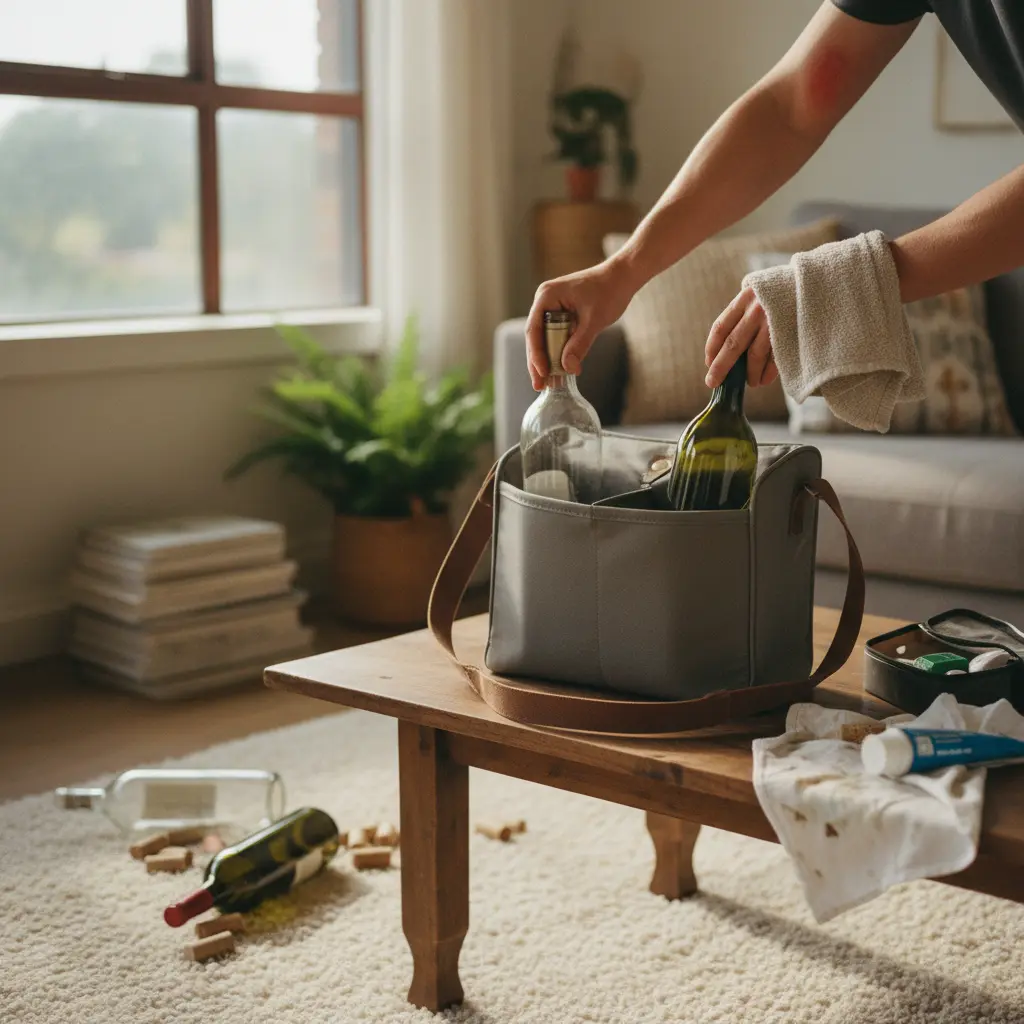
Carrying multiple bottles by the neck or swinging them can lead to accidental drops or collisions. Always carry bottles securely, preferably by the body or using a sturdy wine carrier, distributing weight evenly to prevent stress on the glass or cork.
Exposing to Extreme Temperatures
Sudden or prolonged exposure to extreme heat or cold can severely damage wine. High temperatures can cook the wine and push the cork out, while freezing can cause the wine to expand and crack the bottle. Maintain consistent, moderate temperatures for all wine handling and storage.
How to Safely Transport Wine Bottles?
Safe transportation of wine bottles requires careful planning and appropriate equipment to protect them from temperature fluctuations, movement, and physical shock. This is crucial whether moving across town or bringing back bottles from a winery tour in Italy.
Using Specialized Wine Carriers
Invest in padded wine carriers or boxes designed to hold bottles snugly, preventing them from clinking together or shifting during transit. These carriers often have insulated compartments to help maintain a stable temperature, offering superior protection over standard bags.
Temperature Control During Transit
During transport, especially over longer distances or in varying climates, use insulated bags or coolers with ice packs (ensuring no direct contact with bottles) to keep wine at an optimal temperature. Avoid leaving wine in hot cars or direct sunlight.
Securing Bottles in Vehicles
Always secure wine bottles in your vehicle to prevent rolling, tipping, or impact during braking or turns. Use seat belts for wine carriers, place boxes on the floor wedged between seats, or utilize dedicated trunk organizers for maximum stability.
Optimal Conditions for Wine Bottle Storage?
Achieving optimal storage conditions for wine bottles is essential for the wine to age gracefully, allowing its flavors to develop and mature as intended. Consistency is key in a wine's long-term evolution.
Consistent Temperature and Humidity
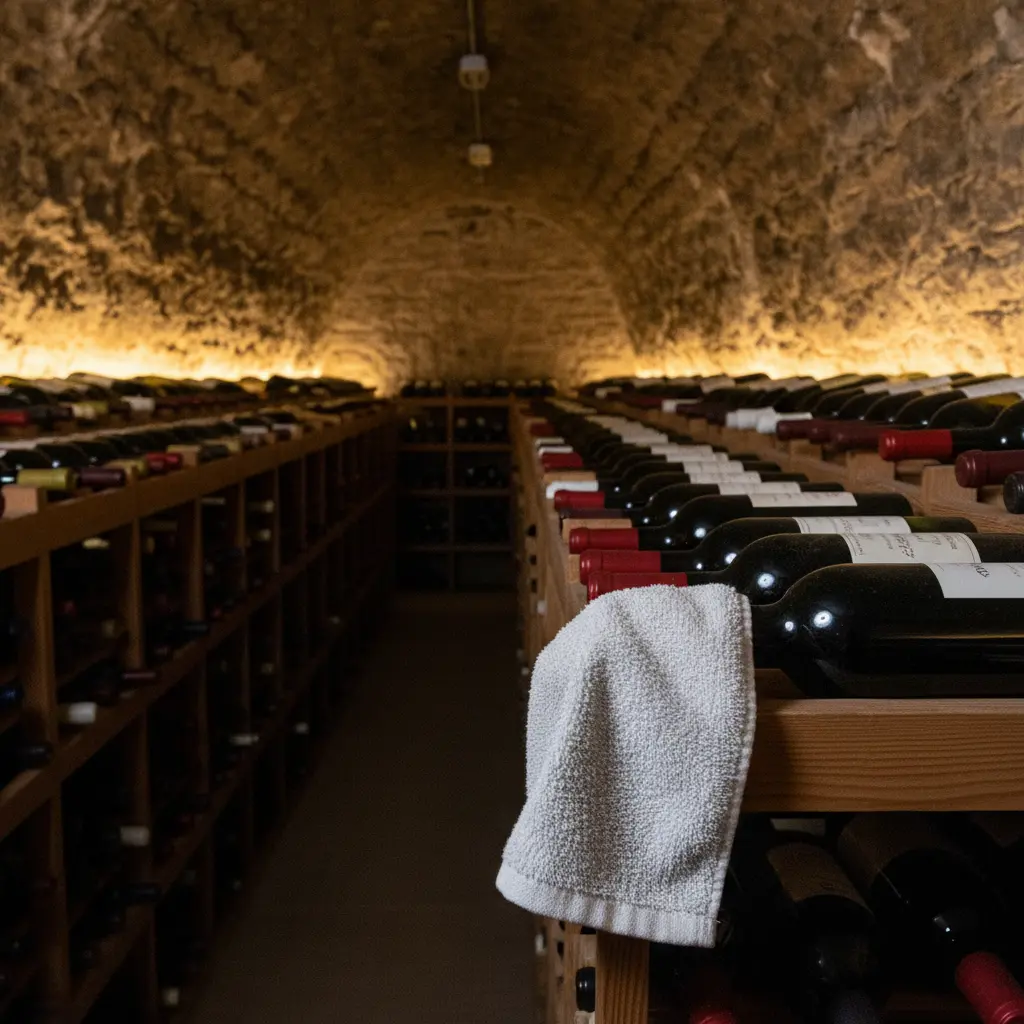
An ideal storage environment maintains a stable temperature between 50-59°F (10-15°C) and 70% humidity to prevent corks from drying out and wine from oxidizing. Fluctuations in either can be detrimental to the wine's development, affecting how it ages like a fine wine.
Darkness and Vibration-Free Environment
Store wine in a dark place, away from direct sunlight or harsh artificial lights, which can degrade wine through UV radiation. Also, ensure the storage area is free from vibrations caused by appliances or heavy traffic, as these can disturb sediment and accelerate aging.
Horizontal vs. Vertical Storage
For wines sealed with natural cork, horizontal storage is crucial to keep the cork moist and expanded, preventing air from seeping in and oxidizing the wine. Screw-cap bottles or those with synthetic corks can be stored vertically without issue.
Is Cleaning Empty Wine Bottles Necessary for Reuse?
Yes, thoroughly cleaning empty wine bottles is absolutely necessary if you plan to reuse them for homemade beverages, infusions, or even crafting. Residual wine, yeast, or bacteria can spoil new contents.
Removing Residue and Sediment
Before any reuse, remove all wine residue, tartrates, and any remaining sediment by rinsing bottles immediately after emptying with hot water. For stubborn deposits, a bottle brush and a mild, unscented cleaning solution are recommended.
Sterilization for Home Winemaking
When reusing bottles for home winemaking or other food-grade purposes, sterilization is critical to prevent contamination. This can be achieved using food-grade sanitizers, boiling, or baking in a low-temperature oven after a thorough wash.
Preparing for Recycling
Even if destined for recycling, a quick rinse of empty wine bottles is good practice. This prevents the growth of mold and unpleasant odors in your recycling bin and often meets the requirements of local recycling programs.
What Tools are Best for Wine Bottle Cleaning?
Having the right tools significantly streamlines the process of cleaning wine bottles, ensuring they are spotless and ready for their next purpose. These tools are designed for efficiency and thoroughness.
Bottle Brushes and Soaking Solutions
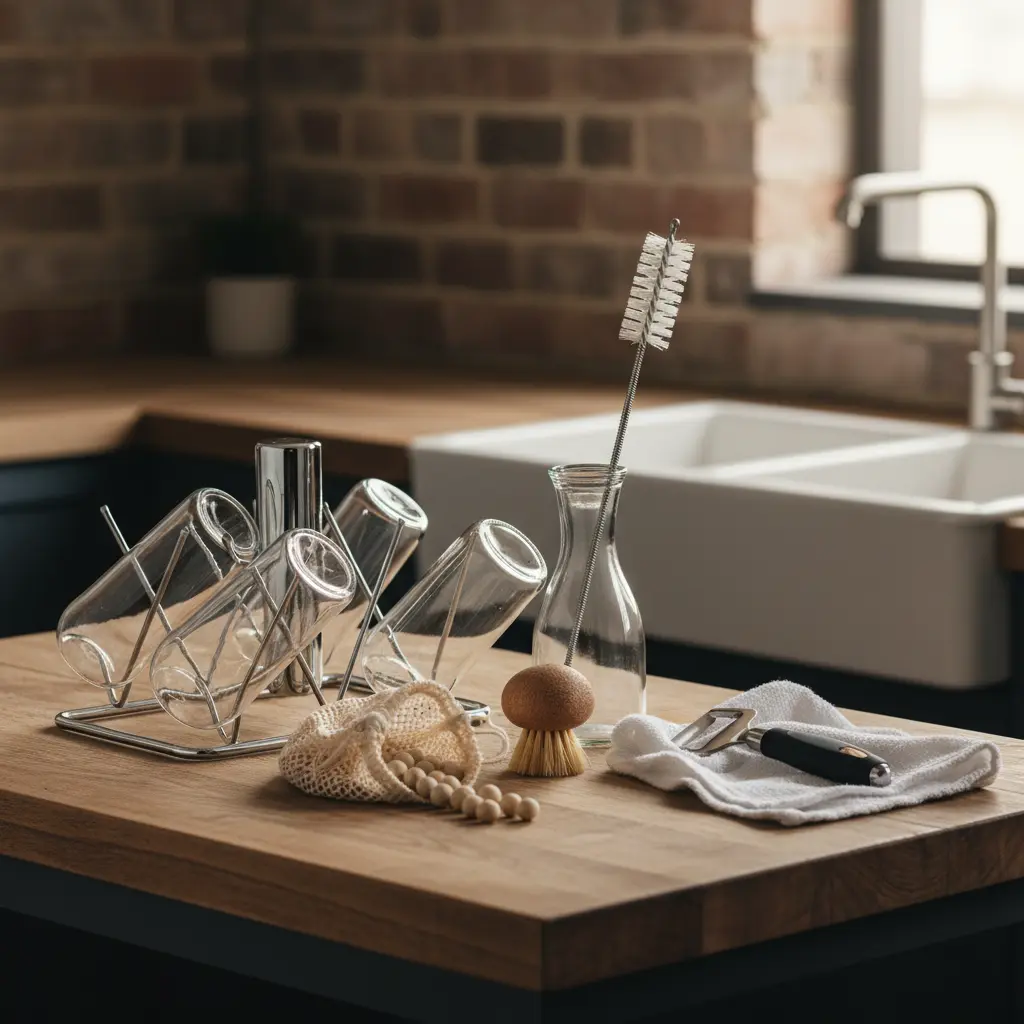
Long, flexible bottle brushes with durable bristles are indispensable for reaching the bottom and inner curves of wine bottles, effectively scrubbing away dried residue. Pairing these with a warm water and mild, unscented detergent soaking solution helps loosen stubborn grime.
Label Removal Techniques
For reuse, effectively removing labels can be achieved by soaking bottles in hot, soapy water, or by using commercial label removers or a paste of baking soda and oil. Patience is key to preserving the glass surface without scratches.
Drying Racks
Specialized bottle drying racks allow cleaned bottles to air-dry completely upside down, ensuring proper drainage and preventing moisture build-up that can lead to musty odors or mold. These racks promote good air circulation.
How to Protect Wine Bottle Labels?
Protecting wine bottle labels is important for collectors, as the label often holds crucial information about the wine's provenance, vintage, and maker, contributing to its overall appeal and value.
Avoiding Moisture Damage
High humidity in cellars or refrigeration can cause labels to mold, peel, or wrinkle. While humidity is important for corks, ensure labels are not in direct contact with condensation, and consider label protectors for highly valued bottles.
UV Light Protection
Direct sunlight or strong artificial light can fade labels and degrade the paper, making them brittle and unreadable. Always store wine in dark conditions or use UV-protected glass doors on wine fridges to shield labels from harmful rays.
Archiving Important Labels
For particularly memorable or rare bottles, consider gently removing and preserving the label in a dedicated wine journal or using a label-saver product once the wine is consumed. This creates a tangible record of your wine journey.
Beyond the Basics: Advanced Bottle Preservation Techniques
For serious collectors and long-term storage, advanced preservation techniques go beyond standard care to ensure maximum longevity and quality for valuable bottles.
Wax Dipping for Cork Sealing
After bottling, dipping the corked neck of a bottle in food-grade wax provides an additional airtight seal, further protecting the cork from drying out and preventing oxygen ingress. This method is commonly seen on high-end or age-worthy wines.
Climate-Controlled Cellars
Investing in a dedicated climate-controlled wine cellar or cabinet offers the most precise control over temperature and humidity, creating an ideal environment for aging fine wines. These systems actively manage the environment to prevent fluctuations.
Professional Wine Storage Services
For very valuable collections or those lacking ideal home storage, professional wine storage facilities offer highly secure, perfectly climate-controlled environments. These services provide peace of mind and optimal conditions for long-term aging.
Wine Bottle Handling and Care Comparison
Different scenarios for wine bottles demand distinct approaches to handling and care to ensure their condition and the wine's quality.
| Aspect | Full Wine Bottle (for consumption/aging) | Empty Wine Bottle (for reuse/recycling) |
|---|---|---|
| Primary Goal | Preserve wine quality & bottle integrity. | Clean thoroughly, sanitize if reusing. |
| Handling Focus | Gentle, stable, avoid temperature shock. | Safe, efficient for cleaning access. |
| Storage | Horizontal (cork), dark, cool, humid, vibration-free. | Cleaned, air-dried, stored upright. |
| Cleaning Needs | Exterior wipe (label protection), no interior cleaning. | Thorough interior scrub, label removal. |
| Key Concerns | Oxidation, premature aging, label damage. | Residue, bacterial growth, odor retention. |
Final Thoughts on Nurturing Your Wine Collection
The care you extend to your wine bottles, from the moment of purchase to consumption and even beyond, directly reflects your appreciation for the wine itself. These practices ensure that every bottle can fulfill its potential.
The Art of Preservation
Treating each wine bottle with respect, whether it's a daily drinker or a rare vintage, is an art form that significantly impacts the enjoyment of the wine. It's about creating the best possible environment for the wine's journey.
Enhancing the Tasting Experience
A well-cared-for bottle, presented with a clean label and free from imperfections, sets the stage for an enhanced tasting experience. It allows the focus to remain solely on the wine's character and complexity.
Long-Term Enjoyment
By adopting meticulous handling, storage, and cleaning routines, you ensure the long-term enjoyment of your wine collection, preventing disappointments and preserving the value of your cherished bottles. This diligence is key to truly savoring the evolution of a fine vintage.
"Every wine bottle holds a story, and our care for it is part of that narrative. Treat it well, and its tale will be told beautifully in the glass." - A dedicated wine collector.
How to Open a Wine Bottle Without Damage?
Opening a wine bottle properly is crucial to prevent cork breakage, wine spillage, or bottle damage, ensuring a smooth transition from storage to serving. The right technique and tools make all the difference.
-
Choose the Right Opener:
Select a reliable corkscrew, such as a waiter's friend, winged corkscrew, or a lever-style opener, ensuring it's sharp and in good working condition. For older, delicate corks, consider an Ah-So opener. Learn more about choosing the best tools in our guide on Best Wine Bottle Openers for 2026.
-
Remove the Foil Neatly:
Use the small knife on a waiter's friend or a dedicated foil cutter to cut around the rim of the bottle, just below the lip. Remove the foil cleanly to prevent it from tearing or contaminating the wine as the cork is extracted.
-
Insert the Corkscrew Correctly:
Place the tip of the corkscrew's worm (spiral) directly in the center of the cork. Twist it downwards, ensuring it penetrates straight into the cork without angling, stopping just before the last coil disappears to avoid pushing cork fragments into the wine.
-
Extract the Cork Gently:
Using the lever arm (for waiter's friend) or handles (for winged), apply slow, steady, upward pressure to extract the cork. Avoid jerking or excessive force, which can break the cork or cause it to snap. For stubborn corks, explore emergency methods from How to Open a Wine Bottle Without a Corkscrew.
-
Wipe the Rim:
After removing the cork, wipe the inside of the bottle neck with a clean, lint-free cloth to catch any stray cork fragments or dust before pouring. This ensures a clean pour and pure tasting experience.