Why Learn to Wine Taste Like a Sommelier?
Learning to wine taste like a sommelier significantly enhances your overall wine experience, transforming casual sips into a deeply analytical and enjoyable journey. It allows you to move beyond simply liking or disliking a wine to truly understanding its structure, origins, and potential.
Elevating Your Appreciation
Elevating your appreciation means gaining a profound understanding of what makes a wine unique, from the grape variety to the winemaking techniques. This deeper insight allows you to connect more intimately with each glass, appreciating the craftsmanship and stories behind the bottle.
Identifying Quality and Value
Identifying quality and value in wine is a direct benefit of developed tasting skills, enabling you to make informed purchasing decisions and avoid overpaying. You'll learn to distinguish well-made wines from flawed ones, regardless of price point, guiding you to exceptional bottles that align with your preferences and budget. For insights into wine value, read about Decoding the $40,000 Bottle.
How Do Sight, Smell, and Taste Define the Wine Journey?
The wine tasting journey is a multi-sensory experience that begins with your eyes, moves to your nose, and culminates on your palate. Each sense plays a crucial role in painting a complete picture of the wine's characteristics.
The Power of Sight
The power of sight in wine tasting reveals crucial information about a wine's age, concentration, and clarity before you even take a sip. Observe the wine's color, intensity, and viscosity against a white background. For example, younger red wines often have vibrant purple hues, while older ones tend towards brick red or brown. White wines can range from pale lemon to deep gold, indicating age or oak influence.
Unlocking Aromas: The Nose Knows
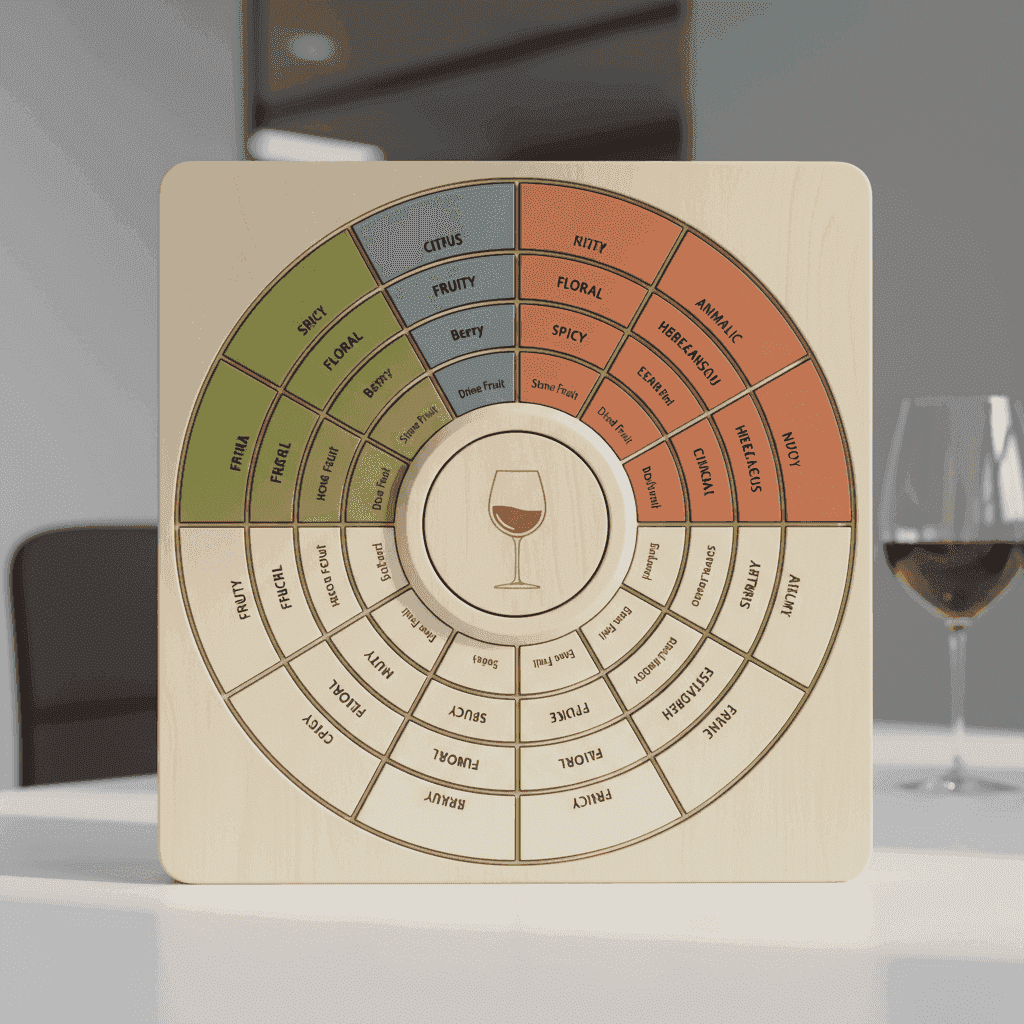
Unlocking aromas is perhaps the most complex and rewarding part of wine tasting, as the nose can detect thousands of different scents. Swirl the wine gently to release its volatile aromatic compounds, then take short, deliberate sniffs. Think broadly (fruity, earthy, floral) before trying to identify specific notes like cherry, truffle, or violet.
Taste Buds and Texture: The Palate's Story
Your taste buds and the wine's texture on your palate tell the story of its balance, structure, and overall impression. Take a small sip, allowing the wine to coat your mouth. Focus on sweetness, acidity, bitterness (tannins), alcohol, and the body (light, medium, full). Note how these elements interact and whether they are in harmony.
What Tools Do You Need for Effective Wine Tasting?
Effective wine tasting requires only a few simple tools, primarily the right glassware and an appropriate environment, to maximize your sensory experience. These elements ensure that the wine's qualities are presented optimally.
The Right Glassware
The right glassware is paramount for wine tasting, as its shape and size significantly influence aroma concentration and aeration. Opt for clear, tulip-shaped glasses with a stem, allowing you to swirl without warming the wine and concentrate aromas towards the rim. Discover How to Choose the Perfect Red Wine Glass for more details.
Optimal Serving Temperature
Optimal serving temperature is crucial because it directly impacts how a wine's aromas, flavors, and textures are perceived. Too cold, and flavors can be muted; too warm, and alcohol can become dominant. Generally, white wines are served chilled (7-12°C), and red wines slightly below room temperature (15-18°C).
Clean Environment and Palate
A clean environment and a neutral palate are essential to avoid external distractions and ensure accurate sensory perception. Avoid strong perfumes, scented candles, or foods with overpowering flavors before or during tasting. Plain water and unsalted crackers can help cleanse your palate between wines.
What is the Step-by-Step Wine Tasting Method?
The step-by-step wine tasting method, often referred to as the "four S's" (See, Swirl, Smell, Sip/Savor, Summarize), provides a structured approach to analyzing wine. This systematic process ensures you evaluate every aspect of the wine thoroughly.
-
The SEE Step: Visual Inspection
Begin by observing the wine's appearance against a white background to assess its clarity, intensity, and color. Hold your glass at a slight angle and note if it's clear or cloudy, and the depth of its color. This offers clues about its age, grape variety, and concentration.
-
The SWIRL & SMELL Step: Aromatic Exploration
Next, gently swirl the wine in your glass to release its volatile aromatic compounds, then bring the glass to your nose for a series of short, deep sniffs. Identify primary aromas (fruit, floral), secondary aromas (yeast, oak), and tertiary aromas (aged characteristics like leather or tobacco).
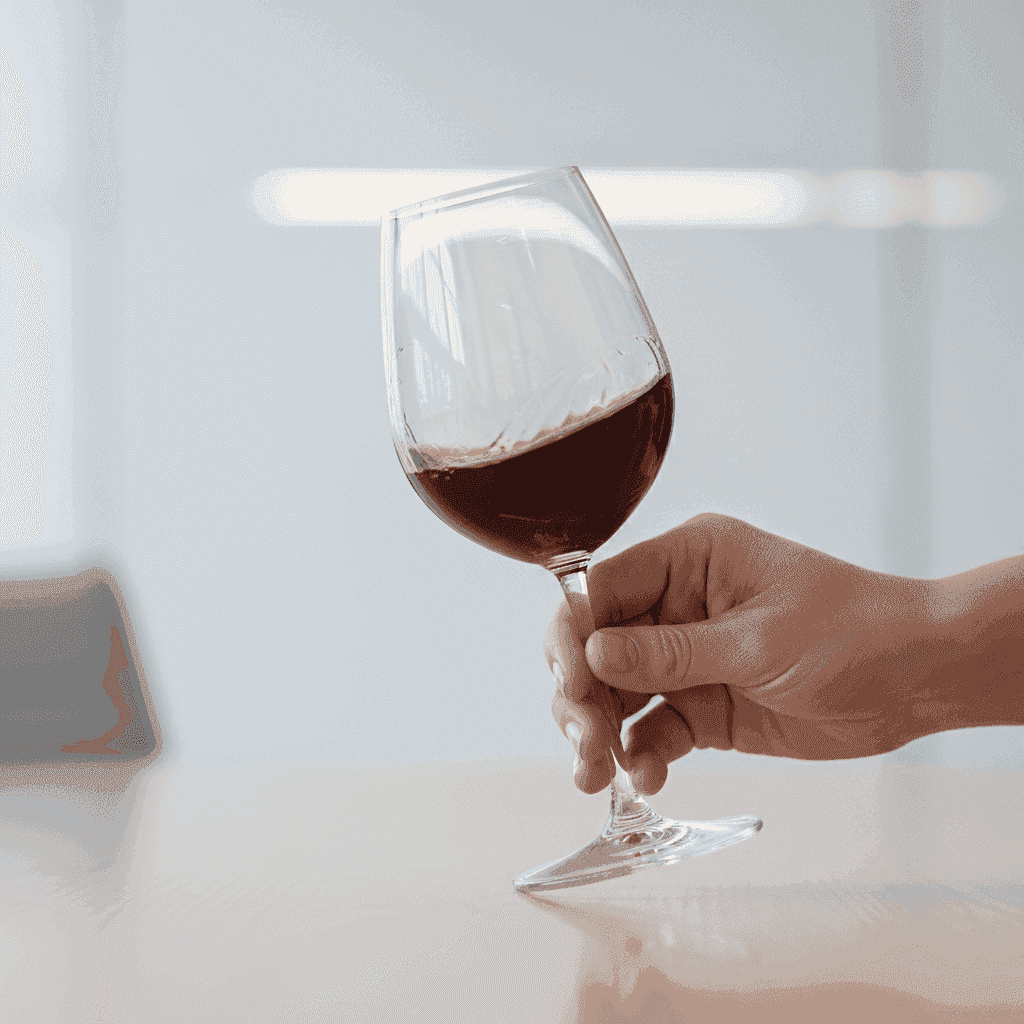
Swirling helps aerate the wine and release its complex aromas. -
The SIP & SAVOR Step: Palate Evaluation
Take a moderate sip, allowing the wine to coat your entire mouth, and gently "chew" it to expose all your taste buds. Focus on sweetness, acidity, tannin, alcohol, body, and flavor intensity. Pay attention to how the wine feels in your mouth.
-
The SPIT/SWALLOW & SUMMARIZE Step: Concluding Thoughts
After evaluating the wine on your palate, you can either spit it out (common in professional tastings) or swallow it, then consider the finish and overall balance. Reflect on the wine's length (how long flavors linger), complexity, and harmony of its components. Formulate your final assessment.
What are Primary, Secondary, and Tertiary Aromas in Wine?
Wine aromas are broadly categorized into primary, secondary, and tertiary, each stemming from different stages of the winemaking process and providing distinct clues about the wine. Discerning these categories helps pinpoint a wine's characteristics and origins.
Primary Aromas: From the Grape
Primary aromas originate directly from the grape variety itself and reflect the vineyard's terroir. These include fruit (berry, citrus, tropical), floral (rose, violet), herbal (mint, grass), and spice notes inherent to the varietal.
Secondary Aromas: From Fermentation and Winemaking
Secondary aromas develop during fermentation and other winemaking processes, often influenced by yeast and oak aging. Examples include bread crust, brioche, butter (from malolactic fermentation), and vanilla, toast, or smoke (from oak barrels).
Tertiary Aromas: From Aging
Tertiary aromas emerge as a wine ages, resulting from complex chemical reactions within the bottle or barrel over time. These often include notes of dried fruit, nuts, leather, tobacco, forest floor, and earthy characteristics. For more on aging, explore our guide on Aged Like Fine Wine.
| Category | Source | Common Examples |
|---|---|---|
| Primary | Grape Variety, Terroir | Cherry, Lemon, Green Apple, Rose, Grass |
| Secondary | Fermentation, Winemaking (e.g., Oak) | Bread, Yeast, Butter, Vanilla, Toast |
| Tertiary | Bottle Aging, Oak Aging (long-term) | Leather, Tobacco, Earth, Mushroom, Dried Fruit |
How to Evaluate the Palate: Acidity, Tannins, Finish
Evaluating the palate involves analyzing the sensations the wine creates in your mouth, focusing on elements like acidity, sweetness, tannins, body, and the lasting finish. This assessment provides insight into the wine's structure and balance.
Acidity and Sweetness
Acidity provides freshness and vibrancy to a wine, often perceived as a mouth-watering sensation, while sweetness is the presence of residual sugar. High acidity makes wines crisp, while balanced sweetness can range from bone dry to lusciously sweet. These two components are crucial for a wine's balance.
Tannins and Body
Tannins, primarily found in red wines, create a drying or astringent sensation in your mouth, contributing to structure and ageability, while body refers to the wine's perceived weight or fullness. Body is often described as light, medium, or full, and is influenced by alcohol, extract, and sweetness.
The Lingering Finish
The lingering finish is the final impression a wine leaves after you've swallowed or spit it, reflecting the duration and persistence of its flavors. A long, pleasant finish is often a sign of a high-quality wine, indicating complexity and balance that lingers gracefully.
What Common Wine Tasting Mistakes Should You Avoid?
Avoiding common wine tasting mistakes is crucial for developing an accurate palate and truly appreciating the wine in your glass. Many pitfalls can skew your perception and limit your learning.
Over-reliance on Price Tags
Over-reliance on price tags can lead to biased perceptions, as a higher price doesn't automatically equate to better quality or personal preference. Blind tasting is an excellent way to overcome this bias and evaluate wines purely on their sensory merits.
Ignoring Serving Temperature
Ignoring proper serving temperature is a frequent mistake that significantly impacts a wine's flavor profile, often muting aromatics or exaggerating flaws. Ensure wines are served at their optimal temperatures to reveal their true character.
Prejudging Wines Based on Reputation
Prejudging wines based on reputation, region, or grape variety can close your mind to new experiences and prevent objective evaluation. Approach each wine with an open mind, allowing it to speak for itself, regardless of its pedigree. Discover Italy's Premier Wine Regions without preconceived notions.
How Does Terroir Influence Wine Taste?
Terroir profoundly influences wine taste by encompassing all environmental factors that affect a vine's growth, including soil, climate, topography, and traditional winemaking practices. This unique combination imparts distinctive characteristics to the grapes and, consequently, the wine.
Terroir Explained
Terroir explained, refers to the complete natural environment of a vineyard, including soil composition, elevation, proximity to water bodies, and microclimate. These elements dictate everything from grape ripeness and sugar levels to acidity and mineral expression in the final wine.
Old World vs. New World Terroir
Old World terroir (e.g., France, Italy) often emphasizes tradition and the subtle expression of place, while New World terroir (e.g., California, Australia) often highlights fruit-forwardness and innovative winemaking. This distinction leads to noticeable differences in style and flavor profiles, even for the same grape varietals. For instance, compare the terroir of Best Wineries in Italy to those in newer regions.
How Can You Practice and Develop Your Wine Palate?
Practicing and developing your palate is an ongoing process that involves consistent exposure to diverse wines and deliberate sensory exercises. Regular tasting, coupled with mindful reflection, refines your ability to identify and articulate wine characteristics.
Blind Tasting Benefits
Blind tasting benefits include eliminating bias and sharpening your sensory skills, as you rely solely on your perceptions rather than labels or reputations. It forces you to actively identify grape varieties, regions, and styles, accelerating your learning curve.
Taking Detailed Tasting Notes
Taking detailed tasting notes helps solidify your observations, build a sensory memory, and track your palate's development over time. Document the wine's appearance, aromas, palate, and your overall conclusion, using specific descriptors to capture its essence.
"Wine is bottled poetry. Every sip is a verse, every bottle a story waiting to be told by a keen taster."
Beyond the Glass: Pairing and Mindful Enjoyment
Beyond evaluating the liquid in your glass, wine tasting extends to understanding how wines interact with food and embracing mindful consumption for a richer experience. The journey doesn't end with the final sip.
Food Pairing Fundamentals
Food pairing fundamentals involve understanding how a wine's acidity, sweetness, tannins, and body complement or contrast with different dishes to create harmonious combinations. A well-chosen pairing can elevate both the food and the wine. Master Memorable Wine & Dine Experiences with expert pairings.
Mindful Consumption and Elegance
Mindful consumption encourages savoring each sip, appreciating the moment, and understanding your limits, contributing to a more refined and elegant wine lifestyle. This approach aligns with a balanced appreciation of wine. Learn about Mastering Elegance and Mindful Sips.
Can Technology Aid Your Wine Tasting Journey?
Yes, technology can aid your wine tasting journey by providing tools for organization, learning, and discovery, enhancing rather than replacing the sensory experience. Apps and digital resources offer valuable support for enthusiasts.
Cellar Management Apps
Cellar management apps help organize your wine collection, track tasting notes, monitor aging potential, and even suggest optimal drinking windows. These digital tools become invaluable as your collection grows and your palate evolves.
Label Scanning and Digital Notes
Label scanning and digital note-taking features in wine apps allow you to quickly identify wines, read reviews, and record your impressions on the go. This streamlines the process of cataloging your tasting experiences and expanding your knowledge base.