The Russian River Valley AVA, located in Sonoma County, California, is world-renowned for its exceptional cool-climate Pinot Noir and Chardonnay. This region's unique geographical features, particularly its proximity to the Pacific Ocean and the pervasive morning fog, create an ideal environment for these delicate grape varieties, yielding wines celebrated for their balance, acidity, and complex aromatics.
What Makes Russian River Valley Wines Unique?
Russian River Valley wines are distinctive due to their cool-climate characteristics, deeply influenced by the Pacific Ocean's cooling fog and diverse soils. This combination results in wines, especially Pinot Noir and Chardonnay, that exhibit bright acidity, nuanced fruit, and an elegant structure, setting them apart from warmer California appellations.
Russian River Valley's Signature Style
The signature style of Russian River Valley wines is defined by vibrant fruit, balanced acidity, and often a subtle earthy or savory complexity. Pinot Noir from this region typically showcases flavors of red cherry, raspberry, and cola, often with notes of forest floor or spice. Chardonnays range from crisp and mineral-driven to richer, barrel-fermented styles with notes of apple, pear, and sometimes a hint of butterscotch or vanilla, always underpinned by refreshing acidity.
The Influence of the "Fog Belt"
The "fog belt" is a crucial climatic factor, as daily intrusions of cool, dense fog from the Pacific Ocean significantly extend the growing season. This maritime influence provides a natural cooling effect, especially during hot summer days, allowing grapes to ripen slowly and develop full flavor complexity while retaining vital acidity. The fog typically rolls in during the evening, burning off by late morning, providing a diurnal temperature shift essential for grape quality.
How Does Climate and Terroir Define Russian River Valley?
Russian River Valley's climate and terroir are characterized by a pronounced marine influence, diverse soil types, and significant diurnal temperature shifts. These factors collectively contribute to the region's ability to produce highly expressive cool-climate wines.
Pacific Ocean's Impact
The Pacific Ocean is the primary driver of the region's cool climate, moderating temperatures and bringing the signature fog. Just 10-15 miles from the coast, the ocean's chill flows inland along the Russian River, creating a distinct meso-climate that protects vineyards from extreme heat and ensures a long, even ripening period for grapes.
Soil Diversity
The Russian River Valley boasts a remarkable diversity of soil types, each contributing unique characteristics to the resulting wines. These include Goldridge soils (fine, sandy loam ideal for Pinot Noir and Chardonnay), volcanic soils, riverbed gravels, and clay. This patchwork of soils allows winemakers to achieve different expressions of the same grape varieties across the appellation.
What Are the Signature Grape Varieties of Russian River Valley?
The Russian River Valley is predominantly known for its world-class Pinot Noir and Chardonnay, but it also produces excellent Zinfandel and other cool-climate varieties. These grapes thrive in the region's specific climatic conditions.
Pinot Noir Dominance
Pinot Noir is the undisputed king of Russian River Valley, accounting for a significant portion of its vineyard acreage. The region's cool climate and varied soils allow Pinot Noir to express a wide spectrum of aromas and flavors, from bright red fruits to more savory, earthy notes, often with elegant tannins and a long finish. Many consider it among the finest New World Pinot Noir.
Chardonnay's Versatility
Russian River Valley Chardonnay exhibits remarkable versatility, offering styles from lean and crisp to rich and opulent. The cool climate ensures a strong acid backbone, even in more oaked versions. Producers craft Chardonnays that can be unoaked and vibrant, or aged in barrel with malolactic fermentation for creamy textures and notes of brioche and vanilla. This adaptability makes it a favorite among diverse palates.
Zinfandel and Other Varieties
While less prevalent than Pinot Noir and Chardonnay, Russian River Valley also produces distinctive Zinfandel, particularly from older vine vineyards. These Zinfandels are often fruit-forward yet balanced, with spice notes and a structured finish. Other varieties like Sauvignon Blanc, Syrah, and even some sparkling wine grapes also find success in select pockets of the valley.
Which Sub-Regions Shape Russian River Valley's Character?
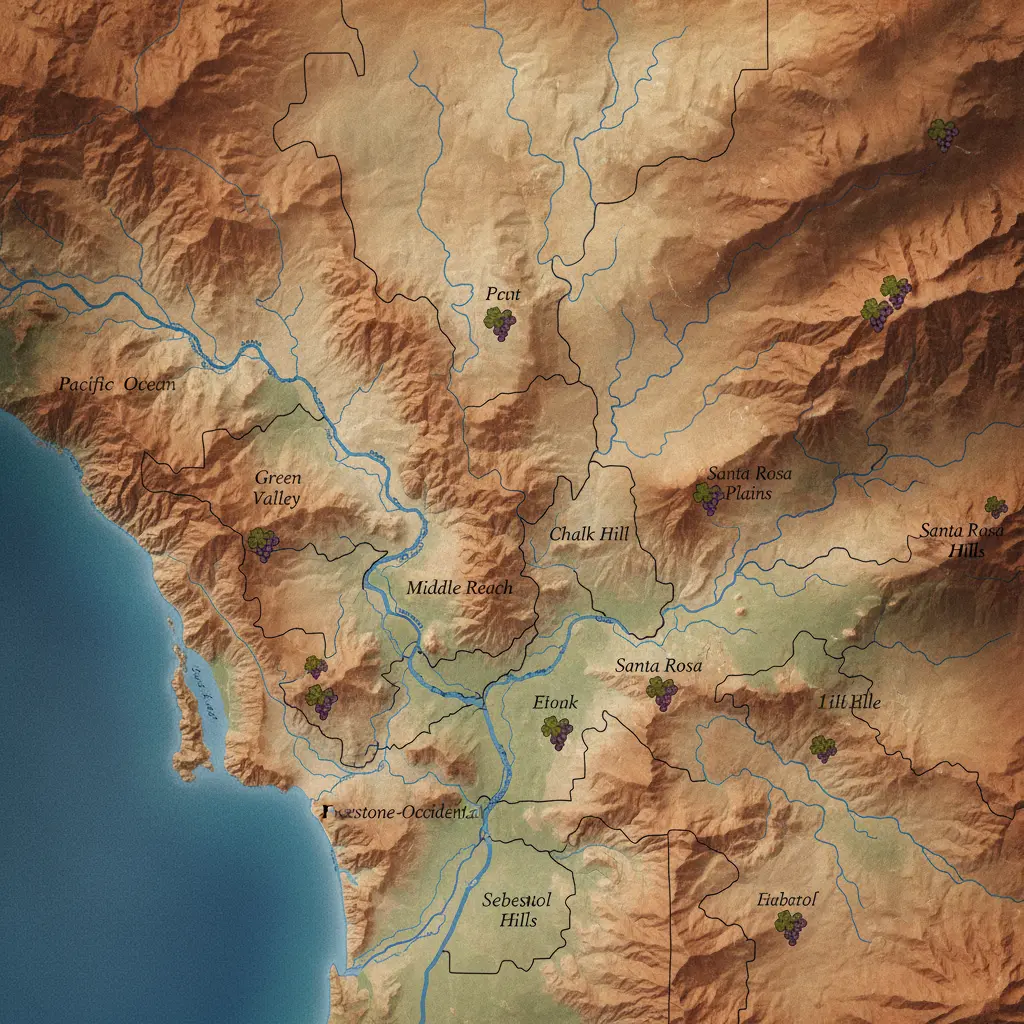
The Russian River Valley AVA is large and diverse, comprising several unofficial sub-regions or neighborhoods, each with its own distinct microclimate and terroir. Understanding these areas helps appreciate the subtle variations in wines produced.
Green Valley
Green Valley is one of the coolest and foggiest sub-regions, known for producing some of the most elegant and high-acid Pinot Noir and Chardonnay. Its proximity to the coast and higher elevation mean more prolonged fog intrusion, leading to exceptionally slow ripening and wines with intense aromatics and bright minerality.
Santa Rosa Plains
The Santa Rosa Plains area, generally warmer and less fog-dominated than Green Valley, still benefits from the Russian River's cooling influence. This area often yields a riper, more fruit-forward style of Pinot Noir and Chardonnay, while retaining good acidity. It is also home to older Zinfandel vineyards.
Middle Reach
The Middle Reach encompasses the central portion of the Russian River Valley, characterized by a balanced exposure to fog and sun. This area offers a classic expression of Russian River Valley wines, often showcasing a harmonious blend of fruit intensity and vibrant acidity. Many iconic wineries have vineyards in the Middle Reach.
Where Are the Must-Visit Wineries in Russian River Valley?
Russian River Valley offers an abundance of exceptional wineries, ranging from large, established producers to intimate, family-run estates. Visitors can find diverse tasting experiences, often focusing on Pinot Noir and Chardonnay.
Iconic Producers
Iconic producers in the Russian River Valley include Williams Selyem, Rochioli Vineyards, and Gary Farrell Winery, known for their benchmark Pinot Noir and Chardonnay. These wineries often have long histories in the region and are celebrated for consistently producing high-quality, terroir-driven wines. Reservations are often highly recommended for tastings.
Boutique Wineries
Many small, boutique wineries contribute significantly to the Russian River Valley's charm, offering unique and personalized tasting experiences. These smaller producers often focus on single-vineyard expressions or experimental styles, providing a deeper dive into the region's diverse terroir. Exploring these hidden gems can be a highlight of any visit.
What Food Pairings Elevate Russian River Valley Wines?
Russian River Valley wines, with their balance of fruit, acidity, and complexity, are incredibly versatile at the dining table. They pair beautifully with a wide range of dishes, from casual to gourmet.
Pairing Pinot Noir
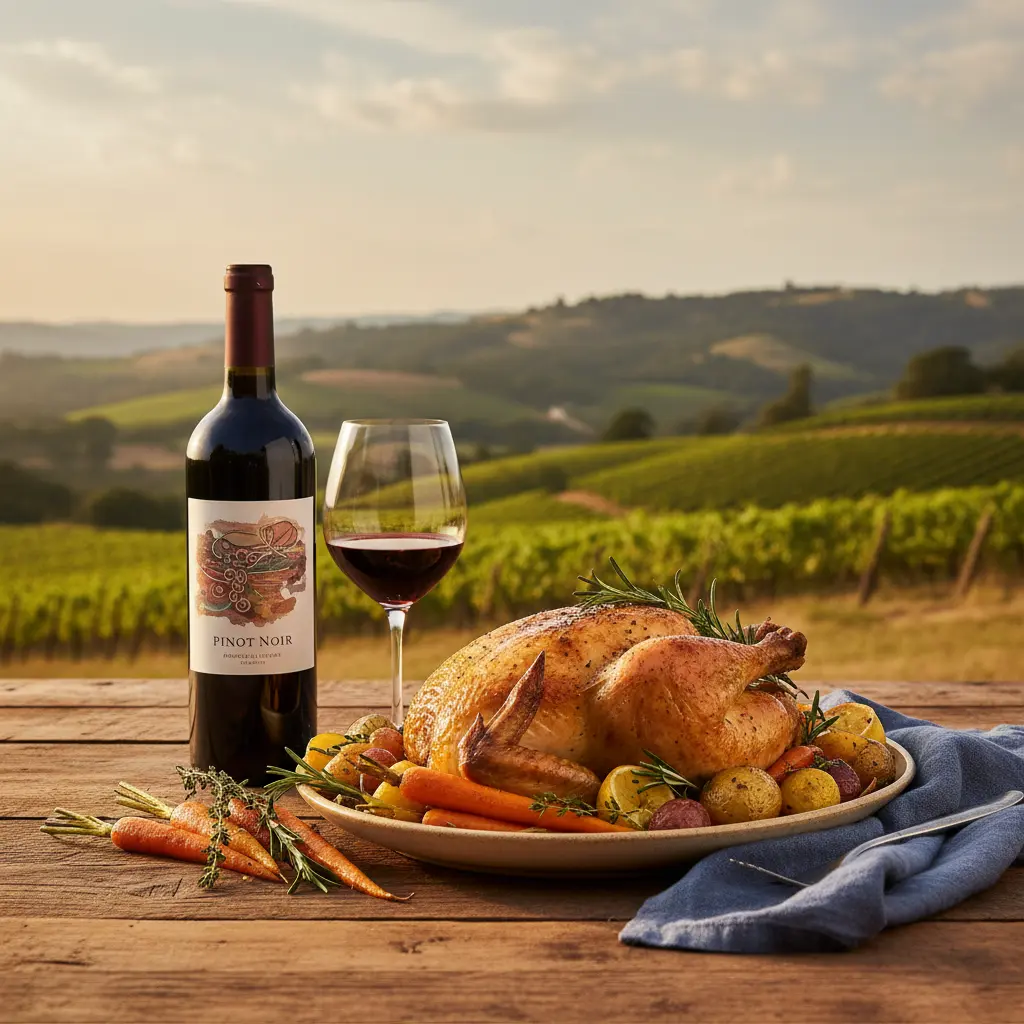
Russian River Valley Pinot Noir shines with poultry, salmon, mushroom dishes, and lighter red meats. Its bright acidity and red fruit flavors complement roasted chicken, duck, or grilled turkey. Earthy characteristics also make it an excellent choice for mushroom risotto or charcuterie boards. For heartier meals, consider it alongside a delicate beef stew.
Pairing Chardonnay
Russian River Valley Chardonnay pairs well with seafood, poultry, creamy pasta dishes, and mild cheeses. Unoaked or lightly oaked styles are excellent with oysters, grilled fish, or fresh salads. Richer, oaked Chardonnays complement roasted chicken, lobster with butter sauce, or cream-based pasta dishes. Its versatility makes it a go-to for many culinary creations.
Zinfandel Pairings
Russian River Valley Zinfandel, with its often jammy fruit and spice, is superb with barbecued ribs, grilled burgers, and rich, savory stews. The wine's robust character stands up to bold flavors and spices, making it a fantastic choice for a casual outdoor gathering or a comforting winter meal. Steak is also an excellent partner for a structured Zinfandel.
How to Plan Your Perfect Russian River Valley Wine Trip?
A trip to the Russian River Valley promises scenic beauty, world-class wines, and memorable culinary experiences. Careful planning ensures you make the most of your visit to this renowned wine region.
- Choose Your Focus: Decide if you want to concentrate on specific varietals (e.g., Pinot Noir) or explore a range of wineries.
- Select Wineries: Research wineries based on reviews, wine styles, and tasting experiences. Many require reservations.
- Book Accommodations: Secure lodging in towns like Healdsburg, Santa Rosa, or Guerneville, offering various options from boutique hotels to charming B&Bs.
- Plan Transportation: Consider a designated driver, a private tour, or ride-sharing services, as cell service can be spotty in some areas.
- Factor in Dining: Book restaurant reservations in advance, especially for popular spots in Healdsburg, known for its vibrant food scene.
- Explore Beyond Wine: Enjoy local attractions like Armstrong Redwoods State Natural Reserve or kayaking on the Russian River.
Best Time to Visit
The best time to visit Russian River Valley is typically spring (April-May) or fall (September-October). Spring offers beautiful wildflowers and fewer crowds, while fall is harvest season, providing an exciting atmosphere with active vineyards and wineries. Summer is popular but can be warmer, and winter is quieter with more intimate tasting experiences.
Accommodation and Dining
The Russian River Valley and surrounding areas offer a range of accommodations, from luxurious resorts to charming bed-and-breakfasts, alongside an exceptional dining scene. Healdsburg, in particular, is a culinary hotspot with Michelin-starred restaurants and casual eateries focusing on local, seasonal ingredients. Creating memorable wine and dine experiences is easy here.
How Does Russian River Valley Compare to Napa Valley?
Russian River Valley and Napa Valley are both premier California wine regions, but they differ significantly in climate, dominant grape varieties, and overall atmosphere. While both produce world-class wines, they offer distinct experiences for visitors and wine enthusiasts.
Terroir Differences
Russian River Valley's terroir is defined by its strong Pacific influence, resulting in a cooler climate, more morning fog, and diverse, often lighter, sandy-loam soils. Napa Valley, conversely, is warmer, especially in its central and southern reaches, with more volcanic and alluvial soils. These fundamental differences in terroir dictate the types and styles of grapes that thrive in each region.
Grape Varietal Focus
Russian River Valley is primarily celebrated for its elegant Pinot Noir and vibrant Chardonnay, excelling in cool-climate varietals. Napa Valley is renowned for its bold Cabernet Sauvignon, followed by Merlot and Chardonnay, thriving in its warmer climate. This clear distinction in flagship grapes is the most prominent differentiator between the two regions' wine offerings.
| Feature | Russian River Valley | Napa Valley |
|---|---|---|
| Primary Grapes | Pinot Noir, Chardonnay | Cabernet Sauvignon, Merlot |
| Climate | Cooler, heavy fog, marine influence | Warmer, less fog, continental influence |
| Soil Types | Goldridge sandy loam, river gravels | Volcanic, alluvial, clay |
| Wine Style | Elegant, high acidity, nuanced fruit | Bold, powerful, rich fruit |
| Atmosphere | Relaxed, rustic, charming | Polished, luxurious, established |
What is the Future Outlook for Russian River Valley Wines?
The future of Russian River Valley wines looks promising, with a continued focus on quality, sustainability, and exploring diverse expressions of its flagship varietals. The region is adapting to environmental changes while preserving its unique character.
Sustainable Practices
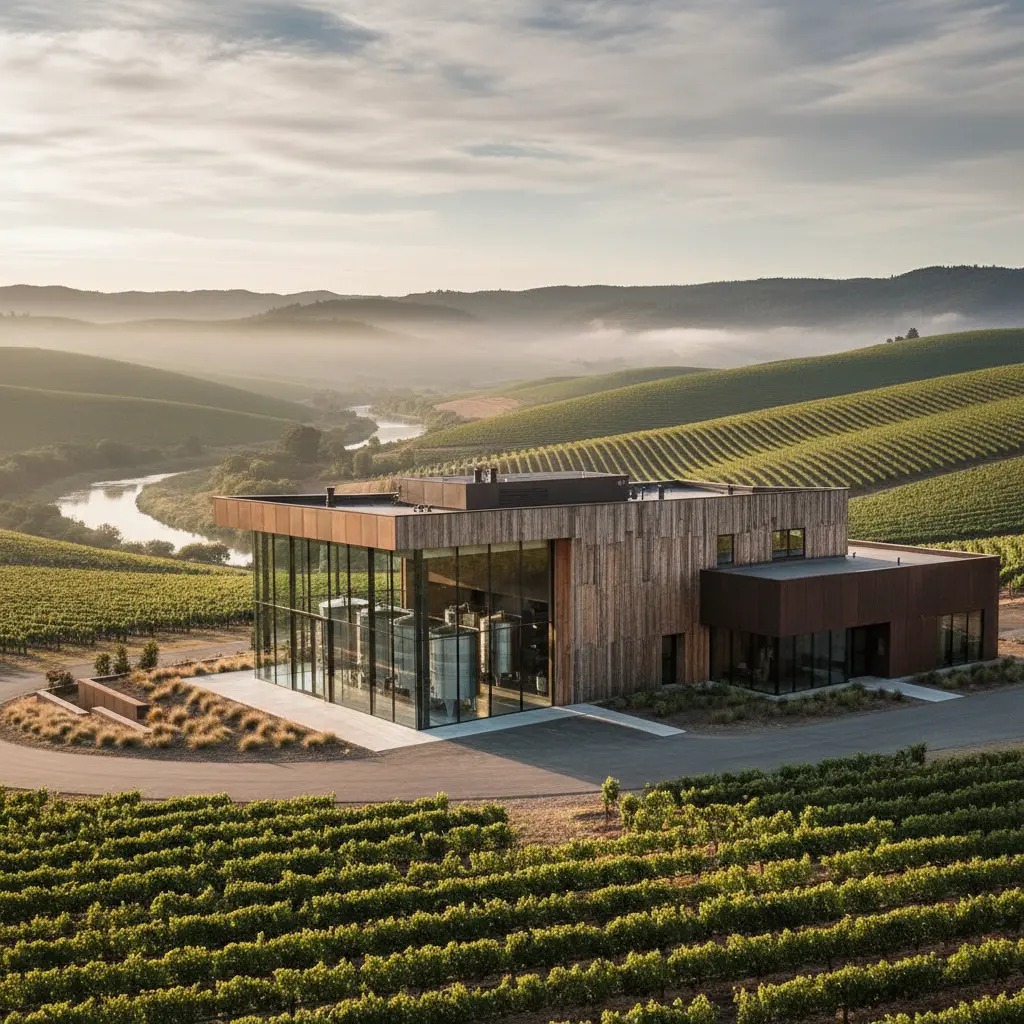
Many Russian River Valley wineries are increasingly adopting sustainable, organic, and biodynamic farming practices to protect their land and ensure long-term viability. This commitment to environmental stewardship not only preserves the unique terroir but also often translates into higher quality and more expressive wines, reflecting a deep respect for the land. Responsible practices are becoming a cornerstone for the region's identity.
Emerging Trends
Emerging trends in Russian River Valley include a renewed interest in single-vineyard expressions, a lighter touch with oak in Chardonnay, and experimentation with alternative varietals suited for cooler climates. Winemakers are continually refining their techniques to best showcase the purity of fruit and the distinct nuances of the region's diverse sub-appellations, ensuring the region remains at the forefront of quality winemaking.
"The Russian River Valley's true magic lies in its fog-laced mornings and sun-drenched afternoons, a dance that coaxes unparalleled elegance from Pinot Noir and Chardonnay." - Renowned Sommelier