Rioja is Spain's most renowned wine region, celebrated globally for its high-quality red wines primarily made from Tempranillo grapes. Its rich history, diverse terroir, and unique aging classification system make it a fascinating area for both wine connoisseurs and casual enthusiasts.
What Makes Rioja Wines Unique?
Rioja wines are distinguished by their balanced structure, aromatic complexity, and remarkable aging potential, heavily influenced by the Tempranillo grape and specific barrel aging techniques. The region's diverse climate, from Atlantic to Mediterranean, and varied soil types contribute to a wide spectrum of styles, from vibrant young wines to deeply complex, aged masterpieces.
The Influence of Tempranillo
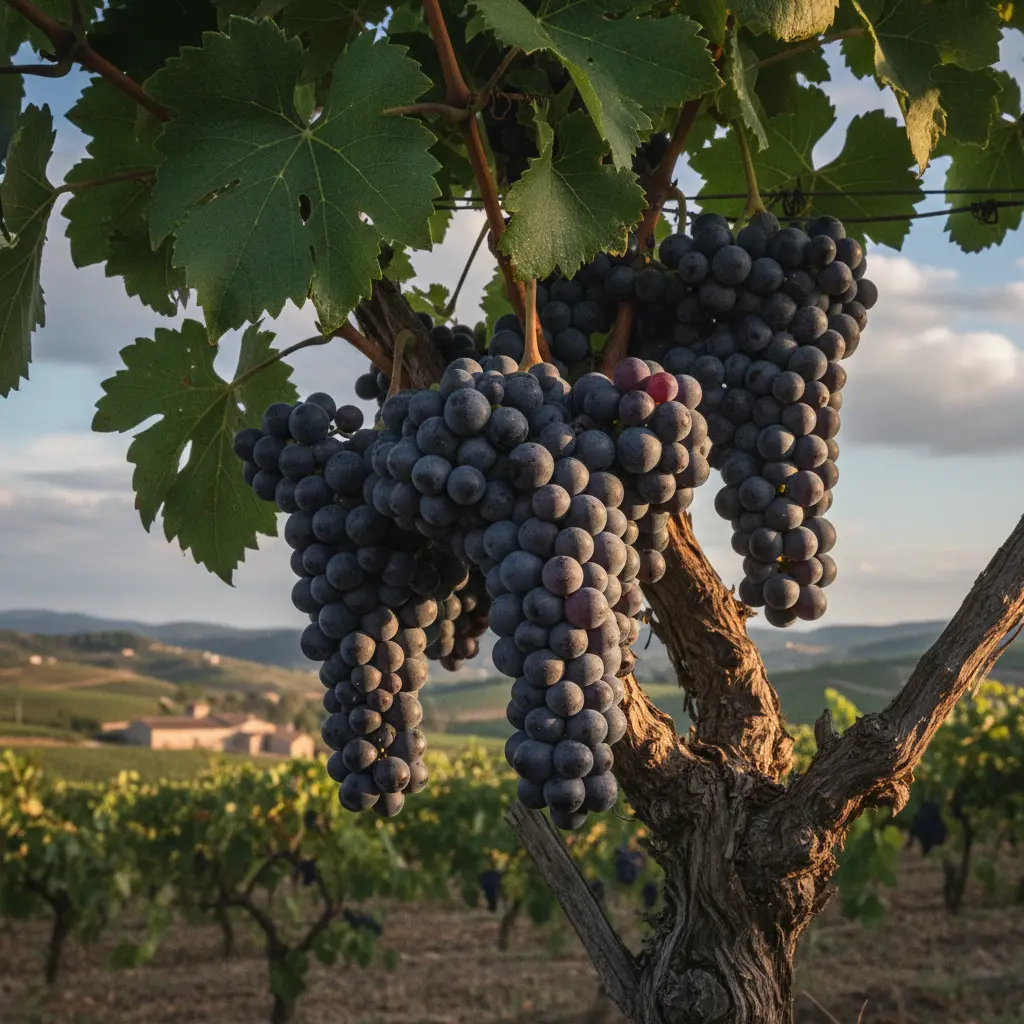
Tempranillo is the backbone of most red Rioja wines, lending flavors of red fruit, plum, tobacco, and leather, along with a firm tannic structure and moderate acidity. This indigenous grape thrives in Rioja's climate, allowing it to develop full maturity and concentrated flavors that are ideal for extended aging.
Oak Aging Philosophy
Oak aging is fundamental to the Rioja style, with American oak traditionally favored for imparting vanilla, coconut, and dill notes, while French oak provides spicier, more subtle influences. The duration and type of oak aging are strictly regulated, defining the wine's classification and influencing its final character.
What are the Key Grape Varieties of Rioja?
While Tempranillo is dominant, Rioja utilizes several other grape varieties, both red and white, to craft its diverse range of wines. These grapes contribute distinct characteristics, adding layers of complexity and regional identity.
Red Grape Varieties
The primary red grapes include Tempranillo, Garnacha (Grenache), Graciano, and Mazuelo (Carignan), each playing a crucial role in the final blend. Garnacha adds body and a jammier fruit profile, Graciano contributes acidity, aroma, and structure, and Mazuelo offers color and tannins, ensuring longevity.
White Grape Varieties
Viura (Macabeo) is the leading white grape in Rioja, known for its crisp acidity and delicate floral and citrus notes, often blended with other native white grapes. Other permitted white varieties include Malvasía, Garnacha Blanca, Tempranillo Blanco, Maturana Blanca, and Verdejo, creating aromatic and refreshing white Riojas, some of which are barrel-aged.
How Does Rioja's Classification System Work?
Rioja's unique classification system, based on aging requirements, provides consumers with clear guidance on a wine's style and maturity. This system, from Joven to Gran Reserva, dictates the minimum time a wine must spend in oak barrels and in the bottle before release.
| Classification | Minimum Aging (Total) | Minimum Oak Aging (Red) | Minimum Oak Aging (White/Rosé) | Typical Style |
|---|---|---|---|---|
| Joven (or Genérico) | No minimum | No minimum | No minimum | Young, vibrant, fruit-forward |
| Crianza | 2 years | 1 year | 6 months | Fresh, fruity, light oak notes |
| Reserva | 3 years | 1 year | 6 months | Balanced, elegant, complex, good aging potential |
| Gran Reserva | 5 years | 2 years | 6 months | Deeply complex, harmonious, long-lived, subtle oak |
Joven and Crianza
Joven wines are typically young and vibrant, bottled within a year or two of harvest with minimal or no oak aging, showcasing fresh fruit. Crianza wines undergo at least two years of aging, with one year in oak barrels for reds, offering a balance of fruit and subtle oak characteristics.
Reserva and Gran Reserva
Reserva wines mature for at least three years, with a minimum of one year in oak, developing greater complexity and elegance. Gran Reserva wines represent the pinnacle of Rioja aging, requiring a minimum of five years of aging, including two years in oak and three years in bottle, resulting in highly complex, harmonious, and long-lived wines.
Where are Rioja's Sub-Regions Located, and What Defines Them?
Rioja is divided into three distinct sub-regions - Rioja Alavesa, Rioja Alta, and Rioja Oriental (formerly Rioja Baja) - each contributing unique characteristics to the region's wines. These geographical distinctions influence everything from climate and soil to grape ripeness and resulting wine styles.
Rioja Alavesa
Rioja Alavesa, located in the Basque Country, is characterized by its Atlantic influence, limestone-rich soils, and generally smaller vineyard plots, yielding wines of high acidity and elegance. Wines from this sub-region often display concentrated fruit flavors and excellent aging potential.
Rioja Alta
Rioja Alta, situated west of Logroño, shares some Atlantic influence but with slightly warmer conditions and diverse clay-limestone soils, producing balanced, classic Rioja wines with good structure. Many of the region's traditional aging cellars are found here, contributing to its reputation for long-aged Reservas and Gran Reservas.
Rioja Oriental (formerly Rioja Baja)
Rioja Oriental, located in the eastern part of the region, has a drier, more Mediterranean climate and alluvial soils, producing wines that are typically fuller-bodied, fruitier, and higher in alcohol. Garnacha plays a more significant role here, thriving in the warmer conditions.
How to Read a Rioja Wine Label?
Understanding a Rioja wine label involves recognizing key terms, classifications, and regional indicators that reveal the wine's style, aging, and origin. Beyond the producer's name, crucial information includes the aging category and the Denominación de Origen Calificada (D.O.Ca.) Rioja seal.
Key Information on the Label
Look for the aging classification (Joven, Crianza, Reserva, Gran Reserva), the vintage year, and the D.O.Ca. Rioja guarantee seal, which confirms authenticity. The label will also specify the producer, alcohol content, and sometimes the specific sub-region or grape varietal if it's a single-varietal wine.
Understanding the D.O.Ca. Seal
The D.O.Ca. Rioja seal is a government-issued stamp on the back label that assures the wine adheres to the strict regulations of the Denominación de Origen Calificada Rioja. This seal, often color-coded, confirms the wine's origin and adherence to quality standards.
What Foods Pair Best with Rioja Wines?
Rioja wines, especially the reds, are exceptionally versatile with food, pairing beautifully with a wide array of Spanish and international cuisines due to their balance of fruit, acidity, and oak. The ideal pairing often depends on the wine's age and classification, with younger wines suiting lighter fare and aged wines excelling with richer dishes.
Pairing with Red Rioja
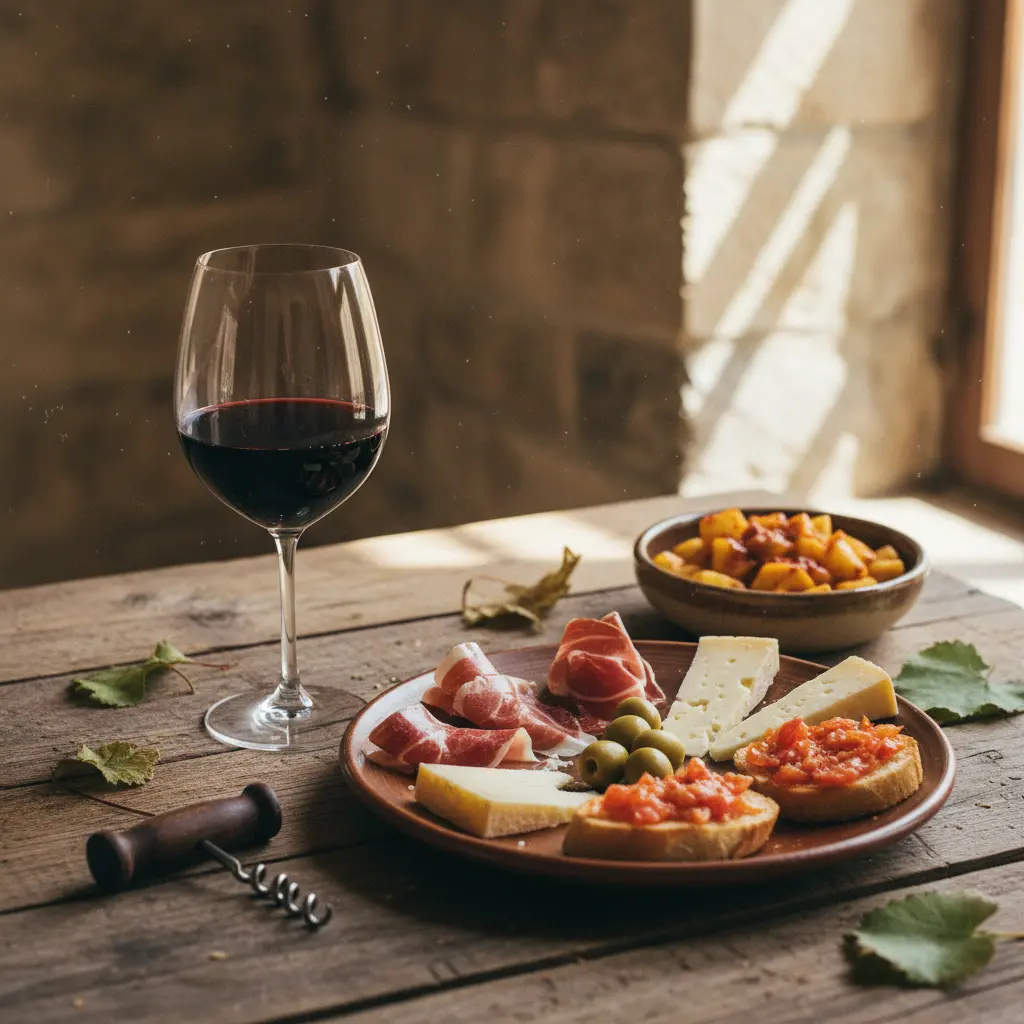
Red Rioja, particularly Crianza and Reserva, harmonizes perfectly with roasted lamb, grilled steak, cured meats like Jamón Serrano, and aged cheeses. For a deeper dive into selecting the perfect red wine for a robust meal, consider our guide on How to Choose Red Wine for Steak or explore a broader Best Wine Pairing Guide 2026.
Pairing with White and Rosé Rioja
White Riojas, especially unoaked styles, pair wonderfully with seafood, grilled vegetables, and lighter appetizers, while barrel-aged whites can stand up to richer fish dishes or poultry. Rosé Riojas are excellent with salads, paella, and various tapas, making them a versatile choice for many occasions.
"Rioja is not just a wine; it's a testament to tradition, patience, and the unique spirit of Spain, aging gracefully to reveal layers of complexity and stories of its terroir."
Should You Visit Rioja? A Wineries and Tourism Guide
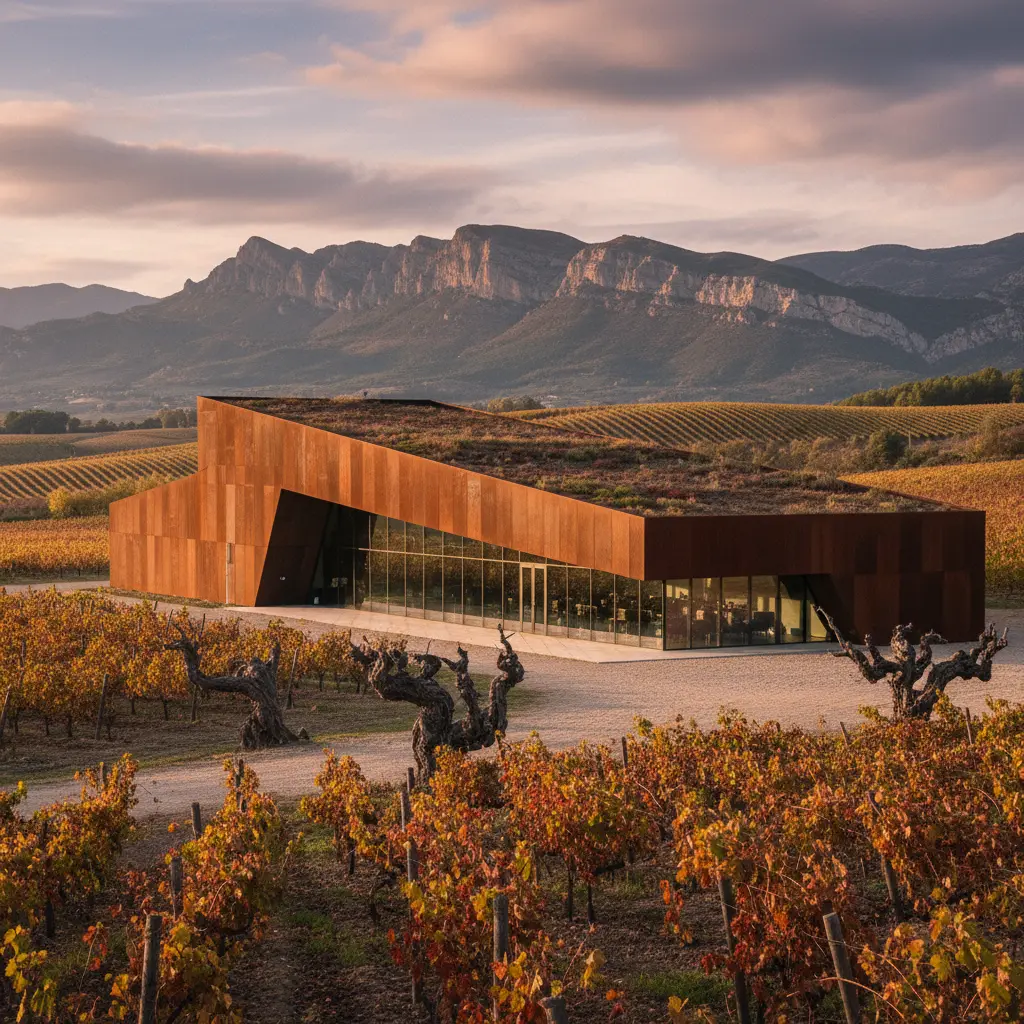
Visiting Rioja offers an immersive experience into Spanish wine culture, with hundreds of bodegas (wineries) offering tours, tastings, and often stunning architectural designs. The region also boasts beautiful landscapes, historical towns, and exceptional culinary delights.
Planning Your Winery Visit
Start by researching bodegas that align with your interests, from historic family-run operations to modern, architecturally significant estates. Many wineries require advance reservations for tours and tastings, especially for English-speaking guides. For insights on serving your new acquisitions, refer to our guide on How to Master Wine Service.
Step-by-Step Guide to a Rioja Wine Tour
- Choose Your Sub-Region: Decide if you prefer the elegant wines of Alavesa, the balanced styles of Alta, or the fruit-forward wines of Oriental, as this will narrow down your winery choices.
- Select Your Wineries: Research 2-3 bodegas per day, considering their offerings (tours, tastings, lunch options) and geographical proximity to minimize travel time.
- Book in Advance: Secure your tour and tasting slots well before your trip, especially during peak season, as many popular wineries fill up quickly.
- Arrange Transportation: Consider hiring a designated driver, joining a guided tour, or utilizing local taxis, as public transport can be limited between wineries.
- Immerse Yourself: Ask questions, learn about the winemaking process, and savor the diverse expressions of Rioja wine.
What are the Best Vintages for Rioja?
Identifying the best Rioja vintages is crucial for collectors and enthusiasts, as vintage quality significantly impacts a wine's aging potential and overall enjoyment. Excellent vintages typically result from ideal weather conditions throughout the growing season, leading to perfectly ripe and balanced grapes.
Recent Standout Vintages
Recent outstanding vintages include 2010, 2011, 2015, 2016, 2018, and 2019, which produced wines with exceptional balance, concentration, and structure. These vintages are highly recommended for cellaring and will continue to evolve beautifully over many years.
Understanding Vintage Variation
Vintage variation in Rioja, like in any wine region, is influenced by annual weather patterns, affecting grape ripeness, acidity, and overall wine quality. While some years are universally praised, even less celebrated vintages can yield excellent wines from skilled producers.
How Should You Store and Serve Rioja Wines?
Proper storage and serving are essential to fully appreciate the complexity and nuances of Rioja wines, maximizing their flavor and aromatic potential. Adhering to specific temperature and decanting guidelines will elevate your tasting experience.
Optimal Storage Conditions
Store Rioja wines horizontally in a cool (12-18°C / 54-64°F), dark place with consistent humidity (70-75%) and minimal vibration, ideally in a dedicated wine cellar or cooler. These conditions prevent premature aging and preserve the wine's integrity. For perfect serving, understanding storage is key, much like selecting the Best Wine Glasses to enhance the experience.
Serving Temperature and Decanting
Serve red Rioja at cellar temperature (16-18°C / 60-64°F) to allow its full aromatic profile to emerge, avoiding overly warm temperatures that can mask complexity. Older Reserva and Gran Reserva wines often benefit from decanting for 30 minutes to an hour to allow them to breathe and separate from any sediment.
Where Can You Buy Authentic Rioja Wines?
Authentic Rioja wines can be purchased from reputable wine merchants, specialty wine shops, and directly from wineries, both online and in person. Ensuring authenticity means looking for the D.O.Ca. Rioja seal and buying from trusted sources.
Online Retailers and Specialty Shops
Many reputable online wine retailers and specialty wine shops offer a wide selection of Rioja wines, often with detailed descriptions and tasting notes. These platforms provide convenience and access to a broader range of producers and vintages, including options for thoughtful wine gifts.
Direct from Wineries
Purchasing directly from bodegas in Rioja, either during a visit or through their online stores (where available for international shipping), guarantees authenticity and often offers access to exclusive or limited-release wines. This direct connection also supports the producers.