Puglia, often called the 'heel' of Italy's boot, is a dynamic wine region celebrated for its powerful red wines and increasingly acclaimed rosato and white varieties. This sun-drenched region in Southern Italy offers a rich tapestry of indigenous grapes and unique terroirs that yield wines of character and depth.
What Makes Puglia's Wine Region Unique?
Puglia's uniqueness in the wine world stems from its extreme southern latitude, ancient winemaking traditions, and a dedication to indigenous grape varieties. Its geography, extending deep into the Mediterranean, provides a distinct climate and soil composition that is rarely replicated elsewhere in Italy or the world.
Geographic Advantage
Puglia benefits from a long coastline and generally flat to gently rolling plains, ensuring abundant sunshine and sea breezes that mitigate extreme heat. This coastal influence is crucial for grape ripening, allowing for full phenolic maturity while preserving acidity, especially in coastal vineyards.
Climate Influence
The region experiences a quintessential Mediterranean climate characterized by hot, dry summers and mild winters, with limited rainfall concentrated in autumn and spring. This consistent warmth allows grapes like Primitivo and Negroamaro to achieve high sugar levels, resulting in full-bodied wines.
Historical Roots of Puglian Wine
Puglia boasts a winemaking history dating back to ancient Greek colonization, with evidence suggesting grape cultivation and wine production for millennia. This deep historical connection has fostered a strong tradition of viticulture, with many local grape varieties surviving and thriving to this day.
What are the Signature Grape Varieties of Puglia?
Puglia is primarily known for its powerful red grape varieties, though its rosato (rosé) and some white wines are gaining international recognition. These indigenous grapes are the heart and soul of Puglian winemaking, offering distinct profiles.
| Grape Variety | Primary Color | Typical Style | Key Characteristics |
|---|---|---|---|
| Primitivo | Red | Full-bodied red, often with high alcohol; some rosato | Dark berry fruit, plum, spice, firm tannins, hint of bitterness |
| Negroamaro | Red | Full-bodied red, elegant rosato | Dark cherry, prune, licorice, earthy notes, robust structure |
| Nero di Troia | Red | Medium to full-bodied red | Red berries, violet, black pepper, good acidity, age-worthy |
| Bombino Bianco | White | Crisp, fresh white | Citrus, green apple, floral notes, often used in blends |
Primitivo
Primitivo is Puglia's most celebrated red grape, producing rich, intensely fruity, and often high-alcohol wines. It is genetically linked to Zinfandel and thrives in the warm Puglian climate, particularly in the Manduria sub-region, producing wines with notes of blackberry, prune, and baking spices. For excellent examples, explore specific recommendations in Discovering Puglia's Best Wines in 2026.
Negroamaro
Negroamaro translates to 'black bitter,' yielding deep-colored, full-bodied red wines with notes of dark cherry, licorice, and a characteristic savory bitterness. It is also the backbone of many of Puglia's highly regarded rosato wines, offering freshness and complexity.
Nero di Troia
Nero di Troia is an ancient Puglian red grape known for producing wines with firm tannins, good acidity, and aromatic complexity of red berries and violets. While historically used in blends, it is increasingly bottled as a varietal wine, demonstrating its potential for elegance and longevity.
Bombino Bianco & Rosato
Bombino Bianco is a refreshing white grape variety, yielding crisp and aromatic wines, often with citrus and floral notes. Its red counterpart, Bombino Nero, is primarily used for producing vibrant and dry rosato wines, a hallmark of Puglian winemaking.
How Does Puglia's Unique Terroir Shape Its Wines?
Puglia's terroir, a combination of soil, climate, and topography, is fundamental to the character of its wines. The region's long, narrow shape and diverse landscape contribute significantly to the variety of styles produced.
Soil Composition
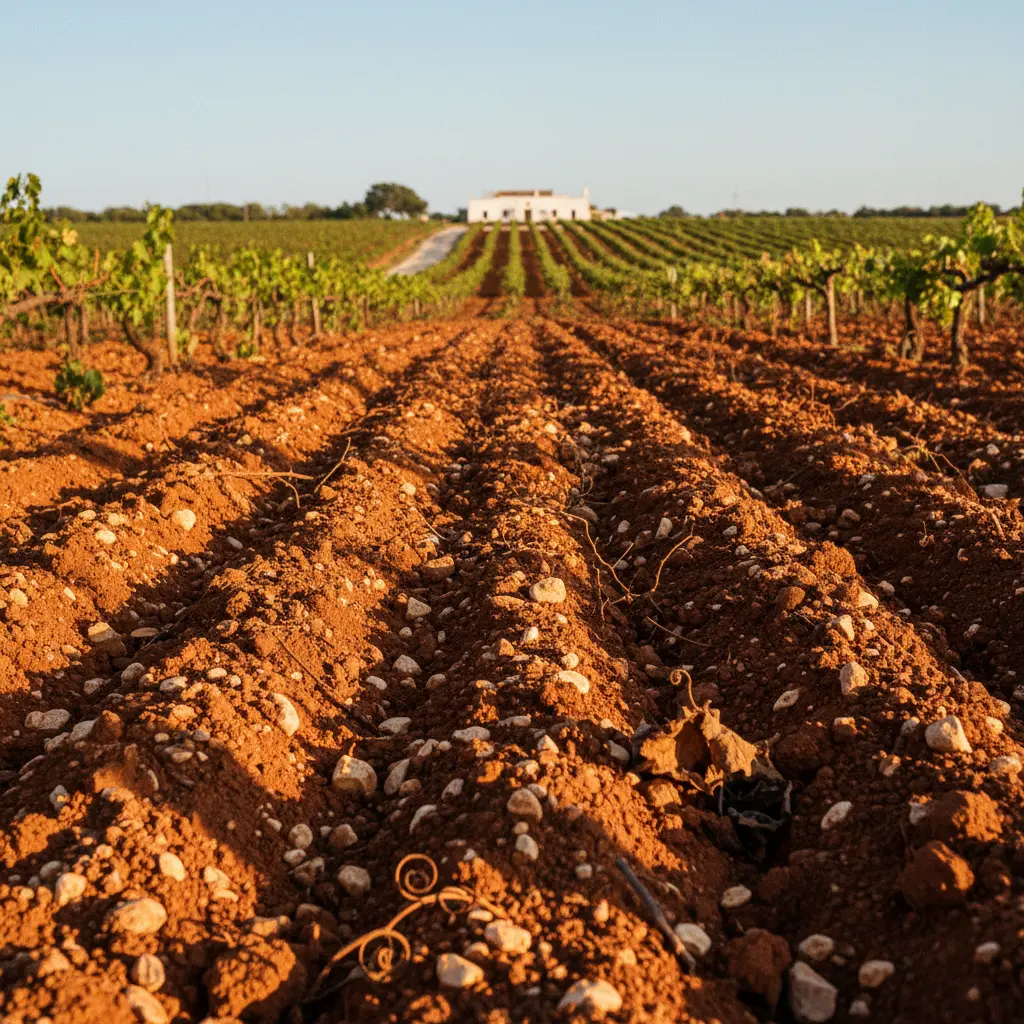
Puglia's soils are predominantly limestone, clay, and iron-rich red earth (terra rossa), which are ideal for viticulture, providing good drainage and mineral content. The red earth, especially common in Salento, imparts distinct mineral notes to the wines, contributing to their structure and complexity.
Coastal & Inland Differences
The proximity to the Adriatic and Ionian Seas influences coastal vineyards with cooling sea breezes, moderating temperatures and preserving acidity. Inland areas, conversely, experience hotter, more arid conditions, leading to wines with greater richness and higher alcohol, particularly for grapes like Primitivo.
Mediterranean Climate
Puglia's consistent Mediterranean climate, characterized by abundant sunshine and gentle winds, ensures optimal ripening for grapes while minimizing disease pressure. This reliable weather pattern allows winemakers to achieve consistent quality year after year.
Which are Puglia's Most Important Wine Zones?
Puglia is divided into several important wine zones, each with its unique characteristics and renowned for specific grape varieties and wine styles. Understanding these zones helps pinpoint the origin and typical profile of a Puglian wine.
Salento
Salento, the southernmost peninsula of Puglia, is arguably the region's most famous wine zone, celebrated for its robust Primitivo and elegant Negroamaro wines. It holds several important DOCs, including Salice Salentino and Primitivo di Manduria, producing some of Italy's most expressive reds and rosatos.
Castel del Monte
The Castel del Monte zone, located in northern Puglia around the iconic octagonal castle, is particularly noted for its Nero di Troia-based wines and excellent rosatos. It is home to Puglia's only DOCG for red wines, Castel del Monte Rosso Riserva, signifying its premium status.
Gioia del Colle
Gioia del Colle is a hilly zone in central Puglia, known for producing some of the finest expressions of Primitivo, often with great structure and longevity. The higher altitude and cooler nights here contribute to wines with balanced acidity, setting them apart from those produced in warmer, flatter areas.
Manduria
Manduria, located within Salento, is the spiritual home of Primitivo, recognized globally for its powerful, ripe, and often high-alcohol wines under the Primitivo di Manduria DOC and DOCG designations. These wines are cherished for their intensity and dark fruit concentration.
How Are Puglia's Wines Classified for Quality?
Puglia adheres to Italy's national wine classification system, which helps consumers understand the quality and origin of the wines. These designations signify adherence to specific production rules and geographical boundaries.
DOCG Designations
Puglia currently boasts four DOCG (Denominazione di Origine Controllata e Garantita) designations, representing the highest quality tier in Italian wine. These include Primitivo di Manduria Dolce Naturale, Castel del Monte Nero di Troia Riserva, Castel del Monte Rosso Riserva, and Castel del Monte Bombino Nero, highlighting the region's top-tier expressions.
DOC System
Numerous DOCs (Denominazione di Origine Controllata) cover the majority of Puglia's quality wine production, setting rules for grape varieties, yields, and winemaking practices. Popular DOCs include Salice Salentino, Primitivo di Manduria, and Copertino, each defining wines from specific areas.
IGT & Varietal Wines
Puglia also produces a significant volume of IGT (Indicazione Geografica Tipica) wines, offering winemakers greater flexibility in grape varieties and blends. These wines often provide excellent value and showcase international grapes alongside traditional Puglian varieties, or innovative blends.
What are the Best Food Pairings for Puglia Wines?
Puglian wines are incredibly food-friendly, pairing beautifully with the hearty, rustic cuisine of their homeland and a wide range of international dishes. The robust nature of the red wines, the freshness of the rosatos, and the crispness of the whites offer versatile options.
"Puglian wines are a reflection of their land: generous, sun-drenched, and full of honest character. They demand food that can stand up to their intensity, but always offer an inviting warmth."
Regional Cuisine Pairings
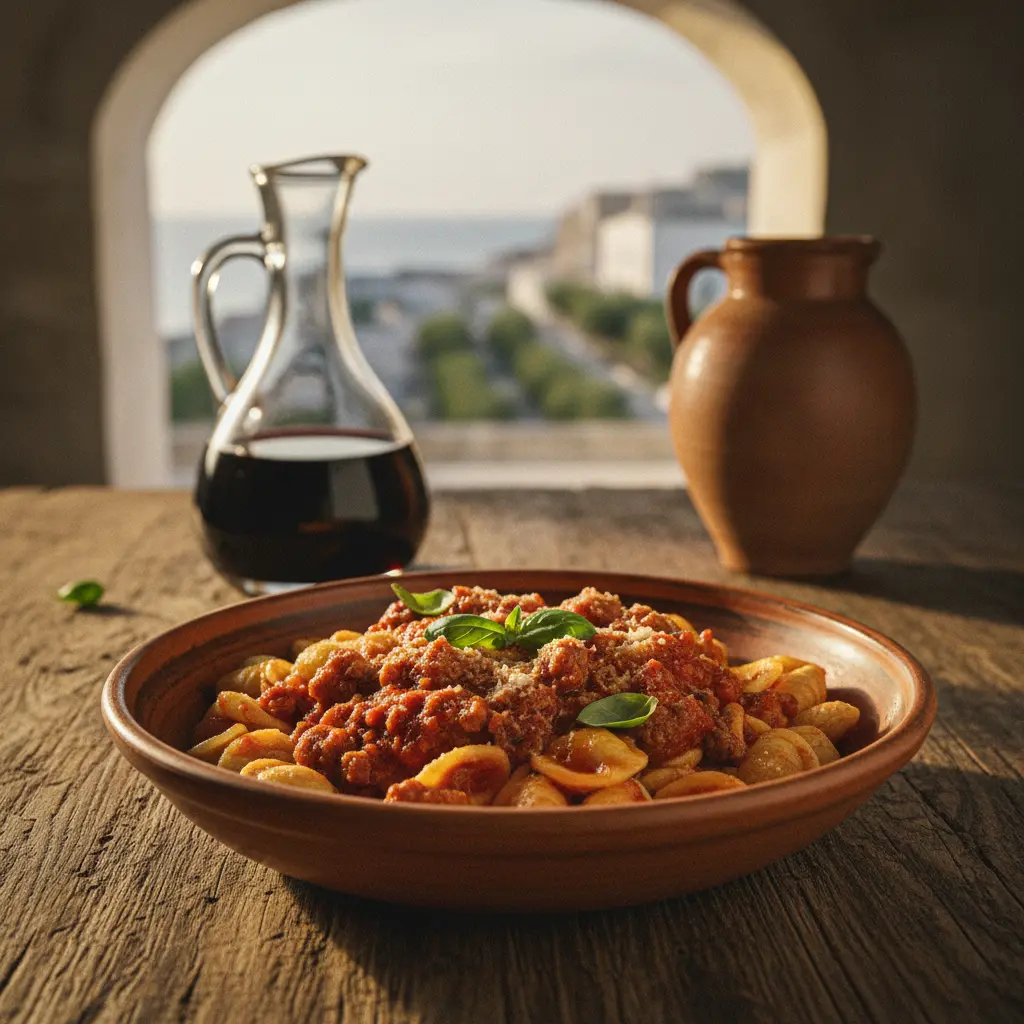
Puglian red wines, especially Primitivo and Negroamaro, are ideal with regional specialties like orecchiette with ragù, lamb, rich pasta dishes, and aged cheeses. The wine's structure and fruit concentration complement the savory flavors of the local fare. Consider these pairings as part of a memorable wine and dine experience, as highlighted in How to Create Memorable Wine & Dine Experiences in 2026.
Universal Pairings
Beyond regional dishes, robust Puglian reds like Primitivo pair exceptionally well with grilled red meats, beef stew, and hearty vegetarian options. For instance, a bold Primitivo can be a fantastic companion to steak, as discussed in How to Choose Red Wine for Steak in 2026. Check our general Best Wine Pairing Guide 2026 for more ideas.
Pairing Rosato
Puglian rosato wines, typically made from Negroamaro or Bombino Nero, are versatile and excellent with seafood, poultry, light pasta dishes, and appetizers. Their crisp acidity and red fruit notes make them perfect for lighter meals and warm weather enjoyment, similar to how one might choose Best Champagne Snacks for 2026.
How to Choose and Buy Puglia Wines?
Selecting the right Puglian wine involves understanding the grape varieties, quality classifications, and where to source them. With a few key considerations, you can confidently choose bottles that match your taste and occasion.
- Identify Your Style Preference: Decide if you prefer a bold, fruity red (Primitivo), a savory and structured red (Negroamaro, Nero di Troia), or a fresh, dry rosato.
- Check the DOC/DOCG: Look for DOCG (e.g., Primitivo di Manduria Dolce Naturale) or DOC (e.g., Salice Salentino) labels for quality assurance and specific regional character.
- Consider the Producer: Researching reputable Puglian wineries known for their quality can guide your selection. Online reviews and wine publications often highlight top producers.
- Read Customer Reviews: If buying online, customer reviews can offer practical insights into a wine's profile and value, helping you make an informed choice.
- Seek Expert Advice: Don't hesitate to ask for recommendations from a sommelier at a wine shop or restaurant; they can provide personalized suggestions for your palate.
Reading Labels
Wine labels provide crucial information about the producer, grape variety, vintage, and classification, guiding your purchase decisions. Look for terms like 'Riserva' (aged longer) or 'Vecchio' (old) which can indicate a more complex wine.
Seeking Value
Puglian wines often offer exceptional value for money, especially compared to their Northern Italian counterparts, making them accessible to a wide range of budgets. Don't overlook IGT wines, which can deliver great quality at attractive price points.
Online vs. Local
You can purchase Puglian wines both through specialized online retailers and local wine shops, each offering different benefits. Online stores often have a broader selection and competitive pricing, while local shops provide personalized recommendations and immediate availability.
What Winery Experiences Await in Puglia?
Puglia offers immersive wine tourism experiences, allowing visitors to explore vineyards, taste wines, and enjoy the region's stunning landscapes and hospitality. It's an ideal destination for those seeking an authentic Italian wine adventure.
Visiting Wineries
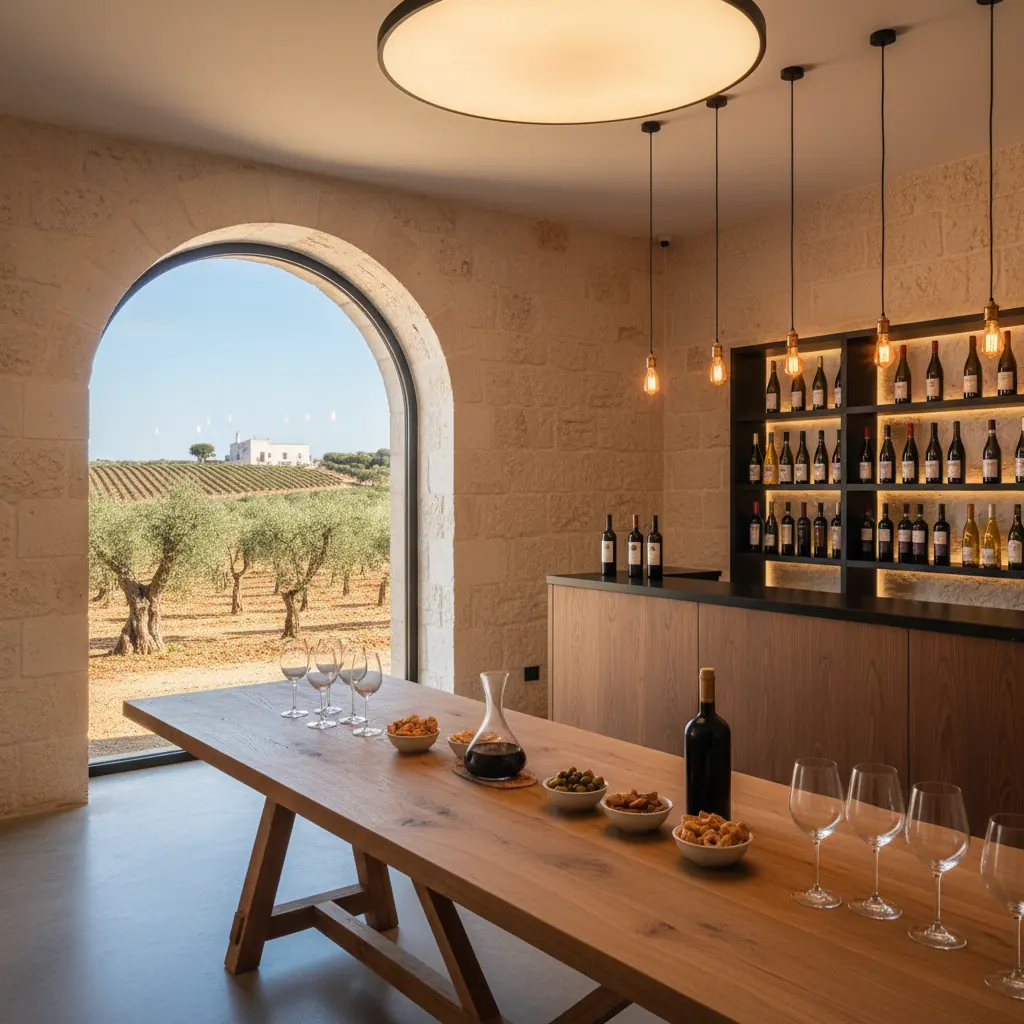
Many Puglian wineries welcome visitors for tours and tastings, providing insights into their winemaking processes and offering direct access to their products. Reservations are often recommended, especially during peak season, to ensure a personalized experience.
Festivals & Events
Puglia hosts various wine festivals and events throughout the year, celebrating its harvests, new releases, and local culinary traditions. These events are excellent opportunities to sample a wide array of wines and engage with local producers and enthusiasts.
Accommodation
The region offers diverse accommodation options, from charming masserias (fortified farmhouses) nestled among vineyards to coastal resorts, enhancing the wine tourism experience. Many masserias also offer authentic Puglian cuisine, perfectly complementing the local wines.
What are the Emerging Trends in Puglian Winemaking?
The future of Puglian wine is characterized by a continued focus on indigenous varieties, a growing commitment to sustainability, and increasing international recognition. The region is evolving while staying true to its roots.
Organic & Biodynamic Growth
There is a significant trend towards organic and biodynamic farming practices among Puglian winemakers, driven by a desire to preserve the environment and produce cleaner, more expressive wines. Many vineyards are converting to these sustainable methods.
Innovation in Winemaking
Puglian producers are embracing modern winemaking techniques alongside traditional methods, experimenting with different fermentation vessels, aging processes, and blending strategies. This innovation aims to refine wine quality and explore new styles, without abandoning the region's heritage.
Global Recognition
Puglian wines are steadily gaining global recognition for their quality, character, and excellent value, attracting attention from critics and consumers worldwide. This increased visibility is driving demand and encouraging further investment in the region's wine industry.