Colchagua Valley is a world-renowned wine region in Chile, celebrated primarily for its exceptional red wines, particularly Carménère and Cabernet Sauvignon. This fertile valley consistently produces highly-rated, full-bodied wines, drawing wine enthusiasts and critics alike for its unique terroir and innovative winemaking.
What Defines Colchagua Valley as a Premier Wine Region?
Colchagua Valley is defined by its optimal climatic conditions, diverse soils, and a strong commitment to producing high-quality, expressive red wines. Located in Chile's Central Valley, it has earned international acclaim, often compared to regions like Napa Valley for its prestige and wine quality, though with its own distinct character.
Its Historical Significance
The valley's winemaking history dates back to the mid-19th century, with significant modernization occurring in the last few decades of the 20th century. Early Spanish settlers introduced vines, but it was the arrival of French varietals and European winemaking techniques that truly shaped Colchagua's identity.
The Influence of the Pacific Ocean
The Pacific Ocean significantly influences Colchagua's climate, providing cool breezes that temper the warm inland temperatures. This diurnal temperature variation allows grapes to ripen slowly and steadily, developing complex flavors and maintaining crucial acidity.
Valley's Reputation for Quality
Colchagua Valley has firmly established its reputation for producing consistently high-quality wines, earning numerous awards and accolades globally. Its dedication to quality control and sustainable practices ensures that its wines remain a benchmark for Chilean excellence.
Which Signature Grape Varieties Flourish in Colchagua?
Colchagua Valley excels in cultivating red grape varieties, with Carménère, Cabernet Sauvignon, and Syrah being its most prominent and successful. These grapes benefit from the region's specific climate and soil, yielding wines of impressive depth and structure.
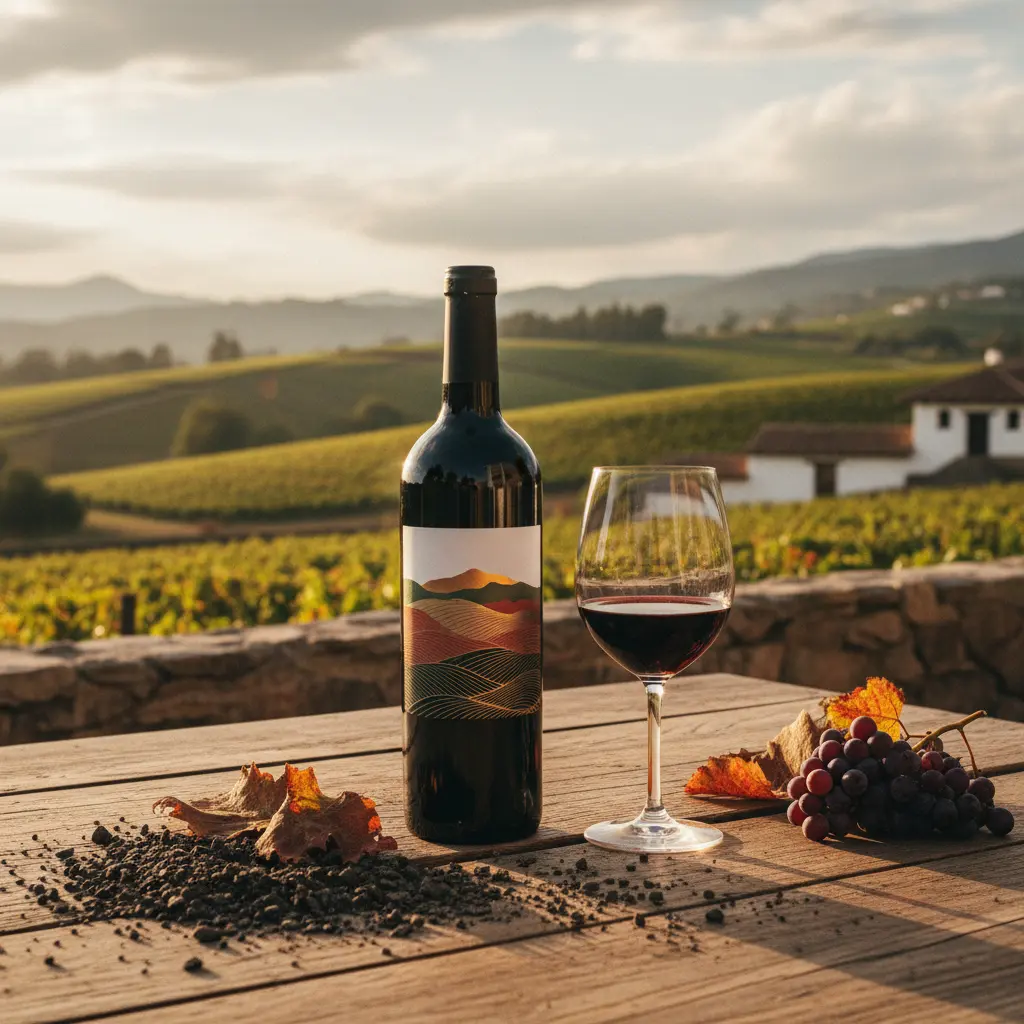
Carménère: Chile's Rediscovered Treasure
Carménère is Colchagua's signature grape, once mistaken for Merlot, and now celebrated for its deep color, ripe fruit flavors, and distinctive green pepper or herbal notes. It thrives in Colchagua's warm days and cool nights, developing a rich, velvety texture that pairs wonderfully with various dishes.
Cabernet Sauvignon: The Backbone of Quality
Colchagua Valley's Cabernet Sauvignon wines are known for their structure, elegance, and concentrated dark fruit flavors, often with hints of mint or eucalyptus. The region's diverse soils allow for different expressions, ranging from powerful and age-worthy to more fruit-forward styles. For specific pairing recommendations, consult our guide on choosing red wine for steak.
Syrah and Malbec: Emerging Stars
While Carménère and Cabernet Sauvignon dominate, Syrah and Malbec are gaining recognition for their quality in Colchagua, offering spicy, savory, and robust alternatives. Syrah from the cooler parts of the valley can be particularly aromatic and complex, similar to some Rhône Valley expressions.
What is the Unique Terroir of Colchagua Valley?
Colchagua Valley's unique terroir is a combination of its Mediterranean climate, varied soil types, and the crucial influence of both the Andes Mountains and the Pacific Ocean. These elements collectively create an ideal environment for viticulture, shaping the character and intensity of its wines.
Diverse Soil Compositions
The valley boasts a range of soil types, including alluvial, colluvial, and granitic soils, each contributing distinct characteristics to the grapes grown within them. These soils often include clay, loam, and gravel, providing excellent drainage and forcing vines to struggle, resulting in more concentrated fruit.
Climatic Advantages
Colchagua benefits from a Mediterranean climate characterized by dry, sunny summers and mild, rainy winters. This consistent sunshine ensures optimal grape ripening, while the absence of extreme weather events allows for a long, even growing season.
Coastal vs. Inland Influences
The western parts of Colchagua near the coast experience cooler temperatures and higher humidity, ideal for maintaining acidity, while the eastern, more inland areas are warmer, yielding riper, more powerful reds. This distinct variation allows for a diversity of wine styles within the region.
Who are the Leading Wineries to Visit in Colchagua?
Colchagua Valley is home to many world-class wineries, ranging from large, iconic estates with extensive visitor facilities to smaller, boutique operations offering intimate tasting experiences. These wineries often provide tours, tastings, and gourmet dining, making them prime destinations for enotourism.
| Winery Name | Signature Grape / Wine | Key Feature |
|---|---|---|
| Montes Alpha | Syrah (Montes Folly), Cabernet Sauvignon | Pioneering premium wines, biodynamic practices |
| Lapostolle Clos Apalta | Colchagua Blend (Carménère, Cabernet, Merlot) | Gravity-fed winery, iconic, high-scoring wines |
| Casa Lapostolle | Carménère (Cuvée Alexandre) | Sustainable farming, French expertise, diverse portfolio |
| Viña Santa Cruz | Carménère, Malbec | Cable car to indigenous village, observatory |
| Viña Neyen de Apalta | Colchagua Red Blend (Cabernet Sauvignon, Carménère) | Ancient pre-phylloxera vines, historic winery |
Iconic Estates and Their Offerings
Estates like Montes, Lapostolle, and Viu Manent are iconic in Colchagua, known for their grand architecture, extensive vineyards, and award-winning wines that set regional benchmarks. They often offer comprehensive tours covering vineyard practices, winemaking processes, and barrel aging, culminating in guided tastings of their premium selections.
Boutique Wineries and Hidden Gems
Beyond the large estates, Colchagua also features charming boutique wineries and hidden gems that offer more personalized and intimate experiences. These smaller producers often focus on specific terroir expressions or unique varietals, providing a different perspective on the valley's winemaking capabilities.
Experiences Beyond Tasting
Many Colchagua wineries offer activities beyond standard tastings, including horseback riding through vineyards, cooking classes, and even astronomical observatories. These diverse experiences enhance a visit, making it more than just about the wine, but about the culture and landscape of this beautiful region.
How Can You Master Food Pairings with Colchagua Valley Wines?
Colchagua Valley wines, particularly their robust reds, are versatile and pair exceptionally well with a variety of rich and savory dishes. Understanding the characteristics of each varietal helps in creating harmonious culinary matches.
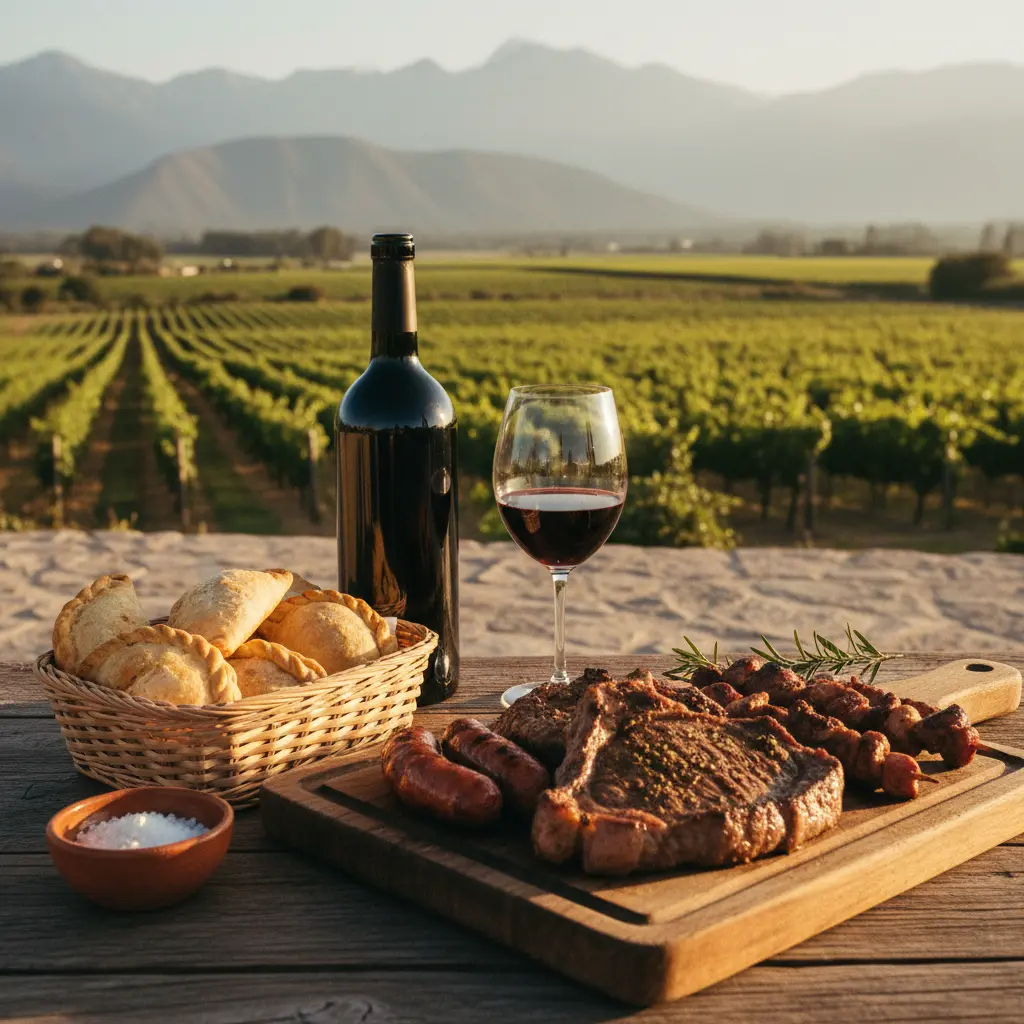
Pairing Carménère with Chilean Cuisine
Carménère, with its notes of red fruit and subtle spice, is an excellent match for traditional Chilean dishes like empanadas, pastel de choclo (corn pie), and slow-cooked beef. Its balanced tannins and acidity cut through the richness of these foods, enhancing the flavors.
Cabernet Sauvignon: A Global Food Match
Colchagua Cabernet Sauvignon pairs famously with grilled red meats such as steak and lamb, as well as hearty stews and aged cheeses. The wine's firm tannins and dark fruit character stand up to strong flavors, creating a classic pairing experience. For a general guide, refer to our best wine pairing guide.
Syrah and Mediterranean Flavors
Colchagua Syrah, with its peppery notes and darker fruit profile, pairs beautifully with Mediterranean-inspired dishes, roasted vegetables, and game meats. Its complexity can complement dishes with herbs like rosemary and thyme, as well as those featuring olives or rich tomato sauces.
"Colchagua Valley consistently delivers wines of incredible character and value, a testament to its unique climatic conditions and the dedication of its winemakers. Its Carménère is a true discovery for those seeking depth and originality in South American wine."
- Renowned Wine Critic
How to Plan an Unforgettable Wine Tour of Colchagua Valley?
An unforgettable wine tour of Colchagua Valley requires thoughtful planning regarding timing, transportation, and choosing the right wineries to visit. The region offers a well-developed enotourism infrastructure, making it accessible and enjoyable for visitors.
Best Time to Visit
The ideal time to visit Colchagua Valley is during the Chilean spring (September-November) or autumn (March-May). Spring offers beautiful blooming vineyards and pleasant weather, while autumn allows visitors to witness the grape harvest, a vibrant and exciting period.
Transportation and Accommodation
Visitors can reach Colchagua Valley by car from Santiago, typically a two-hour drive, or by taking a scenic train ride. The region offers a range of accommodations, from charming boutique hotels within vineyards to larger resorts in nearby towns like Santa Cruz.
Essential Tasting Etiquette
Practicing proper tasting etiquette, such as arriving on time, asking insightful questions, and being mindful of your fellow tasters, enhances the experience for everyone. It is also advisable to spit samples when visiting multiple wineries to maintain clarity of palate. Learn more about mastering wine service.
How Do Colchagua Wineries Embrace Sustainability?
Colchagua wineries are increasingly embracing comprehensive sustainability practices, focusing on environmental protection, social responsibility, and economic viability. Many producers are certified under various national and international sustainability programs, setting a standard for responsible winemaking.
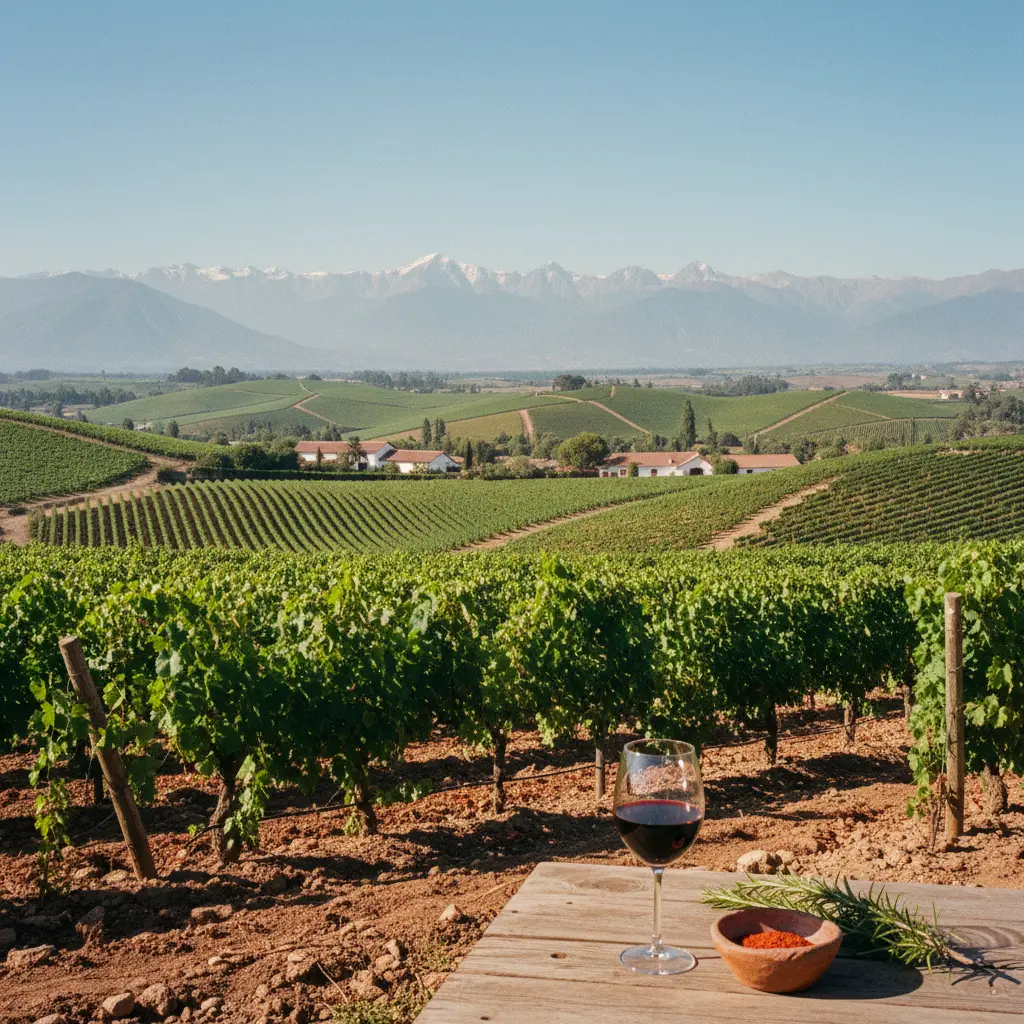
Organic and Biodynamic Practices
A growing number of wineries in Colchagua are adopting organic and biodynamic farming methods to minimize chemical use and promote vineyard health. These practices contribute to biodiversity and soil vitality, resulting in more authentic and expressive wines.
Water Conservation Efforts
Given Chile's climate, water conservation is a critical focus for Colchagua wineries, utilizing advanced irrigation techniques and water recycling programs. Drip irrigation, for example, allows for precise water delivery to vines, significantly reducing overall water consumption.
Community Engagement
Colchagua wineries actively engage with local communities, providing employment, supporting local businesses, and participating in social development initiatives. This commitment to social responsibility ensures that the benefits of the wine industry extend beyond the vineyards themselves.
What is the Future of Colchagua Valley Wines in 2026?
The future of Colchagua Valley wines in 2026 looks promising, driven by continued innovation, expanding international recognition, and a booming enotourism sector. The region is committed to maintaining its reputation for quality while adapting to global trends and climate challenges.
- Climate Adaptation: Wineries are investing in research and new vineyard management techniques to mitigate the effects of climate change, such as planting drought-resistant rootstocks and experimenting with higher-altitude sites.
- Varietal Diversification: While red wines remain dominant, there's growing interest in exploring and perfecting white varietals suitable for the cooler coastal areas, potentially expanding the region's portfolio.
- Enhanced Enotourism: Investment in infrastructure, luxury accommodations, and unique experiences continues to grow, attracting a diverse range of international visitors seeking immersive wine travel. This positions Colchagua favorably against regions like Napa Valley for wine tourism.
- Digital Integration: Wineries are increasingly leveraging digital platforms for direct-to-consumer sales, virtual tastings, and engaging with a global audience, expanding their market reach.
Innovation in Winemaking
Colchagua winemakers are constantly innovating, experimenting with new fermentation techniques, oak aging regimens, and sustainable vineyard practices. This includes the use of concrete eggs, amphorae, and alternative oak sizes to achieve specific textural and aromatic profiles in their wines.
Expanding International Recognition
Colchagua Valley wines continue to gain traction in international markets, with increased exports and critical acclaim from influential wine publications and competitions. This growing recognition solidifies its status as a top wine-producing region globally, alongside other major wine countries in South America.
Enotourism Growth
The region's enotourism sector is experiencing robust growth, with more visitors seeking authentic cultural and culinary experiences alongside wine tasting. This expansion supports local economies and reinforces Colchagua's image as a vibrant and welcoming destination for wine lovers worldwide.