South Africa boasts a vibrant and diverse wine industry, renowned globally for its unique terroir and pioneering winemaking heritage. Its distinct microclimates and ancient soils contribute to exceptional wines, from crisp whites to robust reds, establishing its place among the world's premier wine-producing nations.
What Makes South African Wine Unique?
South African wine stands out due to its distinctive Cape Floral Kingdom biodiversity, old vine heritage, and innovative winemaking techniques that balance tradition with modernity. This blend creates wines with character and depth rarely found elsewhere.
A History Forged in Wine
The viticultural history of South Africa dates back to 1659, when Jan van Riebeeck produced the first wine, laying the groundwork for a rich winemaking tradition. This long history, particularly in the Cape Winelands, has allowed for generations of knowledge to accumulate, fostering a deep understanding of the land and its potential.
Terroir and Biodiversity
South Africa's diverse landscapes, from coastal regions cooled by the Atlantic to inland valleys, offer a wide array of terroirs, profoundly influencing wine styles. The unique Fynbos vegetation, part of the Cape Floral Kingdom, also contributes to specific characteristics, sometimes imparting subtle herbaceous notes to the wines, making them truly unique.
What are the Key Wine Regions of South Africa?
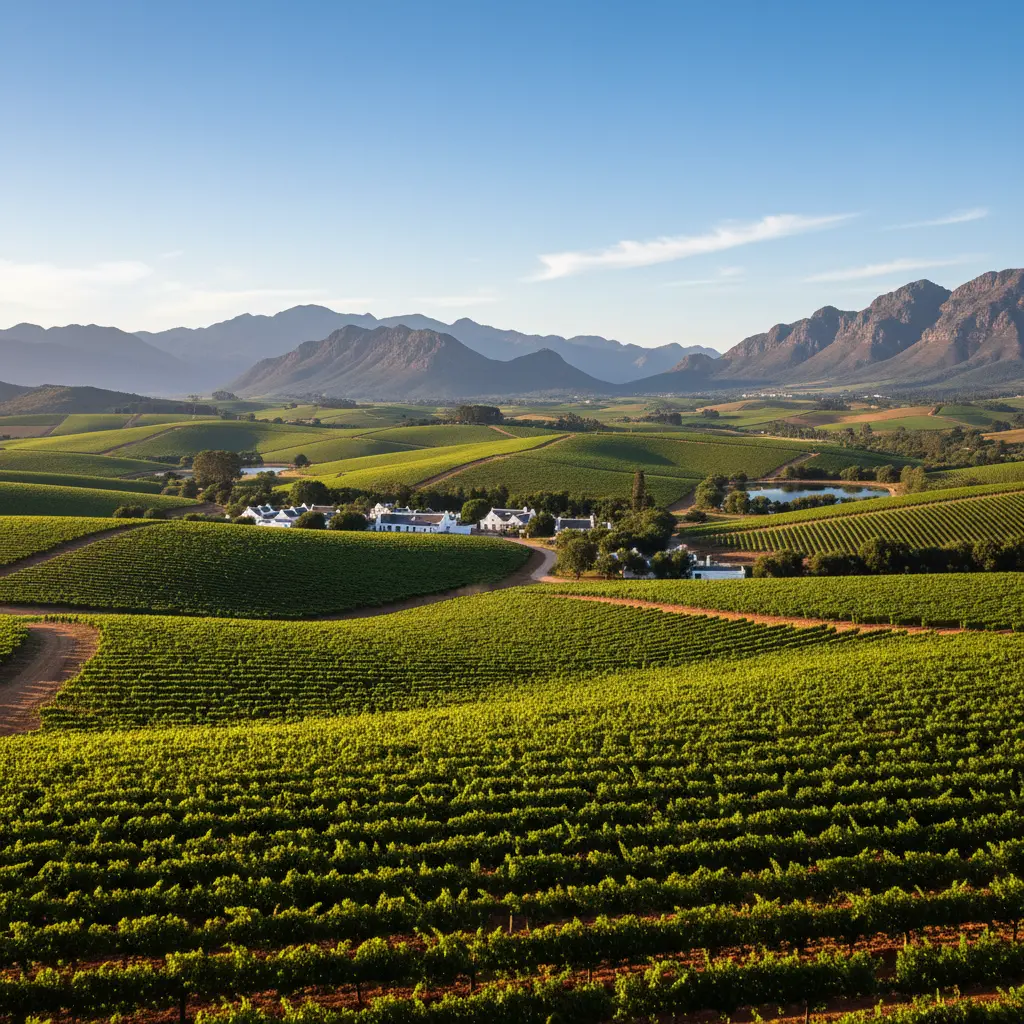
South Africa's primary wine regions, collectively known as the Cape Winelands, include Stellenbosch, Paarl, Franschhoek, Swartland, and Walker Bay, each offering distinct climate and soil profiles. These regions are the heart of the country's winemaking prowess.
Stellenbosch: The Heart of Quality
Stellenbosch is arguably South Africa's most renowned wine region, celebrated for its high-quality red wines, especially Cabernet Sauvignon, and robust white varietals. Its diverse soils, including decomposed granite and shale, coupled with a Mediterranean climate, provide ideal conditions for premium grape growing and complex, age-worthy wines.
Paarl: Diversity and Scale
Paarl offers a broader range of wine styles due to its varying altitudes and soil types, producing excellent Shiraz, Cabernet Sauvignon, and Chenin Blanc. The region benefits from warm days and cool nights, leading to well-ripened fruit with balanced acidity and a full flavor profile.
Franschhoek: Huguenot Heritage
Franschhoek, meaning "French Corner," is famous for its picturesque setting and its history as a settlement for French Huguenots, excelling in Cap Classique sparkling wines and elegant whites. The valley's dramatic mountains shield vineyards, creating unique microclimates ideal for a range of varietals, particularly Chardonnay and Semillon.
Swartland: The 'New Wave' Vanguard
Swartland has emerged as a hub for innovative winemaking, known for its old bush vines and a focus on Rhône varietals like Syrah, Grenache, and Carignan, often crafted with minimal intervention. Its dry, hot climate and ancient soils yield concentrated, characterful wines that reflect their rugged origins.
Walker Bay: Cool Climate Elegance
Walker Bay, particularly the Hemel-en-Aarde Valley, is celebrated for its cool-climate Pinot Noir and Chardonnay, producing wines of exceptional finesse and structure. Proximity to the Atlantic Ocean provides cooling breezes, extending the ripening period and preserving acidity, resulting in elegant and nuanced wines.
What are South Africa's Signature White Grape Varieties?
South Africa's signature white grape varieties include Chenin Blanc and Sauvignon Blanc, alongside impressive Chardonnay, each expressing unique regional characteristics. These varieties showcase the country's versatility in white wine production.
Chenin Blanc: The Workhorse Reimagined
Chenin Blanc, locally known as "Steen," is South Africa's most planted grape and has been transformed from a bulk wine varietal into a world-class offering, showcasing remarkable versatility. It can produce wines ranging from crisp, dry, and mineral-driven to rich, oaked, and complex, even sweet dessert wines. For more on grape varieties, explore our Global Grape Map 2026.
Sauvignon Blanc: Coastal Freshness
South African Sauvignon Blanc thrives in cooler coastal regions, delivering vibrant, aromatic wines with notes of passionfruit, gooseberry, and a distinct mineral edge. Wineries in Elgin and Constantia are particularly adept at producing standout examples that reflect their maritime influence.
What are South Africa's Iconic Red Grape Varieties?
South Africa's iconic red grape varieties include the indigenous Pinotage, robust Cabernet Sauvignon, and spicy Shiraz, each contributing significantly to the country's red wine reputation. These varieties are often the first to come to mind when thinking of South African reds.
Pinotage: South Africa's Own
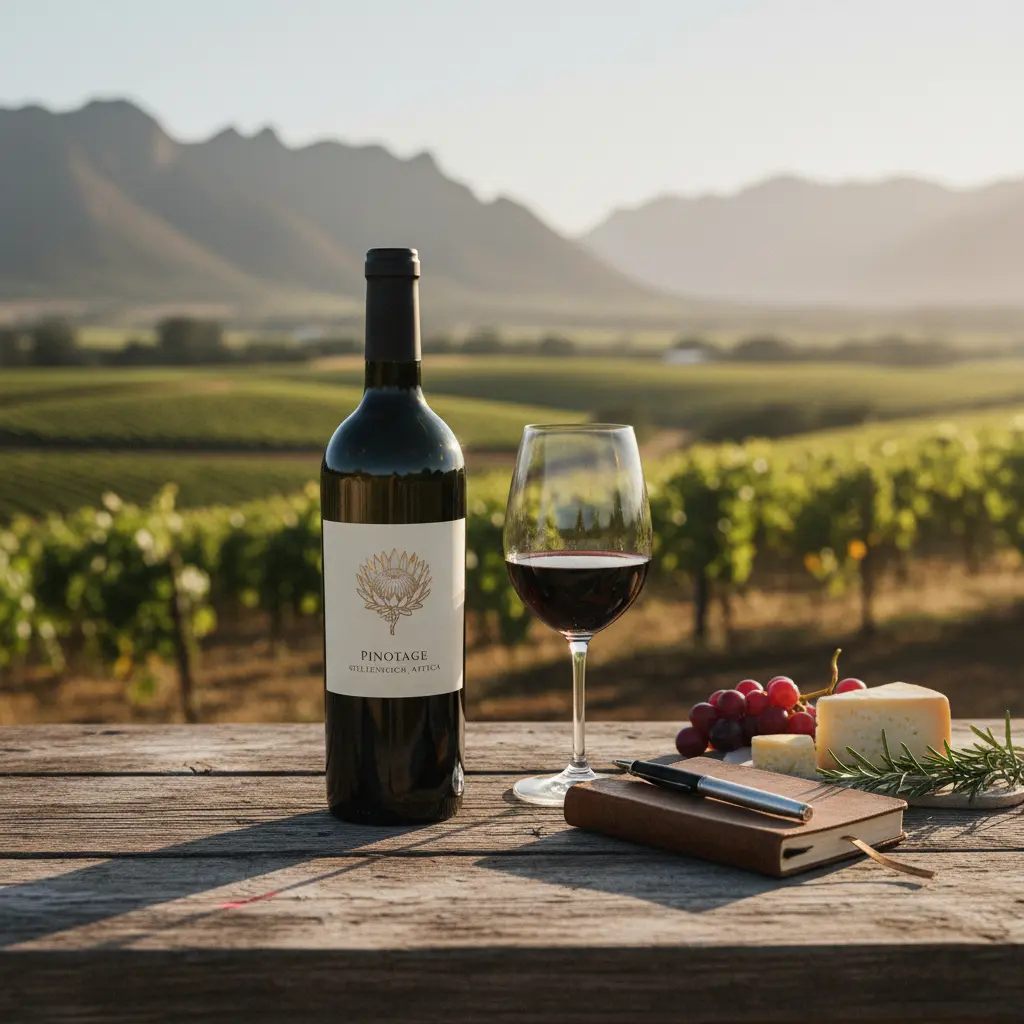
Pinotage, a cross between Pinot Noir and Cinsault (Hermitage), is South Africa's unique contribution to the wine world, known for its smoky, earthy, and red fruit characteristics. Modern styles have moved towards more elegant expressions, moving away from the "burnt rubber" notes sometimes associated with earlier vintages, showcasing its true potential.
Cabernet Sauvignon: A Global Standard
Cabernet Sauvignon remains a cornerstone of South African red winemaking, particularly in Stellenbosch, producing full-bodied wines with dark fruit, cassis, and cedar notes. These wines often show excellent aging potential, rivalling those from other major wine regions. Learn more about wine longevity in our guide: Aged Like Fine Wine: A 2026 Guide.
Shiraz/Syrah: Rhône Influence
South African Shiraz (also known as Syrah) delivers rich, peppery, and dark-fruited wines, excelling in warmer regions like Paarl and Swartland. Its adaptability allows for a range of styles, from fruit-forward to savory and complex, often expressing a distinct sense of place.
Who are the Top South African Wine Producers?
South Africa hosts numerous acclaimed wine producers, from historic estates with centuries of tradition to innovative boutique wineries pushing boundaries, including Kanonkop, Boekenhoutskloof, and Hamilton Russell Vineyards. These producers are at the forefront of quality and innovation.
Historic Estates and Modern Innovators
Producers like Nederburg and Rust en Vrede represent the long-standing tradition of quality, while newer names such as Sadie Family Wines and Mullineux & Leeu Family Wines embody the contemporary "new wave" movement. This blend of old and new ensures a dynamic and exciting wine landscape for enthusiasts.
Leading Wineries to Discover
Kanonkop is globally recognized for its Pinotage and Cabernet Sauvignon, while Boekenhoutskloof in Franschhoek produces highly sought-after Syrah and Cabernet Sauvignon. Hamilton Russell Vineyards leads the way with exceptional cool-climate Pinot Noir and Chardonnay from Walker Bay, establishing a reputation for elegance and purity. For more tips on discovering great wines, check out Unearthing Unique Wines.
How Do You Pair South African Wines with Food?
Pairing South African wines with food involves considering their diverse flavor profiles, from the crisp acidity of Chenin Blanc to the bold structure of Pinotage and Cabernet Sauvignon. Understanding these characteristics ensures optimal food and wine harmony.
Chenin Blanc Food Matches
Crisp, unoaked Chenin Blanc pairs beautifully with seafood, sushi, and light salads, while richer, oaked versions complement roast chicken, creamy pasta, or subtly spiced curries. Its versatility makes it an ideal choice for diverse culinary experiences, from casual meals to fine dining.
Pinotage and Traditional Cuisine
Pinotage finds its perfect match with hearty, flavorful dishes such as grilled meats, lamb stew, venison, and traditional South African braai (barbecue). The wine's smoky notes often harmonize well with barbecued flavors and rich, savory dishes.
Cabernet Sauvignon and Robust Dishes
South African Cabernet Sauvignon excels alongside red meat dishes like beef steak, lamb chops, and rich stews, where its tannins and dark fruit complement the richness of the food. This pairing creates a classic and satisfying culinary experience, especially with aged cheeses.
How is South Africa Addressing Sustainable Winegrowing?
South Africa is a global leader in sustainable wine production, with a comprehensive certification scheme that emphasizes environmental protection, social equity, and economic viability. This commitment underscores a deep respect for both nature and community.
WIETA and IPW Certifications
The Wine and Spirit Board's Integrated Production of Wine (IPW) and the Wine and Agricultural Ethical Trade Association (WIETA) ensure producers adhere to strict environmental and ethical labor standards. This commitment to sustainability is evident in vineyard management, water conservation, and biodiversity initiatives, making South African wines a responsible choice.
Biodiversity and Conservation
Many wineries are actively involved in preserving the unique Fynbos biome, clearing alien vegetation, and rehabilitating natural habitats within their estates. This dedication to conservation reflects a deep respect for the land and its invaluable ecological diversity, contributing to healthier vineyards.
How Can You Plan Your Wine Journey to the Cape Winelands?
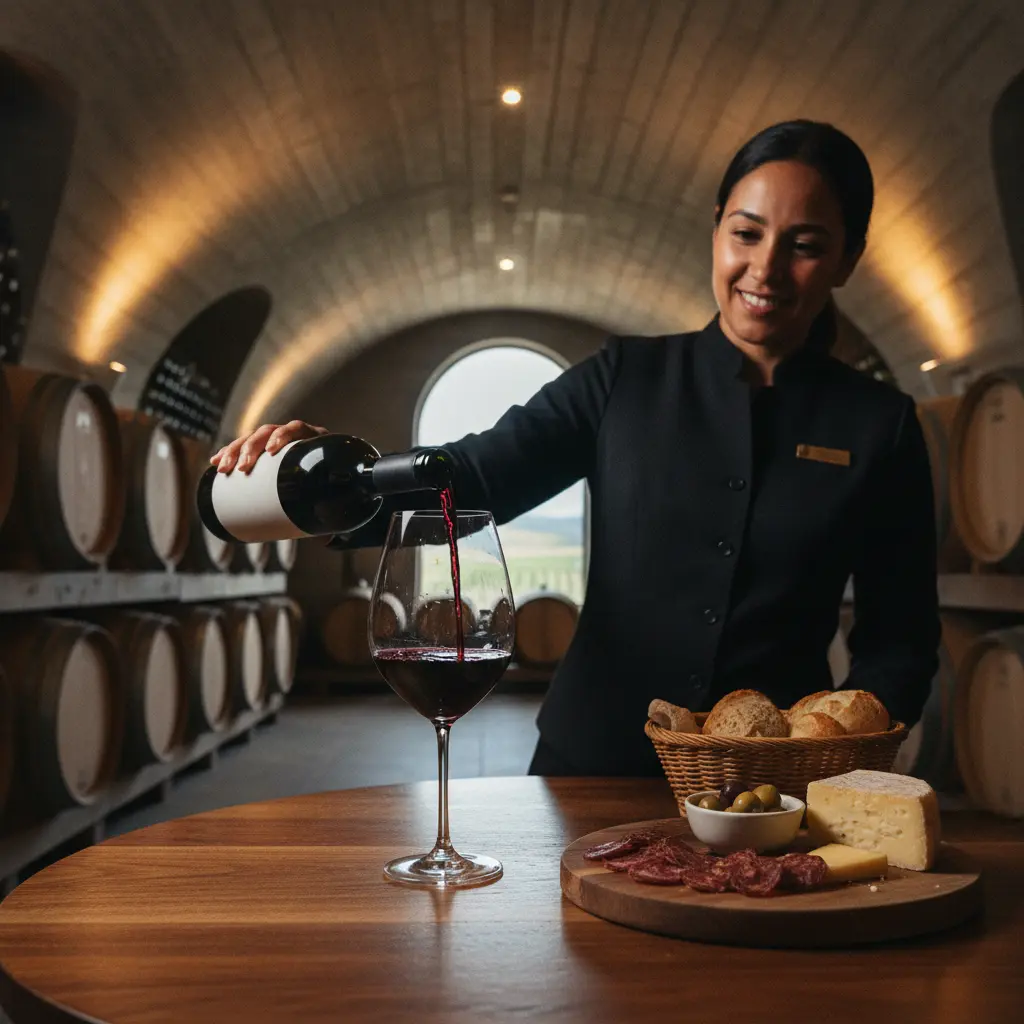
Planning a visit to South Africa's Cape Winelands offers an immersive experience, combining breathtaking landscapes, world-class wineries, and gourmet dining. It's an unforgettable destination for any wine lover.
Key Destinations and Activities
Stellenbosch and Franschhoek are prime destinations, offering cellar tours, wine tastings, fine dining, and scenic drives through picturesque vineyards. Many estates also provide luxury accommodation, making for an unforgettable stay. For more travel tips, see our guide on Best Wineries in Italy 2026, which shares similar travel planning advice.
Best Time to Visit
The ideal time to visit the Cape Winelands is during the spring (September-November) or autumn (March-May) when the weather is mild and the landscapes are at their most beautiful. Harvest season in late summer (February-March) offers a unique insight into the winemaking process, with bustling activity in the vineyards and cellars.
What are Expert Tips for Buying South African Wines?
When buying South African wines, look for specific regions, trusted producers, and vintage information to ensure quality and find styles that suit your preferences. Informed choices will enhance your enjoyment of these exceptional wines.
Decoding the Label
Pay attention to the region (e.g., Stellenbosch, Swartland), grape variety (e.g., Chenin Blanc, Pinotage), and producer name, as these are strong indicators of quality and style. Checking for IPW certification also assures a commitment to sustainable practices, adding to the wine's appeal. For smart buying advice, consider reading Mastering the Wine Journey.
Exploring Value and Premium Options
South Africa offers excellent value across all price points, from approachable everyday wines to premium, age-worthy selections. Don't hesitate to experiment with lesser-known varietals or blends, as often hidden gems can be discovered at a great price point. While some grapes can be quite acidic, you can learn more about managing that in our Sommelier's Guide to Acidity.
"South African wine encapsulates a narrative of resilience, innovation, and an unwavering commitment to quality, reflecting both its ancient soils and its dynamic people."
- A leading wine critic on the Cape Winelands' enduring appeal.
How to Choose a South African Wine
Choosing a South African wine can be simplified by following a few key steps to match your preferences and occasion.
- Identify your preferred style: Do you enjoy crisp whites, full-bodied reds, or something sparkling for a celebration?
- Consider the region: Stellenbosch for classic reds, Swartland for adventurous Rhône blends, Walker Bay for elegant Pinot Noir/Chardonnay.
- Look for iconic grapes: Chenin Blanc for versatility, Pinotage for unique South African character, Cabernet Sauvignon for a reliable classic.
- Research producers: Trustworthy names like Kanonkop, Boekenhoutskloof, or Sadie Family Wines are good starting points for quality.
- Check for certifications: IPW or WIETA labels indicate sustainable and ethical production practices, supporting responsible winemaking.
- Read reviews or ask experts: Online resources and local wine merchants can guide your selection, offering personalized recommendations.
| Region | Primary Grapes | Climate | Typical Styles |
|---|---|---|---|
| Stellenbosch | Cabernet Sauvignon, Merlot, Shiraz, Chenin Blanc | Mediterranean, warm days, cool nights | Full-bodied reds, elegant whites, age-worthy |
| Paarl | Shiraz, Cabernet Sauvignon, Chenin Blanc, Chardonnay | Warm, dry, varying altitudes | Rich reds, diverse white varietals |
| Franschhoek | Cap Classique, Chardonnay, Semillon | Sheltered, warm, mountain-influenced | Sparkling wines, elegant whites |
| Swartland | Syrah, Grenache, Chenin Blanc (bush vines) | Hot, dry, ancient soils | Concentrated, Rhône-style reds, natural wines |
| Walker Bay | Pinot Noir, Chardonnay, Sauvignon Blanc | Cool, maritime, ocean-influenced | Elegant, structured reds, crisp whites |