Moldova is a vibrant, emerging wine country, boasting a rich viticultural heritage and unique native grape varieties that offer a distinct and rewarding experience for wine enthusiasts. Often referred to as 'the country with grapes for hills,' Moldova's winemaking tradition dates back thousands of years, making it one of Europe's oldest wine-producing nations with a modern resurgence.
What Makes Moldovan Wine Unique?
Moldovan wine stands out due to its indigenous grape varieties, ancient winemaking traditions, and diverse terroir, which collectively contribute to its distinctive character and quality. The country's favorable climate, with continental influences, and rich, fertile soils create optimal conditions for grape cultivation, resulting in wines with a unique balance of fruitiness and acidity.
A Legacy of Winemaking
Moldova's winemaking history stretches back over 7,000 years, with evidence of grape cultivation found across its territories. This long-standing tradition is deeply woven into the national identity, influencing culture, cuisine, and celebrations. The expertise passed down through generations forms the bedrock of modern Moldovan viticulture.
Terroir and Climate
The Moldovan terroir benefits from a continental climate moderated by the Black Sea, featuring warm summers and mild winters, alongside diverse soil compositions ranging from chernozem to limestone. This combination allows for a wide array of grape varieties to thrive, each expressing unique characteristics based on their specific microclimate and soil. For a broader understanding of grape growth, see our Global Grape Map 2026.
What Are the Primary Wine Regions of Moldova?
Moldova's primary wine regions are Valul lui Traian, Codru, and Purcari, each offering distinct microclimates and traditional grape varieties that shape their unique wine profiles. These regions are legally protected designations, ensuring quality and regional authenticity.
Codru: The Heartland
Codru is Moldova's largest wine region, located in the central part of the country, characterized by vast forests that provide natural protection for vineyards. This region is known for its white wines, especially Feteasca Albă and Chardonnay, as well as red blends. Many of Moldova's iconic underground cellars, including Cricova and Mileștii Mici, are found here.
Valul lui Traian: Southern Charm
Valul lui Traian, situated in the southwest, is celebrated for its full-bodied red wines, benefiting from a warmer climate and abundant sunshine. Cabernet Sauvignon, Merlot, and local varieties like Rara Neagră thrive here, producing rich, concentrated wines. This region is home to several award-winning wineries focused on export quality.
Purcari and Stefan Vodă: Renowned Excellence
The Purcari region, located in the southeast near the Dniester River, is Moldova's most internationally acclaimed wine area, particularly famous for its legendary Negru de Purcari. The unique microclimate, influenced by the river, contributes to the distinctive character of its red wines. Stefan Vodă is often considered part of the broader Purcari zone, sharing similar viticultural advantages.
Which Indigenous Moldovan Grape Varieties Should I Explore?
For a truly authentic Moldovan wine experience, you should explore indigenous grape varieties such as Feteasca Neagră, Rara Neagră, Feteasca Albă, and Viorica, which offer unique flavors and aromas not found elsewhere. These grapes are hallmarks of the country's vinicultural heritage.
Feteasca Neagră: The Black Maiden
Feteasca Neagră is an ancient red grape variety that produces elegant, medium-bodied wines with notes of black cherry, plum, and a hint of spice, often compared to Pinot Noir. It's a versatile grape, capable of yielding both fresh, fruit-forward wines and more complex, oak-aged expressions.
Rara Neagră: The Rare Black
Rara Neagră is another venerable red grape, known for its vibrant acidity, red berry flavors, and subtle earthy undertones, often used in blends or as a lighter-bodied varietal wine. It contributes structure and freshness to Moldovan red blends, particularly in the Valul lui Traian and Purcari regions.
Feteasca Albă and Regala: The White Royalty
Feteasca Albă produces aromatic white wines with floral notes, green apple, and citrus, while Feteasca Regală, a natural crossbreed, offers greater body and aromatic intensity, often with stone fruit and honey nuances. Both are excellent choices for crisp, refreshing wines, perfect as aperitifs or with light meals.
Viorica: The Fragrant Discovery
Viorica is a relatively new, highly aromatic white grape hybrid that offers intense floral, Muscat-like aromas with notes of exotic fruits and honey. It is gaining popularity for its vibrant, expressive character, making it a favorite for aromatic dry wines and off-dry styles.
Key Moldovan Grape Varieties at a Glance
This table provides a quick reference for the most important indigenous and international grape varieties thriving in Moldova. Understanding these grapes is fundamental to appreciating Moldovan wine diversity.
| Grape Variety | Type | Key Characteristics | Primary Regions |
|---|---|---|---|
| Feteasca Neagră | Red (Indigenous) | Black cherry, plum, spice; elegant, medium-bodied | Valul lui Traian, Purcari, Codru |
| Rara Neagră | Red (Indigenous) | Red berries, vibrant acidity, earthy notes; lighter body | Valul lui Traian, Purcari |
| Feteasca Albă | White (Indigenous) | Floral, green apple, citrus; crisp, refreshing | Codru |
| Viorica | White (Indigenous/Hybrid) | Intense floral, exotic fruit, honey; highly aromatic | Codru, Valul lui Traian |
| Cabernet Sauvignon | Red (International) | Blackcurrant, bell pepper, firm tannins; full-bodied | Valul lui Traian, Purcari |
| Chardonnay | White (International) | Green apple, citrus (unoaked); butter, vanilla (oaked) | Codru |
How Do International Grape Varieties Perform in Moldova?
International grape varieties such as Cabernet Sauvignon, Merlot, Chardonnay, and Sauvignon Blanc thrive in Moldova, benefiting from the country's favorable climate and skilled winemaking to produce high-quality wines with a distinctive Moldovan twist. These grapes often form the backbone of export-oriented portfolios.
Cabernet Sauvignon and Merlot
Moldova's red soils and warm growing seasons are particularly well-suited for Cabernet Sauvignon and Merlot, yielding wines with good structure, ripe fruit flavors, and often notable aging potential. These are frequently blended with indigenous grapes to create complex and unique expressions.
Chardonnay and Sauvignon Blanc
Chardonnay and Sauvignon Blanc flourish in Moldova's cooler regions, producing crisp, aromatic, and often mineral-driven white wines. Moldovan Chardonnay can range from unoaked, fresh styles to richer, barrel-fermented versions, while Sauvignon Blanc often exhibits vibrant herbaceous and citrus notes.
Who Are the Leading Moldovan Wine Producers?
Leading Moldovan wine producers include Purcari, Cricova, Mileștii Mici, Castel Mimi, and Et Cetera, each renowned for their commitment to quality, innovative winemaking, and preservation of traditional methods. These wineries are pivotal in elevating Moldova's international wine profile.
Purcari Winery: A Historic Powerhouse
Purcari Winery, established in 1827, is Moldova's oldest and most prestigious winery, celebrated globally for its Negru de Purcari and other award-winning reds. Their wines have graced royal tables and continue to be a benchmark for Moldovan excellence. To explore other iconic wineries, consider our guide to Best Wineries in Portugal 2026.
Cricova and Mileștii Mici: Underground Cities
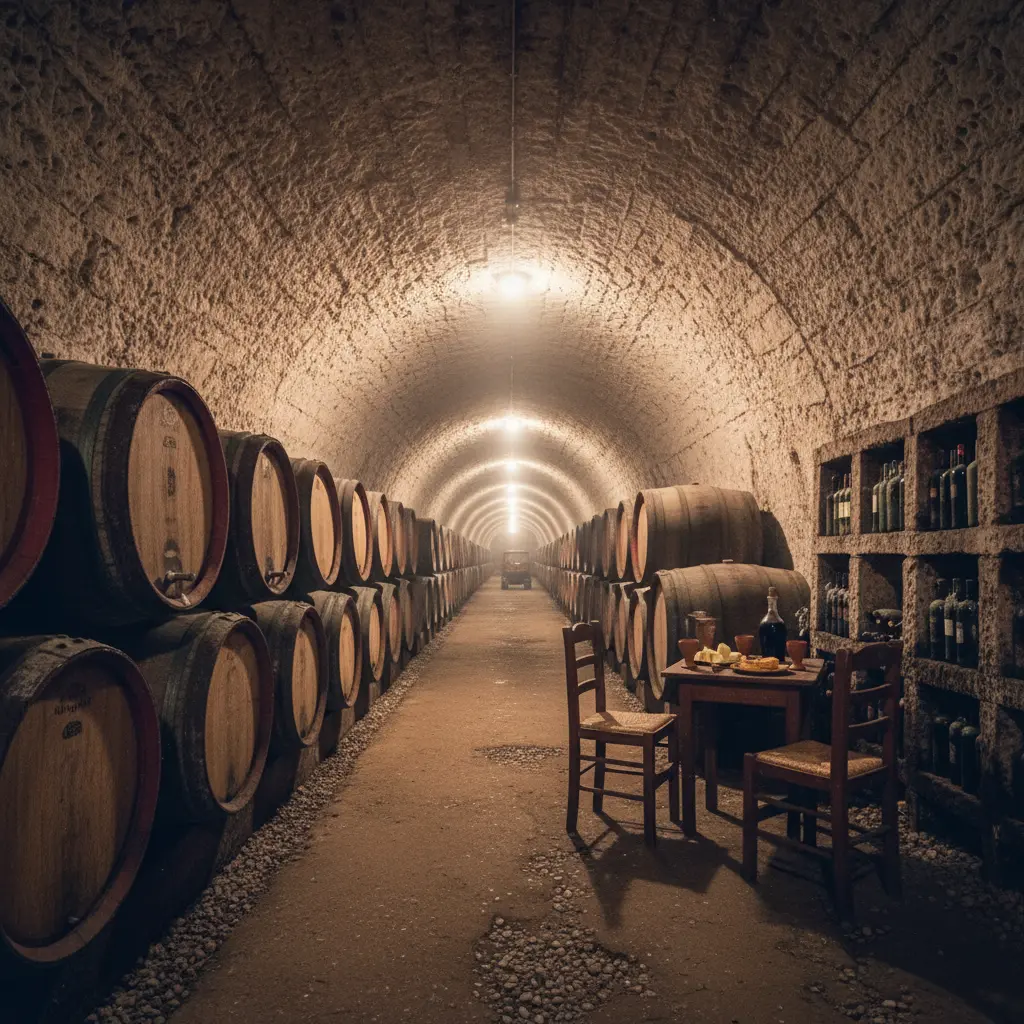
Cricova and Mileștii Mici are famous for their colossal underground cellars, which function as literal wine cities, housing millions of bottles. Cricova is known for its sparkling wines and classic method, while Mileștii Mici holds the world's largest wine collection, certified by Guinness World Records. Visitors can explore vast tunnels filled with aging wines, a truly unique experience.
Castel Mimi and Et Cetera: Modern Excellence
Castel Mimi, a beautifully restored historical winery and castle, combines tradition with modern luxury, offering exceptional wines and a comprehensive tourist experience. Et Cetera Winery, a family-run estate, focuses on boutique, high-quality wines with a strong emphasis on terroir expression and sustainable practices.
What Are the Best Food Pairings for Moldovan Wines?
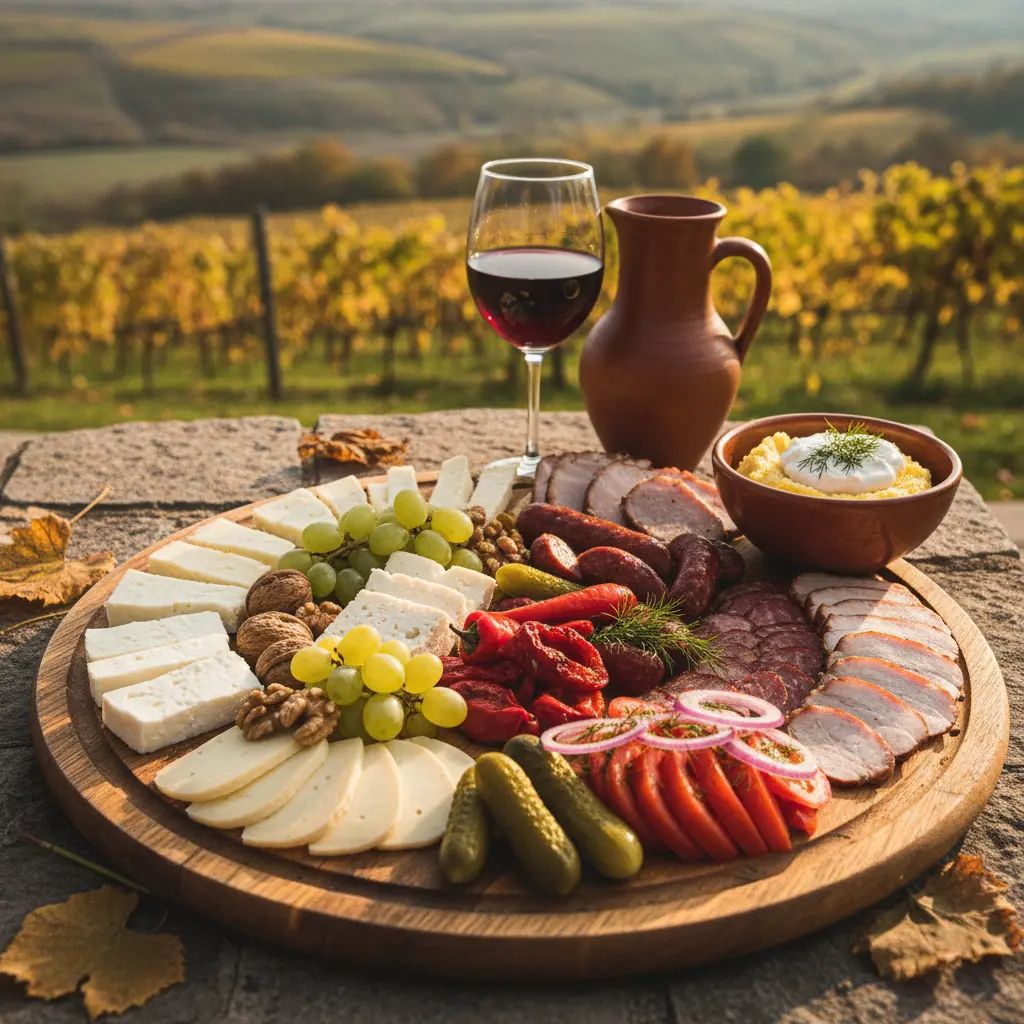
Moldovan wines pair exceptionally well with traditional Eastern European cuisine, rich meats, hearty stews, and a variety of cheeses, reflecting the country's culinary landscape. The versatility of Moldovan wines also allows for exciting international pairings. For more general pairing advice, refer to our Best Wine Pairing Guide 2026.
Pairing Reds with Hearty Dishes
Full-bodied Moldovan reds like Feteasca Neagră or a Cabernet Sauvignon blend are ideal with traditional dishes such as mămăligă (polenta) with stewed meats, grilled sausages, or slow-cooked lamb. The wine's structure and fruit complement the richness of these comfort foods. Rara Neagră, with its acidity, also works well with fatty pork dishes.
Whites and Rosés with Lighter Fare
Crisp Feteasca Albă, aromatic Viorica, or a dry rosé are perfect companions for lighter dishes including chicken or fish, fresh salads, or traditional Moldovan cheese pastries like plăcinte. Their freshness and acidity cut through richness and cleanse the palate effectively.
How Can I Experience Moldovan Wine Tourism?
Experiencing Moldovan wine tourism involves visiting its famous underground cellars, boutique wineries, and participating in annual wine festivals, offering an immersive journey into its rich viticultural culture. Moldova is increasingly recognized as an accessible and welcoming destination for wine lovers.
Visiting the Underground Wine Cities
Tours of Cricova and Mileștii Mici offer an unforgettable experience, allowing visitors to drive or cycle through miles of underground tunnels, taste wines directly from the cellar, and witness the sheer scale of Moldova's wine heritage. These sites are truly wonders of the wine world.
Exploring Boutique Wineries
Beyond the giants, numerous smaller, family-owned wineries across all regions offer intimate tasting experiences, often including vineyard tours and traditional Moldovan meals. Wineries like Et Cetera, Asconi, or Purcari provide personalized insights into their winemaking philosophies.
Wine Festivals and Events
Moldova hosts a vibrant array of wine festivals, most notably the National Wine Day in October, which celebrates the harvest with tastings, traditional music, and food. These events are perfect for experiencing the local culture and sampling a wide variety of Moldovan wines.
How to Buy Moldovan Wines in 2026?
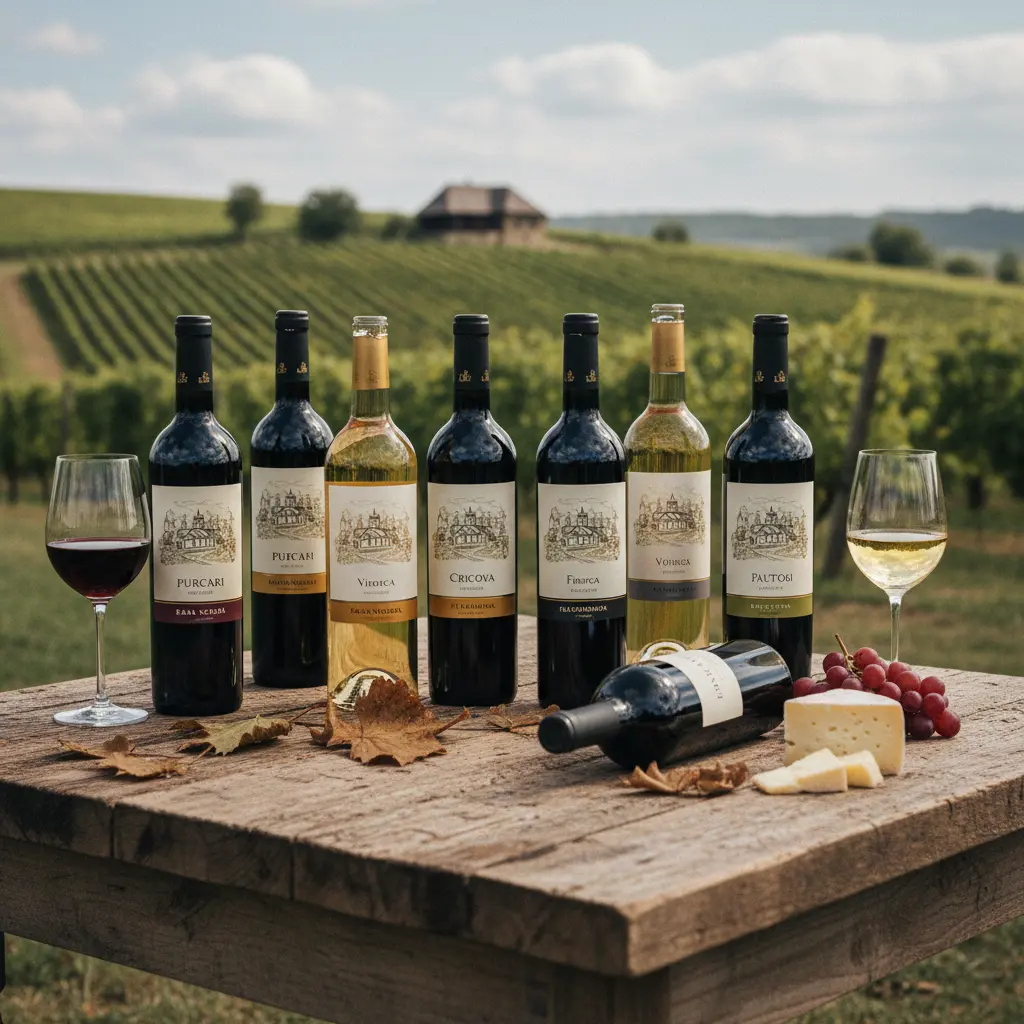
Buying Moldovan wines in 2026 is increasingly easy, with options ranging from specialized wine shops and online retailers to direct purchases from wineries during travel, making these unique wines accessible globally. Look for reputable importers or online platforms specializing in Eastern European wines.
- Research Importers: Identify online retailers or distributors in your country that specialize in wines from Eastern Europe or Moldova. Many niche importers are bringing these unique bottles to new markets.
- Check Specialized Wine Stores: Visit local wine shops with diverse international selections. They may stock Moldovan labels or can special-order them for you.
- Online Wine Marketplaces: Explore large online wine retailers. As Moldovan wines gain popularity, their availability on platforms like Wine-Searcher or specific e-commerce sites is increasing.
- Direct from Wineries (Travel): The most authentic way is to visit Moldova and buy directly from the wineries. This ensures freshness and often offers exclusive cellar door releases.
- Read Reviews: Before purchasing, check reviews and ratings from critics or other consumers to ensure you're selecting a high-quality bottle.
The Future of Moldovan Wine
The future of Moldovan wine is bright, marked by continued investment in modern winemaking technologies, a strong focus on quality, and increasing international recognition, positioning it as a significant player on the global wine stage. Winemakers are combining tradition with innovation to appeal to contemporary tastes.
"Moldova is a rising star in the wine world, a country where ancient traditions meet modern ambition. Its indigenous grapes offer a captivating journey for any serious wine enthusiast." - Jancis Robinson (paraphrased for context and direct plain ASCII quotes).
Sustainable Practices and Innovation
Many Moldovan wineries are adopting sustainable viticulture and modern winemaking techniques, including organic farming and precision viticulture, to enhance quality and protect their unique terroir. This forward-thinking approach ensures both environmental responsibility and continued excellence in winemaking. These practices mirror trends seen in established regions like those in Italy's Premier Wine Regions 2026.
Growing Global Recognition
Moldovan wines are increasingly winning awards at prestigious international competitions, contributing to their growing reputation and market presence worldwide. This recognition is drawing more attention from consumers and critics alike, solidifying Moldova's place as a serious wine-producing nation. To further master your wine knowledge, consider our guide on Mastering the Wine Journey.
Conclusion
Moldova offers a compelling and rewarding wine journey for those willing to explore beyond the traditional wine-producing giants. With its rich history, unique indigenous grapes, distinct regions, and a burgeoning reputation for quality, Moldovan wine is a treasure waiting to be discovered. The year 2026 marks a perfect time to delve into this hidden gem of Eastern European viticulture and savor its distinctive flavors.