Hungary boasts a vibrant and ancient wine culture, distinguished by its unique terroir, indigenous grape varieties, and world-renowned sweet wines, particularly from the Tokaj region. This Central European nation offers a diverse wine landscape, from crisp whites to robust reds and legendary dessert wines, making it a compelling destination for wine enthusiasts, much like exploring the renowned wine regions of Italy.
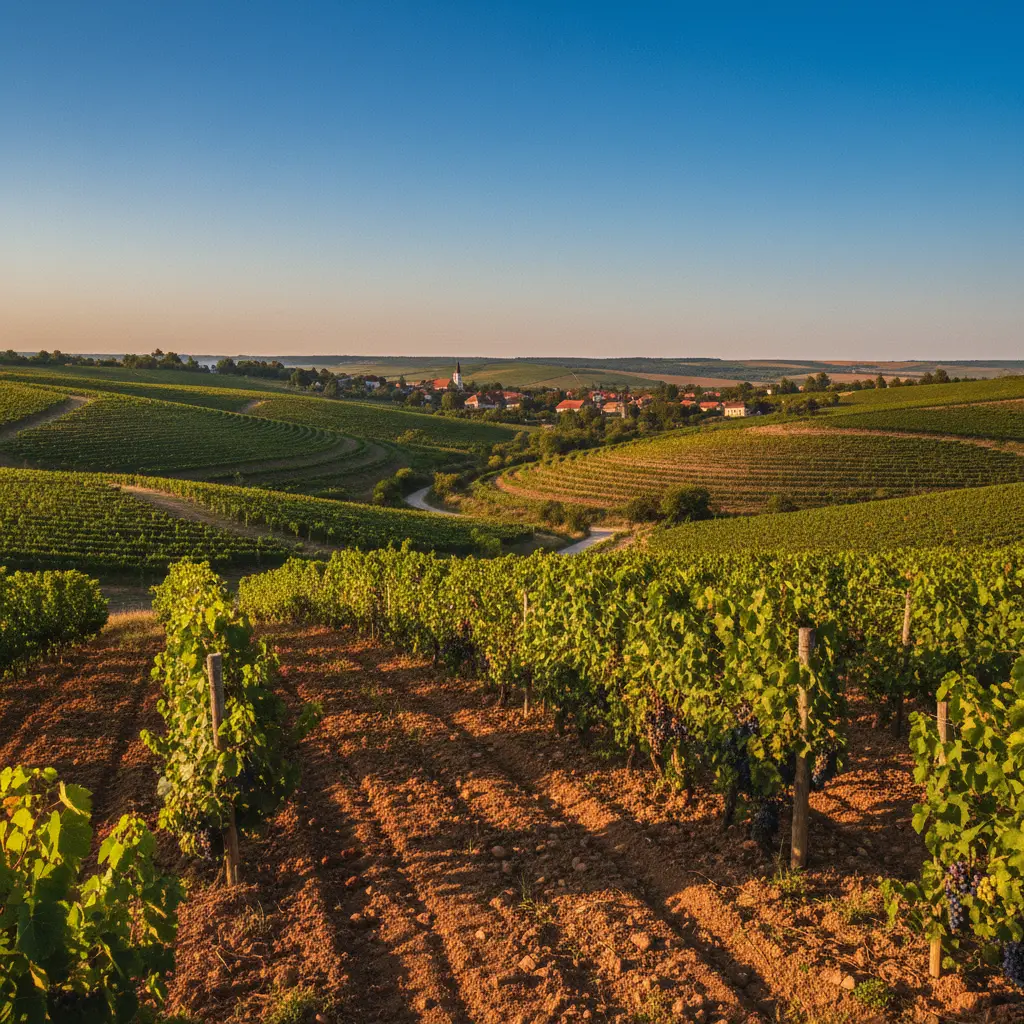
What are Hungary's primary wine regions?
Hungary's primary wine regions are broadly categorized into six major areas, each with distinct climates, soils, and signature grape varieties. These regions include the famed Tokaj, Eger, Villány, Somló, Lake Balaton, and Pannon, collectively shaping the country's diverse wine offerings.
| Region | Key Grape Varieties | Signature Wine Styles |
|---|---|---|
| Tokaj | Furmint, Hárslevelű, Sárgamuskotály | Sweet Tokaji Aszú, Dry Furmint |
| Eger | Kékfrankos, Kadarka, Cabernet Franc | Egri Bikavér (red blend), Dry Whites |
| Villány | Cabernet Franc, Merlot, Cabernet Sauvignon | Full-bodied Red Blends, Varietal Reds |
| Somló | Furmint, Hárslevelű, Juhfark | Mineral-driven Dry Whites |
| Lake Balaton (Various Sub-regions) | Olaszrizling, Furmint, Kékfrankos | Light to Medium-bodied Whites & Reds |
| Pannon (Szekszárd, Pécs) | Kékfrankos, Kadarka, Portugieser | Spicy Reds, Fruity Rosés |
Tokaj: The Home of Noble Rot
Tokaj is celebrated globally for its luxurious sweet wines, particularly Tokaji Aszú, which are produced using grapes affected by noble rot (Botrytis cinerea). This UNESCO World Heritage site benefits from a unique microclimate and volcanic loess soils, creating conditions ideal for concentrated, honeyed, and complex wines.

Eger: Bold Reds and "Bull's Blood"
Eger is best known for its robust red blend, Egri Bikavér (Bull's Blood), but also produces elegant whites. Located in northern Hungary, this region's volcanic soils and cooler climate contribute to wines with excellent acidity and structure.
Villány: Hungary's Red Wine Capital
Villány, situated in southern Hungary, is acclaimed as the country's premier red wine region, specializing in full-bodied Bordeaux-style blends and varietals. The warm Pannonian climate and rich loess soils allow international grapes like Cabernet Franc, Cabernet Sauvignon, and Merlot to thrive, alongside local varieties.
Somló: Volcanic Whites of Distinction
Somló is a small, ancient wine region known for its powerful, mineral-driven white wines grown on isolated volcanic basalt hills. Often referred to as "Hungary's answer to Chablis," its wines, primarily from Furmint and Hárslevelű, are prized for their intense minerality, high acidity, and longevity.
Which indigenous grape varieties define Hungarian wine?
Hungarian wine is significantly defined by a rich portfolio of indigenous grape varieties, offering unique flavors and characteristics not commonly found elsewhere. Key among these are Furmint, Hárslevelű, Olaszrizling, Kékfrankos, and Kadarka, each contributing distinct profiles to the nation's vinicultural identity.
Furmint: Versatile and Vibrant
Furmint is Hungary's most important and versatile white grape, serving as the backbone for both the sweet Tokaji Aszú and exquisite dry wines. It offers high acidity, apple and citrus notes, and a distinctive minerality, often developing nutty and honeyed complexities with age, as discussed in Aged Like Fine Wine: A 2026 Guide to Longevity, Grapes & Buying.
Hárslevelű: Aromatic Partner
Hárslevelű (meaning "linden leaf") is an aromatic white grape, often blended with Furmint in Tokaj wines to add floral, honey, and spice notes. It can also produce beautiful varietal dry wines with a rich texture and expressive perfume.
Kékfrankos (Blaufränkisch): Hungary's Signature Red
Kékfrankos is Hungary's most widely planted red grape, producing medium-bodied wines with vibrant acidity, red fruit flavors, and often a spicy, earthy character. It is a key component of Egri Bikavér and is increasingly recognized for its varietal expressions across various regions.
Kadarka: The Delicate Red
Kadarka is a traditional red grape known for its delicate, spicy, and often savory wines, requiring careful cultivation due to its thin skins and susceptibility to disease. It contributes elegance and aromatic complexity to Egri Bikavér and produces charming varietal wines in regions like Szekszárd.
Who are some notable Hungarian wine producers?
Several notable Hungarian wine producers are recognized for their commitment to quality, tradition, and innovation, elevating the country's winemaking reputation both domestically and internationally. These producers range from historic Tokaj houses to modern pioneers in dry wine regions, showcasing the breadth of Hungarian viticulture.
Disznókő (Tokaj)
Disznókő is a historic estate in Tokaj, renowned for producing exceptional Tokaji Aszú and late harvest wines with remarkable purity and concentration. Their modern approach respects traditional methods, focusing on expressing the unique terroir of their single vineyard.
Sauska (Tokaj and Villány)
Sauska is a dual-region producer with estates in both Tokaj and Villány, known for its high-quality dry Furmint and Hárslevelű in Tokaj, and rich red blends and Cabernet Franc in Villány. Their philosophy emphasizes precision and minimal intervention, crafting elegant and terroir-driven wines.
St. Andrea (Eger)
St. Andrea is a leading winery in Eger, celebrated for its refined Egri Bikavér and elegant single-vineyard whites. Winemaker György Lőrincz champions organic viticulture and expresses the volcanic terroir of Eger with great finesse, aiming for balance and longevity.
What are the historical roots of Hungarian winemaking?
Hungarian winemaking boasts a profound history spanning over a millennium, with viticulture introduced by Celtic tribes and significantly advanced by Roman settlers. The Christianization of Hungary further cemented wine's cultural and economic importance, particularly during the Arpád dynasty and the Ottoman occupation, which uniquely preserved winemaking traditions.
Ancient Origins and Roman Influence
Viticulture in the Carpathian Basin predates Roman arrival, but the Romans established formal vineyards and introduced advanced techniques. Archaeological evidence suggests winemaking activity in Pannonia (modern-day western Hungary) was significant, laying the groundwork for future viticultural development.
Medieval Golden Age and Tokaj's Rise
The medieval period saw Hungarian wine flourish, particularly in regions like Tokaj, where the unique method for producing sweet wines from noble rot grapes was discovered and perfected in the 17th century. Tokaji wines gained immense international prestige, favored by royalty across Europe.
"Hungary, for centuries, was synonymous with Tokaj, the 'Wine of Kings, King of Wines.' But now, her dry wines, from volcanic whites to elegant reds, are truly finding their voice on the global stage, showcasing a depth and diversity that demands attention."
Challenges and Revival in the 20th Century
The phylloxera epidemic in the late 19th century and subsequent Communist collectivization severely impacted Hungarian winemaking, prioritizing quantity over quality. However, since the fall of Communism in 1989, there has been a significant revival, with producers reinvesting in quality, modern techniques, and reclaiming their heritage.
How does terroir influence Hungarian wines?
Terroir profoundly influences Hungarian wines through its diverse geological foundations, varied microclimates, and unique cultural practices, shaping the distinct character of each wine region. Hungary's complex geology ranges from volcanic soils in Tokaj and Somló to limestone and loess in Eger and Villány, each contributing specific mineral profiles and drainage characteristics.
Volcanic Soils and Minerality
Volcanic soils, particularly prevalent in regions like Tokaj, Somló, and Mátra, impart a distinctive minerality and structure to white wines. These soils, rich in minerals, contribute to wines with high acidity, complex savory notes, and exceptional aging potential, differentiating them from wines grown on other soil types.
Climatic Diversity and Grape Adaptation
Hungary's continental climate, marked by warm summers and cold winters, is tempered by influences from the Carpathian Mountains and large bodies of water like Lake Balaton, creating diverse microclimates. This climatic variation allows a wide range of grape varieties to thrive, from early-ripening whites to late-harvest dessert grapes, and helps determine the ideal locations for varieties showcased on a Global Grape Map 2026.
Traditional Vineyard Practices
Traditional vineyard practices, often deeply rooted in centuries of local knowledge, are integral to Hungarian terroir expression. These practices include specific trellising systems, pruning techniques, and harvest timings that have evolved to optimize grape quality in each unique environment, reflecting a deep respect for the land.
What are the best food pairings for Hungarian wines?
The best food pairings for Hungarian wines often involve traditional Hungarian cuisine, which features rich, paprika-spiced dishes, as well as versatile international fare that complements their unique profiles. Hungarian wines, with their diverse styles from dry to sweet, can beautifully enhance a wide array of culinary experiences.
Pairing Dry Furmint and Hárslevelű
Dry Furmint and Hárslevelű, with their crisp acidity and minerality, pair exceptionally well with lighter dishes, seafood, and poultry. Try them with grilled fish, roasted chicken, or even a classic Caesar salad. Their refreshing qualities also make them excellent Best Starters for Wine in 2026.
Pairing Egri Bikavér and Kékfrankos
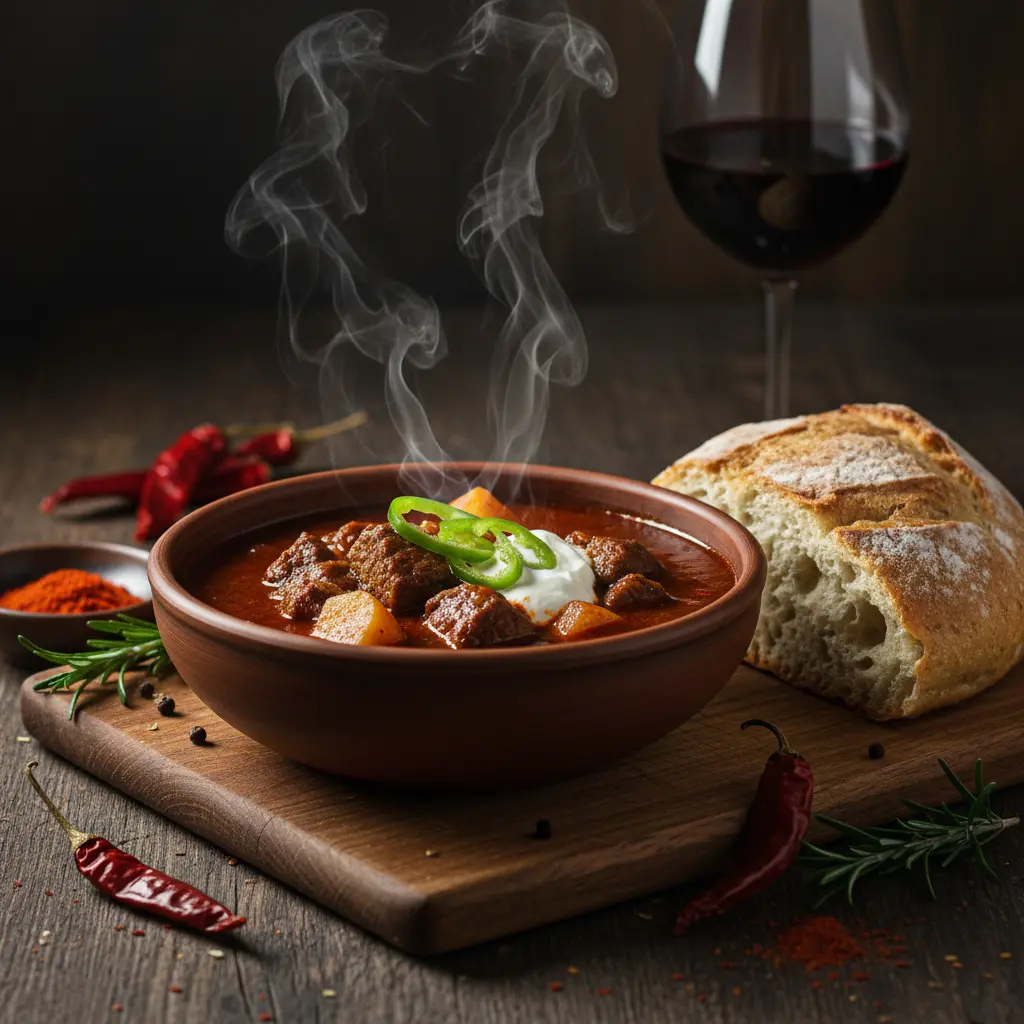
Egri Bikavér and varietal Kékfrankos, characterized by their vibrant red fruit, acidity, and often peppery notes, are ideal partners for hearty meat dishes. Goulash, paprika-infused stews, roasted pork, and game meats all find a perfect match with these medium-bodied reds.
Pairing Tokaji Aszú: Sweet and Savory
Tokaji Aszú, with its intense sweetness, high acidity, and complex notes of apricot, honey, and spice, pairs beautifully with desserts, foie gras, and blue cheeses. The wine's acidity cuts through richness, creating a harmonious balance that cleanses the palate, making it a truly versatile dessert wine.
How can I plan a wine tour in Hungary?
Planning a wine tour in Hungary involves researching specific regions, arranging transportation and accommodation, and booking winery visits to fully experience the country's diverse viticulture. A well-planned itinerary ensures an enriching journey through Hungary's scenic vineyards and historic cellars.
- Choose Your Regions: Begin by selecting 1-3 wine regions based on your preferences for wine styles. For sweet wines and history, Tokaj is essential. For robust reds, Villány or Eger are prime choices. For unique mineral whites, consider Somló or the Lake Balaton regions.
- Arrange Logistics: Book flights to Budapest, then consider renting a car for flexibility or using Hungary's efficient train system to reach regional hubs. Secure accommodation well in advance, especially during peak season, opting for guesthouses or hotels near wineries.
- Research Wineries: Identify specific wineries you wish to visit within your chosen regions. Many smaller producers require appointments, so contact them directly or through their websites to schedule tastings and tours.
- Explore Local Cuisine: Integrate local culinary experiences into your tour, as food pairing is a vital part of Hungarian wine culture. Seek out traditional restaurants (csárda) to enjoy authentic dishes alongside regional wines.
- Consider a Guide: For an even deeper dive, consider hiring a local wine guide or joining a guided tour. They can provide insider access, translate, and offer invaluable insights into Hungarian winemaking, enhancing your Mastering the Wine Journey.
What impact has modern winemaking had on Hungary?
Modern winemaking has significantly transformed Hungary's wine industry by introducing advanced technology, embracing international market standards, and fostering a renewed focus on quality and innovation. This evolution has allowed Hungarian producers to refine traditional methods and experiment with new approaches, leading to higher quality and greater recognition.
Technological Advancements
The adoption of modern cellar technology, including temperature-controlled fermentation, precise pressing equipment, and sophisticated filtration systems, has greatly improved consistency and quality. This allows winemakers to better control the winemaking process and minimize faults.
Focus on Terroir Expression
Modern winemakers increasingly emphasize expressing the unique characteristics of their terroir, moving away from generic styles. This involves meticulous vineyard management, clonal selection, and a greater understanding of how specific soil types and microclimates influence grape development.
International Varietals and Blending
While cherishing indigenous grapes, modern Hungarian winemaking also incorporates international varietals like Cabernet Franc, Merlot, and Chardonnay, often blending them with local grapes to create complex and appealing wines. This approach caters to broader market tastes while maintaining a unique Hungarian identity.