Georgia is considered the birthplace of wine, boasting a winemaking tradition that spans over 8,000 years, characterized by unique indigenous grape varieties and the ancient Qvevri fermentation method. This guide explores the vibrant wine regions, signature grapes, esteemed producers, and ideal food pairings that define Georgian viticulture in 2026, offering insights for both enthusiasts and travelers.
What is the History of Winemaking in Georgia?
Winemaking in Georgia dates back an astounding 8,000 years, making it the oldest wine-producing country in the world, with archaeological evidence pointing to the earliest domestication of grapevines and wine production. This deep-rooted history is intrinsically linked to Georgian culture, religion, and national identity.
The Cradle of Wine Civilization
Archaeological discoveries, including ancient clay vessels called Qvevri containing grape seeds and wine residue, confirm Georgia's status as the definitive 'Cradle of Wine'. This rich heritage positions Georgia not just as a producer, but as a living museum of viticultural history, influencing winemaking practices globally. Learn more about historical winemaking in our Aged Like Fine Wine: A 2026 Guide to Longevity, Grapes & Buying article.
Ancient Qvevri Tradition
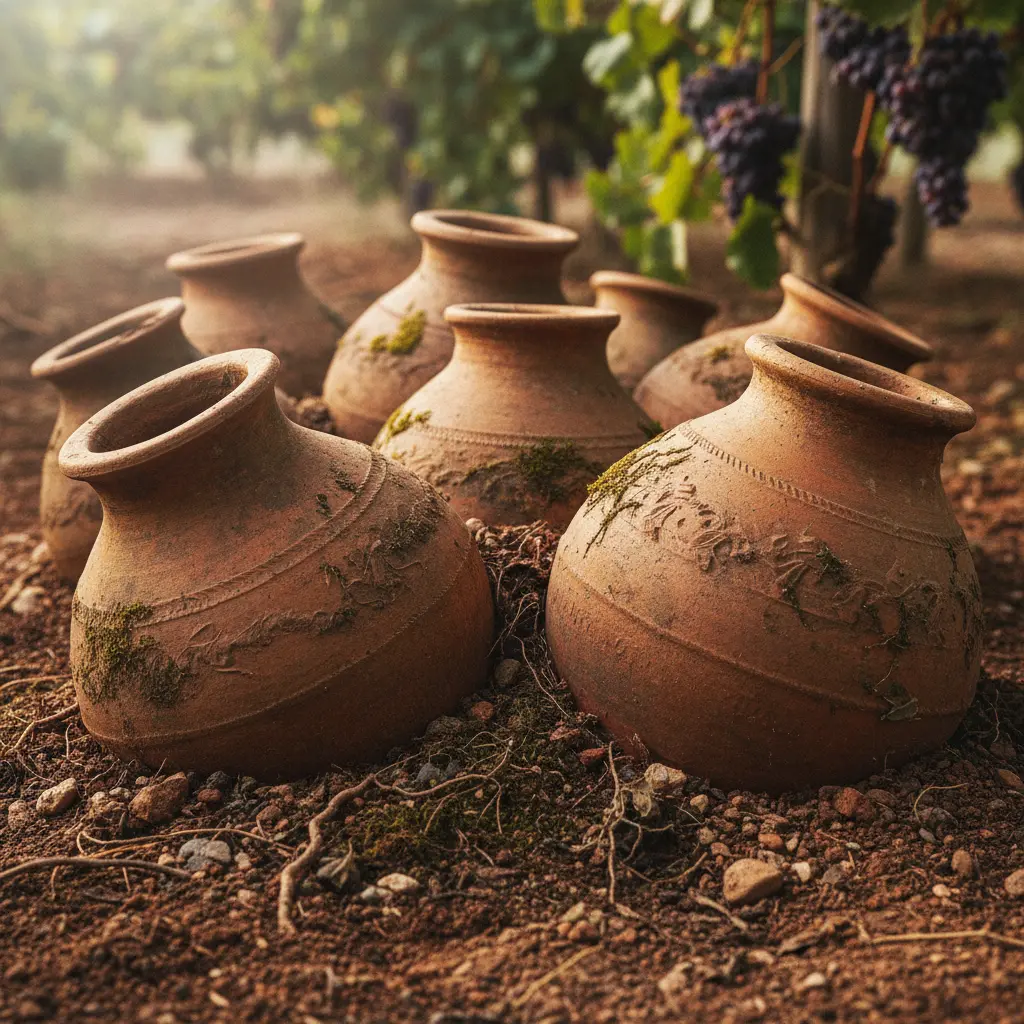
The Qvevri is a large, egg-shaped clay amphora buried underground, used for fermenting, aging, and storing wine according to traditional Georgian methods. This UNESCO Intangible Cultural Heritage practice involves crushing grapes (with skins, seeds, and sometimes stems) and fermenting them in these vessels, allowing natural yeasts to work over several months, resulting in distinctive amber (orange) wines.
What are Georgia's Primary Wine Regions?
Georgia is home to numerous distinct wine regions, each offering unique microclimates, indigenous grape varieties, and winemaking traditions, with Kakheti being the most prominent. These regions are primarily concentrated in the eastern and western parts of the country, benefiting from diverse landscapes ranging from river valleys to mountain slopes.
Kakheti - The Heart of Georgian Wine
Kakheti, located in eastern Georgia, is by far the largest and most important wine region, accounting for over 70% of the country's total wine production. It is renowned for its diverse micro-zones, fertile soils, and the widespread use of the Qvevri method, producing world-class Saperavi reds and Rkatsiteli whites, often made in the amber style. Many producers here embrace traditional methods, alongside modern techniques.
Kartli - Varied Terroirs
Kartli, situated in central Georgia, offers varied terroirs that produce a range of wines, from sparkling varieties to dry whites and reds. This region is less focused on Qvevri wines and more on European-style winemaking, though traditional methods are still found. It often serves as a transitional zone between eastern and western Georgian viticulture.
Imereti - Western Georgia's Charm
Imereti, in western Georgia, is characterized by its humid subtropical climate and produces lighter, crisp white wines, often from indigenous grapes like Tsitska, Tsolikouri, and Krakhuna. While Qvevri are used, the Imeretian method typically involves fermenting with a smaller proportion of skins and stems, resulting in less tannic, more fruit-forward amber wines.
Racha-Lechkhumi - Sweet Nectars
Racha-Lechkhumi, located in the mountainous northwest, is famous for its naturally semi-sweet red wines, particularly Khvanchkara and Usakhelouri. The region's unique climate, with cool nights and warm days, allows grapes to retain high acidity while developing significant residual sugar, creating balanced and highly sought-after dessert wines.
Which are the Most Important Georgian Grape Varietals?
Georgia boasts over 500 indigenous grape varietals, a testament to its ancient viticultural history, with Saperavi and Rkatsiteli being the most globally recognized. These native grapes are perfectly adapted to the local climate and soil, yielding wines with distinct characteristics not found elsewhere. Explore the diversity of global grapes with our Global Grape Map 2026: An Essential Guide to Where Wine Grapes Grow.
Saperavi - The King of Red Grapes
Saperavi is Georgia's premier red grape, known for its deep, inky color (a teinturier variety), robust tannins, and high acidity, making it suitable for long-term aging. It produces full-bodied wines with flavors of black fruit, plum, and spice, often with a smoky or earthy undertone. It can be made in both traditional Qvevri and European styles.
Rkatsiteli - The Ancient White
Rkatsiteli is one of the oldest cultivated white grape varieties, prized for its versatility in producing dry, semi-sweet, fortified, and sparkling wines. When made in the Qvevri style, it yields powerful amber wines with notes of apricot, honey, and nuts, along with a firm tannic structure. In European style, it offers crisp white wines with citrus and floral notes.
Mtsvane Kakhuri - Aromatic White
Mtsvane Kakhuri, often simply called Mtsvane, is an aromatic white grape from Kakheti that produces fresh, crisp wines with notes of white peach, lime, and floral undertones when made in a modern style. When used in Qvevri winemaking, it contributes to complex amber wines with herbal and savory notes, adding layers of fragrance to blends, especially with Rkatsiteli.
Kisi - Amber Wine Potential
Kisi is another indigenous white grape known for its excellent potential in producing amber wines, often described as a bridge between Rkatsiteli and Mtsvane. It offers rich aromatics of walnut, tobacco, and apricot, with a substantial body and a pleasant tannic grip when fermented in Qvevri. Modern expressions can also produce elegant dry whites.
How does Qvevri winemaking differ from modern methods?
Qvevri winemaking fundamentally differs from modern methods by utilizing large, subterranean clay vessels for fermentation and aging, allowing for extended skin contact that imparts unique color, tannin, and aromatic complexity to the wines. This ancient technique contrasts sharply with the stainless steel tanks and oak barrels common in contemporary European-style winemaking.
Traditional Clay Vessels
The use of Qvevri is central to Georgian traditional winemaking, providing a naturally stable temperature environment for fermentation and maturation due to being buried in the earth. The porous nature of the clay also allows for micro-oxygenation, similar to oak barrels, but without imparting woody flavors, fostering a slow and gentle evolution of the wine.
Skin Contact and Fermentation
Qvevri wines, especially amber wines, undergo prolonged fermentation and maceration with grape skins, seeds, and sometimes stems (chacha) for several weeks or even months. This extensive skin contact extracts phenolics, tannins, and color, resulting in wines with deep amber hues, robust structures, and distinctive savory, nutty, and dried fruit characteristics. It is a process that embraces minimal intervention.
- Grape Harvesting: Grapes are hand-picked, typically in late autumn, ensuring optimal ripeness.
- Crushing and De-stemming: Grapes are gently crushed, often by foot, with stems sometimes included for added tannin and complexity.
- Qvevri Preparation: Cleaned and sterilized Qvevri are prepared, often lined with beeswax to prevent leakage and facilitate cleaning.
- Fermentation: The crushed grapes, including skins, seeds, and sometimes stems (chacha), are transferred into the Qvevri. Natural yeasts initiate fermentation.
- Maceration and Aging: After initial fermentation, the Qvevri is sealed, and the wine is left to macerate on the skins and age for several months (3-6 months or longer), developing its characteristic amber color and tannic structure.
- Racking and Bottling: The wine is then racked off the solids, often multiple times, and finally bottled, usually unfiltered, preserving its natural character.
What are the key characteristics of Georgian amber wines?
Georgian amber wines, often referred to as 'orange wines,' are distinct for their deep golden to orange hues, significant tannic structure, and complex aromatic profiles, all stemming from prolonged skin contact during fermentation. These wines offer a bridge between white and red wine experiences, appealing to adventurous palates.
Unique Tannin Structure
The extended maceration with grape skins and seeds imbues amber wines with a noticeable tannic grip, a characteristic more commonly associated with red wines. This tannin contributes to the wine's texture, body, and age-worthiness, providing a sophisticated mouthfeel that can be pleasantly challenging for those new to the style.
Aromatic Complexity
Amber wines present a captivating aromatic complexity, often featuring notes of dried apricot, orange peel, honey, nuts, and exotic spices, alongside earthy and herbal undertones. This rich bouquet evolves beautifully with age, revealing new layers of flavor and aroma, distinguishing them from conventionally made white wines.
"Georgian wine is not just a beverage; it is a philosophy, a connection to ancient soil and timeless tradition. Each Qvevri holds a story, a taste of history." - Ded Moroz (Georgian wine expert)
How do you pair Georgian wines with food?
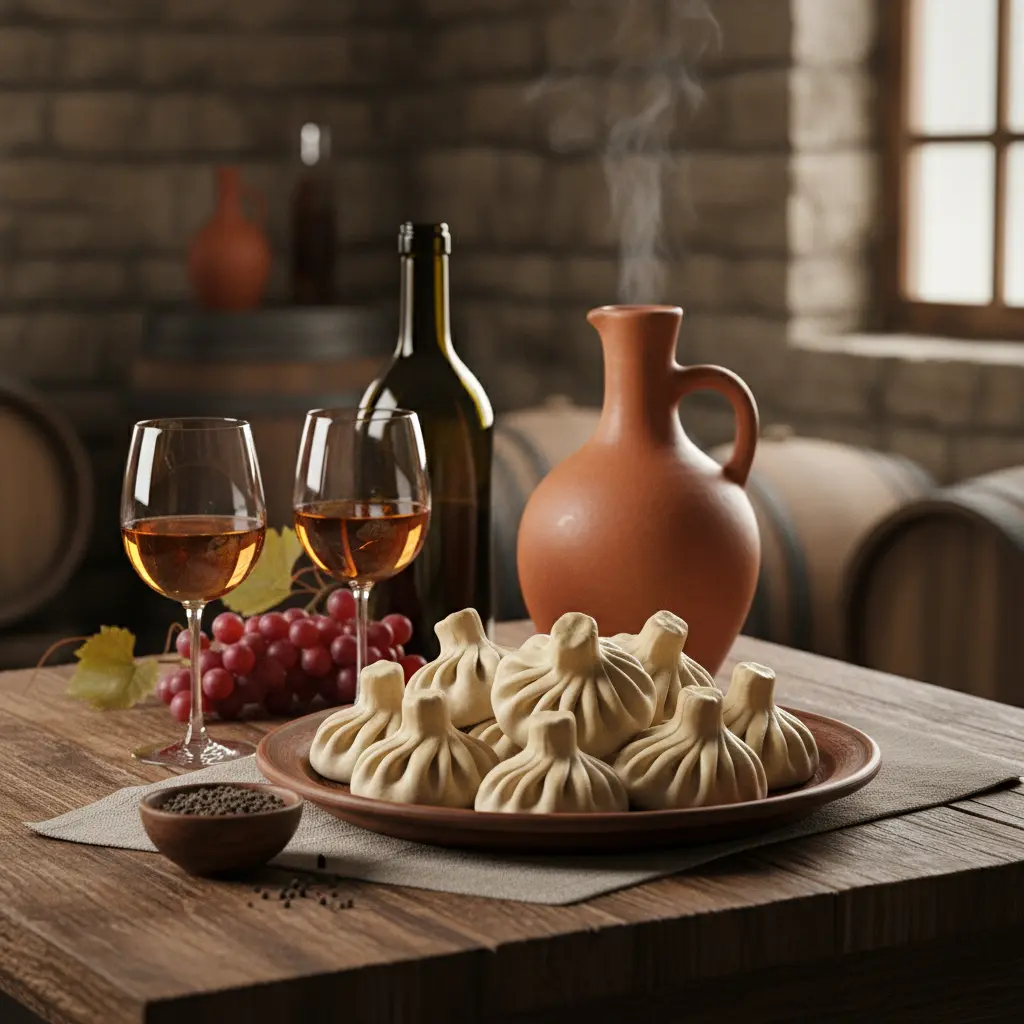
Georgian wines, with their diverse styles and robust characteristics, pair exceptionally well with the rich and flavorful dishes of Georgian cuisine, as well as a variety of international fares. The key is to match the wine's body and intensity with the richness of the food.
Pairing Saperavi with Meats
Saperavi, with its strong tannins and deep fruit flavors, is an ideal match for grilled meats, stews, and hearty Georgian dishes like Khashlama (boiled beef) or Satsivi (chicken in walnut sauce). Its acidity and structure cut through rich fats, making it a versatile companion for robust meals. This kind of pairing advice is key to Mastering the Wine Journey: Grapes, Regions, Pairings & Smart Buying in 2026.
Amber Wines and Rich Dishes
Amber (Qvevri) wines, with their tannic grip and savory notes, excel with rich, spiced, and even slightly fatty foods, including roasted poultry, mushroom dishes, aged cheeses, and traditional Georgian cheese breads like Khachapuri. Their complexity stands up to bold flavors, making them a great alternative to red wines in certain pairings.
Lighter Whites and Salads
Modern-style dry white wines from grapes like Rkatsiteli and Mtsvane pair beautifully with fresh salads, fish, poultry, and lighter vegetable dishes. Their crisp acidity and vibrant fruit notes complement delicate flavors without overpowering them, offering a refreshing contrast to the heavier traditional Qvevri wines.
Which are some notable Georgian wine producers?
Georgia hosts a vibrant ecosystem of wine producers, ranging from large, established wineries to small, artisanal family estates committed to both traditional Qvevri methods and modern winemaking techniques. These producers are instrumental in showcasing the breadth and quality of Georgian wine to the world.
Large Scale Wineries
Companies like Teliani Valley, Tbilvino, and Badagoni are prominent large-scale producers, offering a wide range of Georgian wines for export and domestic consumption. They often blend traditional Qvevri practices with modern technology to ensure consistency and reach broader markets, making Georgian wines accessible globally. For tips on smart wine choices, see our Mastering the Wine Journey guide.
Boutique and Family Estates
Many small, family-run wineries, such as Pheasant's Tears, Iago's Wine, and Gotsa Wines, are at the forefront of the natural wine movement, meticulously crafting limited-production Qvevri wines. These boutique producers often focus on biodynamic or organic practices, emphasizing purity of expression and the unique terroir of their vineyards.
| Producer Name | Primary Region | Key Varietals / Style | Focus |
|---|---|---|---|
| Pheasant's Tears | Kakheti | Rkatsiteli, Saperavi (Qvevri) | Traditional, Natural Wine |
| Iago's Wine | Kartli | Chinuri (Qvevri) | Organic, Qvevri Amber |
| Shumi Winery | Kakheti | Saperavi, Rkatsiteli, Mtsvane | Traditional & Modern, Museum |
| Gotsa Wines | Kartli | Kisi, Chinuri (Qvevri) | Small-batch, Artisan |
| Teliani Valley | Kakheti | Saperavi, Rkatsiteli, Tsolikouri | Large Scale, Export-oriented |
What should you know when visiting Georgia's wine country?
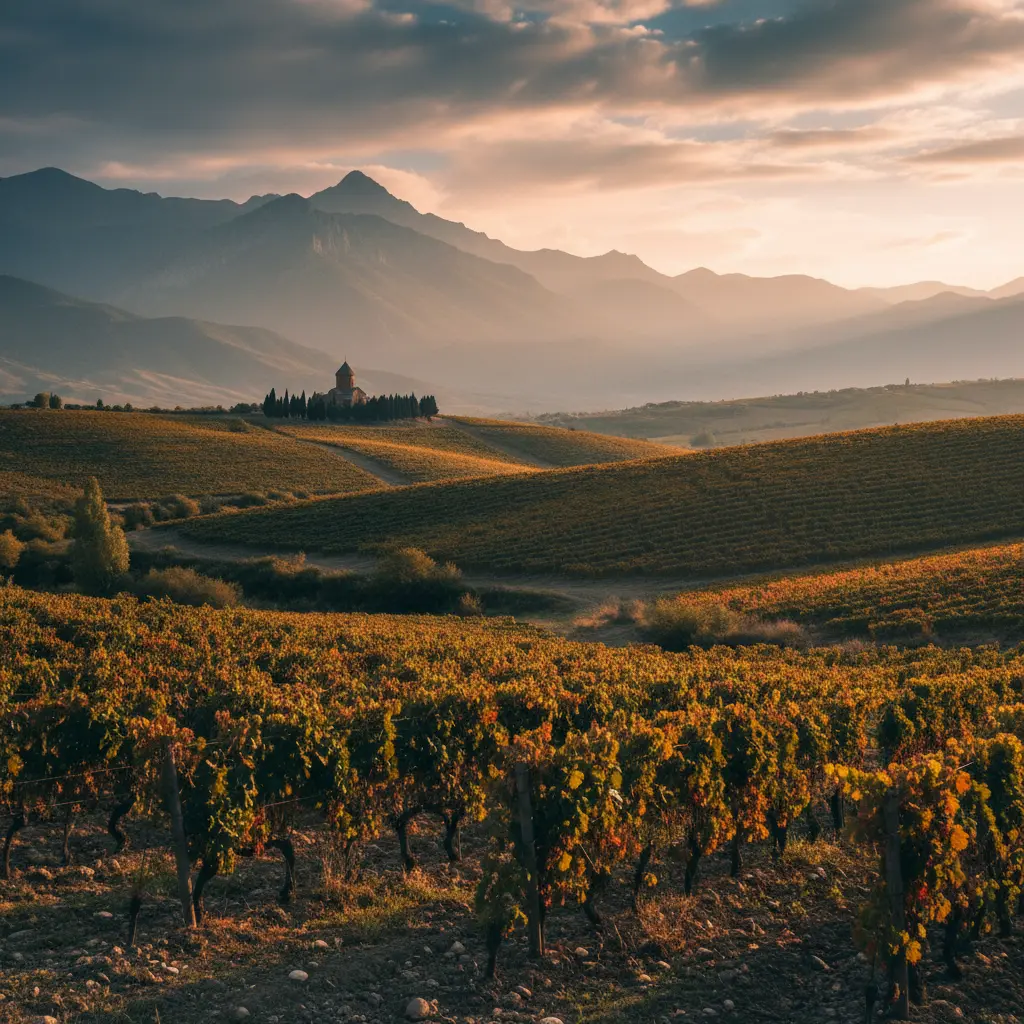
Visiting Georgia's wine country offers an immersive cultural and gastronomic experience, with Kakheti being the most accessible and popular region for wine tourism, featuring numerous wineries and guesthouses. Planning your trip around harvest season (September-October) can provide an even deeper insight into traditional winemaking practices.
Kakheti Wine Route
The Kakheti Wine Route is a well-established itinerary encompassing picturesque towns like Sighnaghi and Telavi, offering opportunities to visit various wineries, taste diverse wines, and experience traditional Georgian hospitality. Many wineries offer guided tours and tastings, often accompanied by authentic Georgian meals, providing a comprehensive cultural immersion. For more on wine travel, check out Unearthing Unique Wines: The 'Giraffe' of the Cellar and Memorable Pours.
Cultural Experiences
Beyond wine tasting, visitors can enjoy traditional Georgian Supra (feasts), participate in cooking classes for dishes like Khinkali and Churchkhela, and explore ancient monasteries and historical sites. The blend of history, culinary delights, and unique wines makes for an unforgettable travel destination. For comparison, explore Italy's Premier Wine Regions 2026.
Where can you buy authentic Georgian wines?
Authentic Georgian wines can be sourced through specialized online retailers, dedicated wine importers, and boutique wine shops that focus on natural or biodynamic selections, though availability may vary by region. As interest in unique and traditional wines grows, Georgian wines are becoming increasingly accessible globally.
Online Retailers
Numerous online wine retailers now specialize in importing and distributing Georgian wines, offering a convenient way to explore a wide selection of both traditional Qvevri and modern styles. These platforms often provide detailed tasting notes and background information on the producers, helping consumers make informed choices from the comfort of their homes. For other buying tips, consider our Best Wine Gifts for Men in 2026.
Specialty Wine Shops
Visiting specialty wine shops with knowledgeable staff is an excellent way to discover Georgian wines, as these establishments often curate unique selections and can offer personalized recommendations. Look for shops that highlight natural, organic, or artisan producers, as these are often the best sources for authentic Qvevri wines and lesser-known varietals.