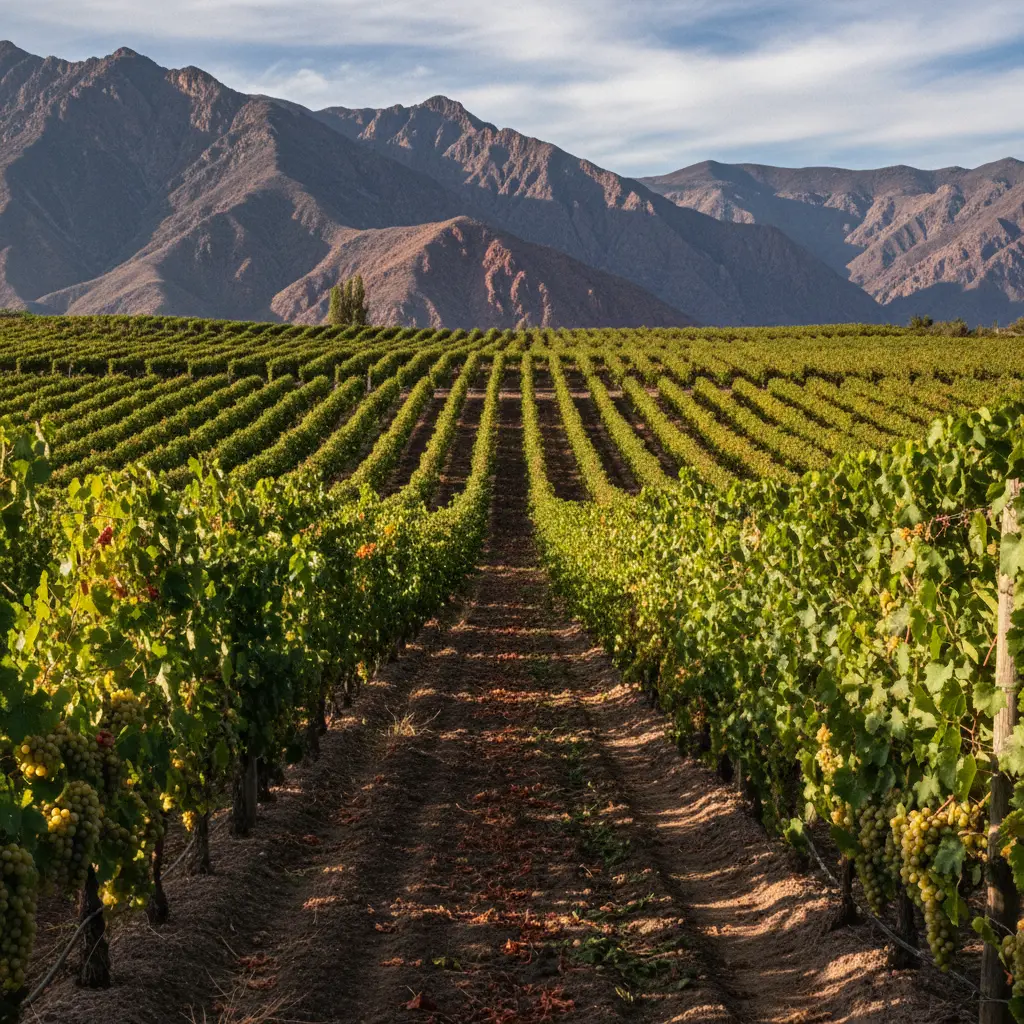
Argentina stands as a powerhouse in the global wine industry, celebrated primarily for its exceptional Malbec, but also for its high-altitude vineyards and diverse varietals. Its unique terroir, characterized by extreme altitudes, intense sunlight, and dry desert climates fed by Andes meltwater, creates wines of distinct character and concentration.
Why is Argentina a World-Class Wine Destination?
Argentina is a world-class wine destination due to its unique combination of high-altitude vineyards, ideal climate conditions, and iconic grape varieties like Malbec. The country's winemaking tradition, coupled with continuous innovation, produces wines that consistently earn international acclaim.
The Impact of High-Altitude Viticulture
High-altitude viticulture is paramount in Argentina, contributing to wines with vibrant acidity, intense color, and complex aromatics. Vineyards often range from 2,000 to over 10,000 feet above sea level, providing cooler temperatures, significant diurnal temperature shifts, and increased UV exposure, all beneficial for grape development.
A History of Innovation and Tradition
Argentine winemaking blends centuries-old traditions brought by European immigrants with modern technological advancements. From Jesuit missionaries planting the first vines in the 16th century to today's state-of-the-art wineries, innovation in vineyard management and winemaking techniques continues to push quality boundaries.
Sustainable Practices in Vineyards
Many Argentine wineries are increasingly adopting sustainable and organic practices to preserve their unique terroir and protect the environment. These initiatives include water conservation through drip irrigation, biodiversity promotion, and reduced chemical use, reflecting a global trend towards eco-friendly wine production.
What are Argentina's Key Wine Regions?
Argentina's key wine regions are primarily situated along the eastern foothills of the Andes Mountains, with Mendoza being the most prominent. Other significant regions include Salta to the north, and Patagonia to the south, each offering distinct microclimates and grape specializations.
Mendoza: The Heart of Argentine Wine
Mendoza is Argentina's largest and most important wine region, accounting for over 70% of the country's wine production. Its sub-regions, like Luján de Cuyo and the Uco Valley, are celebrated for producing some of the finest Malbecs globally, characterized by their robust fruit and elegant tannins.
Salta: Wines From the Clouds
Salta, particularly the Calchaquí Valleys, boasts some of the world's highest vineyards, often exceeding 5,500 feet (1,700 meters). This extreme altitude results in intensely aromatic Torrontés and full-bodied, concentrated Malbecs and Cabernet Sauvignons. To learn more about how elevation influences wine, see our Global Grape Map 2026.
Patagonia: The Southernmost Frontier
Patagonia, encompassing regions like Neuquén and Río Negro, is Argentina's southernmost wine frontier, known for its cooler climate. This cooler environment favors elegant Pinot Noir, Sauvignon Blanc, and sparkling wines, offering a distinct contrast to the more robust wines of Mendoza.
San Juan: Argentina's Second Largest Wine Region
San Juan is Argentina's second-largest wine-producing province, known for its warmer climate and a focus on Syrah, Bonarda, and everyday Malbec. The region offers robust, fruit-driven wines and is home to high-quality varietals that complement its desert landscape.
Which Grape Varieties Thrive in Argentina?
While Malbec is the undisputed star, Argentina cultivates a diverse array of grape varieties that thrive in its varied terroirs. These include native grapes like Torrontés, and international varietals such as Cabernet Sauvignon, Bonarda, and Chardonnay.
Malbec: Argentina's Signature Red
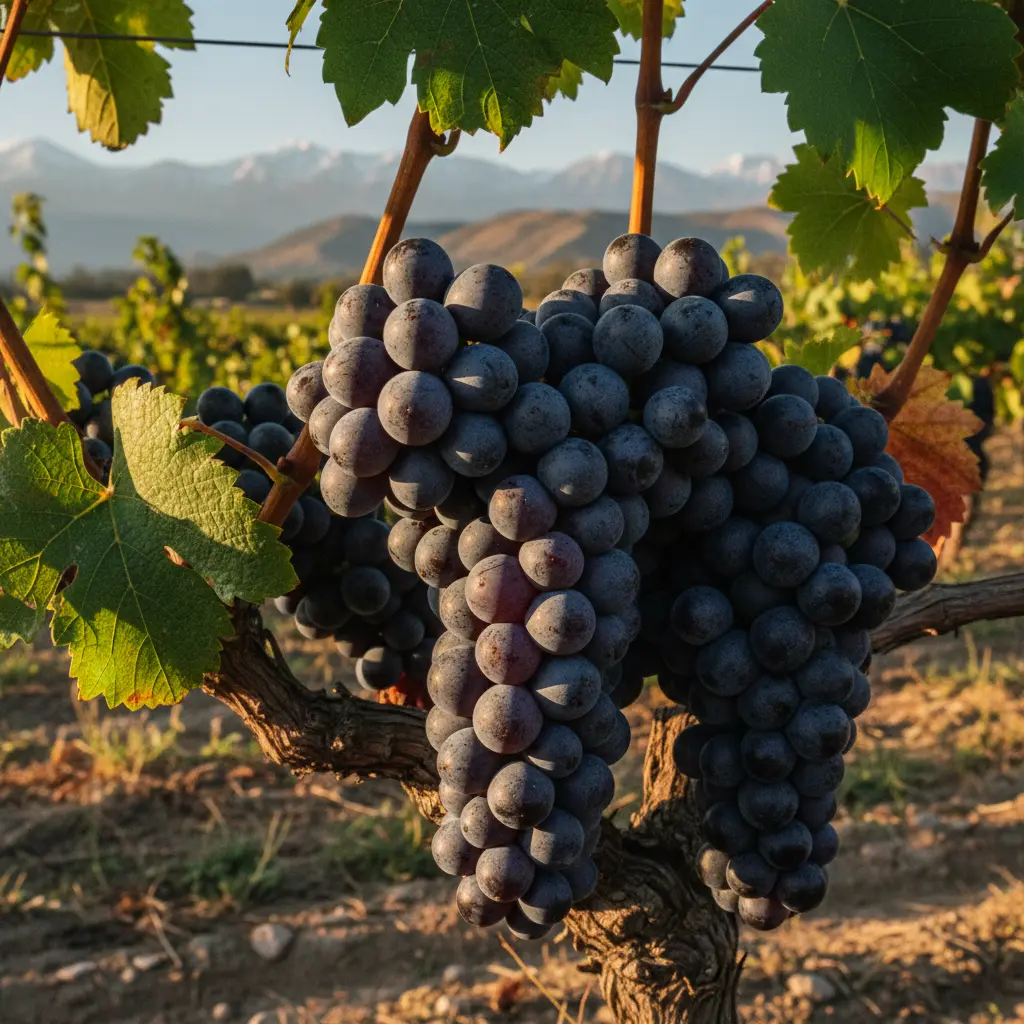
Malbec is Argentina's flagship grape, producing wines renowned for their rich, dark fruit flavors, velvety tannins, and often a floral or spicy note. Argentine Malbec ranges from approachable, fruit-forward styles to complex, age-worthy wines that can rival premium bottles from other regions. Many Malbecs benefit from aging, a concept explored further in our Aged Like Fine Wine Guide 2026.
Torrontés: The Aromatic White
Torrontés is Argentina's most distinctive white grape, celebrated for its intensely aromatic profile, often described as a blend of Muscat, Gewürztraminer, and Riesling. It produces crisp, dry wines with notes of jasmine, rose petals, and citrus, particularly vibrant when grown in the high altitudes of Salta.
Cabernet Sauvignon and Bonarda's Role
Argentina excels with Cabernet Sauvignon, crafting wines of structure and depth, often blended or as single varietals, and Bonarda, which produces juicy, fruit-driven reds. Bonarda is the second most planted red grape and offers great value, often with notes of red berries and plums.
Chardonnay and Other White Varietals
Beyond Torrontés, Argentine Chardonnay yields high-quality white wines, particularly in cooler climate areas like the Uco Valley and Patagonia. Sauvignon Blanc and Chenin Blanc also contribute to the country's diverse white wine offerings, known for their freshness and crispness.
Who are the Leading Argentine Wine Producers?
Argentina boasts several world-renowned wine producers who consistently deliver exceptional quality and innovation. These wineries, ranging from historic estates to modern, avant-garde operations, have put Argentine wine on the global map.
Catena Zapata
Catena Zapata is widely recognized as a pioneer in Argentine winemaking, known for its groundbreaking research into high-altitude viticulture and clonal selection. Their Adrianna Vineyard, often called the 'Grand Cru of South America,' produces some of Argentina's most sought-after wines.
Zuccardi Valle de Uco
Zuccardi Valle de Uco is an acclaimed, family-owned winery dedicated to expressing the unique terroir of the Uco Valley. They are celebrated for their meticulous vineyard practices and commitment to sustainability, yielding wines of purity and elegance.
Achaval-Ferrer and El Esteco
Achaval-Ferrer is synonymous with top-tier Malbec, focusing on old vine, single-vineyard expressions that emphasize terroir. El Esteco, located in the northern Salta region, is renowned for its high-altitude wines, particularly its aromatic Torrontés and robust reds. Comparing these producers to those in other countries highlights the global diversity of fine wines; for example, see our guide to Italy's Premier Wine Regions 2026.
Trapiche and Rutini Wines
Trapiche is one of Argentina's oldest and largest wineries, celebrated for its extensive range and commitment to quality across various price points. Rutini Wines, known for its iconic labels and premium offerings, focuses on crafting elegant wines from its diverse vineyard holdings in Mendoza.
How Does Climate Influence Argentine Wines?
The climate profoundly influences Argentine wines, particularly the significant diurnal temperature variation, intense sunlight, and dry conditions. These factors contribute to grapes with thick skins, concentrated flavors, and balanced acidity.
The Andes Mountains and Irrigation
The Andes Mountains play a crucial role, providing meltwater for irrigation in the otherwise arid desert regions. This controlled irrigation, combined with the dry climate, minimizes disease pressure and allows winemakers precise control over water stress, leading to optimal grape ripeness.
Sunlight and Temperature Swings
Argentina experiences abundant sunlight, essential for phenolic ripeness, while significant day-night temperature swings preserve acidity and develop complex aromatics. This balance prevents the grapes from becoming overripe and flabby, contributing to the freshness and structure of the wines.
The Influence of the Zonda Wind
The Zonda wind, a warm, dry wind descending from the Andes, is a characteristic weather phenomenon in western Argentina. While sometimes challenging, it helps keep vineyards dry, preventing fungal diseases, and can contribute to grape concentration by slightly dehydrating berries, enhancing flavor intensity.
"Argentina's Malbec isn't just a wine; it's a testament to the country's unique marriage of ancient geological forces and modern winemaking artistry. Every bottle tells a story of the Andes." - Renowned Sommelier
What Food Pairings Elevate Argentine Wines?
Argentine wines, particularly Malbec, shine when paired with the country's rich culinary traditions, especially grilled meats. However, their versatility extends to a range of international dishes, making them excellent choices for various dining experiences.
Malbec with Asado and Grilled Meats
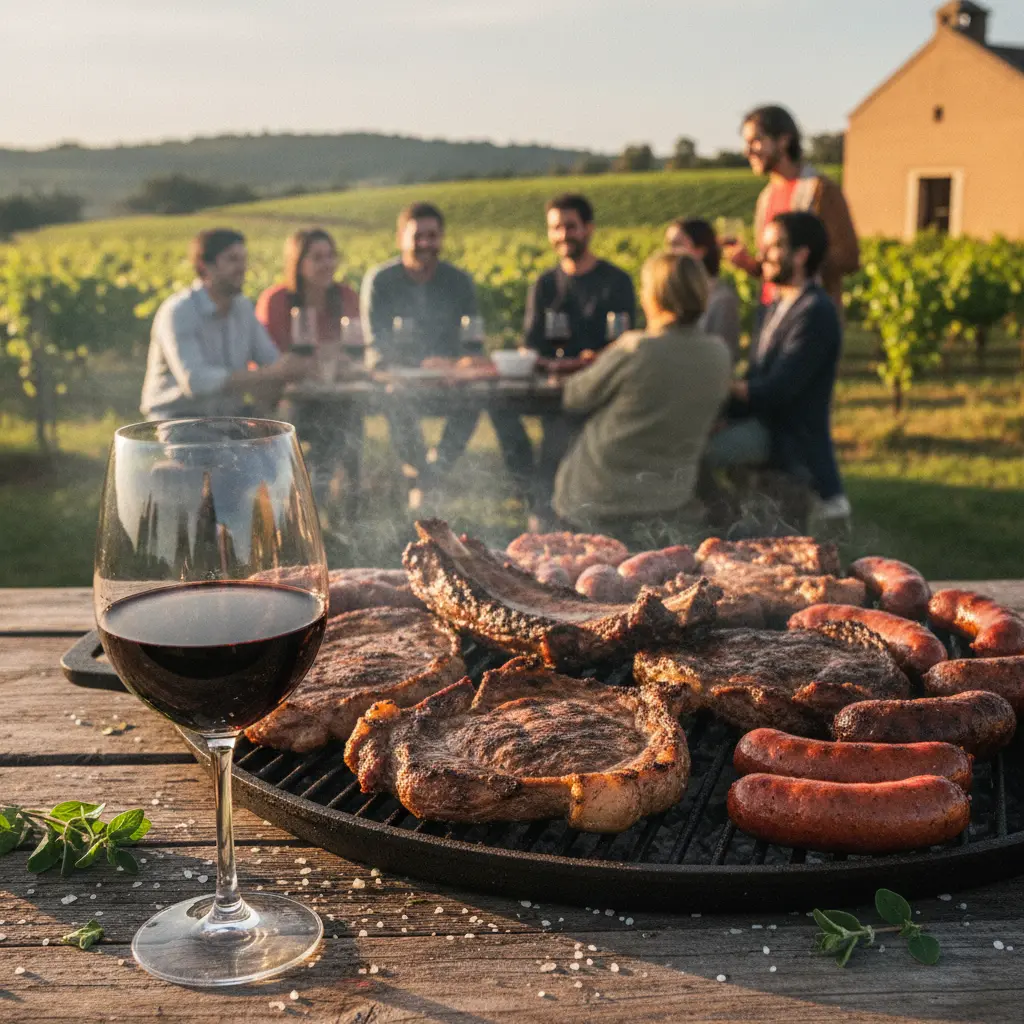
Malbec is the quintessential pairing for Argentina's famous asado (barbecue), with its robust tannins and dark fruit notes complementing the smoky, savory flavors of grilled beef. The wine's acidity cuts through the richness of the meat, creating a harmonious balance. For other great wine and starter combinations, explore our guide to Best Starters for Wine in 2026.
Torrontés with Empanadas and Seafood
Torrontés, with its vibrant acidity and aromatic profile, pairs beautifully with traditional Argentine empanadas, especially those with savory fillings like corn or chicken. It also complements lighter dishes like grilled fish, ceviche, and spicy Asian cuisine, thanks to its refreshing character.
Other Pairings for Argentina's Diverse Wines
Beyond the classics, Argentine Cabernet Sauvignon pairs well with hearty stews and red pasta sauces, while Bonarda is a fantastic match for pizza or charcuterie. Cooler-climate Pinot Noir from Patagonia is excellent with roasted poultry, salmon, or mushroom-based dishes, offering lighter, more versatile options.
Cheese and Vegetarian Pairings
Many Argentine wines complement a variety of cheeses and vegetarian dishes. A rich Malbec can stand up to aged hard cheeses like Parmesan or Manchego, while a fresh Torrontés pairs beautifully with goat cheese salads or vegetable empanadas. Fruity Bonarda is also surprisingly versatile with vegetarian fare.
Can You Visit Wineries in Argentina?
Yes, visiting wineries in Argentina is a highly recommended and accessible experience, offering tours, tastings, and often gourmet dining. The major wine regions are well-equipped for tourism, providing unique insights into the winemaking process and the local culture.
Mendoza Wine Routes
Mendoza offers well-established wine routes, making it easy for visitors to explore numerous wineries via guided tours, bike rentals, or private transport. Popular areas include Luján de Cuyo, Maipú, and the Uco Valley, each with its own charm and specialty. Many wineries provide guided tours, horseback riding through vineyards, and exquisite culinary experiences.
Exploring Salta and Patagonia
Salta's Calchaquí Valleys offer a more adventurous wine tourism experience, with stunning high-altitude landscapes and unique cultural attractions along the 'Ruta del Vino'. In Patagonia, visitors can enjoy the serene beauty of the southern vineyards and taste elegant cool-climate wines, often combined with nature tourism. For more on planning wine trips, see our guide to Mastering the Wine Journey.
Unique Winery Experiences and Accommodations
Beyond standard tastings, many Argentine wineries offer unique experiences like blending workshops, cooking classes focused on regional cuisine, and luxury accommodations within the vineyards. Boutique hotels and guesthouses provide immersive stays, allowing visitors to fully appreciate the serene beauty of the wine country.
Step-by-Step: Pairing Argentine Malbec with Food
Pairing Argentine Malbec with food is a straightforward process that enhances both the wine and the meal. Follow these steps for an optimal experience:
- Identify Malbec Style: Determine if your Malbec is fruit-forward and approachable or more complex and oak-aged. Lighter styles pair with leaner meats, while bolder ones need richer dishes.
- Consider Protein Choice: Opt for red meats like beef, lamb, or game. Malbec's tannins and acidity are perfectly suited to cut through the fat and richness of these proteins.
- Account for Cooking Method: Grilled, roasted, or braised meats work exceptionally well. The smoky char from grilling or the deep flavors from slow-cooking complement Malbec's profile.
- Balance Flavor Intensity: Match the intensity of the dish with the wine. A heavily spiced or rich stew will demand a more robust Malbec, while a simple grilled steak might suit a younger, fruitier expression.
- Include Complementary Side Dishes: Think about sides like roasted vegetables, potatoes, or mushroom sauces. Earthy flavors often enhance Malbec's characteristics.
Argentine Wine Regions at a Glance
This table provides a quick overview of Argentina's primary wine regions, highlighting their key characteristics and typical wine styles.
| Region | Dominant Grape | Typical Altitude | Climate & Style |
|---|---|---|---|
| Mendoza | Malbec, Cabernet Sauvignon | 2,000-5,000 ft (600-1,500m) | Arid, continental; Rich, full-bodied reds |
| Salta (Calchaquí Valleys) | Torrontés, Malbec | 5,500-10,000 ft (1,700-3,000m) | Extreme high-altitude; Aromatic whites, intense reds |
| Patagonia (Neuquén, Río Negro) | Pinot Noir, Malbec, Sauvignon Blanc | 800-1,600 ft (250-500m) | Cool, windy; Elegant, aromatic reds & whites |
| San Juan | Syrah, Malbec | 2,000-5,000 ft (600-1,500m) | Hot, arid; Robust, fruit-driven reds |