What Makes Wine Grapes Taste Sour?
Wine grapes taste sour primarily due to their natural organic acid content, particularly tartaric and malic acids. These acids are fundamental to a wine's structure, influencing its crispness, freshness, and aging potential. The perception of sourness is directly related to the concentration of these acids.
Tartaric vs. Malic Acid
Tartaric acid is the predominant acid in grapes and wine, crucial for stability and flavor, while malic acid contributes a sharper, green apple-like tartness. Tartaric acid is unique to grapes, forming stable salts that can precipitate as 'wine diamonds.' Malic acid, found in many fruits, can be converted to softer lactic acid during malolactic fermentation, reducing perceived sourness.
pH vs. Titratable Acidity (TA)
pH measures the strength of a wine's acidity, indicating the concentration of free hydrogen ions, whereas Titratable Acidity (TA) measures the total amount of all acids present. A lower pH signifies a more acidic wine, while a higher TA contributes to a more pronounced sour taste. Winemakers balance these metrics for optimal flavor and stability.
Which White Wine Grapes Exhibit the Highest Acidity?
Several white wine grapes are renowned for their high acidity, forming the backbone of crisp, refreshing, and age-worthy wines. These grapes thrive in cooler climates, where slower ripening preserves their natural tartness.
Riesling
Riesling is arguably the most famous high-acid white grape, known for its piercing acidity that balances its wide range of sweetness levels. Hailing predominantly from Germany's Mosel and Alsace in France, it offers intense floral and citrus notes, often developing petrol-like aromas with age.
Sauvignon Blanc
Sauvignon Blanc delivers a vibrant, zesty acidity, characterized by grapefruit, lime, and often herbaceous notes. Particularly prominent in Sancerre and Pouilly-Fumé (Loire Valley) and Marlborough, New Zealand, its brisk acidity makes it a refreshing choice, especially for seafood.
Grüner Veltliner
Grüner Veltliner, Austria's signature white grape, is celebrated for its distinctive white pepper, lentil, and citrus notes underscored by vibrant acidity. Its high acidity provides a refreshing character and significant versatility with food, especially dishes with a slight bitterness or spice.
Chenin Blanc
Chenin Blanc from the Loire Valley (e.g., Vouvray) offers a spectrum of acidity, from razor-sharp in dry styles to beautifully balanced with residual sugar in sweeter wines. Its high acidity allows it to be made into still, sparkling (like Glera-based Prosecco and Cava), and dessert wines, often showcasing apple, quince, and honeyed notes.
Are There Red Wine Grapes Known for Pronounced Sourness?
Yes, several red wine grapes are prized for their elevated acidity, which contributes to their structure, food-pairing versatility, and ability to age gracefully. Unlike white grapes, their acidity is often complemented by significant tannins.
Pinot Noir
Pinot Noir, especially from cooler regions like Burgundy, is known for its bright acidity and delicate tannins, offering flavors of red cherry, raspberry, and earthy undertones. This acidity is key to its elegance and makes it an incredibly versatile food-pairing wine.
Nebbiolo
Nebbiolo, the grape behind Barolo and Barbaresco, is characterized by its powerful tannins and assertive acidity, alongside aromatic notes of tar, roses, and cherry. This combination makes young Nebbiolo intensely structured and 'sour' to some palates, requiring significant aging to soften.
Sangiovese
Sangiovese, the heart of Chianti and Brunello di Montalcino, boasts naturally high acidity and firm tannins, delivering savory cherry, plum, and herbal notes. Its pronounced acidity makes it an ideal match for rich, savory Italian cuisine, cutting through fats and complementing tomato-based sauces.
How Do Regional Climates Influence Grape Acidity?
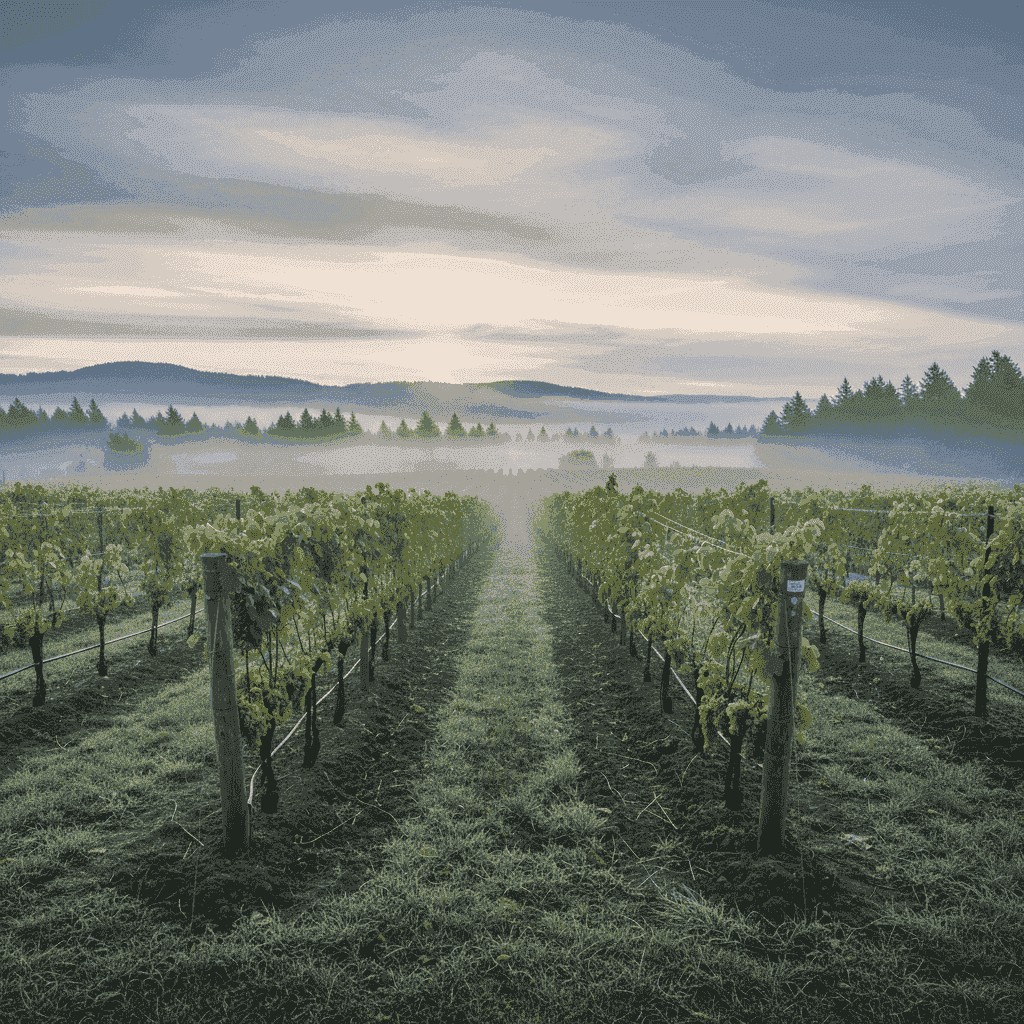
Regional climates significantly influence grape acidity, with cooler climates generally preserving higher levels of acid in grapes due to slower ripening. Grapes grown in warmer regions tend to have lower acidity as malic acid is consumed more rapidly during the ripening process.
Cool Climates and Acidity
Cool climates, characterized by shorter growing seasons and cooler nights, are optimal for retaining high acidity in grapes. The slower accumulation of sugars allows grapes to develop complex flavors while preserving their essential tartaric and malic acids, leading to fresh, vibrant wines.
Altitude and Soil Influence
Higher altitudes and specific soil types can also contribute to elevated grape acidity, even in otherwise moderate regions. Altitude provides cooler temperatures and more intense UV exposure, while poor, well-drained soils can stress vines, leading to concentrated flavors and higher acid levels.
What Winemaking Techniques Impact a Wine's Acidity Profile?
Winemaking techniques play a crucial role in shaping a wine's final acidity profile, from fermentation choices to post-fermentation adjustments. These methods can either enhance, preserve, or reduce the perceived sourness of the wine.
Malolactic Fermentation (MLF)
Malolactic fermentation is a winemaking process that converts sharp malic acid into softer lactic acid, significantly reducing a wine's perceived acidity and adding creamy textures. This process is common in Chardonnay and many red wines, contributing to a rounder, less 'sour' profile.
Acidification and Deacidification
Winemakers can adjust acidity levels through acidification (adding acids like tartaric) or deacidification (removing acids), particularly in regions where grapes may ripen unevenly. These interventions are carefully controlled to ensure balance and prevent overly sour or flat wines.
Sweetness Balance
Residual sugar can effectively balance high acidity, making a wine taste less sour even if its acid levels are inherently high. This balance is evident in many Rieslings, where the sweetness harmonizes with the bracing acidity, creating a refreshing and complex wine.
How Should High-Acid Wines Be Paired with Food?
High-acid wines are incredibly versatile with food, acting as a palate cleanser and complementing rich, fatty, or savory dishes by cutting through their intensity. The key is to match the wine's acidity to the food's acidity, or use it to contrast richness.
Seafood & Shellfish
High-acid white wines, such as Sauvignon Blanc or Muscadet, are classic pairings for seafood and shellfish, including oysters, ceviche, and grilled fish. Their crispness highlights the delicate flavors of the ocean and cleanses the palate.
Creamy Cheeses & Fatty Meats
The acidity in wines like Pinot Noir or dry Riesling beautifully cuts through the richness of creamy cheeses and fatty meats like duck or pork belly. This creates a delightful contrast, preventing the palate from becoming fatigued. For specific red wine pairings, consult How to Choose Red Wine for Steak.
Acidic Dishes
Pairing high-acid wines with acidic dishes, such as those featuring tomatoes or vinaigrettes, is crucial to prevent the wine from tasting flat or flabby. The wine should always be at least as acidic as the food to maintain balance.
"Acidity is the backbone of wine, providing tension, freshness, and the potential for a long and graceful evolution in the bottle. Without it, wine is merely fruit juice." - Jancis Robinson
Where Can Consumers Find Wines Made from Sour Grapes?
Consumers can find wines made from high-acid grapes in regions globally renowned for their cool climates and traditional winemaking practices. Focus on specific appellations and grape varieties known for their characteristic tartness.
-
Germany (Mosel, Rheingau): Seek out Riesling for its unparalleled balance of acidity and potential sweetness.
-
France (Loire Valley, Alsace, Burgundy): Explore Sauvignon Blanc and Chenin Blanc from the Loire, Riesling from Alsace, and Pinot Noir from Burgundy.
-
Austria (Wachau, Kamptal): Look for Grüner Veltliner, a versatile and peppery high-acid white.
-
Italy (Piedmont, Tuscany): Discover Nebbiolo (Barolo, Barbaresco) and Sangiovese (Chianti, Brunello) for robust, high-acid reds. Consider also the Grillo grape from Sicily for its refreshing acidity.
-
New Zealand (Marlborough): Famous for its pungent, high-acid Sauvignon Blanc.
Is High Acidity Always Desirable in Wine?
High acidity is generally desirable in wine as it provides freshness, balance, and contributes significantly to a wine's age-worthiness. However, excessive, unbalanced acidity can make a wine seem harsh or overly 'sour,' while insufficient acidity can result in a flabby or dull wine.
Acidity as Structure
Acidity provides the structural framework for a wine, much like tannins do for red wines, giving it backbone and vitality. It creates a sensation of cleanliness on the palate and ensures the wine doesn't feel heavy or cloying, especially in sweeter styles.
Balance in Winemaking
The goal of winemaking is to achieve balance among acidity, sweetness, tannin, alcohol, and fruit flavors. A wine with high acidity is considered well-balanced if that acidity is harmonious with other components, resulting in a complex and enjoyable drinking experience.
Does Grape Acidity Contribute to a Wine's Aging Potential?
Yes, high grape acidity is one of the most critical factors contributing to a wine's aging potential, allowing it to evolve gracefully over many years. Acidity acts as a natural preservative, protecting the wine from spoilage and oxidation, and helping to maintain its freshness and vibrancy. Learn more about longevity in Aged Like a Fine Wine.
Acidity Preservation
Wines with higher acidity tend to preserve their primary fruit flavors and aromas longer, preventing them from fading prematurely. This allows complex secondary and tertiary characteristics, such as nutty, earthy, or spicy notes, to develop over time without the wine becoming bland.
Evolution of Flavor
The interplay of high acidity with other components like sugar, alcohol, and tannins enables a wine to develop new layers of flavor and aroma during bottle aging. High-acid wines like aged Riesling can transform from crisp and fruity to complex and savory, offering a truly unique tasting experience.
| Grape Variety | Typical pH Range | Typical Titratable Acidity (g/L) | Flavor Profile Notes |
|---|---|---|---|
| Riesling | 2.8 - 3.3 | 7.0 - 9.0 | Citrus, green apple, petrol (aged), floral |
| Sauvignon Blanc | 3.0 - 3.4 | 6.0 - 8.0 | Grapefruit, lime, passionfruit, herbaceous |
| Grüner Veltliner | 3.1 - 3.5 | 5.5 - 7.5 | White pepper, citrus, lentil, mineral |
| Chenin Blanc | 3.0 - 3.5 | 6.0 - 8.5 | Apple, quince, honey, wet wool (aged) |
| Pinot Noir | 3.3 - 3.6 | 5.5 - 7.0 | Red cherry, raspberry, earthy, forest floor |
| Nebbiolo | 3.2 - 3.6 | 6.0 - 8.0 | Tar, roses, cherry, high tannin |
| Sangiovese | 3.3 - 3.6 | 5.5 - 7.0 | Sour cherry, plum, herbal, earthy |