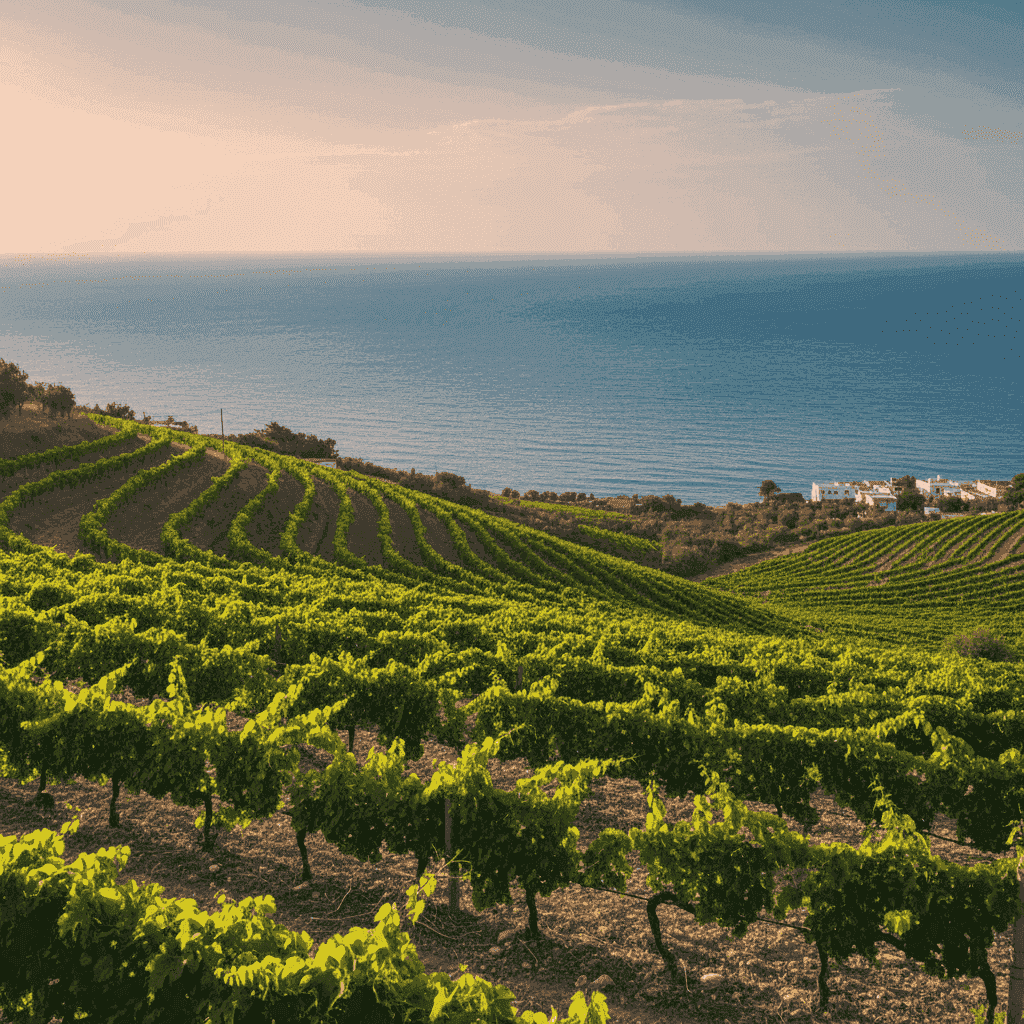
What is Grillo Grape Wine?
Grillo grape wine is a white wine made from the Grillo grape, an indigenous Sicilian varietal celebrated for its resilience and ability to produce complex, structured wines. This grape embodies the spirit of Sicilian winemaking, thriving in the island's warm, sun-drenched climate to create wines with character and depth.
Origin and History of Grillo
The Grillo grape has deep roots in Sicily, with its origins likely tracing back to Greek colonization of the island. Historically, Grillo was extensively cultivated for its role in producing fortified Marsala wine, offering strength and flavor. While its exact parentage is debated, DNA profiling suggests a connection to Catarratto and Zibibbo (Muscat of Alexandria), highlighting its ancient heritage and adaptability to the Mediterranean climate.
Key Characteristics of Grillo Grapes
Grillo grapes are characterized by their thick skins, high sugar accumulation potential, and excellent natural acidity, even in hot climates. These traits contribute to wines that are full-bodied, often with noticeable alcoholic warmth, yet remain balanced by a refreshing zest. The grape's robustness also makes it resistant to drought and various diseases, making it well-suited for sustainable viticulture in Sicily.
Grillo's Resilience in Sicilian Terroir
Grillo demonstrates remarkable resilience, thriving in Sicily's challenging, arid climate where many other varietals would struggle. Its ability to maintain acidity and ripen fully under intense sun is a testament to its evolutionary adaptation to the island's unique environmental conditions, producing balanced wines that reflect their origin.
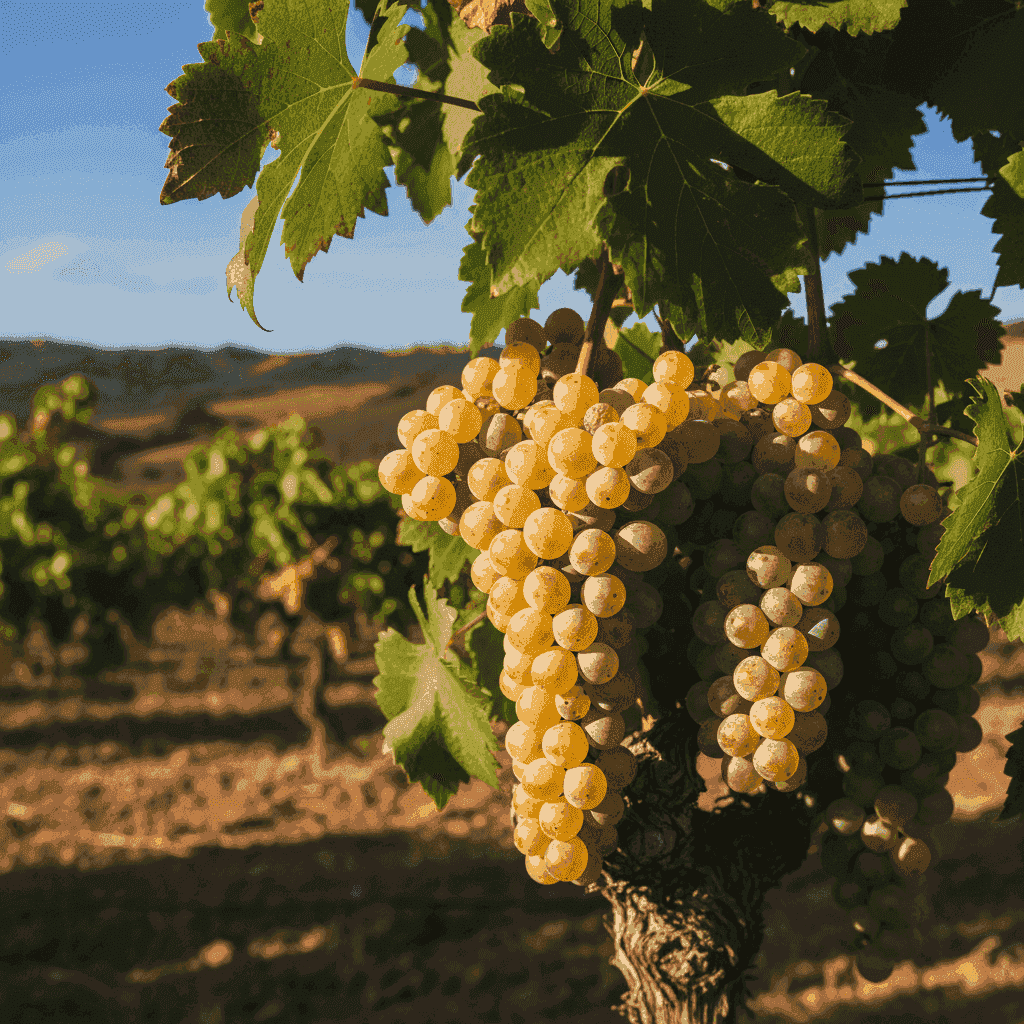
Where is Grillo Grape Predominantly Grown in 2026?
Grillo grape is predominantly grown in Sicily, Italy, with its heartland being the western part of the island, particularly around the Trapani province. This region's unique climate and soil composition provide the ideal conditions for Grillo to flourish, yielding wines that authentically express their terroir.
Sicily's Ideal Terroir for Grillo
Sicily's terroir, characterized by abundant sunshine, dry Mediterranean winds, and diverse soil types ranging from calcareous to volcanic, is perfect for Grillo. These conditions allow the grapes to ripen fully while retaining crucial acidity, resulting in wines with a perfect balance of richness and freshness. The sea breezes further contribute to the grapes' health and aromatic development, distinguishing Sicilian Grillo from other Italian white varietals like Glera.
Notable Grillo-Producing Zones
Key Grillo-producing zones in Sicily include Marsala, Mazzara del Vallo, Menfi, and the area around Palermo. Each zone offers subtle variations in microclimate and soil, influencing the final character of the wine. Wineries in these areas are increasingly focusing on single-varietal Grillo expressions, moving beyond its traditional role in Marsala to highlight its potential as a standalone fine wine.
Microclimates and Regional Expressions
Within Sicily, diverse microclimates across the island lead to distinct expressions of Grillo, from coastal vineyards yielding saline notes to inland areas producing richer, more aromatic profiles. Producers carefully select sites to achieve desired characteristics, with altitude and proximity to the sea playing critical roles in shaping the grape's development and the wine's final taste.
Global Presence and Emerging Regions
While overwhelmingly Sicilian, Grillo's unique qualities have led to limited experimental plantings in other Mediterranean climates, though Sicily remains its definitive home. These international efforts are small-scale, reaffirming Sicily's status as the true heartland where Grillo achieves its most authentic and celebrated expressions.
What Does Grillo Wine Taste Like? Exploring Its Flavor Profile.
Grillo wine typically offers a complex and appealing flavor profile, often described as a harmonious blend of citrus, tropical fruit, and savory herbal notes. Its characteristic crispness and minerality make it a highly enjoyable and versatile white wine.
Common Aromatic and Flavor Notes
Common aromatic and flavor notes in Grillo wine include lemon, grapefruit, green apple, and sometimes more exotic hints of passion fruit or mango. Floral undertones of jasmine or orange blossom can also be present, alongside a distinctive savory minerality and a slight almond bitterness on the finish. These notes evolve with aging, developing richer, honeyed characteristics in older vintages.
Influence of Winemaking Styles
The winemaking style significantly influences Grillo's taste, with stainless steel fermentation yielding fresh, vibrant wines and oak aging adding richness and complexity. Modern winemakers experiment with various techniques, including skin contact and partial oak fermentation, to enhance Grillo's texture and aromatic intensity, moving towards more structured wines that can rival other premium whites globally.
The Role of Ageing in Grillo's Evolution
While most Grillo is enjoyed young for its freshness, some premium examples benefit from short-to-medium-term aging, developing greater complexity and nutty, honeyed nuances. Proper aging, often in neutral vessels or with minimal oak, allows the wine to soften its acidity and integrate its flavors more fully, revealing a different dimension of its character.
Sensory Descriptors for Dry vs. Sweet Grillo
Dry Grillo exhibits vibrant citrus and herbal notes with a crisp, mineral finish, while the Grillo used in sweet Marsala offers intense dried fruit, caramel, and oxidative characteristics. Understanding these sensory distinctions helps appreciate the grape's versatility across different wine styles, from refreshing table wines to complex fortified expressions.
Grillo Beyond Dry White: Its Role in Marsala Wine.
Beyond its role as a dry white table wine, Grillo is a fundamental component of the renowned fortified Marsala wine, contributing significantly to its structure and aging potential. This dual identity showcases Grillo's remarkable versatility and historical importance in Sicilian viticulture.
A Core Component of Fortified Marsala
Grillo is prized in Marsala production for its high sugar content and ability to retain acidity during fermentation, which are crucial for creating a balanced and long-lived fortified wine. Its robust character allows Marsala to withstand oxidation during aging, developing its signature nutty, caramelized, and dried fruit notes over many decades in cask.
Historical Significance of Grillo in Marsala
Grillo's historical significance in Marsala dates back centuries, serving as the backbone for one of Italy's most famous fortified wines, exported worldwide. While Marsala has seen fluctuations in popularity, the enduring quality provided by Grillo underscores its importance, offering a unique link to Sicily's rich winemaking heritage.
Marsala Styles and Grillo's Contribution
Grillo contributes differently to the various styles of Marsala, from the light, dry Fino, where its freshness is key, to the richer, aged Superiore and Vergine, where its structure supports profound oxidative development. Its inherent strength and aromatic complexity make it indispensable for crafting Marsala wines across the entire spectrum of sweetness and aging potential.
Modern Perspectives on Grillo in Marsala
Contemporary winemakers are increasingly emphasizing the quality of Grillo in Marsala, focusing on single-varietal expressions and terroir to elevate the fortified wine's standing. This renewed attention aims to restore Marsala's prestige, showcasing Grillo's capacity to produce a world-class fortified wine that is both traditional and modern.
Why is Grillo Wine Gaining Popularity Globally?
Grillo wine is gaining global popularity due to its distinctive flavor profile, versatility with food, and the increasing consumer interest in indigenous Italian varietals and sustainable winemaking. Its ability to offer both crisp freshness and surprising complexity appeals to a wide range of palates.
Resurgence and Modern Winemaking
The resurgence of Grillo is largely driven by a new generation of Sicilian winemakers who are focusing on quality, terroir expression, and innovative techniques. These efforts highlight Grillo's potential as a premium single-varietal wine, moving away from its bulk wine past. The renewed focus on organic and biodynamic practices also resonates with environmentally conscious consumers.
Versatility and Food-Friendliness
Grillo's inherent versatility and food-friendliness make it an attractive choice for sommeliers and home enthusiasts alike. Its balanced acidity and aromatic complexity allow it to pair seamlessly with a diverse array of dishes, from light appetizers to richer seafood preparations, making it a staple on many restaurant menus.
Consumer Demand for Indigenous Varietals
The rising global demand for unique, indigenous varietals fuels Grillo's popularity, as consumers seek authentic expressions beyond well-known international grapes. Grillo offers an intriguing alternative to more common whites, such as Glera from the Veneto region, providing a distinct taste of Sicily's rich viticultural heritage and its unique terroir.
Sustainable Practices and Organic Grillo
A growing number of Grillo producers are adopting sustainable and organic viticulture, appealing to environmentally conscious consumers seeking wines produced with minimal intervention. This commitment to ecological practices not only enhances the wine's quality but also aligns with global trends favoring sustainable and ethically produced agricultural products.
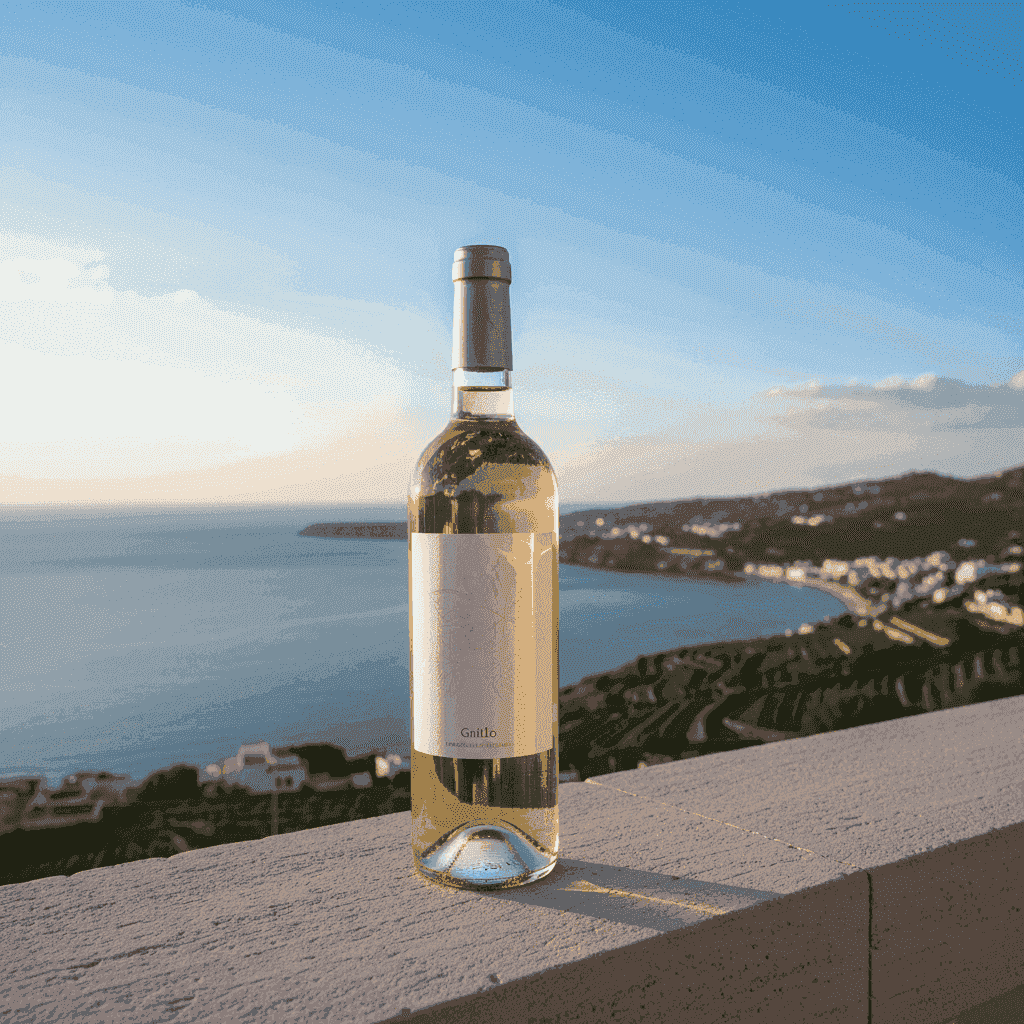
What are the Best Food Pairings for Grillo Wine?
The best food pairings for Grillo wine typically involve seafood, light poultry, fresh cheeses, and Mediterranean-inspired dishes, owing to its vibrant acidity and aromatic complexity. Its versatility makes it an excellent choice for a wide range of culinary experiences.
Classic Sicilian Cuisine Pairings
Grillo truly shines with classic Sicilian cuisine, especially dishes featuring fresh fish, shellfish, and vegetables. Think grilled swordfish, pasta with sardines (pasta con le sarde), fried anchovies, or a simple caponata. The wine's acidity cuts through the richness of fried foods and complements the brininess of seafood beautifully.
International Culinary Matches
Beyond Sicilian specialties, Grillo pairs wonderfully with a variety of international dishes, including Asian cuisine and mild curries. Its refreshing character makes it an excellent partner for sushi and sashimi, grilled chicken salads, goat cheese tarts, and even light Thai or Vietnamese fare. Its minerality can also complement earthy vegetable dishes.
Pairing Grillo with Aperitivo and Snacks
Grillo's crispness and refreshing acidity make it an ideal choice for aperitivo, pairing perfectly with light snacks, olives, and regional cheeses. Its bright profile cleanses the palate, preparing it for subsequent courses or simply enhancing a relaxed evening with friends, making it a versatile wine for social occasions.
Tips for Creative Grillo Pairings
To create innovative Grillo pairings, focus on balancing its acidity and aromatic notes with dishes that feature herbs, citrus, or subtle spice, avoiding overly heavy or rich sauces. Experiment with ingredients like capers, lemon zest, fresh basil, or even a touch of chili to amplify the wine's intrinsic characteristics and create memorable culinary experiences.
| Food Category | Specific Dishes | Why it Pairs Well |
|---|---|---|
| Seafood | Grilled Swordfish, Fried Calamari, Pasta alle Vongole | Acidity cuts through richness; complements briny and delicate flavors. |
| Poultry/Vegetarian | Lemon Herb Chicken, Caprese Salad, Grilled Vegetable Skewers | Matches light proteins and fresh, herbaceous notes. |
| Cheeses | Fresh Mozzarella, Ricotta Salata, Young Pecorino | Harmonizes with creamy and slightly salty textures without overpowering. |
| Asian Cuisine | Sushi, Sashimi, Light Spring Rolls | Clean finish and citrus notes provide a palate cleanser. |
How to Identify a Quality Grillo Wine in 2026?
Identifying a quality Grillo wine involves looking for producers committed to sustainable practices, understanding the specific terroir it comes from, and recognizing key indicators on the label. Prioritizing reputable wineries and recent vintages (unless specified for aging) is also crucial.
Key Factors to Look For
When seeking quality Grillo, look for wines labeled with 'DOC Sicilia' or 'IGT Terre Siciliane' designations, ensuring regional authenticity. Pay attention to the vintage; most Grillo is best enjoyed young and fresh, though some premium, oak-aged versions can age gracefully. Additionally, consider producers known for their focus on indigenous varietals and environmental stewardship.
Understanding Labeling and Producers
Understanding Grillo wine labels involves recognizing the producer's name, the region of origin, and any specific vineyard designations that might indicate higher quality. Researching producers who consistently receive positive reviews or awards for their Grillo can guide your selection. Websites like YAS Wine offer valuable insights into trusted Italian wineries, helping consumers make informed choices.
Reading the Terroir: How Place Influences Quality
A quality Grillo deeply reflects its terroir, with nuances imparted by soil composition (e.g., limestone, volcanic), altitude, and proximity to the sea influencing its minerality, acidity, and aromatic complexity. Understanding the specific vineyard site and its unique geological features can offer profound insights into the wine's character and overall quality, making terroir a crucial factor.
Award-Winning Grillo and Critical Acclaim
Seeking out Grillo wines that have received awards from reputable competitions or high scores from wine critics is an effective way to identify high-quality expressions. These accolades serve as a reliable benchmark, indicating wines that consistently perform well and are recognized for their excellence within the global wine community.
Exploring Grillo Vineyards: A Guide to Sicilian Wine Tourism.
Exploring Grillo vineyards in Sicily offers a unique opportunity to immerse yourself in the island's rich winemaking culture, breathtaking landscapes, and delicious local cuisine. A visit allows for direct engagement with producers and a deeper understanding of this remarkable grape.
Planning Your Grillo Wine Journey
Planning your Grillo wine journey should focus on the western regions of Sicily, particularly around Trapani, Marsala, and Mazara del Vallo. Consider visiting during the harvest season (late August to September) for a vibrant experience, or in spring for pleasant weather and blossoming vineyards. Many wineries offer guided tours and tastings, often requiring advance booking.
Tasting Experiences and Local Culture
Tasting experiences at Grillo vineyards often include guided cellar tours, structured wine tastings, and opportunities to sample local Sicilian delicacies. Engage with the winemakers to learn about their philosophy and the unique characteristics of their Grillo. These visits not only deepen your appreciation for the wine but also connect you to Sicily's vibrant local culture and hospitality, offering a different perspective compared to Tuscan wine regions like Chianti Classico.
Beyond the Cellar: Activities in Grillo Regions
Beyond wine tasting, Grillo-producing regions offer a wealth of cultural and scenic activities, including ancient Greek temples, stunning coastlines, and charming medieval towns. Visitors can explore archaeological sites, relax on beautiful beaches, or enjoy the local culinary scene, making a wine tour a comprehensive cultural immersion into Sicily's diverse offerings.
Accommodations and Travel Tips for Wine Tourists
For an optimal Grillo wine tour, consider staying in agriturismos (farm stays) within or near vineyards, offering authentic local experiences and direct access to producers. Booking accommodations and vineyard tours in advance, especially during peak season, is highly recommended, alongside planning transportation to navigate Sicily's diverse and sometimes remote wine routes.
"Grillo is the taste of Sicilian sun, bottled. Its freshness and character reflect the island's resilient spirit and rich agricultural heritage." - A Local Sicilian Winemaker
Here’s how to best experience Grillo wine:
- Choose the Right Grillo: For a refreshing experience, opt for a young, unoaked Grillo. For more complexity, seek out producers experimenting with oak or extended lees contact.
- Serve at Optimal Temperature: Grillo is best served chilled, typically between 8-10°C (46-50°F), to highlight its crisp acidity and aromatic profile.
- Select Appropriate Glassware: A standard white wine glass with a medium-sized bowl will allow the aromas to concentrate effectively.
- Pair Thoughtfully: Experiment with seafood, fresh salads, or light poultry. Don't be afraid to try it with dishes featuring capers, olives, or fresh herbs that resonate with its Mediterranean origins.
- Explore Sicilian Flavors: Pair your Grillo with authentic Sicilian dishes like arancini, panelle, or a simple pasta al pesto Trapanese to fully appreciate its regional synergy.