Why Does Glass Shape Matter for Red Wine?
Glass shape is crucial because it dictates how wine interacts with oxygen and where its aromas are concentrated. Different red wines possess unique aromatic profiles and structures, and a well-designed glass funnels these specific characteristics to the most sensitive parts of your nose and tongue.
How Does the Bowl Shape Influence Aroma?
The bowl shape primarily influences how much surface area of the wine is exposed to air, affecting its aeration and the release of volatile aromatic compounds. A wider bowl allows for greater aeration, essential for opening up complex red wines, while a narrower rim can concentrate delicate aromas towards your nose.
What Role Does Rim Diameter Play in Taste?
The rim diameter guides the flow of wine onto specific areas of your tongue, influencing how you perceive sweetness, acidity, and tannins. A wider rim can direct wine across more of the palate, while a narrower rim might focus it towards the center, emphasizing different flavor components.
Does the Stem Length Affect Holding and Temperature?
Yes, the stem length affects how comfortably you hold the glass and, crucially, prevents your hand's warmth from transferring to the wine, maintaining its ideal serving temperature. A longer, elegant stem allows for a secure grip without impacting the wine's temperature or smudging the bowl.
What are the Key Features of a Quality Red Wine Glass?
A quality red wine glass typically features a generous bowl, a slender stem, and a stable base, all crafted from clear, thin material. These elements work in concert to provide an optimal tasting experience, allowing for proper aeration, temperature control, and visual appreciation of the wine.
Why is a Thin Rim Important?
A thin rim is important because it allows the wine to flow smoothly onto the palate without obstruction, minimizing distraction and maximizing the purity of taste. Thicker rims can create a barrier, hindering the wine's direct contact with your lips and tongue, thereby diminishing the sensory experience.
Should Red Wine Glasses Have Stems?
Yes, red wine glasses should always have stems to prevent your hand's warmth from heating the wine and to offer a comfortable grip without smudging the bowl. Holding the glass by the stem helps maintain the wine's ideal serving temperature, which is critical for preserving its delicate balance of flavors and aromas.
What is the Ideal Clarity for a Wine Glass?
The ideal clarity for a wine glass is crystal-clear and free of any tint or blemishes, allowing for an accurate visual assessment of the wine's color, viscosity, and sediment. Optical clarity is paramount for appreciating the wine's visual nuances, which are an integral part of the tasting experience.
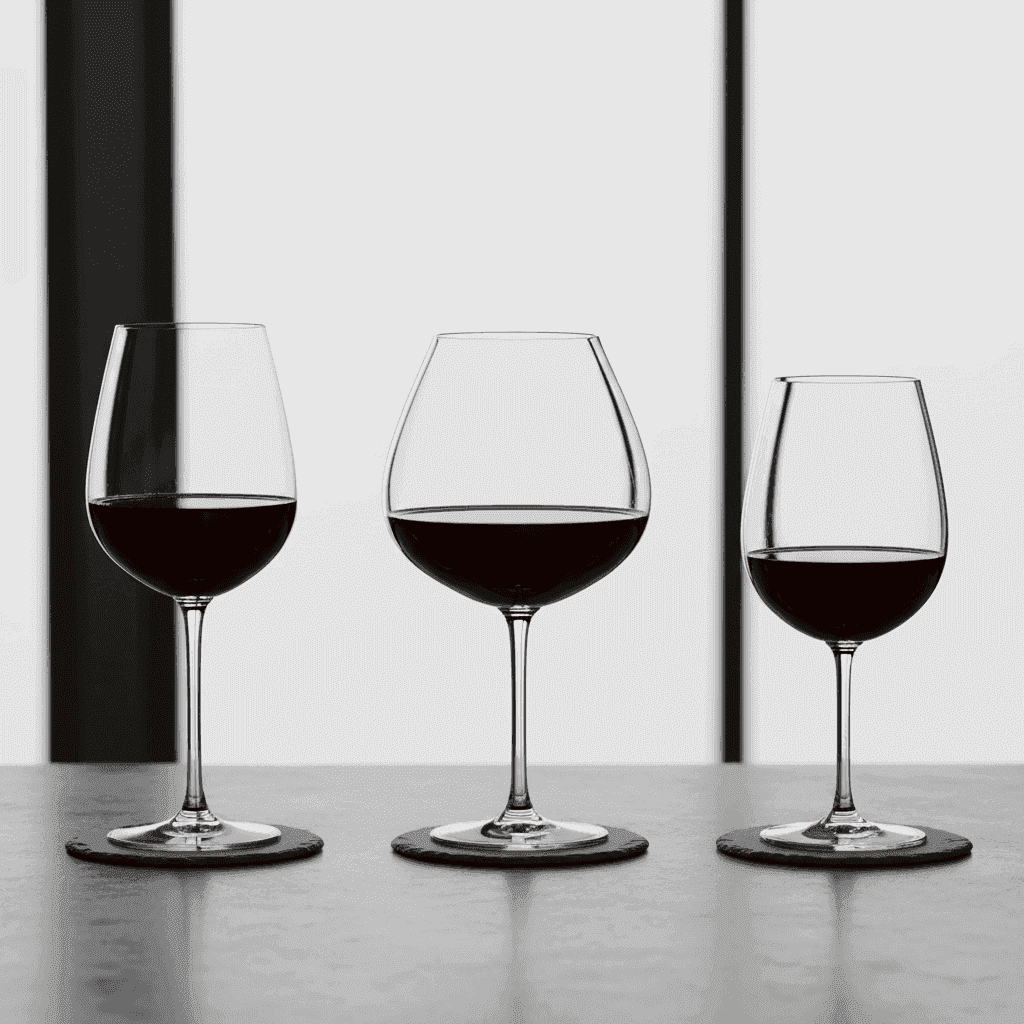
Specific Red Wine Glass Types and Their Uses
Different red wine glass types are meticulously designed to complement specific styles of red wine, optimizing their unique characteristics. Matching the glass to the wine can significantly amplify its intended aromas and flavors, enhancing your enjoyment.
Which Glass is Best for Bordeaux Wines?
For Bordeaux wines, a tall glass with a large bowl and a slightly tapered rim is best, designed to handle full-bodied, high-tannin reds. This shape allows for ample aeration, softening the tannins and concentrating the complex aromas of Cabernet Sauvignon and Merlot blends, common in Tuscany's iconic Chianti Classico region.
What Glass Should I Use for Burgundy Wines?
For Burgundy wines, a wide-bowled, balloon-shaped glass with a narrower opening is ideal, specifically crafted for delicate, aromatic reds like Pinot Noir. This design provides a large surface area for the wine to breathe, while the tapered rim funnels the nuanced fruit and earthy aromas directly to the nose, showcasing the wine's elegance.
Are Standard Red Wine Glasses Versatile?
Yes, standard red wine glasses are quite versatile, offering a good compromise for various medium to full-bodied red wines when specialized glasses are not available. Their moderate bowl size and gentle taper make them suitable for many everyday reds, providing a generally pleasant drinking experience without over-specialization, and even adaptable for some unexpected pairings like best wine pairing for sushi.
What Glass Works Best for Zinfandel or Rhône Wines?
For Zinfandel or Rhône wines, which are typically fruit-forward and spicy with moderate tannins, a medium-sized bowl with a slightly tapered opening is highly effective. This design balances aeration to express bold fruit while focusing the aromatic complexity without over-exposing the alcohol, common in powerful reds.
| Glass Type | Ideal For | Key Feature | Benefit |
|---|---|---|---|
| Bordeaux | Cabernet Sauvignon, Merlot, Bordeaux Blends | Tall, large bowl, tapered rim | Softens tannins, concentrates powerful aromas |
| Burgundy | Pinot Noir, Nebbiolo, delicate reds | Wide, balloon-shaped bowl, narrow rim | Maximizes aeration, funnels subtle aromas |
| Zinfandel/Rhône | Zinfandel, Syrah/Shiraz, Grenache | Medium-large bowl, slightly tapered | Enhances fruit, manages spice and alcohol |
| Universal | Most red wines, everyday use | Moderate bowl, gentle taper | Versatile, balances various wine characteristics |
How Does Glass Material Impact Taste and Durability?
Glass material impacts taste by influencing the clarity and thinness of the rim, while also determining the glass's overall durability and aesthetic. High-quality materials allow for finer craftsmanship, leading to a superior tasting vessel.
Crystal vs. Glass: What's the Difference for Red Wine?
Crystal glasses are superior to standard glass for red wine due to their ability to be crafted thinner and lighter, offering greater clarity and a finer rim. The lead content (or lead-free alternatives) in crystal makes it more durable and allows for a brilliant sparkle, enhancing the visual appeal and tactile experience of drinking wine.
Are Lead-Free Crystal Glasses as Good as Traditional Crystal?
Yes, lead-free crystal glasses are often just as good as, if not superior to, traditional leaded crystal, offering similar thinness, brilliance, and acoustic qualities without the health concerns associated with lead. Modern manufacturing techniques have allowed lead-free crystal to achieve comparable clarity and durability, making them a safe and excellent choice.
Does the Thickness of the Bowl Affect Temperature?
Yes, the thickness of the bowl can subtly affect the wine's temperature by influencing how quickly heat is absorbed or dissipated, with thinner bowls generally having less thermal mass. While the stem is the primary control for temperature transfer from your hand, a very thick bowl might retain ambient heat differently.

Cleaning and Storing Your Red Wine Glasses Properly
Proper cleaning and storage are essential to maintain the pristine condition and longevity of your red wine glasses, ensuring they always enhance your wine's flavor. Incorrect methods can leave residues or cause damage, affecting future tasting experiences.
What is the Best Way to Hand Wash Wine Glasses?
The best way to hand wash wine glasses is with warm water and a small amount of unscented dish soap, using a soft sponge or brush, and then rinsing thoroughly with clean water. Hold the glass by the bowl, not the stem, to prevent breakage, and avoid twisting during cleaning.
- Rinse Immediately: After use, rinse glasses with warm water to prevent wine residues from drying and staining.
- Prepare Cleaning Solution: Fill a basin with warm water and a few drops of unscented dish soap.
- Gently Wash: Carefully hold the glass by the bowl, never the stem, and use a soft sponge or bottle brush to clean the interior and exterior.
- Rinse Thoroughly: Rinse under warm, running water until all soap residue is gone, making sure no water spots form.
- Air Dry or Polish: Invert glasses on a drying rack or use a lint-free microfiber cloth to polish them dry immediately for a streak-free shine.
How Should Red Wine Glasses Be Stored?
Red wine glasses should be stored upright or hanging upside down in a cabinet, away from strong odors and dust, to maintain their cleanliness and prevent chipping. Storing them in a dedicated cabinet or on a hanging rack helps protect delicate rims and bowls from damage.
How to Remove Stains and Water Spots from Glasses?
To remove stains and water spots, create a paste of baking soda and a small amount of water for stubborn stains, or use a solution of white vinegar and water for water spots. Gently scrub or soak, then rinse thoroughly and polish with a lint-free cloth to restore clarity.
Common Mistakes to Avoid When Choosing Red Wine Glasses
Avoiding common mistakes, such as prioritizing aesthetics over functionality or opting for overly thick glass, ensures you select glasses that truly enhance your wine. Focus on the practical aspects of wine enjoyment rather than just visual appeal.
Is Using Only One Type of Glass a Mistake?
Yes, using only one type of glass for all red wines can be a mistake because it prevents you from fully appreciating the unique characteristics of different varietals. While a universal glass can suffice for casual drinking, specialized glasses unlock the full potential of specific wines.
Why is Thick Glass a Bad Choice for Red Wine?
Thick glass is a bad choice for red wine because it detracts from the delicate sensory experience, both visually and tactilely. A thick rim can interfere with the wine's flow onto the palate, and the heavy feel can diminish the elegance of the tasting experience, making the wine seem less refined.
Should You Buy Expensive Glasses Right Away?
No, you don't necessarily need to buy the most expensive glasses right away; instead, focus on good quality, functionally appropriate glasses that fit your budget and wine drinking habits. Start with a versatile universal set and gradually invest in specialized glasses as your wine preferences evolve.
"A great wine glass is not merely a vessel; it is a meticulously crafted instrument designed to translate the winemaker's artistry into your glass, capturing every nuance of aroma and flavor." - Anonymous Sommelier
Are Universal Red Wine Glasses a Good Option?
Universal red wine glasses can be a good option for those with limited space or a desire for simplicity, offering a versatile shape that accommodates a broad range of red wines reasonably well. They aim to provide a balanced experience for most varietals without excelling at any single one.
When Should You Consider a Universal Glass?
You should consider a universal glass when you are starting your wine journey, have diverse wine preferences, or lack storage space for multiple specialized glass types. It's a practical choice for everyday enjoyment or for entertaining guests with varying wine selections.
How Do Universal Glasses Compare to Specialized Ones?
Universal glasses offer a good general performance but typically don't elevate specific wine characteristics to the same degree as a specialized glass tailored for a particular varietal. While convenient, they might not fully unlock the nuanced aromas of a delicate Burgundy or the robust structure of a Bordeaux blend.
Investing in Your Red Wine Glass Collection
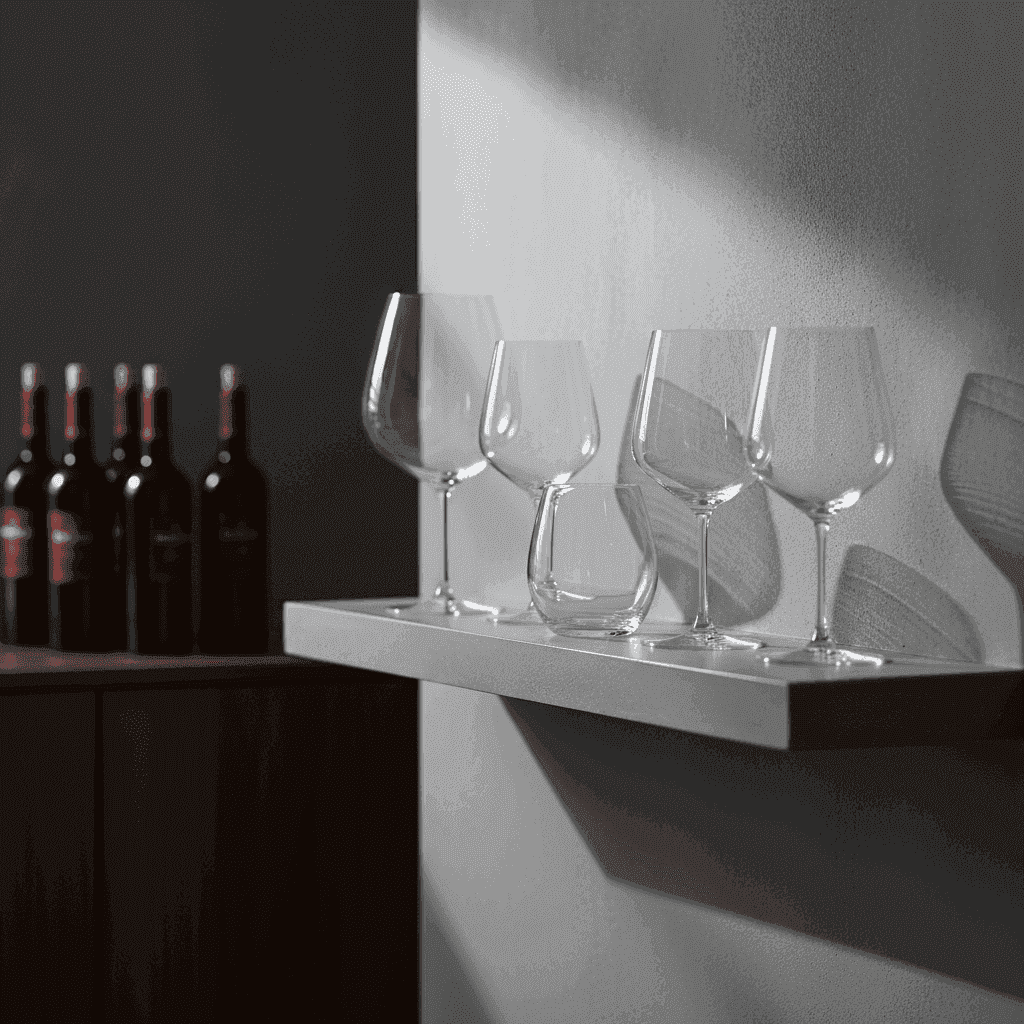
Investing in a quality red wine glass collection is an investment in your wine appreciation journey, unlocking deeper layers of enjoyment and understanding. A well-chosen set can elevate casual sips and special occasions alike, similar to how knowing about the best wine pairings for sushi enhances a meal.
How Many Red Wine Glasses Do You Really Need?
You really need at least two distinct types of red wine glasses: one for full-bodied reds like Bordeaux blends, and another for aromatic, lighter-bodied reds like Pinot Noir. Having a set of 4-6 of each for entertaining is ideal, complemented by a few universal glasses.
When is it Time to Upgrade Your Wine Glasses?
It's time to upgrade your wine glasses when your current set is chipped, lacks clarity, or when you find yourself consistently gravitating towards specific wine regions like Toscana's best wineries or varietals that would benefit from a more specialized vessel. An upgrade can significantly enhance your tasting experiences, much like how understanding the Glera grape enhances Prosecco enjoyment.
What Brands Offer Quality Red Wine Glasses?
Several reputable brands offer high-quality red wine glasses, including Riedel, Zalto, Schott Zwiesel, and Spiegelau, each known for their craftsmanship, material quality, and specific designs tailored to enhance wine. Exploring these brands allows you to find glasses that fit your aesthetic and functional preferences.